Must-Know Motorcycle Helmet Laws in Tennessee
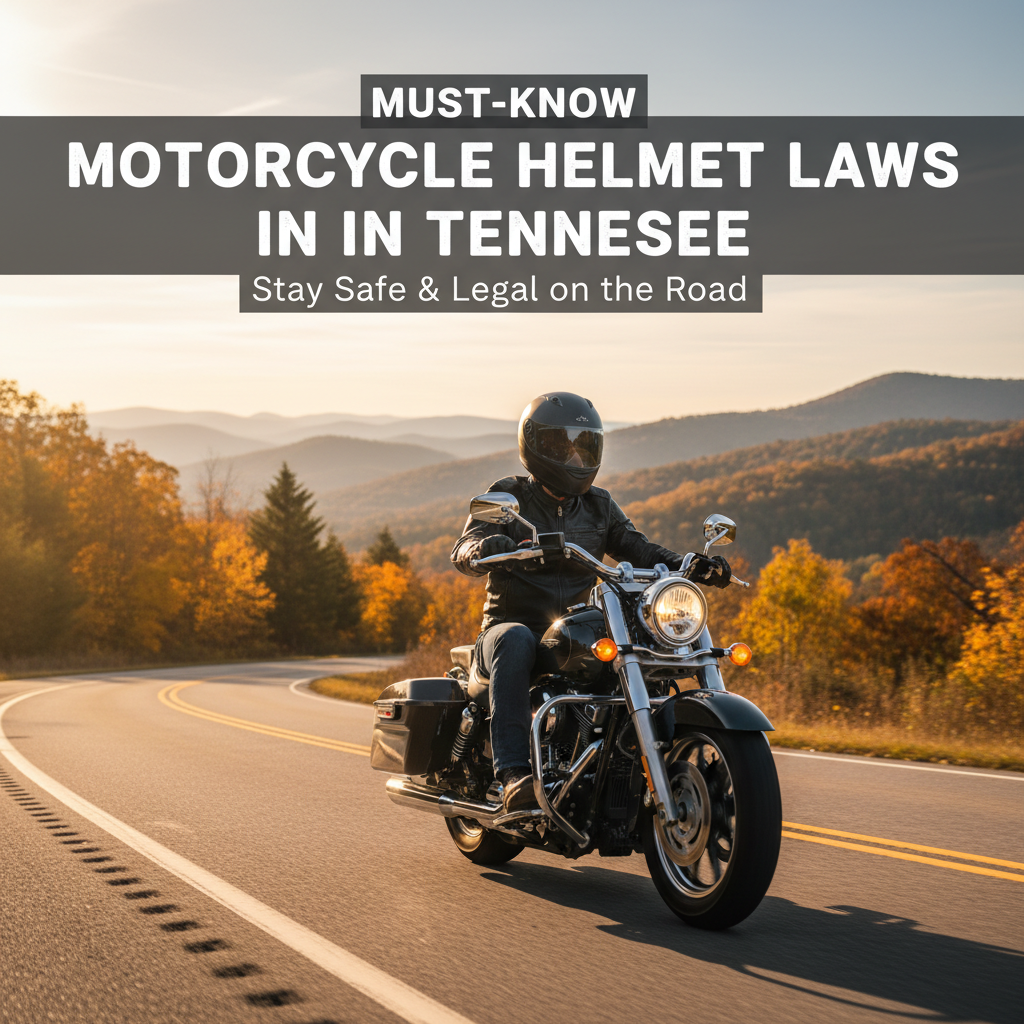
In Tennessee, wearing a motorcycle helmet is mandatory for riders under 21 years old and optional for those 21 and older with proof of insurance. However, understanding the nuances of these laws is crucial for every motorcyclist in the state. This article will explore the details surrounding helmet laws, the implications of non-compliance, and tips for safe riding in Tennessee.
Understanding Tennessee’s Helmet Law
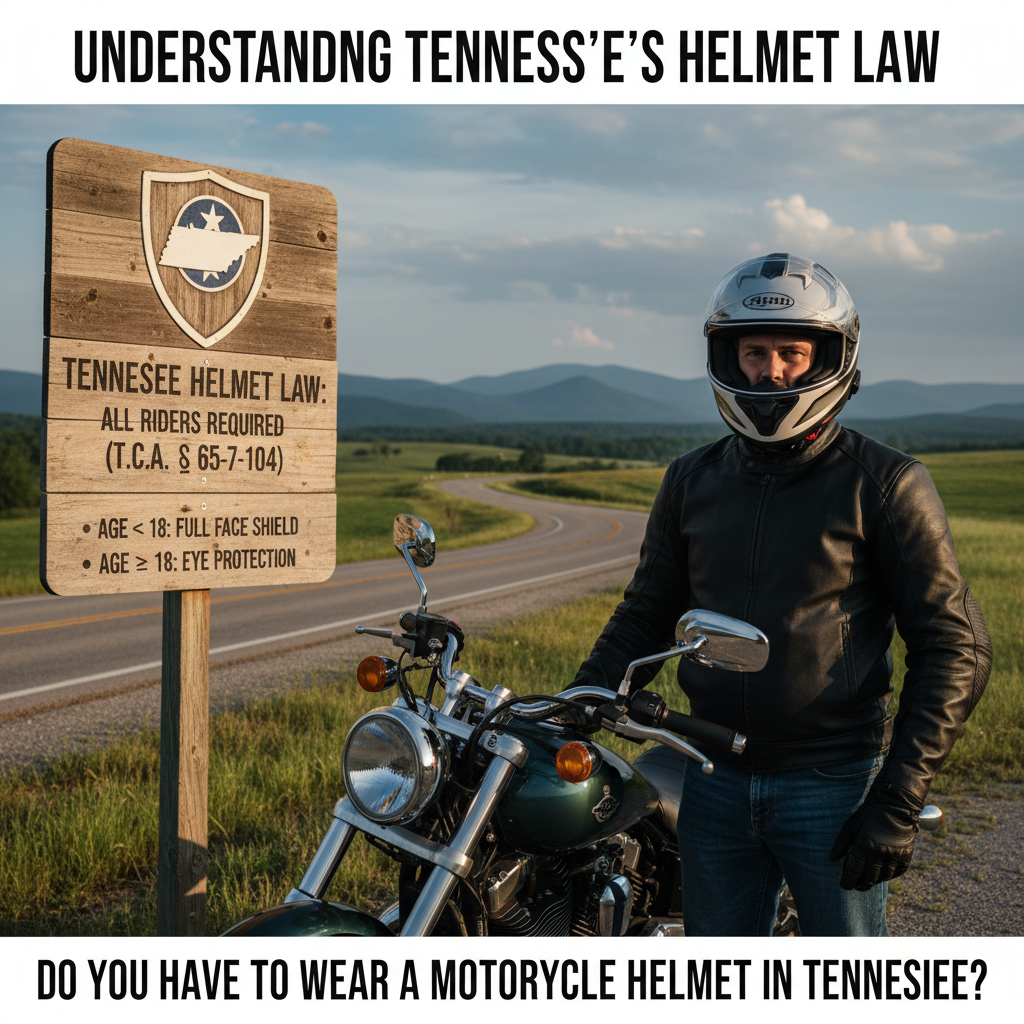
Tennessee’s motorcycle helmet law is designed to enhance rider safety, particularly among younger, less-experienced operators. Riders under the age of 21 must wear a helmet at all times while operating or riding on a motorcycle. This law is rooted in the understanding that younger riders may lack the experience to navigate the complexities of motorcycle operation safely, thus making helmet usage essential for their protection.
For riders aged 21 and older, the law provides a degree of freedom. They are permitted to ride without a helmet, provided they can demonstrate that they have health insurance. This provision reflects a balance between personal freedom and public safety, acknowledging that older riders may have more experience and the financial means to cover potential medical expenses arising from motorcycle accidents. It is important to note that proof of insurance must be readily available during a traffic stop; otherwise, the rider may face penalties for helmet non-compliance.
The Importance of Wearing a Helmet
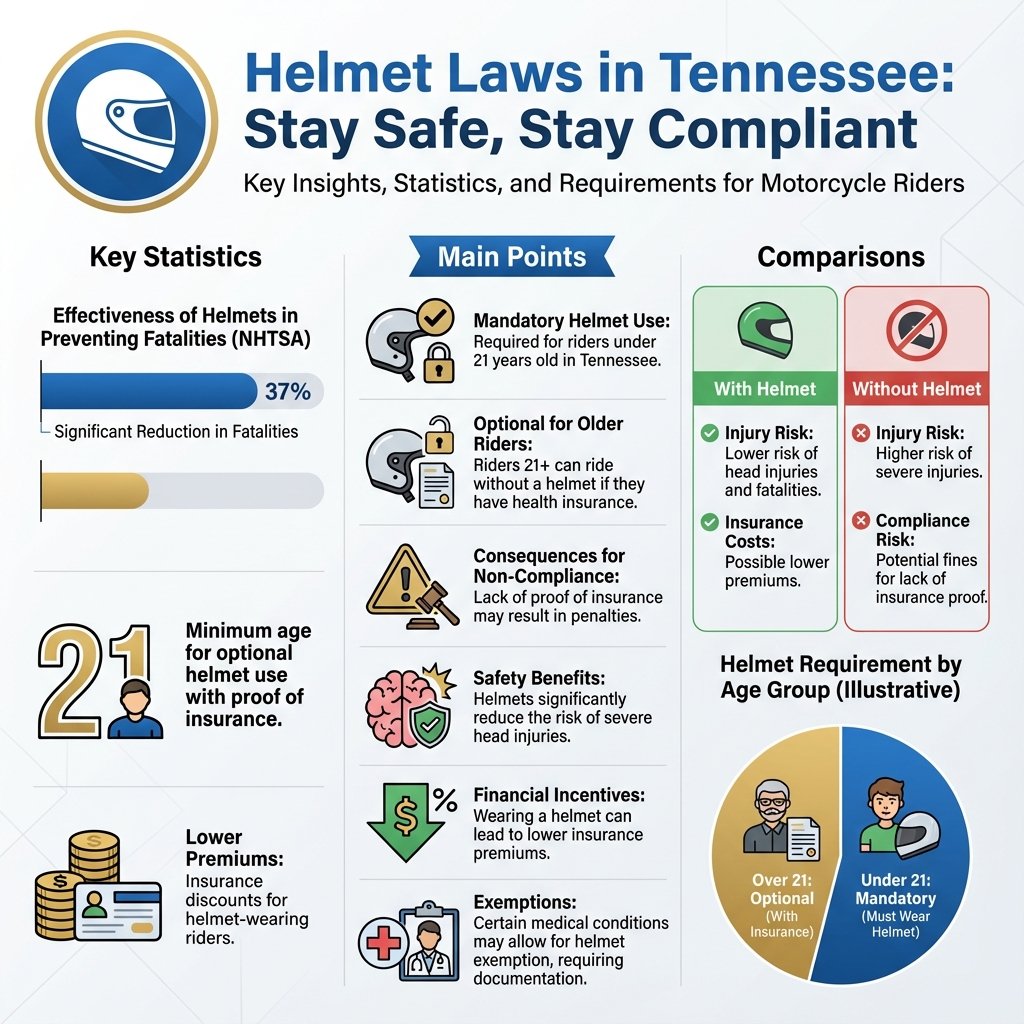
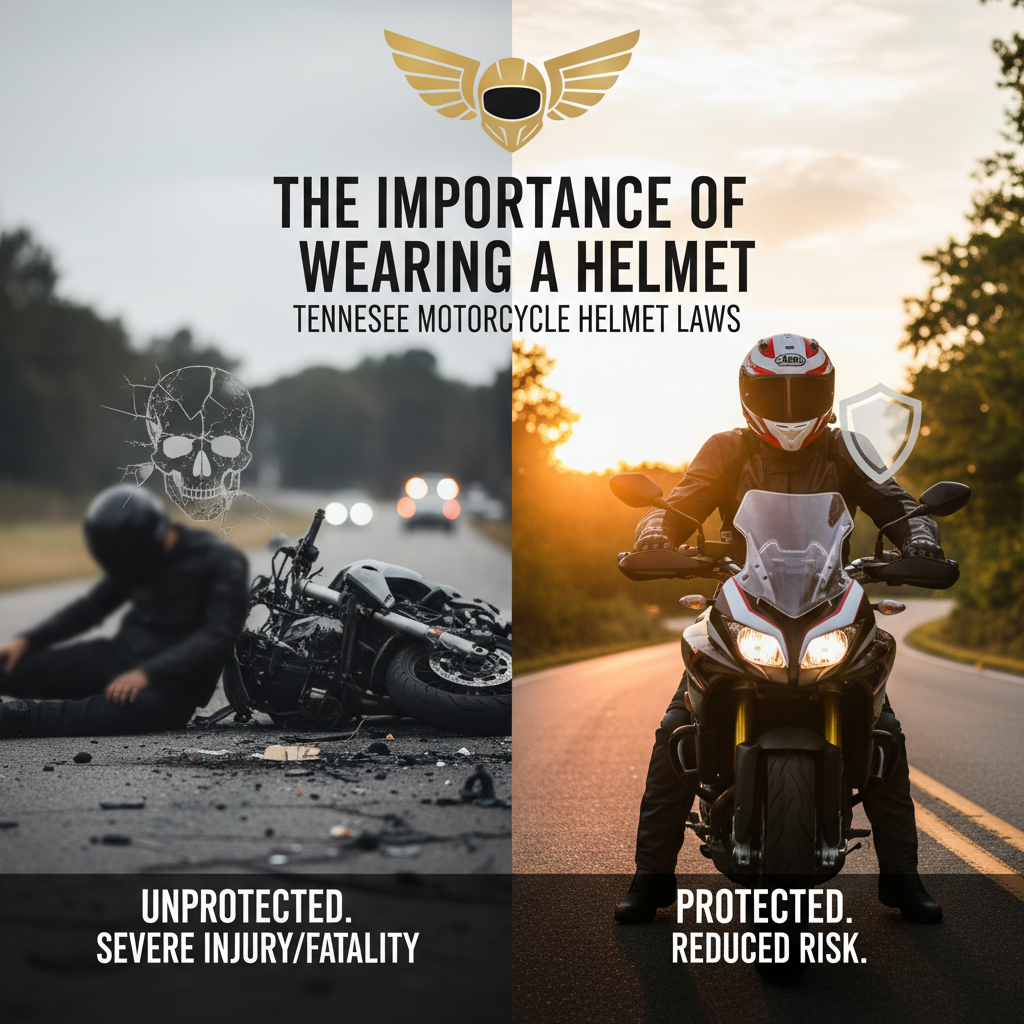
The importance of wearing a helmet cannot be overstated. Statistically, helmets are known to significantly reduce the risk of severe head injuries in motorcycle accidents. According to the National Highway Traffic Safety Administration (NHTSA), helmets are about 37% effective in preventing fatalities among motorcycle riders. This statistic underscores the protective nature of helmets, which are designed to absorb impact and protect the skull and brain during collisions.
In addition to the safety benefits, wearing a helmet can also have financial implications. Many insurance providers offer lower premiums for riders who wear helmets regularly, as they are perceived as safer and less likely to incur significant medical costs due to accidents. Furthermore, wearing a helmet can enhance the overall safety rating of a motorcycle, which may be beneficial when considering resale value or trade-in options.
Exceptions to the Law
While the helmet law is clear, there are exceptions that riders should be aware of. Certain groups, such as individuals with specific medical conditions that may be exacerbated by helmet use, may be exempt from the helmet requirement. However, these exemptions often require documentation or proof of the condition, so riders should consult with medical professionals and legal experts if they believe they qualify.
Additionally, local laws may vary within Tennessee, which can introduce complexities for riders traveling across different jurisdictions. For instance, some municipalities may have ordinances that impose stricter helmet laws or additional requirements. It is advisable for motorcyclists to familiarize themselves with local regulations before embarking on their rides, ensuring compliance and enhancing safety.
Consequences of Not Wearing a Helmet
Failing to wear a helmet while riding a motorcycle in Tennessee can lead to significant consequences. Riders who do not comply with the helmet law may face steep fines and penalties. For instance, the initial fine for not wearing a helmet can be around $50, but additional violations can lead to increased fines and possibly points on the rider’s license.
Beyond immediate financial penalties, there are also potential implications for insurance claims in the event of an accident. Insurance companies may deny claims or reduce payouts if it is determined that the rider was not wearing a helmet while involved in an accident. This can leave riders financially vulnerable, particularly if they sustain serious injuries that require extensive medical care.
Tips for Choosing the Right Helmet
Choosing the right helmet is critical for ensuring maximum protection while riding. When selecting a helmet, look for those that have been certified by the Department of Transportation (DOT) and the Snell Memorial Foundation. These certifications indicate that the helmet meets stringent safety standards and has been tested for impact resistance.
Fit is also a crucial factor; a helmet should fit snugly without being overly tight. Consider trying on different styles and sizes, as each brand may have variations in sizing. Comfort is equally important, as a well-fitting helmet is more likely to be worn consistently. Additionally, explore different styles, such as full-face, modular, or open-face helmets, to find one that aligns with personal preferences while still providing ample protection.
Motorcycle Safety Beyond Helmets
While helmets are a vital component of motorcycle safety, they are not the only protective measure riders should consider. Proper riding gear—including jackets, gloves, and boots designed for motorcycle use—can significantly enhance safety by providing protection against abrasions and impact injuries.
Moreover, participating in a motorcycle safety course can be invaluable for honing riding skills and learning about safe riding practices. Organizations such as the Motorcycle Safety Foundation (MSF) offer courses that cover essential riding techniques, risk management, and maintenance tips, equipping riders with the knowledge they need to navigate the roads safely.
In summary, knowing Tennessee’s motorcycle helmet laws is essential for all riders. Whether you’re required to wear one or not, prioritizing safety should always come first. Be informed, ride responsibly, and protect yourself on the road. By adhering to the helmet laws, wearing appropriate gear, and continuously improving your riding skills, you can significantly reduce the risks associated with motorcycle riding and enjoy the open road with confidence.
References
- https://www.tn.gov/safety/motorists/motorcycle-safety/motorcycle-helmet-law.html
- https://www.nhtsa.gov/motorcycle-safety/motorcycle-helmet-laws
- https://www.iihs.org/topics/motorcycles/helmet-use
- https://www.tn.gov/safety/motorists/motorcycle-safety.html
- https://www.ama-cycle.org/advocacy/legislation/state-motorcycle-helmet-laws/tennessee/