**Must-Know Secrets: Can You Use a Bike Helmet for Skiing?**
Using a bike helmet for skiing is not recommended. While both types of helmets provide head protection, ski helmets are specifically engineered to address the unique dangers associated with skiing, including the potential for high-impact falls and collisions. Understanding the differences between these two helmet types can guide you in making a more informed decision, especially in situations where you may lack access to the appropriate gear.
Understanding Helmet Types
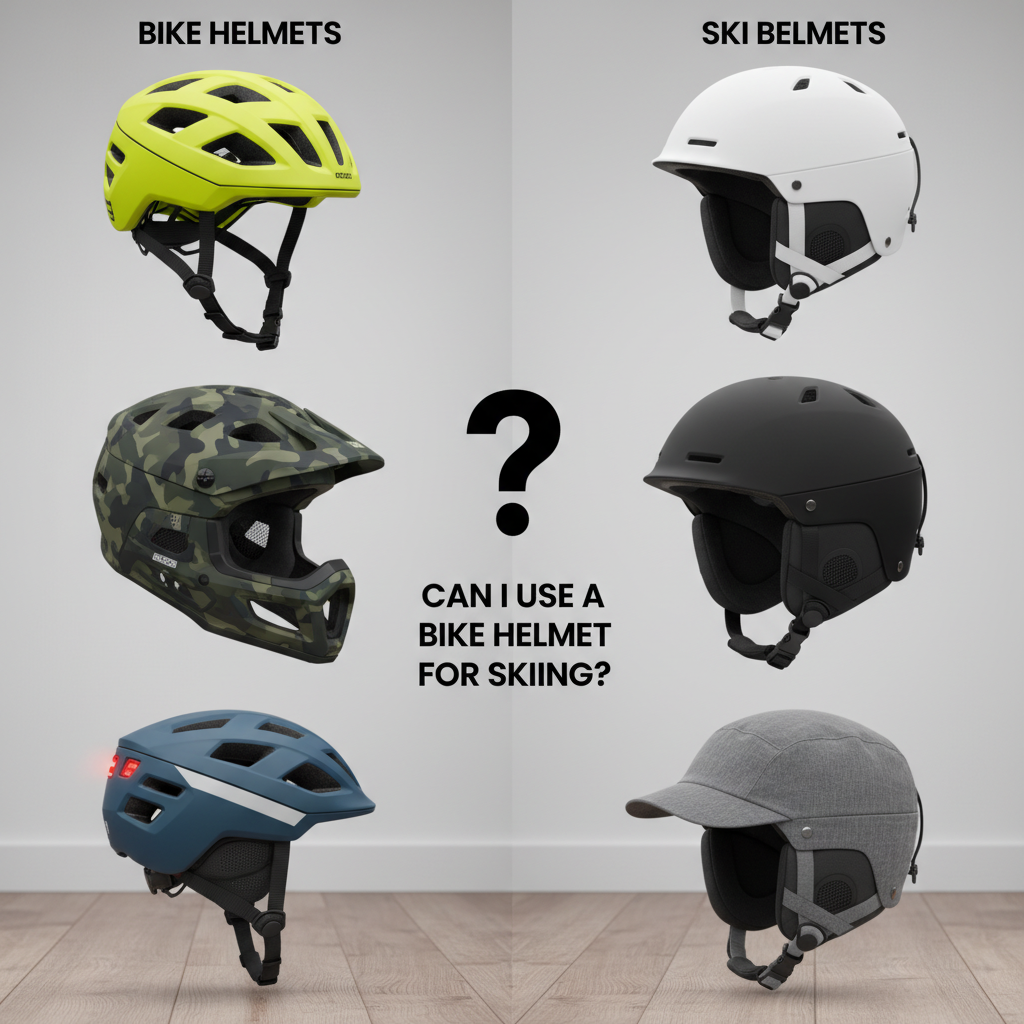
– Design Differences: The design of ski helmets and bike helmets reflects their intended use. Ski helmets typically feature a hard outer shell made from materials such as polycarbonate or fiberglass, designed to withstand harsh winter conditions and absorb significant impact. Inside, they contain a foam lining specifically tailored to insulate against cold weather. In contrast, bike helmets are lighter and constructed for warmer climates, focusing on ventilation and airflow rather than insulation and protection against severe impacts.
– Ventilation: Ventilation systems differ significantly between ski and bike helmets. Ski helmets often come equipped with adjustable vents that allow skiers to regulate their body temperature during physical exertion on the slopes. These vents can be closed when temperatures drop, providing warmth, or opened to release heat during more intense runs. On the other hand, bike helmets prioritize airflow to keep riders cool in warm weather, which can leave skiers feeling uncomfortably cold when exposed to winter conditions.
Safety Standards and Regulations
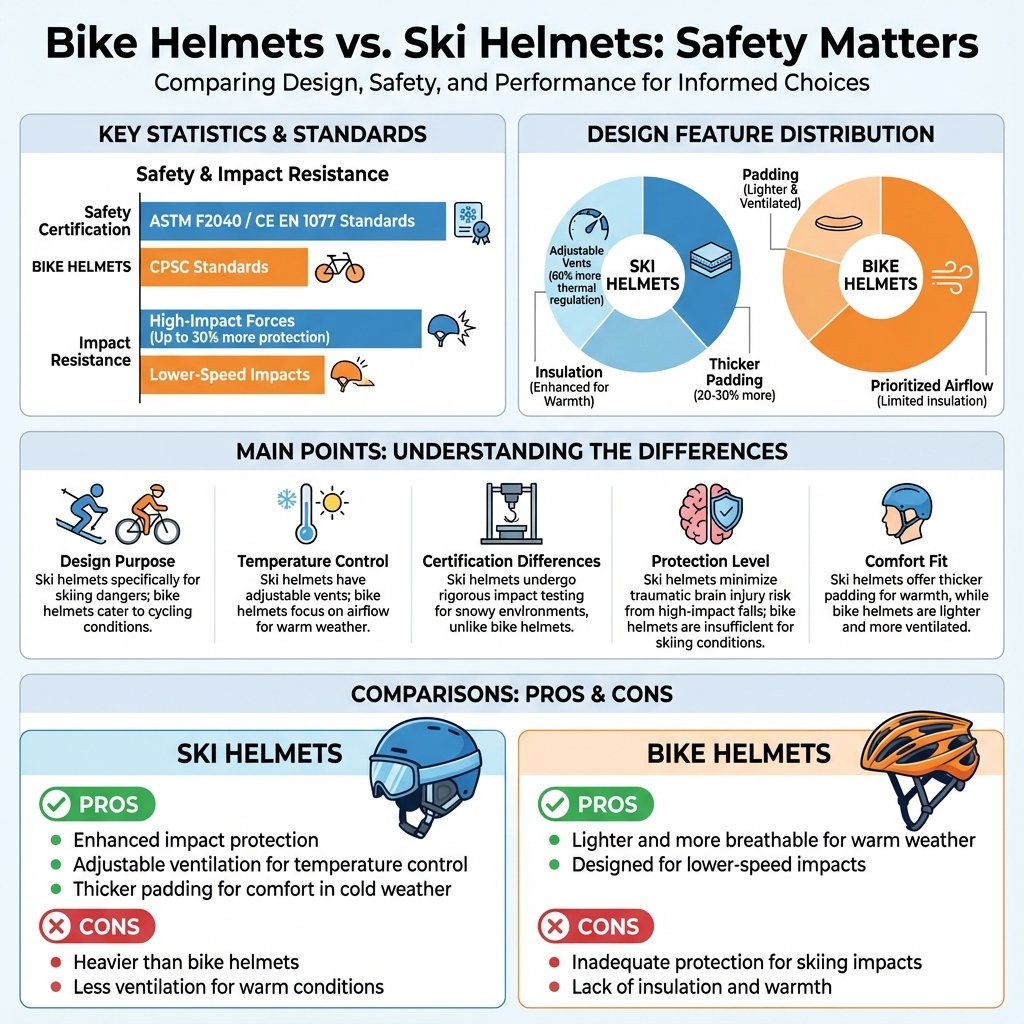
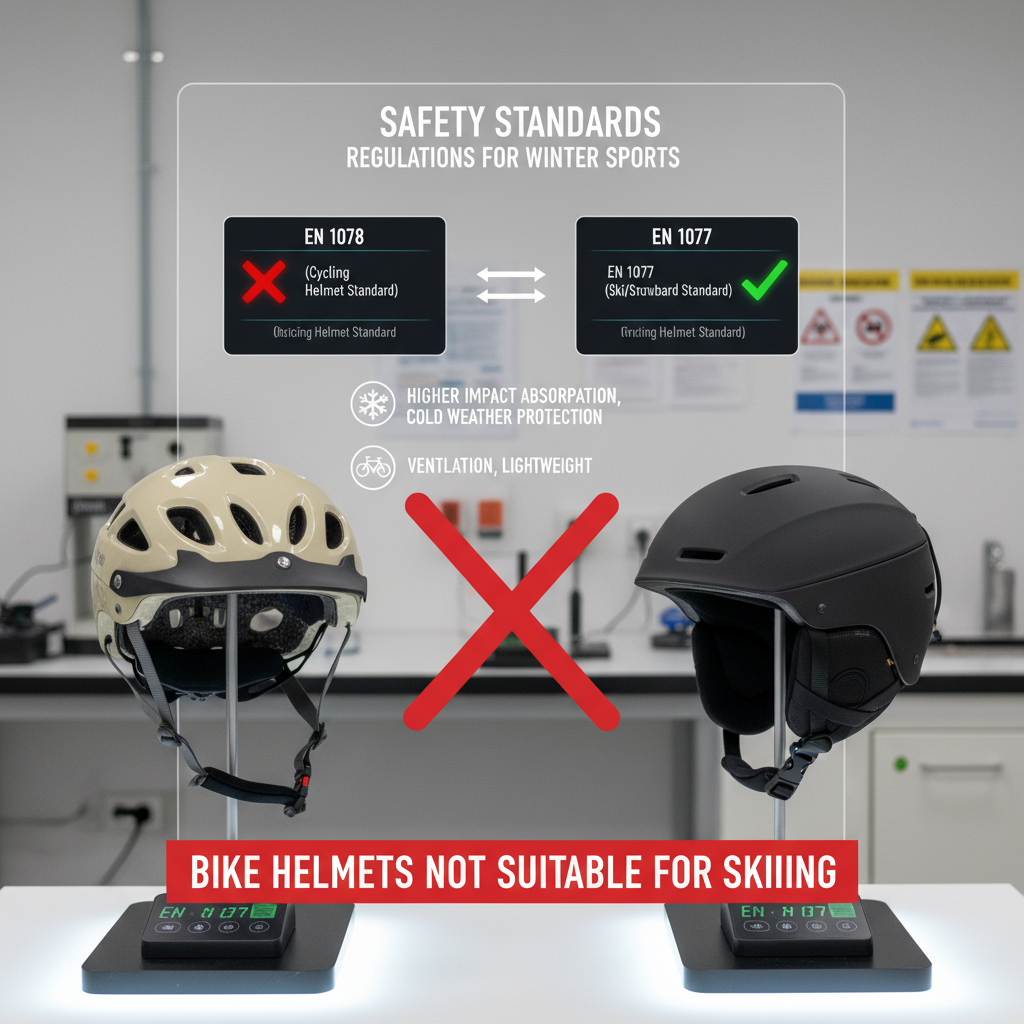
– Certification: Safety standards are a critical factor when selecting headgear for winter sports. Ski helmets must adhere to specific safety certifications, such as ASTM F2040 or CE EN 1077, which ensure they meet rigorous testing for impact resistance and durability in snowy environments. Conversely, bike helmets comply with different standards (like CPSC), which focus on lower-speed impacts, rendering them less reliable for skiing scenarios where greater forces may be encountered.
– Impact Protection: Ski helmets are designed to absorb high-impact forces typical of skiing accidents, such as falls from heights or collisions with obstacles. They are constructed to minimize the risk of traumatic brain injuries by dispersing the energy from an impact throughout the helmet. In contrast, bike helmets are engineered for lower-speed impacts, such as falls from a bicycle, and may not provide the same level of protection in high-speed or high-impact scenarios on the slopes.
Comfort and Fit
– Padding and Lining: Comfort is paramount for any helmet user, particularly during extended periods of use. Ski helmets typically feature thicker padding and a snug fit to provide warmth and comfort in cold conditions. This padding often includes moisture-wicking materials to keep the user dry. In contrast, bike helmets focus on lightweight materials and airflow, which can lead to discomfort and cold exposure while skiing.
– Goggle Compatibility: A crucial aspect of ski helmets is their design compatibility with ski goggles. Many ski helmets come with features like a goggle strap holder and a shape that accommodates goggles snugly. This design prevents snow or wind from entering, enhancing visibility and comfort on the slopes. Bike helmets, however, may lack these specific features, which can lead to an inadequate fit with ski goggles and a higher risk of snow intrusion.
Temperature and Weather Considerations
– Cold Weather Insulation: Ski helmets are tailored for winter sports, providing superior insulation against cold temperatures. This insulation is essential for maintaining body heat, as exposure to extreme cold can lead to hypothermia and other cold-related injuries. In contrast, bike helmets do not offer the same level of insulation, which can leave skiers vulnerable to the harsh winter elements.
– Moisture Management: Ski helmets often incorporate advanced materials that are designed to wick away sweat and manage moisture effectively. This feature is particularly beneficial during strenuous skiing sessions, where physical exertion can lead to sweat accumulation. Maintaining dryness not only enhances comfort but also helps to regulate body temperature. Bike helmets generally prioritize ventilation over moisture management, which may not suffice in snowy conditions.
Alternatives and Recommendations
– What to Do If You Must Use a Bike Helmet: In situations where a bike helmet is your only option, it is crucial to ensure that it fits snugly and is in good condition. Check for any signs of damage or wear, as these can compromise the helmet’s protective capabilities. While it may provide some level of head protection, be aware that it is not designed for skiing and lacks the specialized features of a ski helmet.
– Investing in the Right Gear: For those who frequently ski or participate in winter sports, investing in a proper ski helmet is vital for ensuring safety on the slopes. Ski helmets are widely available for purchase or rental at ski resorts, making it accessible for both occasional and regular skiers. Prioritizing a ski helmet over a bike helmet is essential for optimal safety and performance, so consider budgeting for this crucial piece of gear.
Conclusion
While you can technically use a bike helmet for skiing, it’s not advisable due to critical differences in design, safety features, and intended use. Ski helmets are specifically designed to provide enhanced protection against the unique risks associated with skiing, ensuring that you can enjoy your time on the slopes with peace of mind. For the best protection and performance, invest in a ski helmet tailored for winter sports. Stay safe and enjoy your skiing adventures!
References
- https://www.cpsc.gov/safety-education/safety-guides/bicycles/bicycle-helmets
- https://www.nsc.org/home-safety/safety-topics/helmet-safety
- https://www.helmets.org/
- https://www.ncbi.nlm.nih.gov/pmc/articles/PMC6376223/
- https://www.sciencedirect.com/science/article/abs/pii/S0022459619303739
- https://www.verywellfit.com/what-to-know-about-ski-helmets-5182992
- https://www.bicycling.com/health-nutrition/a20048072/should-you-wear-a-bicycle-helmet-skiing/
- https://www.skiingmag.com/best-ski-helmets
- https://www.washingtonpost.com/lifestyle/wellness/should-you-wear-a-bicycle-helmet-while-skiing/2020/01/31/3c1e4a06-40a1-11ea-bdb5-2dfbdee6c7e1_story.html