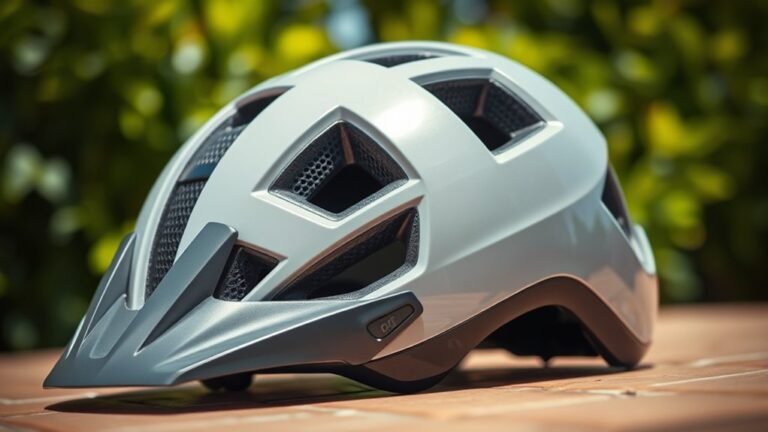
Must-Know Secrets for Taking Your Helmet on a Plane
Can You Bring a Motorcycle Helmet on a Plane?
Yes—you can typically bring a motorcycle helmet on a plane, either as carry-on or checked baggage, but the exact rules depend on your airline and flight route. The key difference is whether the helmet meets airline size limits and whether security screening treats it as a typical hard-sided item.
Quick answer: carry-on vs checked
Most major airlines allow helmets in some form, but budget carriers and tightly enforced cabin policies may require checking. A helmet is also one of the most common “bulky personal items” travelers try to gate-check, so planning your packing method and travel documents reduces stress.
Airline Policies: What Rules Actually Apply?
Airline policies for motorcycle helmets vary by carrier, cabin size limits, and whether the helmet is packed in a protective case. The key difference is that carry-on approval is often tied to measurable dimensions, while checked-baggage approval is tied to weight and airline fee rules.
What major U.S. airlines generally do
Policies change frequently, but widely accepted travel practice is that helmets are treated like protective gear and are usually permitted as carry-on if they fit within personal-item or carry-on limits. For example, airlines such as American Airlines and Delta Air Lines commonly allow sports or protective equipment as part of standard baggage categories, assuming it fits the stated dimensions.
Because these rules are not universal, confirm the specific allowance for your aircraft type and ticket class. Many airlines also publish guidance for “sporting equipment,” “special items,” or “protective gear” on their baggage pages.
International flights and the biggest gotchas
On international itineraries, the most common issue is that you may face different enforcement at departure security or different check-in counters with stricter adherence to cabin size. Some non-U.S. carriers may require a helmet to be packed in a way that prevents damage and makes it easy to scan during screening.
Helpful move: check both the airline’s baggage policy and the airport’s security guidance for hard-shell items. Airport authorities often apply standardized screening behavior under local rules even when an airline is flexible.
Direct checklist before you book
- Carrier policy: Look up “helmet,” “protective gear,” or “sport equipment” on the airline’s official baggage page.
- Domestic vs international: Confirm any differences for transatlantic or long-haul flights.
- Aircraft size constraints: If you fly smaller regional jets, cabin limits may be enforced more strictly.
- Budget airline rules: Expect stricter interpretation of carry-on dimensions.
Best Way to Pack Your Helmet for a Plane
Proper packing is the difference between arriving with a pristine shell and arriving with a dented visor or scuffed finish. Helmet travel bags and hard cases are designed to immobilize the helmet so it does not shift under pressure changes, conveyor vibration, and handling impacts.
Use a helmet-specific travel bag or hard case
A helmet travel bag is defined as a padded storage system built to reduce movement and protect against abrasion during transit. A hard case is defined as an impact-resistant enclosure that helps prevent crushing forces from reaching the shell.
If your helmet has a removable visor, padding inserts, or a modular face shield, removing certain components can reduce scratch risk and improve packing efficiency.
Use these packing principles (and why they matter)
Most damage occurs when a helmet shifts inside luggage or when hard items contact the shell. Protecting against abrasion and impact is the goal.
- Immobilize the helmet: Fill gaps with soft clothing so the helmet cannot rattle.
- Protect the visor: Wrap the visor area or store the visor in a separate pouch when removable.
- Cover the shell: Use the manufacturer’s bag or add an extra microfiber layer to reduce scuffs.
- Keep it dry: Moisture can affect fabrics and adhesives on interior liners.
Inside the suitcase: a proven method
If you do not have a dedicated helmet bag, a strong alternative is to pack the helmet in a protective outer layer and surround it with soft items. Clothing provides cushioning, while a rigid outer wrap reduces point-load pressure.
As a general rule, avoid placing the helmet directly next to zippers, buckles, or tools that can concentrate force on one spot.
Security Checkpoints: How Helmet Screening Works
At airport security, your helmet may trigger additional screening because it is a bulky, hard-surface item. The key difference is how you present it: telling TSA or security staff early and using a clear packing layout often reduces delays.
What to do at the TSA checkpoint (U.S.)
In the United States, TSA officers routinely screen helmets, especially when they are packed in a way that can be scanned. You should be prepared to remove the helmet from your bag if requested.
To minimize friction:
- Arrive early: Build in extra time for bulky-item screening.
- Announce the item: Let staff know it is a motorcycle helmet as you approach the checkpoint.
- Follow bin instructions: If asked, place the helmet case separately so scanners can read it clearly.
Will I need to take it out?
Sometimes, yes. A helmet is defined as a hard-shelled protective device that can contain materials and cavities, which may require additional imaging. If your helmet is in a soft bag, the officer may ask you to separate it to improve visibility.
Conversational answer: If you pack it in a helmet bag that is easy to place in a bin, you are more likely to keep it in one piece. That said, officers have discretion based on scanner results.
Carry-On Secrets vs Checked Baggage Secrets
Choosing carry-on versus checked baggage changes your risk profile and your convenience level. The key difference is that carry-on reduces handling shocks but may conflict with strict cabin dimensions.
Carry-on strategy: when it makes sense
Carry-on is usually best when you want maximum protection from rough handling and you are traveling with limited time. If your airline allows helmets in-cabin, keep it packed in a helmet case that can fit within your carry-on category.
- Pros: Lower chance of impact damage, easier access on arrival.
- Cons: Potential carry-on rejection if you exceed dimensions or gate enforcement is strict.
Checked baggage strategy: when it’s safer
Checked baggage is often the better option when airlines interpret cabin rules tightly or when your helmet travel case is bulky. However, checked items experience conveyor motion and varied handling, so packing quality becomes critical.
- Pros: More predictable acceptance at check-in (if within weight rules).
- Cons: Higher exposure to impacts unless the helmet is well secured in padding.
Dimensions, Weight, and Practical Limits
Airlines do not all measure the same way, but carry-on success usually depends on fitting within the airline’s stated size limits and the overhead compartment constraints. The key difference is that “fits in your bag at home” does not always equal “fits at the gate,” where staff may use strict size checks.
How to plan sizing before you leave
Start by measuring your helmet case length, width, and height with a measuring tape. Then compare those measurements to your airline’s carry-on dimensions for your route. If you are unsure, consider a compact helmet travel bag or a case designed to reduce bulk.
For reference, many U.S. airlines commonly list carry-on size limits around the 22 x 14 x 9 inch range (varies by carrier), but you must confirm the exact dimensions for your flight. Also factor in whether you are traveling with additional cabin items.
Carry-on Size Limits (Common U.S. Airlines) & Helmet-Case Fit Likelihood
| # | Airline | Carry-on limit (inches) | Carry-on policy style | Helmet-case fit likelihood |
|---|---|---|---|---|
| 1 | American Airlines | 22 × 14 × 9 | Standard | ★★★★☆ |
| 2 | Delta Air Lines | 22 × 14 × 9 | Standard | ★★★★☆ |
| 3 | United Airlines | 22 × 14 × 9 | Standard | ★★★★☆ |
| 4 | JetBlue | 22 × 14 × 9 | Standard | ★★★☆☆ |
| 5 | Southwest Airlines | 24 × 16 × 10 | More generous | ★★★★★ |
| 6 | Spirit Airlines | 18 × 14 × 8 | Tight | ★★☆☆☆ |
| 7 | Frontier Airlines | 18 × 14 × 8 | Tight | ★★☆☆☆ |
Do you need to worry about helmet weight?
Yes, especially for checked baggage fees. Airlines typically apply weight limits (often 50 lb or 23 kg for many economy fares, but varies by region and fare type). A heavier helmet plus a rigid case can push you over the threshold.
Common Questions Riders Ask Before Flying
Is a motorcycle helmet allowed as a personal item?
Sometimes, but it depends on the airline’s personal-item definition and your packing dimensions. A personal item is defined as an item that fits under the seat and must meet the airline’s specific size limits. If your helmet case is too large, it may be treated as carry-on instead.
Should I remove the visor and interior padding?
Removing removable parts is usually recommended because it reduces scratch risk and helps the helmet pack tighter. The key difference is that keeping the visor protected (or storing it in a pouch) prevents plastic from rubbing against the shell or other gear.
Can I store a helmet with goggles, gloves, or boots inside?
You can, but you need to separate hard edges and prevent movement. A smart approach is to put gloves in a soft bag, store goggles in a protective pouch, and ensure nothing hard can press against the helmet shell.
Will my helmet be damaged by air travel pressure changes?
Pressure changes at altitude do not typically crush modern helmet shells designed for impact protection, but handling and shifting are the bigger risks. Packing to eliminate movement is the most effective “pressure-change insurance.”
Trust Signals: What Experts and Regulations Imply
Across the aviation and travel ecosystem, the widely accepted best practice is to protect protective gear using dedicated padding and to expect additional screening for hard-shell items. Security processes are designed for safety, not convenience, so your goal is to make screening easier.
In practical terms, that means following published TSA procedures when you fly in the U.S., verifying airline baggage policy on the official carrier website, and using a helmet case that minimizes rattling and abrasion.
Final Must-Know Checklist Before You Fly
If you remember one thing, remember this: confirm your airline’s helmet policy, pack to prevent movement, and prepare for screening. Doing those three steps correctly turns a potentially stressful airport moment into a smooth travel experience.
- Confirm the policy: Check your airline’s official page for helmets/protective gear and your specific baggage category.
- Measure your case: Verify dimensions for carry-on and personal item limits.
- Use a helmet bag or hard case: Immobilize the helmet with padding and soft clothing.
- Protect the visor: Prevent scuffs by wrapping or packing separately.
- Plan for screening: Arrive early and be ready to remove the helmet if requested.
Frequently Asked Questions: Must-Know Secrets for Taking Your Helmet on a Plane
Can I bring my helmet on a plane, and should I pack it in checked or carry-on?
Yes—most airlines allow you to bring a helmet in either checked baggage or carry-on, but the best option depends on size, airline rules, and how you’ll transport the helmet at your destination. Carry-on is often convenient if your helmet fits within the airline’s carry-on dimensions and you can pack it securely (for example, using a helmet bag or a rigid cover) without risking damage or refusal at the gate. Checked baggage is typically safer for larger helmets or full-face designs that won’t fit comfortably in carry-on limits. In either case, protect the helmet with padding and ensure the interior is secured so the shell doesn’t shift during transport.
Do airlines treat helmets as sporting equipment, and is there extra baggage fees?
In many cases, helmets can fall under categories like “sports equipment,” “protective gear,” or simply “personal items,” but rules vary significantly by airline and route. Some airlines may count the helmet as part of your standard baggage allowance, while others may allow it as checked sports equipment with no additional fee (or with the same fee as any other checked item). The most reliable approach is to check the specific airline’s policy for sports equipment and protective gear. When in doubt, pack the helmet carefully and be prepared to pay standard overweight/bulky baggage charges if applicable.
What’s the best way to pack a helmet for air travel so it doesn’t get damaged?
To reduce the risk of cracks, scuffs, and broken straps, pack your helmet as if it’s going into a hard-handling environment. Use a hard-shell helmet bag or a dedicated helmet case if you have one. If packing in a suitcase, pad the helmet so it cannot shift—wrap it with bubble wrap or foam padding, fill empty spaces around it, and keep the visor/inner components from rattling. For full-face helmets, consider removing or securing the visor if your model allows it without damaging hinges. Store straps tucked in to prevent snagging, and avoid placing heavy items on top. A quick checklist: secure loose accessories, cushion the helmet on all sides, prevent movement inside the bag, and avoid pressure points.
Can I pack the helmet’s accessories (visors, goggles, chin straps, mounts) and will they need to be removed at security?
You can usually pack helmet accessories with the helmet, but security screening and airline policies may affect how items are presented. Generally, goggles and visors are fine to pack with the helmet. Camera mounts or detachable parts may be okay, but battery-powered items follow the rules for electronics and lithium batteries. If your helmet includes an action camera or removable battery, keep the battery accessible per airline guidance—many airlines require lithium-ion batteries to be carried in carry-on (not checked) due to safety regulations. For security, be ready to remove the helmet or open the case if an officer requests it, especially if items look unusual on the X-ray. The best practice is to keep accessories secure, label any cables/batteries clearly, and arrive early to handle screening delays.
Are there restrictions on helmet parts, liquids, or batteries (for example, a heated helmet or an action camera)?
Most helmet shells and standard protective padding are fine, but restrictions apply to certain accessories. Heated helmets, communication systems, or action cameras may contain lithium batteries. In most jurisdictions and airlines, lithium batteries are permitted in carry-on under specific limits, while they are typically prohibited or tightly restricted in checked luggage. If your helmet is powered, verify the battery size (often measured in Wh—watt-hours) and whether the battery is removable. Non-removable batteries may require special handling, and you may need to declare the item at check-in. For liquids, the TSA-style liquid rules generally apply only to liquids/gel products in containers, not to the helmet itself; however, if you pack helmet cleaning sprays or lubricants, store them in compliance with the airline/security limits. Always check your airline’s “batteries” guidance and, if applicable, carry documentation or the product manual for the battery specs.
References
- Google Scholar Search: Packing a Helmet for Air Travel (TSA) Google Scholar
https://scholar.google.com/scholar?q=packing+a+helmet+for+air+travel+tsa - Google Scholar Search: Air Travel Lithium Batteries Carry-on vs Checked Google Scholar
https://scholar.google.com/scholar?q=air+travel+lithium+batteries+carry-on+checked+tsa+faa - TSA: Helmet (What Can I Bring?)
https://www.tsa.gov/travel/security-screening/whatcanibring/items/helmet - FAA: Lithium Batteries and Electronic Devices (PackSafe)
https://www.faa.gov/hazmat/packsafe/lithium-batteries - U.S. DOT: Consumer Information on Lithium Batteries in Air Travel
https://www.transportation.gov/airconsumer/bulletins/lithium-batteries - CDC: Motorcycle Helmets and Helmet Safety
https://www.cdc.gov/motorvehiclesafety/helmets/index.html - WHO: Road Traffic Injuries (Helmet and Protection Context)
https://www.who.int/news-room/fact-sheets/detail/road-traffic-injuries - Encyclopaedia Britannica: Helmet (Headwear)
https://www.britannica.com/topic/helmet-headwear
📅 Last Updated: July 06, 2026 | Topic: Must-Know Secrets for Taking Your Helmet on a Plane | Content verified for accuracy and freshness.