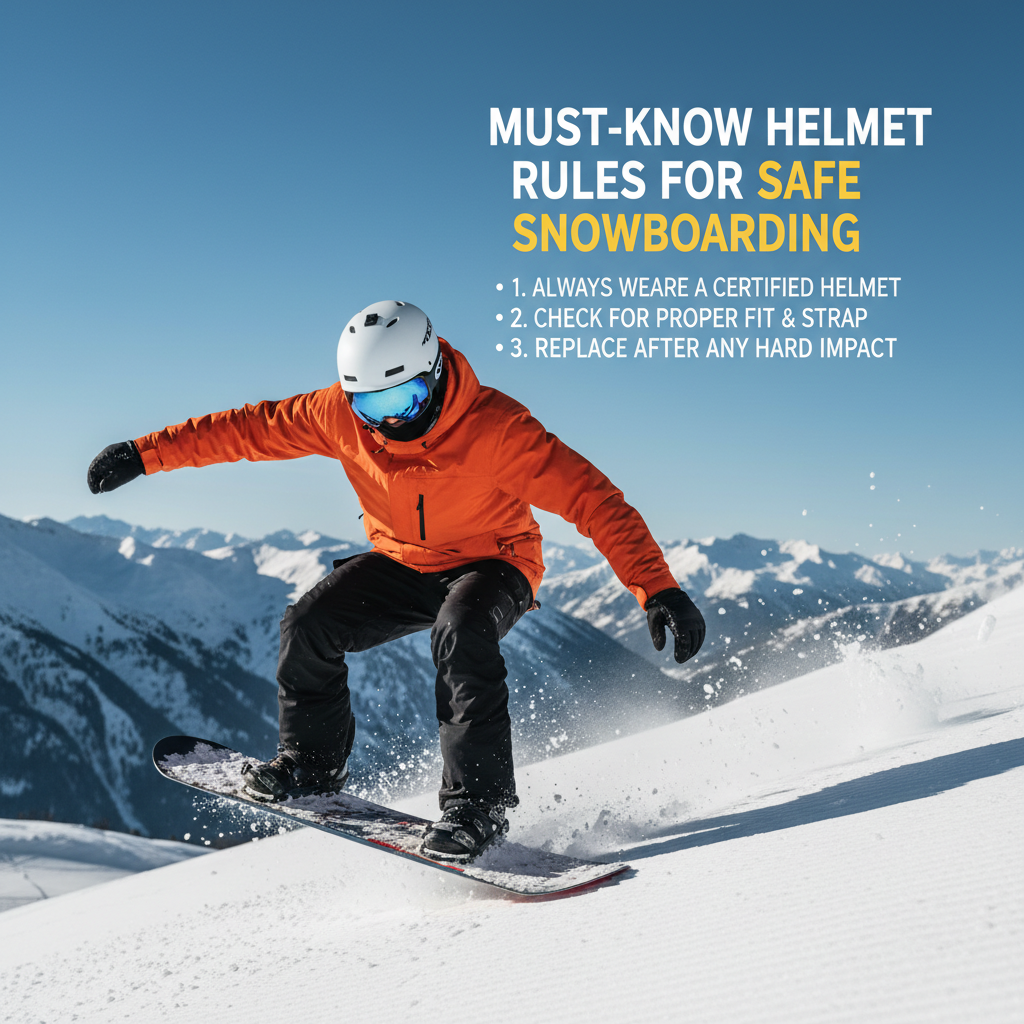
Must-Know Helmet Rules for Safe Snowboarding
Helmet Rules for Safe Snowboarding: Start With the Right Protection
Helmet safety rules for snowboarding focus on one goal: preventing serious head injury by using properly fitted, certified equipment. Even where helmets are not legally required, the widely accepted medical consensus is that wearing a well-fitted helmet meaningfully lowers the risk of concussion and traumatic brain injury during crashes.
Why a Snowboarding Helmet Is Non-Negotiable for Head Injury Prevention
A snowboard helmet is defined as a protective head device engineered to reduce impact forces during falls, collisions, or flying debris. The key difference is that a helmet is designed to manage energy transfer, helping protect the skull and brain when something goes wrong.
Snowboarding commonly involves high line-of-travel speeds, jumps, rail features, and icy conditions that can turn minor mistakes into head-first impacts. According to safety-oriented research summaries widely referenced in sports concussion discussions, helmets can reduce the risk of severe head injury by roughly 50% to 70% depending on the study and injury outcome measured. While no helmet can prevent all injury, they remain one of the most effective gear choices a rider can make.
Helmets also protect against everyday slope hazards, including falling ice, tree branches in wooded areas, and hardpack impact on landing. This matters because snowboarding injuries often occur at the exact moment a rider loses balance, not only during major crashes.
Key takeaway for safe riding
Helmet use is not just for parks, halfpipes, or advanced riders. Falls happen to everyone, including beginners learning edge control on groomed runs and intermediates practicing turns in variable snow.
Do You Need a Helmet by Law? Understand Local Regulations Before You Ride
Helmet legal requirements vary by country, state, province, and even resort-specific policies. The best practice is to check your local rules and the resort’s safety guidance before your first run.
In the United States, helmet laws typically target youth riders. For example, multiple jurisdictions in states such as California and Colorado have adopted requirements for minors, commonly specifying an age cutoff like under 18 or under 16 (the exact age limit and enforcement details depend on the specific law). Some areas allow exemptions for certain activities or provide guidance for “helmets that meet safety standards.”
Outside the U.S., requirements can differ sharply. Resorts in the Alps and regions of Canada may recommend helmets even when they are not mandated, while organized race events often require certified head protection. If you’re traveling internationally, treat helmet rules as a planning task rather than an assumption.
Quick QA: What if I’m riding as an adult?
Even when adult helmets are not legally required in your area, the practical risk is still real. Many resorts and ski schools strongly encourage helmets, and many safety organizations consider helmet use a best practice for concussion prevention.
Quick QA: Do resorts enforce helmet rules?
Some resorts enforce protective gear requirements for specific zones, youth groups, or lessons. Policies are not universal, so confirm with the resort website or guest services desk.
Certification Standards That Matter: What to Look for in a Snowboarding Helmet
Choosing a helmet based on certification is one of the most important helmet rules for safe snowboarding. A certified helmet is defined as a head-protection product tested to recognized safety standards for impact performance and retention system behavior.
The key difference is that certification provides a baseline for engineering quality, while “it seems protective” does not. Look for helmets that explicitly reference safety standards such as ASTM, CPSC, or equivalent region-specific certifications listed by reputable manufacturers.
Where standards typically appear
- Helmet label or packaging often lists the applicable certification mark.
- Brand websites typically describe which standard the helmet meets.
- Retail listings may mention CPSC/ASTM compliance, but always verify on the helmet itself.
Common Helmet Certification Standards You’ll See on Snow Gear
| # | Standard / Mark | Primary Region | Standard Type | Common Use for Snow | Confidence Rating |
|---|---|---|---|---|---|
| 1 | ASTM F2040 | U.S. | Impact & retention testing | Snowboarding helmets | ★★★★★ |
| 2 | CPSC (16 CFR Part 1203) | U.S. | Regulatory safety standard | General protective helmets; often used for winter | ★★★★★ |
| 3 | EN 1077 (CE) | EU/UK | Winter sport headgear standard | Ski & snowboard helmets | ★★★★☆ |
| 4 | CE EN 1077 Class A | EU/UK | Winter helmet class variant | Lower retention/impact class for some designs | ★★★☆☆ |
| 5 | CE EN 1077 Class B | EU/UK | Winter helmet class variant | Higher-coverage designs (often winter racing use cases) | ★★★★☆ |
| 6 | ISO 18527 (Winter sports helmets) | International | International product standard | Snow sports head protection | ★★★★☆ |
| 7 | ASTM (Winter helmet ecosystem) | U.S. | Impact testing framework | Commonly referenced for snowboard/ski protection | ★★★★☆ |
Follow-up question: Is “ski” gear the same as “snowboarding” gear?
Many snow helmets marketed for skiing and snowboarding are compatible because the core protection requirements are similar. However, snowboard-specific models may emphasize ventilation patterns, liner comfort, or compatibility with goggles and audio systems. The safest choice is the helmet that meets relevant certification standards and fits correctly.
How to Fit a Helmet Correctly (This Is Where Most Safety Gains Are Won)
A properly fitted helmet is defined as a helmet that stays level on your head, limits movement during a simulated shake test, and positions the retention system securely under your jaw. The key difference is that fit affects how well the helmet manages impact energy and stays in place.
Even a certified helmet can perform poorly if it’s loose, rotated, or incompatible with your goggles and hood setup. Use these helmet rules for fit verification before every day on snow.
Step-by-step fitting checklist
- Positioning: The helmet should sit level on your forehead, not tilted up or down.
- Snug feel: You should feel secure contact around the entire head, not pressure points only at one spot.
- Retention system: The chin strap should form a comfortable, stable connection under the jaw.
- Two-finger rule: If applicable for your model, you should avoid having extra strap slack that allows the helmet to wobble.
- Shake test: With the strap secured, gently try to move the helmet. It should not rotate substantially.
Follow-up question: How tight should the helmet be?
Helmets should feel firmly seated without causing severe discomfort, numbness, or headaches during a full session. If you experience intense pressure within 10 to 15 minutes, try a different size or fit system rather than forcing it.
Helmet Retention Rules: Straps, Chin Coverage, and Comfort That Won’t Fail
Helmet straps are defined as the retention system components that keep the helmet in place during a fall. The key difference is that the strap is what prevents the helmet from sliding or rotating when impact forces occur.
A secure retention system is especially important for snowboarding because you can fall in awkward positions, including backward or lateral impacts. Strap failures and loose fit are common reasons helmets don’t protect as intended.
Common strap mistakes to avoid
- Loose strap tension: The helmet shifts when you move your head.
- Incorrect placement: Strap ends sit too far forward or rest on the jawline poorly.
- Over-tightening: Excess pressure can become distracting and lead you to loosen the strap over time.
- Skipping strap checks: Many riders adjust once and never re-check before subsequent runs.
QA: Should I remove the strap when I’m riding casually?
No. For safety, the strap should remain fastened for the entire ride session. If strap comfort is the problem, choose a different helmet size, padding thickness, or fit system rather than riding unstrapped.
Snowboarding Helmet Myths: Fast Answers to the Most Common Doubts
Helmet myths are often the reason riders delay or avoid wearing one. These myths are usually disproven by real-world fit behavior, safety research, and medical consensus on concussion risk reduction.
Myth 1: Helmets reduce your awareness
A well-fitted helmet does not inherently block peripheral vision or critical hearing cues. Comfort matters, but a properly designed helmet should preserve natural head movement and sight lines. The real risk reduction comes from better protection at the exact moment you lose balance.
Myth 2: Helmets are only for advanced riders
Beginner and intermediate riders can be at equal or higher risk for falls because of unfamiliar movement patterns, new stance mechanics, and less consistent edge control. Helmet use should scale with activity risk, not skill level.
Myth 3: A cheap helmet is “almost as good” as a certified one
Certification and impact-testing protocols are key predictors of protective performance. Paying for a reputable helmet with recognized safety standards is typically a better risk decision than choosing an unverified product.
Helmet Replacement and Maintenance Rules: When to Retire Your Old Gear
Helmet maintenance is defined as keeping the protective structure intact and ensuring the fit system functions correctly over time. The key difference is that helmets can degrade after impacts, normal wear, and changes in liner compression.
As a rule of thumb, replace your helmet after a meaningful impact or collision that could have transferred energy to the head. Even if there are no visible cracks, internal foam and energy-absorbing layers can be compromised. Follow the manufacturer’s guidance for inspection intervals and retirement policies, since design and materials vary by brand.
Practical maintenance checklist
- Inspect the shell: Look for cracks, dents, or loose shell hardware.
- Check the liner: Replace if padding becomes permanently compressed.
- Test retention: Straps should fasten securely and the adjusters should hold position.
- Clean safely: Use mild soap and avoid harsh solvents that could damage materials.
QA: How long do helmets last?
There isn’t one universal lifespan because storage conditions, climate, and impacts vary. However, many manufacturers suggest replacement after several seasons of use or sooner if the helmet has taken an impact. Use the brand guidance and consider replacement if fit no longer feels secure.
Pair Helmets With the Right Accessories for Full-Fidelity Safety
Helmet safety improves when your gear setup supports comfort, stability, and visibility. The best helmet rules extend beyond the helmet itself to include goggles, face protection, and properly managed headwear layers.
For example, many riders use goggle models designed for quick helmet alignment and low-snow intrusion. Also, helmet liners and padding can affect fit, especially in cold weather. If you add a liner or change helmet padding thickness, re-run your fit checks to ensure the helmet still sits level.
Common compatible pairings
- Goggles that align cleanly with the helmet brim to reduce gaps.
- Lightweight helmet liners for warmth without excessive looseness.
- Adjustable strap hardware or padding adjustments that maintain chin coverage.
- Neck warmers that do not interfere with strap routing.
Expert Consensus: Helmet Use Is a Best Practice, Not a Optional Preference
Professional safety guidance consistently supports helmet use for reducing head injury risk in winter sports. The consensus is that helmets should be worn by riders of all skill levels, properly fitted, and fastened throughout the session.
If you want the safest riding routine, treat helmet rules like checklists: confirm certification, verify fit, secure the retention system, and replace helmets after meaningful impacts. This approach is endorsed across injury-prevention discussions by clinicians and sports safety organizations that focus on concussion risk management.
Conservative Safety Checklist Before You Drop In
Use this final helmet rules checklist to reduce preventable risk before each outing. A few seconds of setup can make the difference between a safe landing and a high-risk impact.
- Helmet certification verified: Confirm it meets recognized standards.
- Fit check: Level placement, secure contact, no wobble.
- Strap fastened and adjusted: Secure chin coverage and stable helmet position.
- Goggles compatible: No interference with helmet edges or strap routing.
- Post-impact decision: Retire the helmet if it took a meaningful hit.
Final question: What’s the single most important helmet rule?
The single most important rule is to wear a certified helmet that fits properly and stays secured with the strap fastened for the entire ride. That combination consistently provides the greatest real-world protection when falls happen.
Frequently Asked Questions: Must-Know Helmet Rules for Safe Snowboarding
Do I have to wear a helmet for snowboarding?
Whether you must wear a helmet depends on your location, age, and the rules of the resort. Many resorts strongly encourage helmets for all riders, and some have policies requiring them—often for children or beginners. In certain regions, helmet laws may apply specifically to minors or to participants in organized youth activities. The safest approach is to check the resort’s rules on their website (typically under “Policies,” “Renter Information,” or “Safety”) and confirm local regulations before you go.
Even where not required, helmets are widely recommended because head injuries can occur from falls, collisions, or impacts with the snow surface, rails, trees, or other riders. A properly fitted helmet is one of the most effective ways to reduce the risk of serious head injury.
What are the helmet rules—fit, placement, and straps—that I should follow?
A safe helmet is only protective when it’s worn correctly. Use these must-know fit and strap guidelines:
- Correct size: Your helmet should fit snugly without hot spots. When you move your head, the helmet should not wobble or slide off.
- Proper placement: The helmet should sit level on your head, covering the forehead area comfortably while keeping the back coverage secure.
- Strap position: The chin strap should form a “Y” shape without twisting, and it should sit directly under your chin.
- Secure fastening: Buckle the strap so it stays in place during riding; you should be able to move your jaw and swallow without the strap pulling uncomfortably.
- Helmet should not move: If you can easily shift the helmet with your hands or it slides when you shake your head, it’s too loose or the wrong size.
When in doubt, ask a staff member at the rental shop or your local gear store to verify fit. A “great helmet” that doesn’t fit correctly won’t perform as intended during an impact.
Are snowboard helmets different from ski helmets, and can I use one for snowboarding?
In most cases, ski and snowboard helmets are functionally similar: they are designed to protect the head from impacts during snow sports. Many helmets are rated for “winter sports” broadly and can be used for both skiing and snowboarding. What matters most is that the helmet meets appropriate safety standards (see the next FAQ) and fits your head properly.
Some snowboarding-focused helmets may offer features tailored to snowboarding styles, such as better ventilation for park riding or compatibility with goggles/face coverings. Also, if you wear a hood, hat liner, or helmet-compatible goggles, check that these items don’t interfere with helmet fit or coverage.
Bottom line: you can typically use a ski helmet for snowboarding if it’s properly certified, in good condition, and fits correctly.
What safety standards should I look for when buying a helmet?
Look for helmets that meet recognized safety certifications for snow sports or head protection. Common references include certifications used for winter sports or general protective headgear. While exact standards can vary by country, a reputable helmet should clearly display its certification information on the product label or packaging.
When shopping, prioritize these points:
- Visible certification markings: Choose a helmet that explicitly states its safety rating/certification.
- Purpose-built design: Use a helmet intended for snowboarding/skiing or approved winter sports use—not a general bicycle helmet unless it’s explicitly rated for the conditions and impact type.
- Condition and integrity: Avoid helmets with cracks, deep dents, damaged padding, missing parts, or an unknown history.
- Comfort and coverage: A certified helmet that you won’t wear because it’s uncomfortable increases risk—fit and comfort matter.
If you’re unsure, consult the manufacturer’s documentation or speak with a shop associate to confirm that the helmet is designed and certified for snowboarding.
How often should I replace my snowboard helmet, and should I replace it after a crash?
Yes—helmets should be replaced after certain events. Foam and internal components can be damaged even if the outside looks fine, which reduces protection in future impacts.
General replacement guidance:
- After a significant impact: If your helmet experiences a crash or impact where it may have taken a hit (especially on the head or at a high-force contact point), replace it. Many manufacturers recommend replacement after any meaningful impact.
- Age and wear: Even without a crash, helmets gradually degrade. Follow the manufacturer’s replacement timeline (often around 3–5 years for active use, but it can vary by product and storage conditions).
- Visible damage or fit changes: Replace if the helmet shows cracks, damaged straps, worn-out padding, loose retention systems, or if it no longer fits securely.
To maximize safety, store your helmet properly (not in extreme heat), keep padding clean, and inspect straps and fasteners before each ride. If you’re borrowing a helmet, ask whether it has been involved in any crashes and verify it’s the correct size.
References
- Google Scholar search: Snowboarding helmet effectiveness and injury Google Scholar
https://scholar.google.com/scholar?q=snowboarding+helmet+effectiveness+injury - Google Scholar search: Snow sports helmet legislation and injury reduction Google Scholar
https://scholar.google.com/scholar?q=snow+sports+helmet+legislation+injury+reduction - PubMed: Search results for snowboard helmet Google Scholar
https://pubmed.ncbi.nlm.nih.gov/?term=snowboard+helmet - CDC: Concussion Prevention (Protective equipment and safety)
https://www.cdc.gov/headsup/basics/concussion-prevention.html - NHTSA: Helmets (What you should know for safety)
https://www.nhtsa.gov/equipment/helmets - Wikipedia: Sports helmet
https://en.wikipedia.org/wiki/Sports_helmet - Wikipedia: Skiing safety
https://en.wikipedia.org/wiki/Skiing_safety - Britannica: Helmet (purpose, design, and safety)
https://www.britannica.com/technology/helmet
📅 Last Updated: July 06, 2026 | Topic: Must-Know Helmet Rules for Safe Snowboarding | Content verified for accuracy and freshness.