The Essential Lifespan of Ski Helmets Revealed
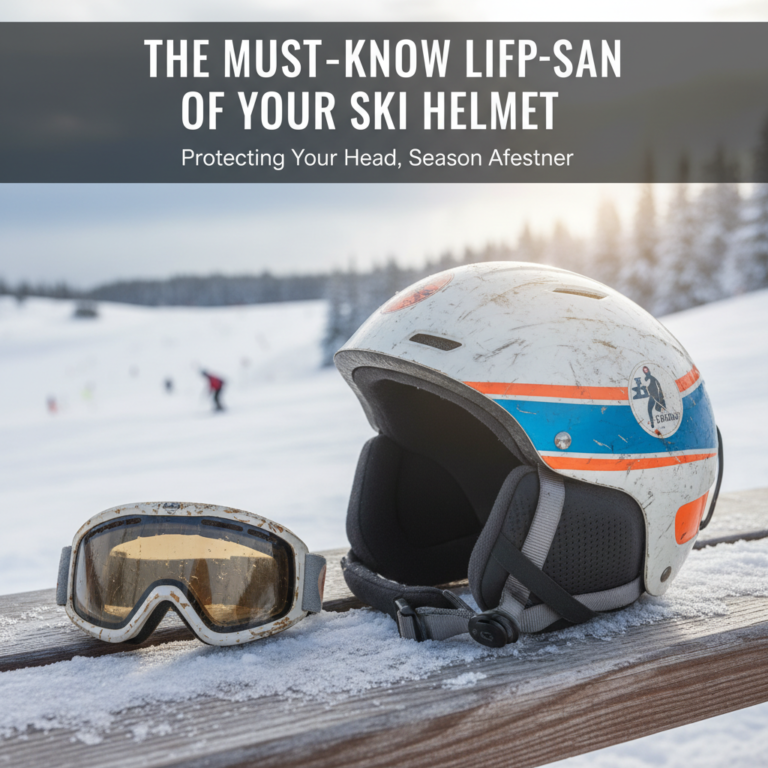
Ski helmets typically have a lifespan of 3 to 5 years, depending on usage and care. Understanding how long your ski helmet is good for is crucial for safety on the slopes. A well-maintained helmet can significantly reduce the risk of head injuries, making it essential to recognize its durability and when it may no longer offer adequate protection. In this article, we’ll explore the factors affecting helmet lifespan, the importance of regular inspections, and what to do when it’s time for a replacement.
Understanding Helmet Lifespan
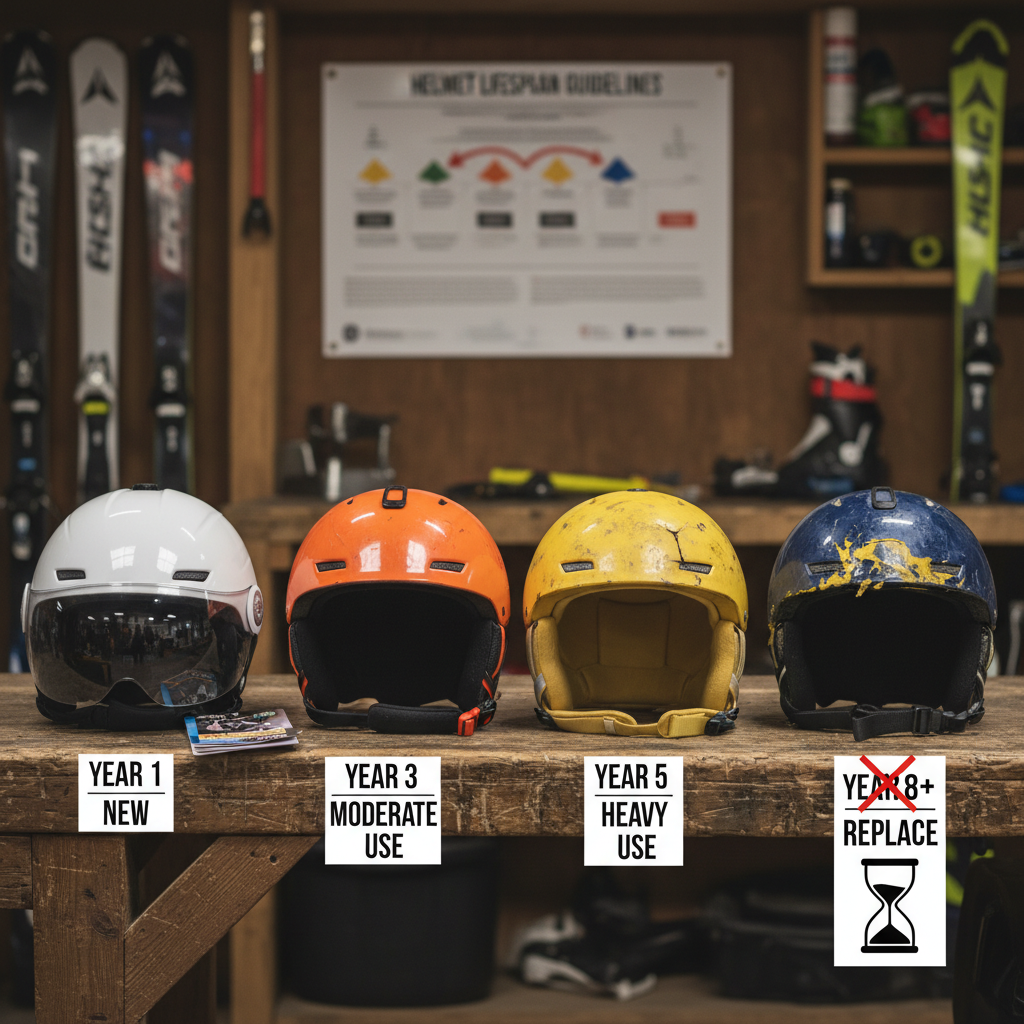
Most ski helmets are designed to last between 3-5 years, taking into account the materials used in their construction and the safety standards they are required to meet. Over time, the foam padding inside a helmet can compress, reducing its effectiveness in absorbing impact. Factors such as wear and tear from regular use, exposure to harsh weather conditions, and accidental impacts can significantly shorten this lifespan. For instance, a helmet that is frequently exposed to extreme temperatures, UV rays, or moisture may degrade faster than one stored in optimal conditions. Additionally, if a helmet has been involved in a significant impact, even if no visible damage is present, its protective capabilities may be compromised.
Signs It’s Time to Replace Your Helmet


Identifying when to replace your ski helmet is paramount for your safety. Visible signs of damage, such as cracks or dents, are clear indicators that your helmet has been compromised structurally. These imperfections can severely diminish the helmet’s protective function. Moreover, if you experience discomfort or looseness while wearing the helmet, it may no longer fit correctly. An ill-fitting helmet can shift during a fall, leaving parts of your head exposed to injury. Regularly assessing your helmet’s condition and fit is essential to ensure maximum safety while skiing.
Importance of Regular Inspections
Routine inspections of your ski helmet before each ski season are vital to maintaining safety. Start by checking the outer shell for any cracks or deformities and inspect the interior foam for compressions or tears. Ensure that the padding is intact and that the straps are functioning properly. Straps should fit snugly under the chin without being overly tight, as this ensures the helmet remains secure during skiing. Additionally, look for any signs of mildew or unpleasant odors, which may indicate moisture damage. Investing just a few minutes in this inspection can prevent potential accidents and injuries on the slopes.
How to Extend Your Helmet’s Lifespan
Taking proactive steps to extend the lifespan of your ski helmet can maximize its effectiveness. Store your helmet in a cool, dry place away from direct sunlight, as prolonged exposure to UV rays can weaken the materials. When not in use, avoid placing heavy objects on top of the helmet to prevent deformation. Regular cleaning is also essential; using mild soap and water can help remove sweat and grime that can degrade the helmet’s materials over time. Ensure you dry it thoroughly before storage. Furthermore, consider using a helmet bag to protect it from scratches and environmental factors when transporting it.
The Impact of Accidents on Helmet Safety
Even minor accidents can have a lasting impact on a helmet’s safety performance. Helmets are designed to absorb impacts through their foam structure, but once they have been subjected to a significant blow, their ability to protect your head in future falls may be compromised. It is advisable to replace your helmet immediately after any substantial impact, even if there are no visible signs of damage. Remember, the cost of a new helmet is minimal compared to the potential medical expenses associated with a head injury. Prioritizing safety over cost can make a significant difference in your skiing experience.
Choosing the Right Replacement Helmet
When it’s time to invest in a new helmet, consider several key factors to ensure you make a well-informed choice. Look for certifications such as ASTM, CE, or Snell, which indicate that the helmet meets specific safety standards. The fit is crucial; a well-fitting helmet should sit snugly on your head without any pressure points. Additionally, consider the helmet’s features, such as ventilation systems that enhance comfort during skiing, and audio compatibility for music or communication. Trying on several models and consulting with professionals at ski shops can provide valuable insights into which helmet best meets your needs.
Frequently Asked Questions about Ski Helmets
How can I tell if my helmet is still safe?
Check for any visible signs of damage, such as cracks or dents, and assess the fit and comfort. If it feels loose or uncomfortable, it may be time for a replacement.
What should I do if my helmet is damaged?
If your helmet shows any signs of damage or has been involved in an accident, it is recommended to replace it immediately to ensure your safety on the slopes.
In conclusion, taking proper care of your ski helmet and recognizing its lifespan are vital for your safety on the slopes. Regular inspections and timely replacements ensure you stay protected while enjoying your skiing adventures. Don’t procrastinate—check your helmet today and make sure you are equipped for a safe skiing experience.
References
- https://www.cpsc.gov/s3fs-public/Helmet%20Safety%20Fact%20Sheet.pdf
- https://www.nsaa.org/NSAA/News/NSAA_Safety_Resources/Helmet_Information.aspx
- https://www.helmets.org/faq.htm
- https://www.washingtonpost.com/lifestyle/ski-helmets-are-they-worth-it/2016/01/07/7f8c5f5a-b3e5-11e5-8abc-6141688e87f9_story.html
- https://www.ski.com/blog/how-long-do-ski-helmets-last/
- https://www.researchgate.net/publication/331704802_A_comparative_study_of_ski_helmet_performance_in_a_realistic_skiing_environment