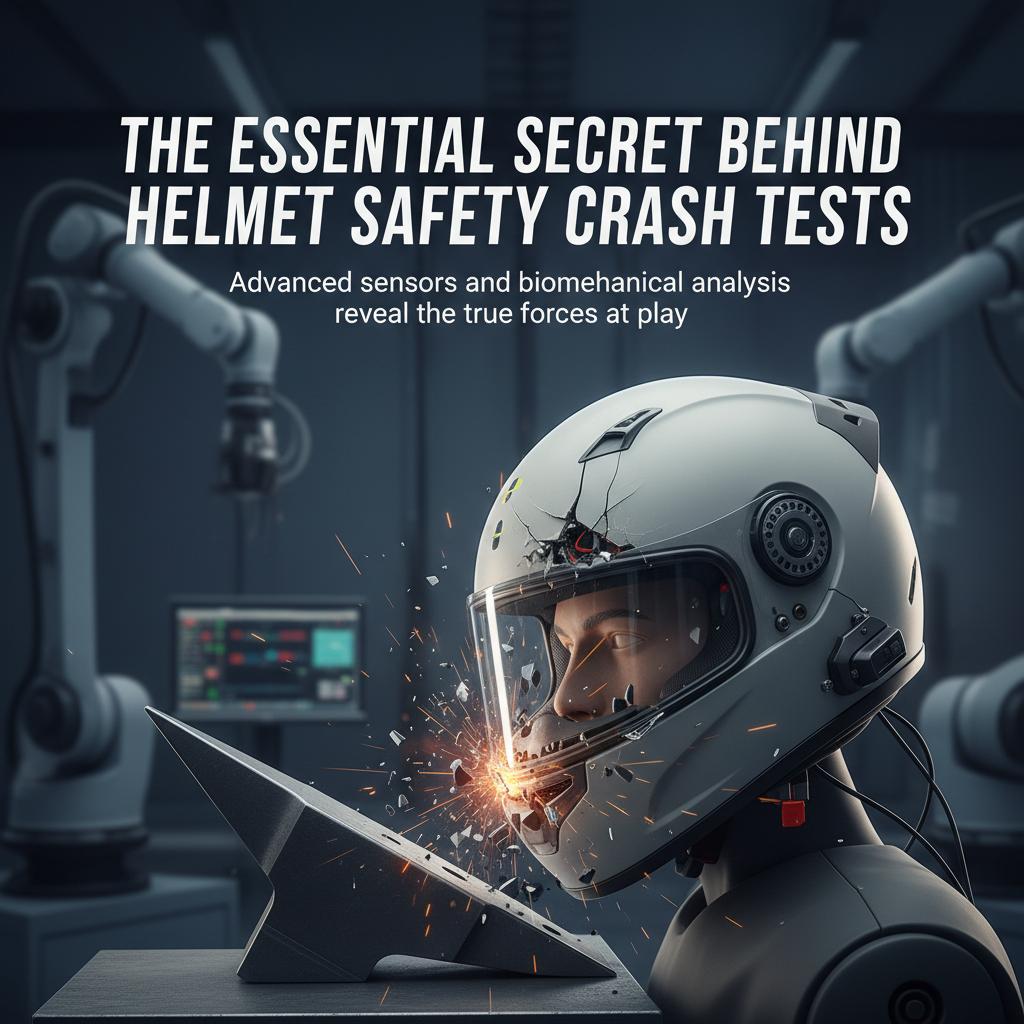
The Essential Secret Behind Helmet Safety Crash Tests
To ensure your helmet’s safety, rigorous crash tests are conducted to evaluate its ability to protect your head during impacts. These tests determine the effectiveness of the helmet design, materials, and construction, providing you with peace of mind when choosing the right protection. Understanding the complexities behind these tests is essential for anyone seeking to understand how helmets safeguard against injuries, whether in cycling, motorcycling, or other high-impact sports.
Understanding Crash Tests

Crash tests are meticulously structured evaluations that simulate real-world impact scenarios to assess the performance of helmets. These tests are critical because they provide objective data on how well a helmet can protect the wearer during a crash. Various standards and protocols, such as the Department of Transportation (DOT) in the United States, Snell Memorial Foundation, and the Economic Commission for Europe (ECE), dictate how these tests are conducted. Each organization has its specific methodologies for impact testing, which includes criteria for energy absorption, penetration resistance, and retention system effectiveness. For instance, the Snell test is known for its rigorous standards, requiring helmets to withstand higher impact forces than those specified by DOT, ensuring a higher level of safety.
The Science Behind Impact Resistance


The science of impact resistance in helmets is fundamentally about energy management. Helmets are designed with materials that absorb shock and significantly reduce force transmission to the skull. One of the most common materials used in helmet construction is expanded polystyrene (EPS) foam. This material is advantageous because it compresses upon impact, thereby dispersing energy away from the head. Research has shown that while no helmet can offer 100% protection, the right construction and materials can significantly reduce the severity of head injuries. Additionally, advancements in materials science are leading to the development of new composites and foams that enhance energy absorption while maintaining a lightweight structure, crucial for comfort and usability.
The Role of Helmet Design

Helmet design plays a crucial role in both safety and functionality. Aerodynamic shapes are not just for aesthetics; they minimize wind resistance, which is particularly important for cyclists and motorcyclists. However, these designs also influence how impacts are managed. For example, a streamlined helmet may better direct forces away from sensitive areas of the head. Moreover, visors and chin straps are integral components that undergo rigorous testing for stability and their effect on overall safety during crashes. The retention system, which includes the chin strap, must be designed to keep the helmet securely in place during an impact, reducing the risk of rotational forces, which are known to cause significant brain injuries.
Real-Life Testing Scenarios
To ensure comprehensive protection, helmets undergo a series of drop tests from various heights and angles that simulate potential accidents. These tests are designed to replicate the types of impacts that might occur in real-life scenarios, such as falls or collisions. Side, front, and rear impacts are evaluated to determine how well a helmet can protect against different types of forces. For example, the testing protocols for the ECE require helmets to withstand impacts from various angles, which is critical in ensuring that the helmet provides adequate protection regardless of how the wearer falls or is struck. Additionally, some manufacturers conduct real-world testing by collaborating with professional athletes who can provide insights into performance and comfort during actual use.
Innovations in Helmet Technology
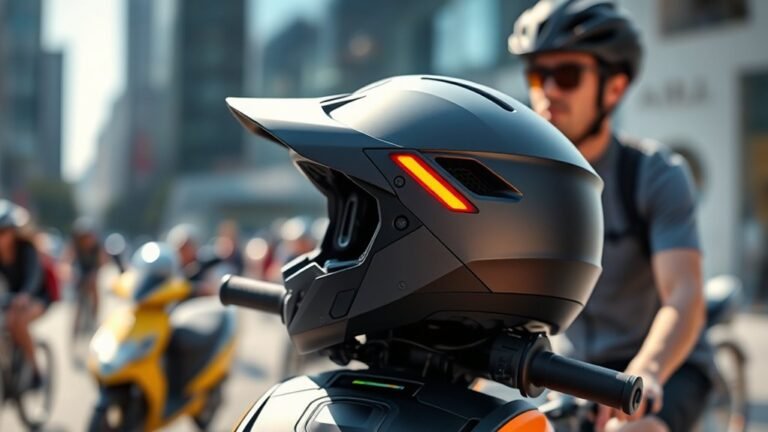
The field of helmet technology is continuously evolving, with new materials and designs enhancing safety features. One notable advancement is the integration of the Multi-directional Impact Protection System (MIPS), which is designed to reduce rotational forces during impacts. MIPS helmets have a low-friction layer that allows the outer shell to rotate independently from the inner foam layer, helping to manage rotational impacts that can lead to serious brain injuries. Furthermore, the emergence of smart helmets equipped with sensors is revolutionizing head protection. These smart helmets can collect data on impacts, providing valuable information that can be used to improve safety features and inform users of potential damage to the helmet after a collision. Such innovations represent a significant leap forward in helmet safety technology.
Choosing the Right Helmet
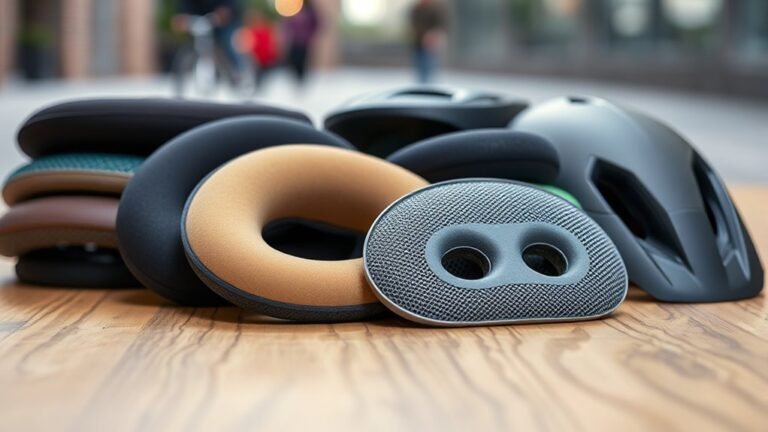
Selecting the right helmet is essential for ensuring maximum protection. A critical first step is to look for certifications that guarantee your helmet has passed the required safety tests. Familiarize yourself with the different standards available in your region; for example, DOT and Snell certifications indicate a high level of safety. Additionally, the fit and comfort of the helmet are paramount. A helmet that is too loose can shift during an impact, while one that is too tight can cause discomfort and may not be worn consistently. Consider helmets with adjustable features, removable liners, and adequate ventilation systems that cater to your activity’s demands. Features such as reflective materials or built-in lights can also enhance visibility, adding an extra layer of safety.
The Importance of Regular Helmet Maintenance
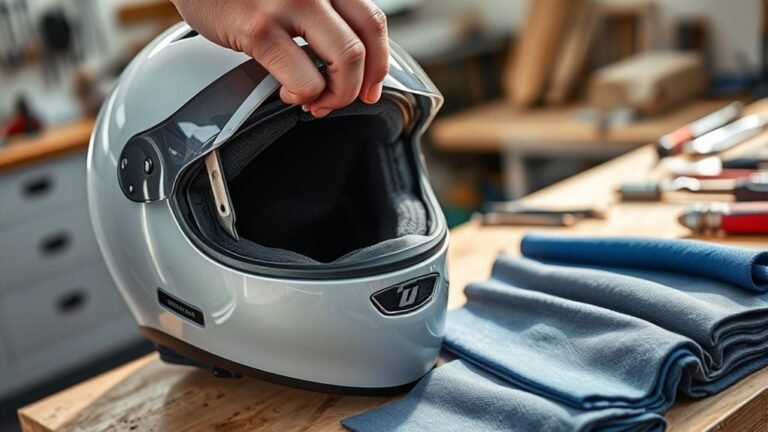
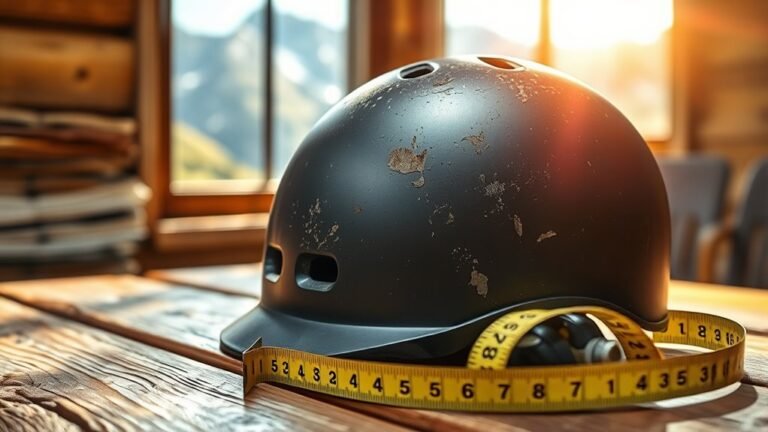
Even the safest helmet can become less effective over time if not properly maintained. It is crucial to inspect your helmet regularly for any signs of damage or wear, especially after a crash. Look for cracks, dents, or any structural changes that could compromise its integrity. Most manufacturers recommend replacing a helmet after a significant impact, as the materials may not provide adequate protection post-collision. Additionally, it is advisable to replace your helmet every few years, as foam materials can degrade over time due to environmental factors such as UV exposure and temperature fluctuations. Keeping your helmet clean and stored properly can also extend its lifespan, ensuring that it remains effective when you need it most.
Understanding how crash tests ensure your helmet’s safety is crucial for making informed decisions. By knowing what to look for and the technology behind helmet design, you can choose the best protection for your needs. Always prioritize safety and invest in a certified helmet to protect yourself effectively. Helmets are not just accessories; they are essential safety equipment that can make a significant difference in the event of an accident.
References
- https://www.cdc.gov/headsup/basics/helmet-safety.html
- https://www.nhtsa.gov/equipment/helmet-safety
- https://www.helmetcheck.org/
- https://www.ama-assn.org/delivering-care/public-health/importance-helmet-safety
- https://www.healthychildren.org/English/safety-prevention/on-the-go/Pages/Helmet-Safety.aspx
- https://www.ncbi.nlm.nih.gov/pmc/articles/PMC5053481/
- https://www.consumerreports.org/health/helmet-safety-tips-for-bicyclists/
- https://www.safekids.org/
- https://www.iihs.org/
- https://en.wikipedia.org/wiki/Helmet_safety