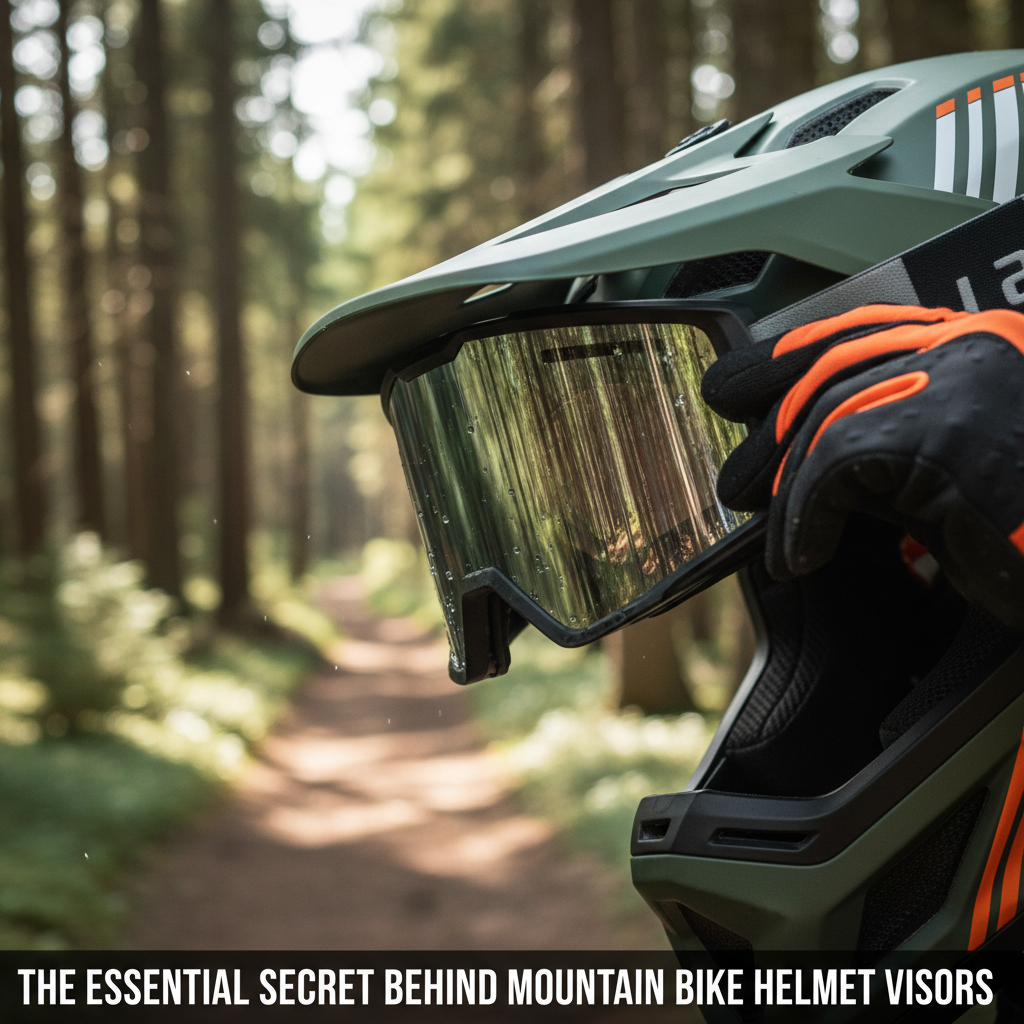
The Essential Secret Behind Mountain Bike Helmet Visors
Mountain bike helmet visors are crucial for enhancing rider safety and visibility by protecting against sun glare, debris, and branches. Beyond their primary function, visors offer multifaceted advantages that improve the overall riding experience. This article delves into the various benefits of visors, elucidating why they are an indispensable feature for every mountain biker.
The Primary Function of Visors
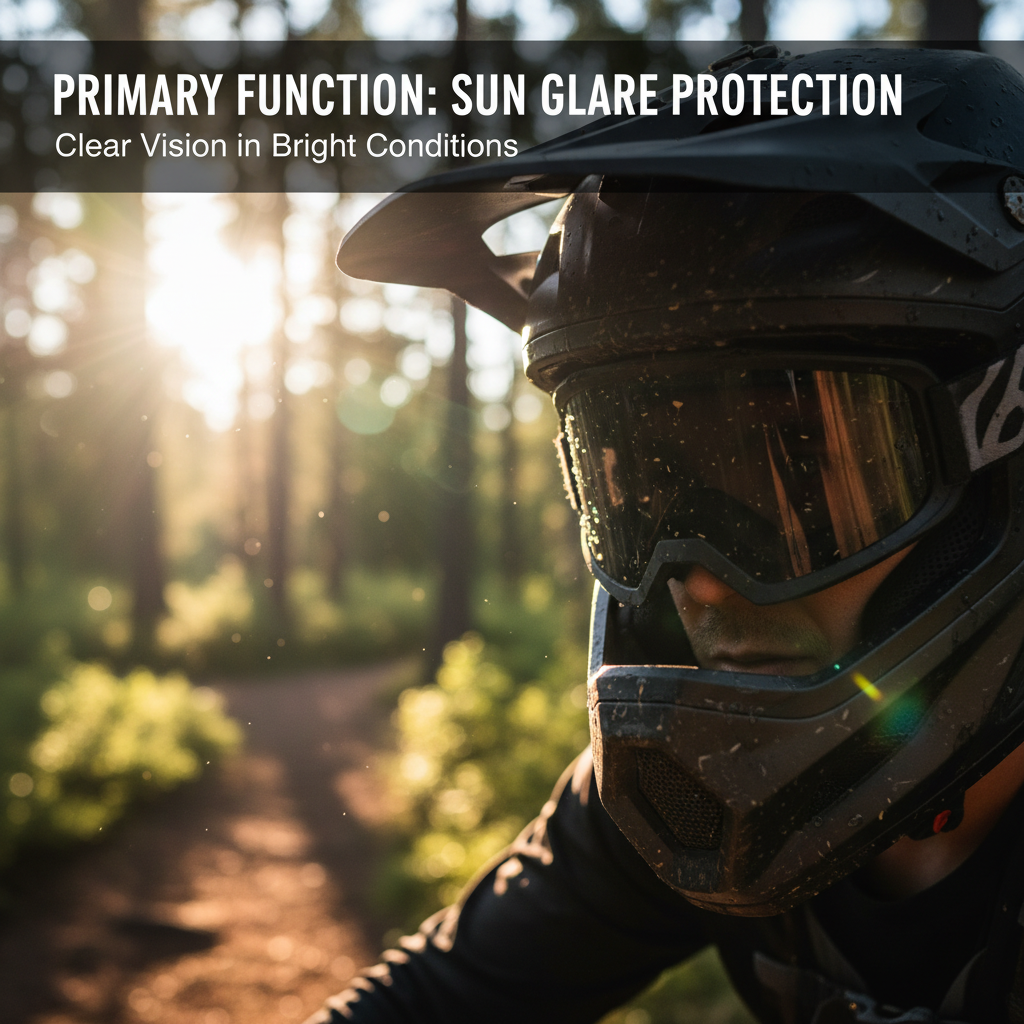
When it comes to mountain biking, the primary function of a visor is twofold: sun protection and debris shielding.
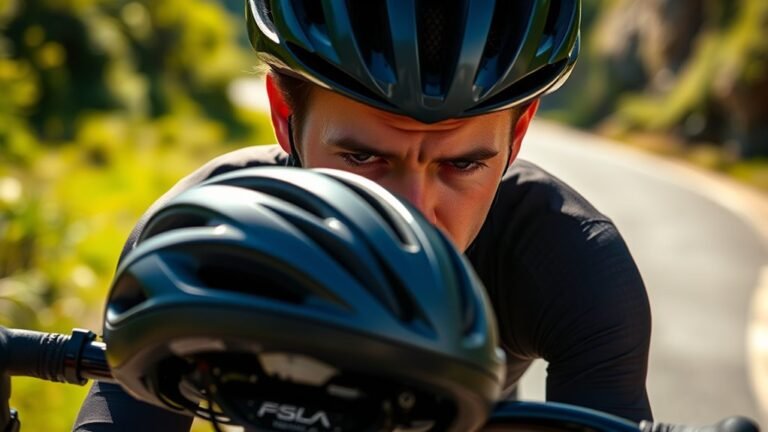
– Sun Protection: Mountain biking often takes place in bright, sunny conditions where the sun can create substantial glare. A visor extends outward from the helmet, effectively blocking direct sunlight from hitting the rider’s eyes. This protection helps maintain focus on the trail, allowing bikers to navigate obstacles and make quick decisions without squinting or straining their eyes. For instance, a well-designed visor can significantly enhance your ability to see changes in terrain, ensuring a safer ride.
– Debris Shield: Riding through wooded trails or dusty paths exposes bikers to flying debris, dirt, and small branches. Visors act as a barrier, preventing these elements from hitting the rider’s face and eyes. This is particularly important during high-speed descents or in rough terrain where visibility can be compromised. By keeping debris at bay, visors contribute to a more comfortable and safer riding experience.
Enhancing Visibility and Focus
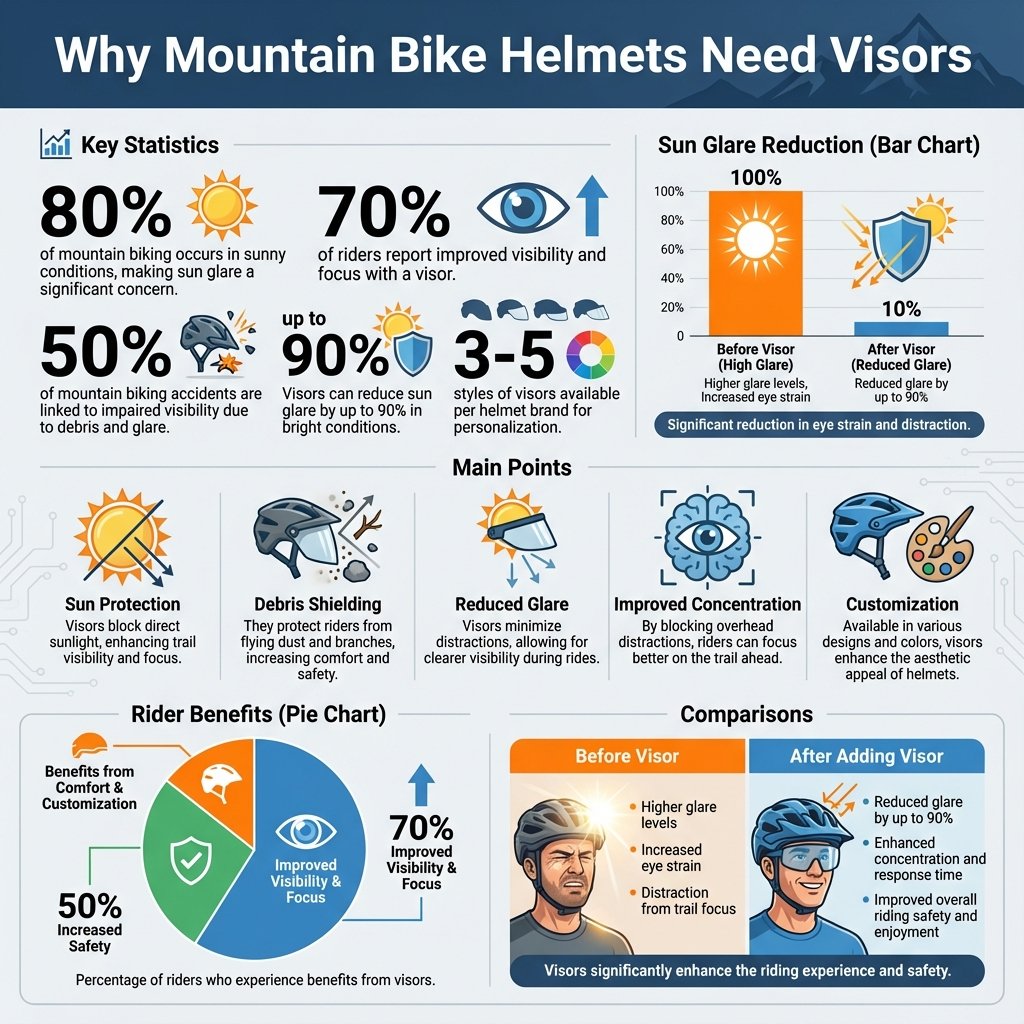
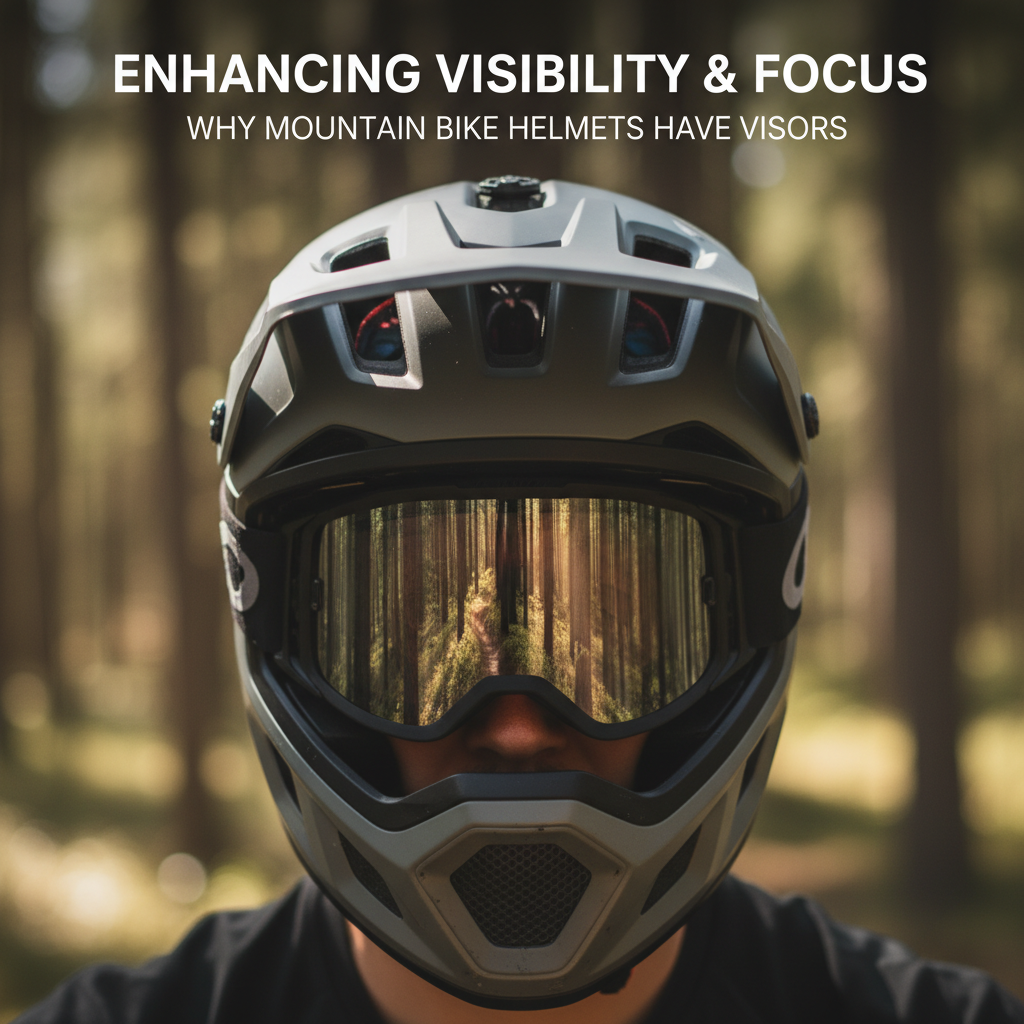
Visors play a critical role in enhancing visibility and focus, which are essential for mountain biking.
– Reduced Glare: One of the most significant advantages of helmet visors is their ability to minimize glare from the sun. On bright days, glare can be distracting and even blinding, making it difficult for riders to see the trail ahead. A visor helps to reduce this glare, allowing for clearer visibility. For example, during a downhill run, a rider can maintain a better line of sight, identifying obstacles or changes in the terrain more effectively.
– Improved Concentration: By blocking distractions from above, visors allow riders to concentrate fully on the path ahead. This focus is crucial when navigating technical trails or making split-second decisions. The mental clarity that comes with reduced distractions not only improves performance but also enhances safety, as bikers can respond more quickly to potential hazards.
Aesthetics and Style
Aside from their functional benefits, visors also contribute to the aesthetics and style of mountain bike helmets.
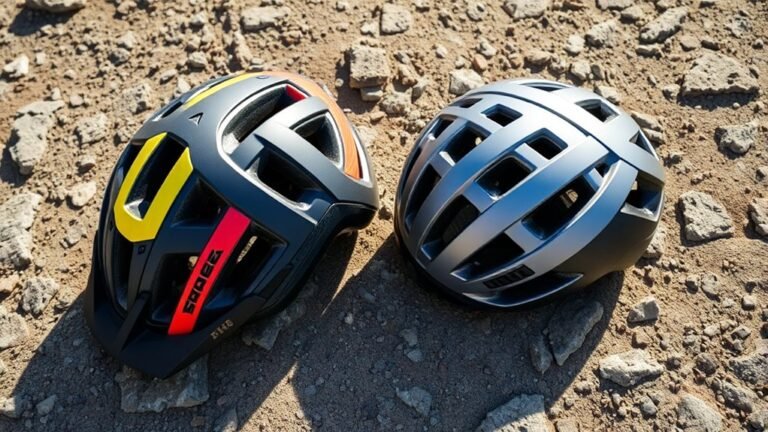
– Personalization: Visors are available in a variety of designs, colors, and materials, allowing riders to express their unique style. Whether you prefer a bold, vibrant look or a more subtle design, there’s a visor to match your personal flair. This element of customization can enhance the enjoyment of biking, as riders feel a stronger connection to their gear.
– Brand Representation: Many helmet manufacturers incorporate visors into their designs, which can enhance brand visibility on the trails. For instance, brands like Giro and Bell often feature distinctive visor styles on their helmets, allowing riders to showcase their preferred brands while enjoying the practical benefits that visors provide. This brand representation can foster a sense of community among bikers who share similar preferences.
Compatibility with Other Gear
Mountain bike helmets with visors are often designed to work in conjunction with other gear.
– Goggle Pairing: Many mountain bike helmets are compatible with goggles, and visors can help secure them in place. This combination is particularly useful in conditions where dust or mud is prevalent. Goggles provide additional eye protection, while visors ensure that they fit snugly, preventing any gaps where debris could enter. Riders can confidently tackle any trail knowing they have complete eye protection.
– Accessory Integration: Visors can also accommodate additional accessories, such as lights or action cameras, enhancing the functionality of the helmet. For night rides or low-light conditions, attaching a light to the visor can improve visibility. Similarly, mounting a camera allows riders to capture their adventures, providing a way to relive and share their experiences with others.
Safety Standards and Regulations
When considering a helmet with a visor, it is essential to be aware of safety standards and regulations.
– Impact Resistance: Helmets that feature visors often meet strict safety standards, such as those set by the Consumer Product Safety Commission (CPSC) or the European Committee for Standardization (CEN). These standards ensure that the helmet offers adequate protection during falls, which is paramount for mountain bikers who frequently encounter risky conditions. A visor that is part of a well-constructed helmet can help protect not just the eyes but also the entire facial area during an accident.
– Testing and Certifications: Understanding the certifications associated with mountain bike helmets can help riders make informed decisions when choosing a helmet with a visor. Look for labels that indicate compliance with safety standards, as these certifications signify that the helmet has undergone rigorous testing for impact resistance and overall safety. Riders should prioritize helmets that not only have a visor but also meet these safety benchmarks.
Maintenance and Care Tips
To ensure the longevity and effectiveness of your helmet visor, proper maintenance is essential.
– Cleaning: Regular cleaning of the visor is crucial to prevent scratches and maintain clarity. Use a gentle, non-abrasive cleaner and a microfiber cloth to wipe down the visor after rides, especially if you’ve encountered mud or dust. This routine care helps preserve visibility and ensures the visor functions optimally.
– Inspection: Periodically inspect the visor for any signs of wear and tear, such as cracks or loose attachments. Ensuring that the visor remains secure and in good condition is vital for safety. If you notice any damage, it’s advisable to replace the helmet or the visor to maintain the protective benefits.
In summary, mountain bike helmet visors are not merely aesthetic additions; they serve crucial safety and performance functions that significantly enhance the riding experience. They protect against sun glare and debris, improve visibility and focus, and offer compatibility with other gear. Additionally, understanding safety standards and proper maintenance can ensure that riders maximize the benefits of their helmets. As you gear up for your next ride, consider investing in a helmet with a visor to take full advantage of these numerous benefits. Happy riding!
References
- https://en.wikipedia.org/wiki/Helmet
- https://www.ncbi.nlm.nih.gov/pmc/articles/PMC6740749/
- https://www.cpsc.gov/safety-education/safety-guides/bicycles/helmets
- https://www.pedbikeinfo.org/data/factsheets/helmets.pdf
- https://www.helmets.org/
- https://www.bhsi.org/helmet.htm
- https://www.nhtsa.gov/road-safety/bicycle-safety
- https://www.bicycling.com/skills-tips/a20050899/what-you-need-to-know-about-helmet-visors/