The Must-Know Facts About Arizona’s Helmet Law
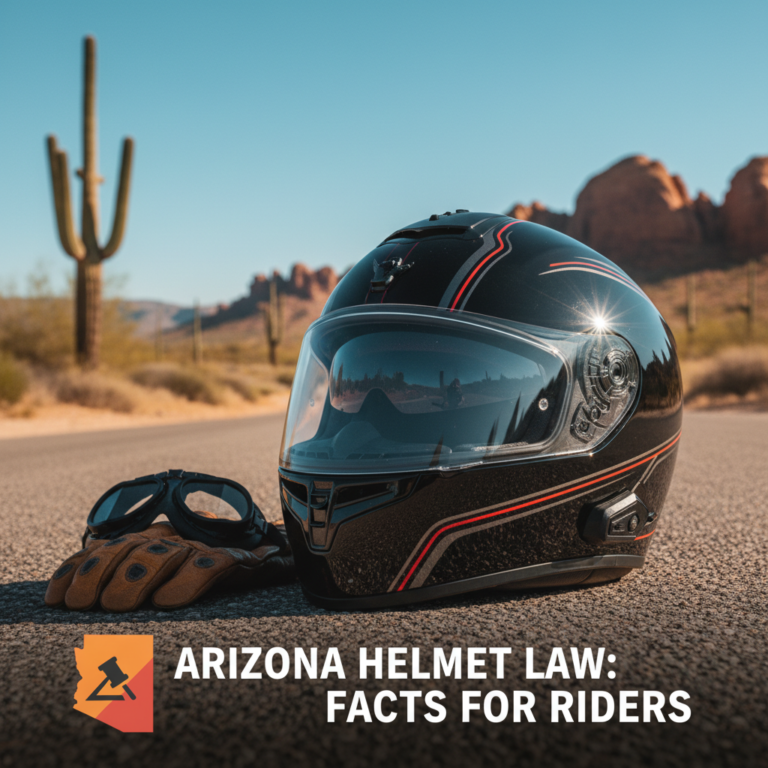
Arizona does not have a universal helmet law for motorcyclists, allowing riders aged 18 and older the freedom to choose whether or not to wear a helmet. While this law grants autonomy to adult riders, it comes with significant considerations regarding safety and risk. This article delves into the intricacies of Arizona’s helmet laws, the implications for both riders and passengers, and the importance of helmet use in ensuring safer riding experiences.
Understanding Arizona’s Helmet Law
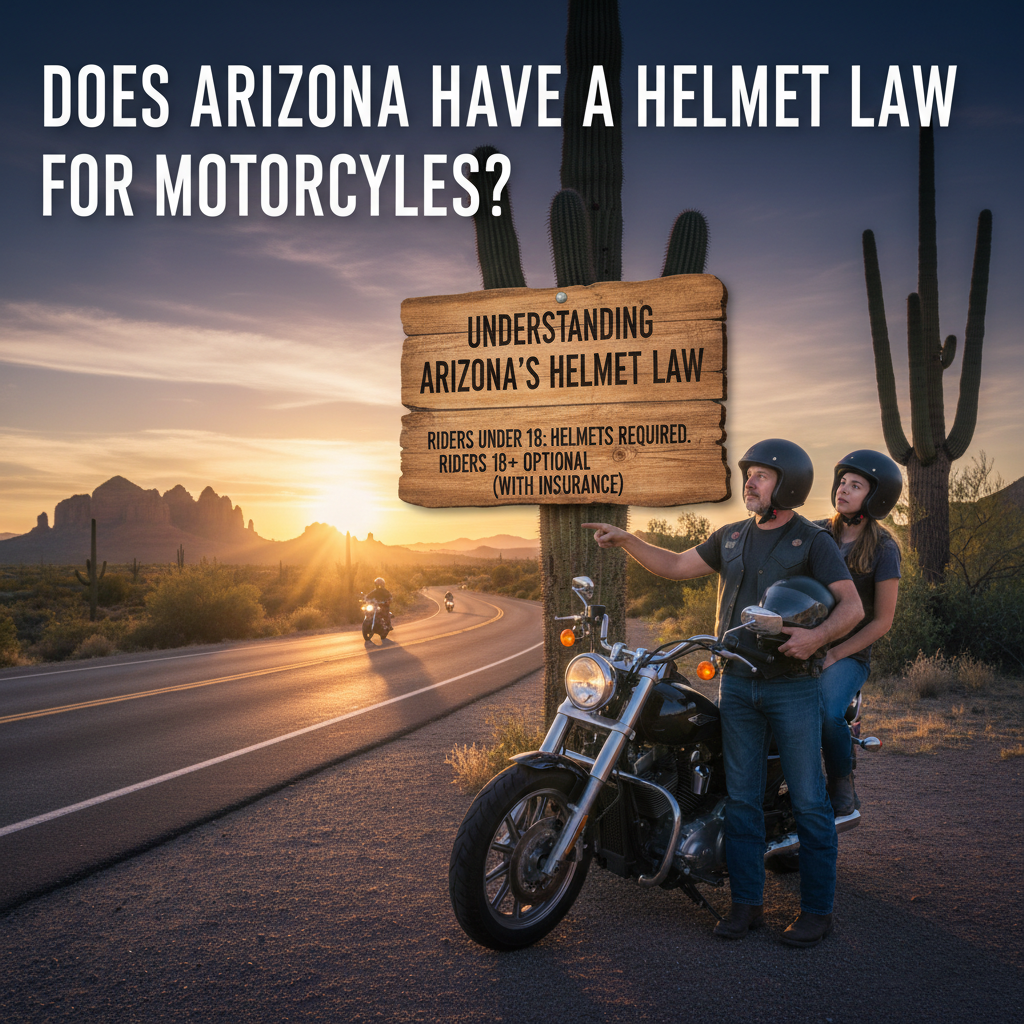
Arizona law explicitly permits riders aged 18 and older to operate motorcycles without wearing a helmet. This legal framework reflects a broader philosophy that emphasizes personal freedom and responsibility. However, the law also includes specific exemptions: riders under the age of 18 are mandated by state law to wear helmets while operating or riding as a passenger on a motorcycle. Additionally, riders must possess a motorcycle license or a motorcycle instruction permit to be exempt from helmet use. This stipulation underscores the importance of rider education and skill in promoting motorcycle safety.
The lack of a universal helmet law for adults has been a topic of legislative debate, as it places the onus of safety decisions squarely on individual riders. While some advocate for personal freedom, others argue that the state has a vested interest in public health and safety, especially considering the financial implications of motorcycle accidents on emergency services and healthcare systems.
The Benefits of Wearing a Helmet
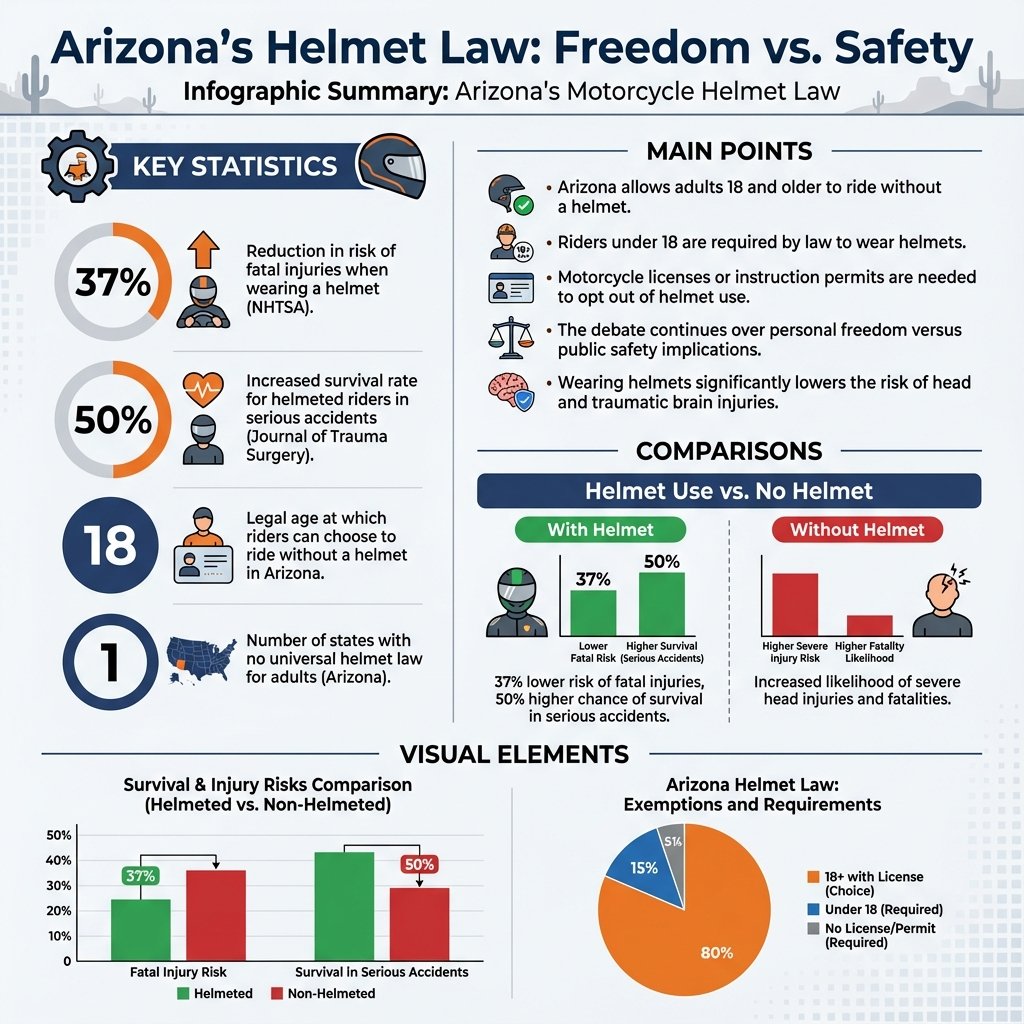
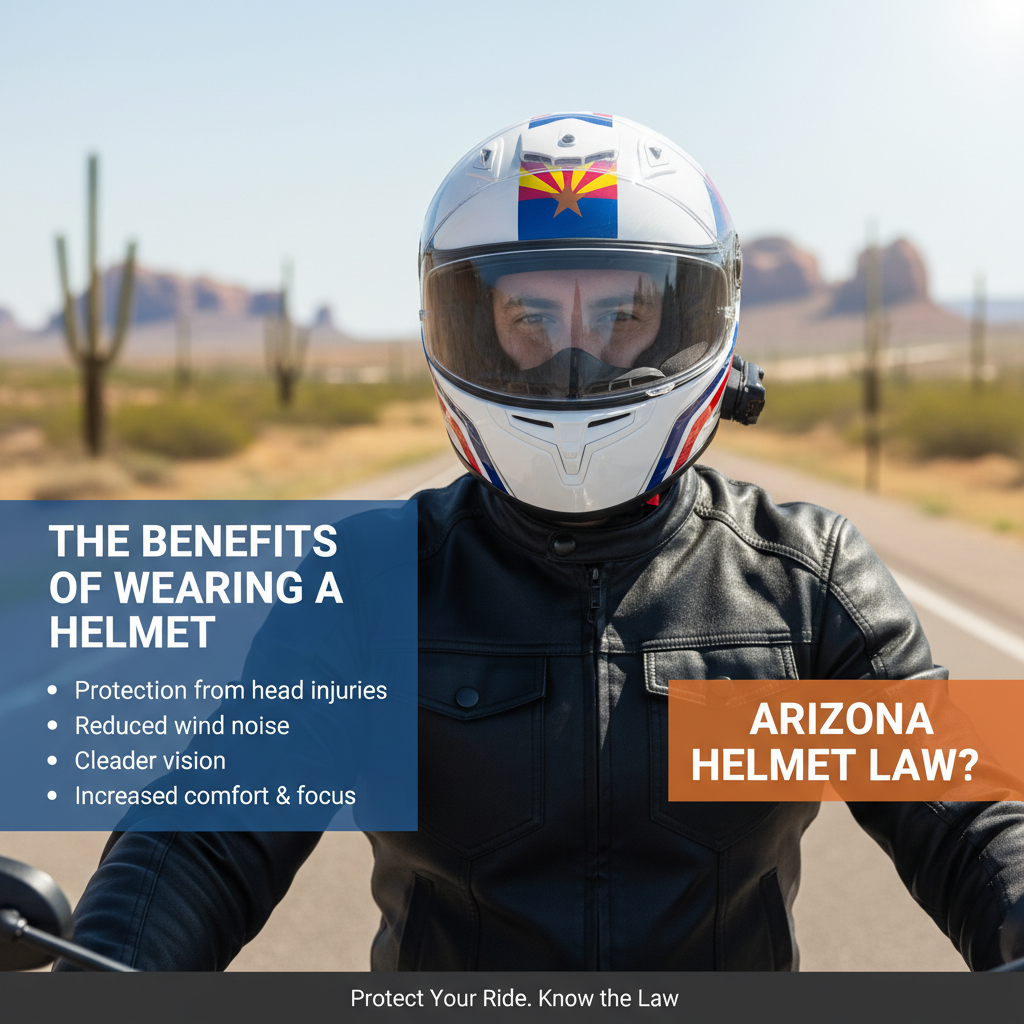
The benefits of wearing a helmet cannot be overstated. Numerous studies have demonstrated that helmets significantly reduce the risk of head injuries in motorcycle accidents. According to the National Highway Traffic Safety Administration (NHTSA), wearing a helmet can reduce the risk of fatal injuries by approximately 37%. Furthermore, helmets protect against traumatic brain injuries, which are among the most severe consequences of motorcycle accidents.
Survival rates among motorcyclists increase dramatically with helmet use. A study published in the Journal of Trauma Surgery found that riders wearing helmets had a 50% higher chance of surviving serious accidents compared to those without helmets. These statistics highlight the importance of prioritizing safety over personal choice, especially in a state like Arizona, where the weather encourages year-round riding.
Exceptions and Special Cases
In Arizona, the law clearly mandates helmet use for riders under 18, emphasizing the need for protective gear among less experienced operators. This legal requirement seeks to protect younger riders who may lack the experience necessary to navigate the risks associated with motorcycle riding effectively. Furthermore, specific conditions, such as those involving learner’s permits or restricted licenses, may also require helmet use irrespective of age.
Insurance policies can vary significantly based on helmet use as well. Many insurance companies may offer lower premiums for riders who consistently wear helmets, recognizing the reduced risk of severe injury and associated claims. Conversely, failing to wear a helmet may not only increase the risk of injury but could also affect the compensation available in the event of an accident. Riders should familiarize themselves with their insurance policies to understand how helmet use may impact coverage.
Implications for Riders and Passengers
Understanding the legal landscape surrounding helmet use is crucial for both riders and passengers. In Arizona, passengers are subject to the same laws as riders; therefore, if a rider chooses not to wear a helmet, their passenger is also not required to wear one. This shared responsibility can create a false sense of security, leading to increased risks for both parties in the event of an accident.
The decision to ride without a helmet can have far-reaching implications. Riders should consider not only the legal ramifications but also the potential consequences of injury. The financial burden of medical expenses from motorcycle accidents can be substantial, and the choice to forego a helmet could exacerbate these costs. Furthermore, the psychological impact of a severe injury can extend beyond financial considerations, affecting quality of life and mental well-being.
Safety Recommendations from Experts
Safety organizations across the nation advocate for helmet use, regardless of legal requirements. The Motorcycle Safety Foundation (MSF) and the Centers for Disease Control and Prevention (CDC) consistently emphasize that wearing a helmet is one of the most effective ways to prevent injuries and fatalities in motorcycle accidents.
When selecting a helmet, riders should prioritize safety certifications, such as those from the Department of Transportation (DOT) and the Snell Memorial Foundation. An ideal helmet should fit snugly without being uncomfortable, and features like a face shield or visor can provide additional protection from debris and weather conditions. Riders are encouraged to replace helmets after a significant impact, as even minor accidents can compromise a helmet’s structural integrity.
The Debate Surrounding Helmet Laws
The debate over helmet laws is multifaceted, with compelling arguments on both sides. Proponents of universal helmet laws argue that mandatory helmet use can lead to reduced injury rates and lower healthcare costs associated with motorcycle accidents. They contend that the state has a responsibility to protect its citizens, especially given the public health implications of severe injuries.
On the other hand, opponents assert that helmet laws infringe upon personal freedoms and the right to make one’s own choices regarding safety. They argue that education and awareness campaigns may be more effective than legislation in promoting helmet use. Public opinion plays a significant role in shaping these laws; as awareness of motorcycle safety grows, so too does the potential for legislative changes.
Conclusion
While Arizona’s laws may allow for freedom of choice regarding helmet use, the decision to wear a helmet can significantly enhance safety on the road. Riders and passengers alike should carefully consider the risks associated with riding without a helmet and stay informed about the implications of their choices. Helmet use not only protects individual riders but also contributes to the overall safety of the motorcycling community. For continuous updates on helmet laws, safety tips, and riding best practices, it is essential to stay educated and prioritize safety while enjoying the open road.
References
- https://www.azdot.gov/about/transportation-safety/motorcycle-safety/helmet-law
- https://www.nhtsa.gov/road-safety/motorcycle-safety
- https://www.ama-cycle.org/advocacy/helmet-laws/
- https://www.ncbi.nlm.nih.gov/pmc/articles/PMC6481797/
- https://www.motorcyclelegalfoundation.com/motorcycle-helmet-law/
- https://www.cdc.gov/motorvehiclesafety/motorcycle/index.html
- https://www.ama.com/motorcycle-helmet-laws-by-state/
- https://www.azleg.gov/ars/28/812.htm