The Must-Know Helmet Law in Arizona
In Arizona, wearing a helmet while riding a motorcycle is not legally required for most adults, but there are essential considerations to keep in mind. While adults over 18 can choose whether to wear a helmet, it is crucial to understand the significant safety benefits helmets provide, both in terms of personal protection and potential implications for insurance. This article breaks down the helmet laws in Arizona, the reasons for wearing one, and the benefits of protection on the road.
Understanding Arizona’s Helmet Laws
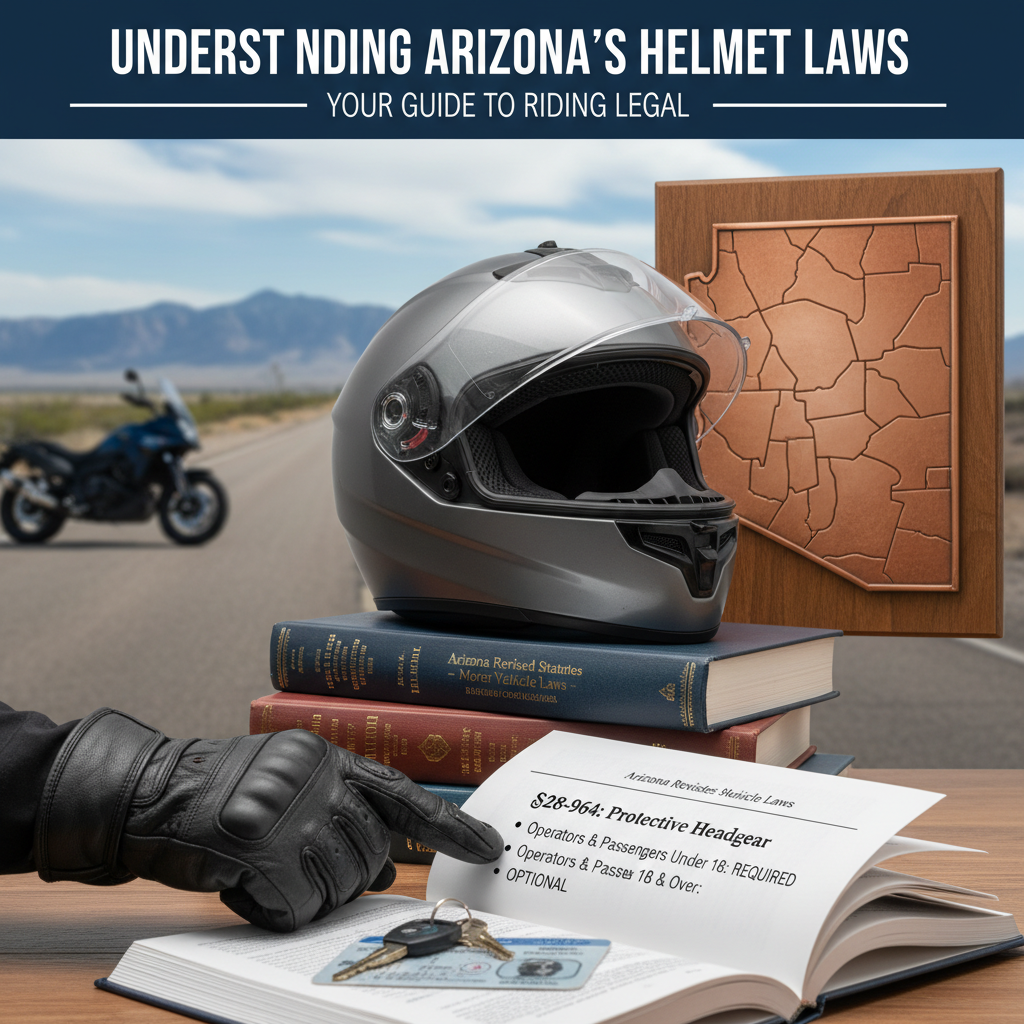
In Arizona, the law dictates that adults aged 18 and over are not required to wear helmets while riding a motorcycle. However, for riders under the age of 18, helmet use is mandatory. This regulatory framework reflects a balance between personal freedom and ensuring the safety of younger riders, who may lack the experience and decision-making skills associated with adult riders.
The law’s structure encourages responsible riding practices among adults while recognizing that younger riders are still developing their skills and judgment. Despite the legal leniency for adults, safety advocates strongly recommend helmet use for all riders, emphasizing that a helmet can significantly mitigate the risk of severe injuries in the event of an accident. Statistics consistently show that helmeted riders have a better chance of surviving crashes with fewer long-term health consequences.
The Benefits of Wearing a Helmet
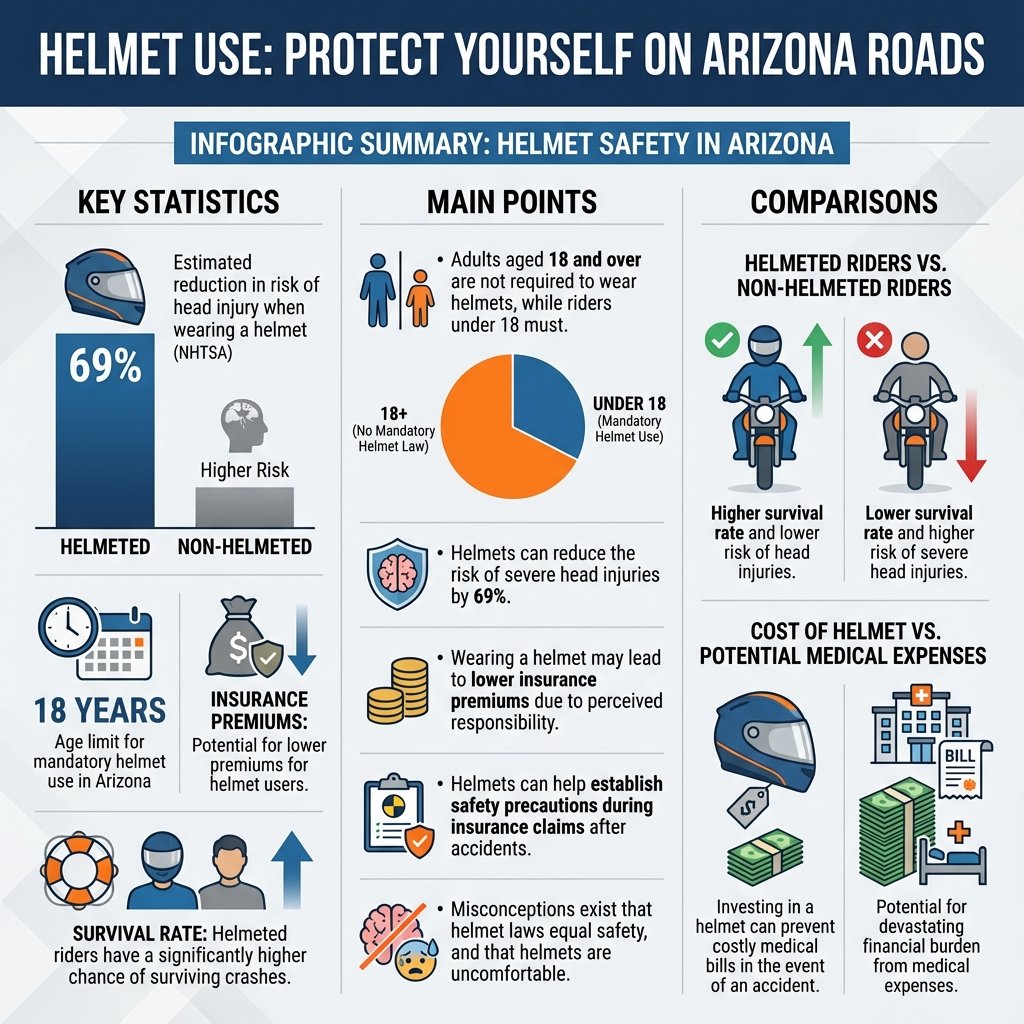
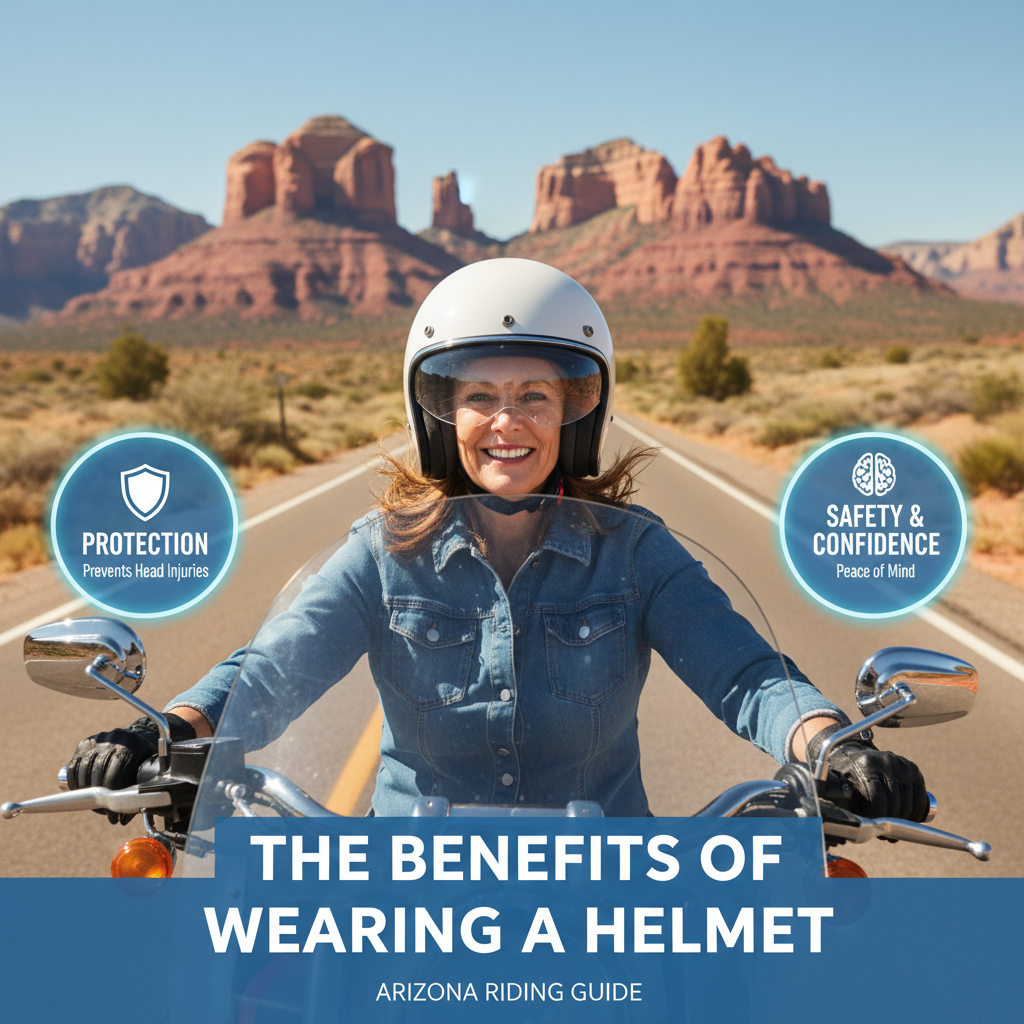
The primary benefit of wearing a helmet while riding a motorcycle is the substantial reduction in the risk of head injuries. According to the National Highway Traffic Safety Administration (NHTSA), helmets are estimated to reduce the risk of head injury by 69% for motorcycle riders. This statistic underscores the protective role a helmet plays during a crash, which can often mean the difference between life and death.
Furthermore, wearing a helmet can have financial benefits for riders. Insurance companies may offer lower premiums to riders who wear helmets, viewing them as responsible individuals who take measures to minimize risk. This can lead to long-term savings, making the upfront investment in a quality helmet more than worthwhile. Additionally, in the unfortunate event of an accident, wearing a helmet can help establish that the rider took appropriate safety precautions, which might influence liability decisions during insurance claims.
Common Misconceptions About Helmet Use
Despite the overwhelming evidence supporting helmet use, several misconceptions persist among riders. A common belief is that helmet laws indicate a rider’s level of safety. While laws can promote safety, they do not replace the personal responsibility and choice that each rider must make. Some may feel that helmet use is merely a suggestion rather than a necessity, which can lead to risky decisions.
Another prevalent myth is that helmets are uncomfortable or restrict visibility. However, modern helmet designs are focused on comfort, ventilation, and visibility. Many helmets are lightweight, aerodynamic, and equipped with features such as face shields and ventilation systems that enhance the riding experience. Riders are encouraged to try different styles and fits to find one that feels comfortable, as an ill-fitting helmet can indeed be cumbersome.
The Impact of Helmet Use on Insurance Claims
Helmet use can significantly influence the outcome of insurance claims following a motorcycle accident. When determining liability, insurance adjusters often consider whether the rider was wearing a helmet. Riders who choose to wear helmets may be perceived as taking fewer risks, which can work in their favor during investigations.
Additionally, in some cases, failing to wear a helmet may lead to a reduction in compensation if the insurance company argues that the rider’s lack of safety gear contributed to the severity of injuries sustained. This aspect highlights the importance of making informed choices regarding helmet use, as it can have both immediate and long-term implications for financial security.
Safety Statistics: Helmet Use vs. Non-Use
Statistical data underscores the critical difference between helmeted and unhelmeted riders. According to studies conducted by the NHTSA, motorcycle riders without helmets are 40% more likely to sustain fatal injuries in a crash compared to those who wear helmets. Furthermore, the Centers for Disease Control and Prevention (CDC) reports that states with universal helmet laws have significantly lower motorcycle-related fatalities.
The statistics reveal a stark reality: a considerable percentage of motorcycle fatalities involve unhelmeted riders. In Arizona, where helmet use is optional for adults, the implications of these statistics become a vital consideration for riders. The choice to wear a helmet can directly affect survival rates and the severity of injuries in the event of an accident.
Alternatives to Helmets: Are They Enough?
Some riders may choose to wear alternative protective gear, such as padded jackets, gloves, or goggles, believing these will sufficiently safeguard them during a ride. While such gear can provide additional protection against abrasions and environmental factors, none can replace the protective function of a helmet.
Helmets are specifically designed to absorb the impact of a crash and protect the head and brain—areas that are particularly vulnerable in accidents. Other gear may help mitigate certain risks, but they do not offer the same level of protection as helmets. Riders should prioritize investing in a good-quality helmet over relying solely on alternative protective equipment.
Resources for Riders in Arizona
For those seeking further information on helmet laws and motorcycle safety, several resources are available. The Arizona Department of Transportation (ADOT) provides up-to-date information on traffic regulations, including helmet laws. Local motorcycle clubs and organizations often promote helmet use and safety education, offering workshops and community events that emphasize responsible riding practices.
Riders can also benefit from online forums and social media groups where they can share experiences, safety tips, and recommendations for protective gear. Engaging with the motorcycle community can enhance a rider’s knowledge and commitment to safety on the road.
In summary, while Arizona’s helmet law may not require adults to wear helmets, the benefits of protection far outweigh the risks of riding without one. Riders should consider their safety, the potential impact on insurance, and the realities of riding on the road. Ultimately, prioritizing safety and making informed choices is essential for all motorcyclists, contributing to a safer riding environment for everyone.
References
- https://www.azdot.gov/motor-vehicles/traffic-safety/helmet-law
- https://www.nhtsa.gov/road-safety/motorcycle-safety
- https://www.aarp.org/home-family/personal-transportation/motorcycle-safety-helmet-laws.html
- https://www.abc15.com/news/local-news/investigations/arizona-helmet-law-for-motorcyclists
- https://www.law.cornell.edu/wex/motorcycle_helmet_laws
- https://www.motorcyclelegalfoundation.com/helmet-laws/arizona/
- https://www.azleg.gov/ars/28/812.htm
- https://www.nasbike.org/helmet-laws.html