
The Ultimate Future of Helmet Technology by 2030
The future of helmet technology is poised for a significant transformation by 2030, focusing on enhanced safety, comfort, and connectivity. Innovations in materials and smart technology will not only provide better protection for users but also revolutionize the overall experience in various activities, from sports to construction. As we explore the future, it becomes clear that helmets will evolve into multifunctional devices that prioritize user safety while integrating seamlessly with modern technology.
The Evolution of Helmet Materials
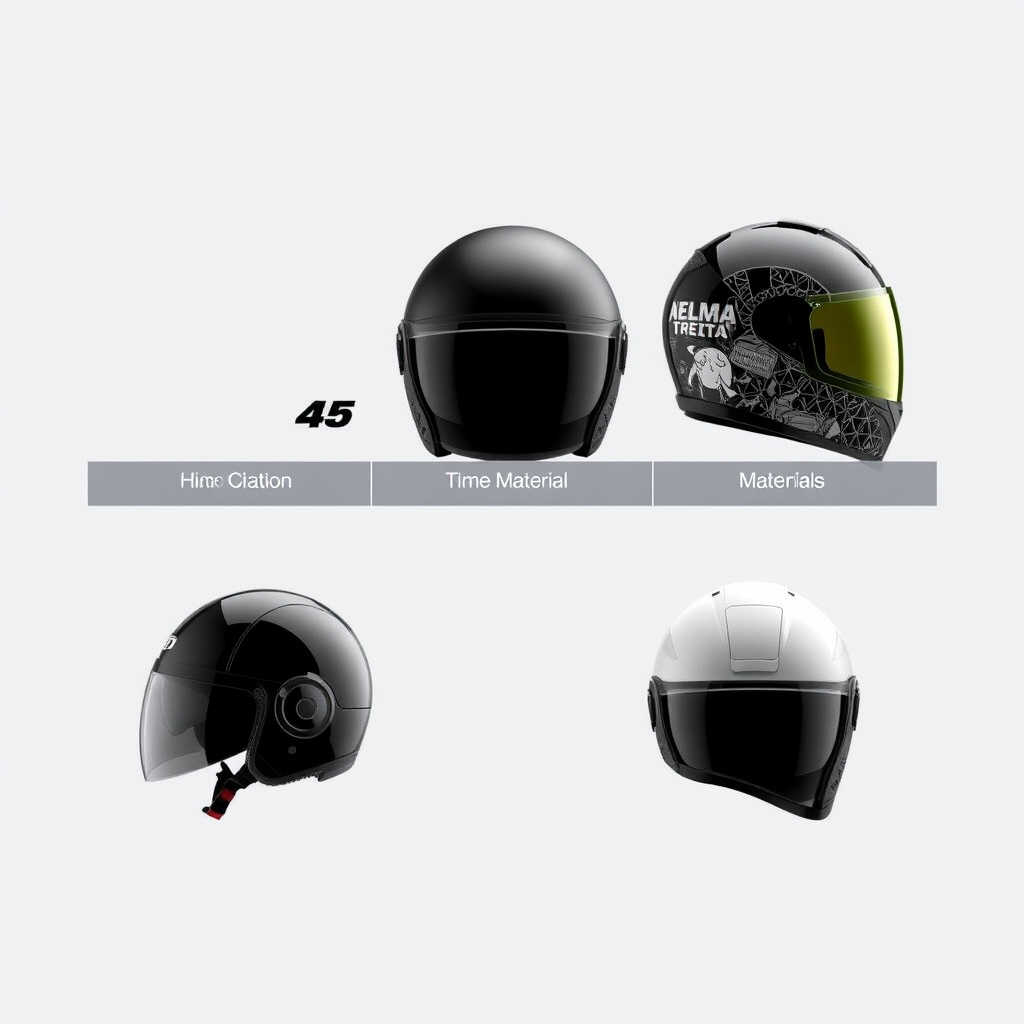
The evolution of helmet materials is one of the most critical areas of innovation set to reshape the industry. By 2030, traditional materials like polystyrene and fiberglass will likely be replaced by lightweight composites, such as carbon fiber and advanced polymers. These new materials not only provide superior protection but also reduce the overall weight of the helmet, enhancing comfort during extended use. For instance, manufacturers like MIPS are already exploring multi-directional impact protection systems that utilize advanced composites to disperse energy more effectively during impacts.
Furthermore, the integration of impact-resistant foams will dramatically improve shock absorption capabilities. Innovations such as viscoelastic materials will allow helmets to absorb energy much more efficiently, significantly reducing the risk of concussions and other traumatic brain injuries. As research in biomechanics advances, we can expect helmets that are not only safer but also more responsive to the dynamics of different sports and activities.
Smart Helmets: The Game Changer
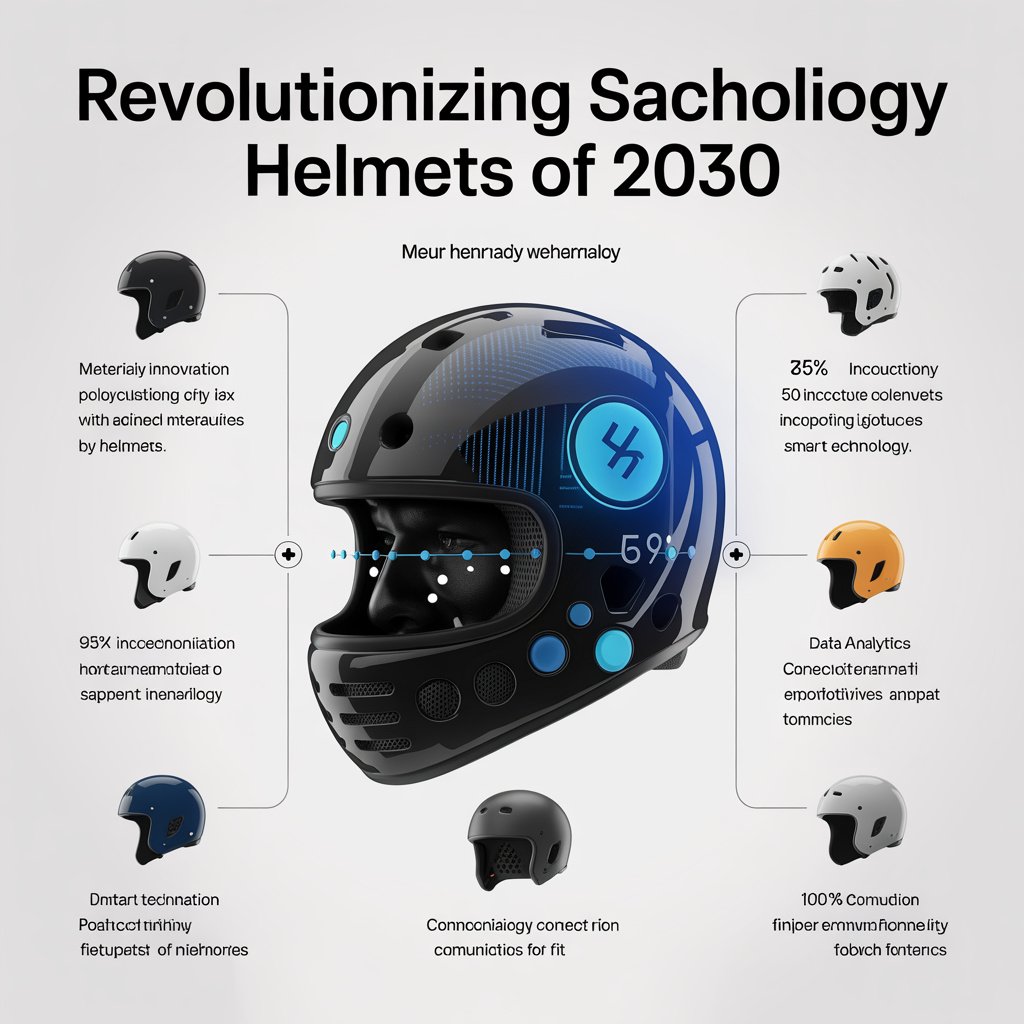

Smart helmets represent a groundbreaking shift in helmet technology with the potential to save lives and enhance user experience. By 2030, helmets will be equipped with an array of sensors designed to monitor vital signs, including heart rate and oxygen levels, as well as impact forces that could indicate a concussion. For example, companies like Livall and Sena are already integrating Bluetooth connectivity in helmets, allowing riders to communicate with each other and emergency services in real time.
These smart features will not only offer immediate feedback to users but will also facilitate the collection of critical data for analysis. This data can help identify trends in injuries and improve future helmet designs. Imagine a scenario where a cyclist experiences a significant impact; their helmet could automatically notify emergency responders while providing vital information on their physical condition. This level of connectivity could redefine safety protocols in sports and other high-risk activities.
Enhanced Comfort and Fit
As technology progresses, the importance of comfort and fit in helmet design cannot be overstated. By 2030, advancements in custom-fit technology using 3D scanning will allow manufacturers to create personalized helmets tailored to the unique contours of each user’s head. This customization will not only enhance comfort but also improve safety by ensuring the helmet fits snugly and securely.
Moreover, improved ventilation systems will be a focal point in helmet design. As athletes engage in intense activities, having a helmet equipped with advanced airflow systems will help regulate temperature and reduce discomfort. Innovations such as moisture-wicking liners and adjustable ventilation channels will ensure that users remain cool and dry, making the helmet more enjoyable to wear for extended periods.
Sustainability in Helmet Production
With growing awareness of environmental issues, sustainability in helmet production will be a significant trend by 2030. Manufacturers are increasingly turning to eco-friendly materials, such as bio-based plastics and recycled composites, to minimize their carbon footprint. Companies like Bell Helmets are already experimenting with sustainable manufacturing processes that reduce waste and energy consumption while ensuring high-quality production.
In addition, recycling programs will become more common, allowing consumers to return their old helmets for proper recycling or upcycling into new products. This closed-loop system not only benefits the environment but also fosters a culture of sustainability within the sports and cycling communities. As consumers become more environmentally conscious, brands that prioritize sustainability will likely gain a competitive advantage in the marketplace.
The Role of AI and Data Analytics
Artificial intelligence (AI) and data analytics will play a pivotal role in shaping the future of helmet technology. By 2030, AI algorithms will be able to analyze vast amounts of data collected from helmet sensors to predict and prevent potential injuries. For example, by examining usage patterns, impact data, and even user feedback, manufacturers can refine their designs to better protect against specific risks.
Moreover, the data collected can contribute to continuous improvements in helmet performance. As users provide feedback on their experiences, AI can identify common issues and suggest enhancements, ensuring that helmets evolve in line with user needs. This data-driven approach not only improves safety but also fosters a culture of innovation within the industry.
Regulations and Standards in 2030
As helmet technology advances, so too will the regulatory landscape. By 2030, we can anticipate updates to safety regulations that will compel manufacturers to adhere to higher performance standards. Organizations such as the Consumer Product Safety Commission (CPSC) and the American National Standards Institute (ANSI) are expected to revise their criteria to include new technologies and materials.
Additionally, the importance of third-party testing and certifications will rise, ensuring that consumers can trust in the safety of their helmets. With greater scrutiny on product safety, brands that commit to rigorous testing and transparent reporting will build consumer trust and loyalty, positioning themselves as leaders in the market.
Future Trends to Watch
As we look forward to 2030, several exciting trends are on the horizon. One of the most anticipated developments is the integration of augmented reality (AR) features in helmets. Imagine a cyclist wearing a helmet that projects navigation information directly onto the visor, allowing them to maintain focus on the road while receiving directions. This level of situational awareness could drastically reduce the risk of accidents.
Additionally, potential collaborations between helmet manufacturers and technology companies will further enhance smart technology integration. By combining expertise in engineering and technology, we can expect helmets that offer unprecedented capabilities, such as voice-activated controls and even compatibility with wearable devices.
In conclusion, the future of helmet technology is set to undergo a remarkable transformation by 2030, driven by innovations in materials, smart technology, and user-centered design. As we move towards this future, the integration of advanced safety features, enhanced comfort, and a commitment to sustainability will redefine what we expect from helmets. Staying informed about these developments is crucial for anyone involved in sports, motorcycling, or construction, as embracing these innovations will not only enhance safety but also elevate the overall experience in these activities. The future of helmet technology is bright, and it is essential to be ready for the changes that lie ahead.
References
- https://www.nhtsa.gov/equipment/helmets
- https://www.cdc.gov/traumaticbraininjury/helmet.html
- https://www.sciencedirect.com/science/article/pii/S2210535519300203
- https://www.bbc.com/future/article/20210125-how-new-helmet-tech-could-prevent-brain-injuries
- https://www.nsf.gov/news/special_reports/braininjury/helmet_technology.jsp
- https://www.nhtsa.gov/sites/nhtsa.gov/files/documents/812285_bikehelmetreport.pdf
- https://www.iihs.org/topics/bicycle-helmets
- https://www.ncbi.nlm.nih.gov/pmc/articles/PMC6413880/