The Ultimate Guide to Cleaning Your Cranial Helmet
Cleaning a cranial helmet is essential for maintaining hygiene and ensuring comfort for the wearer. The best way to clean it is by using mild soap and water, followed by thorough drying to prevent mold and odor. Regular maintenance not only prolongs the life of the helmet but also safeguards the health of the user. In this comprehensive guide, we will delve into the best practices for keeping your cranial helmet fresh, safe, and effective.
Why Cleaning Your Cranial Helmet is Essential
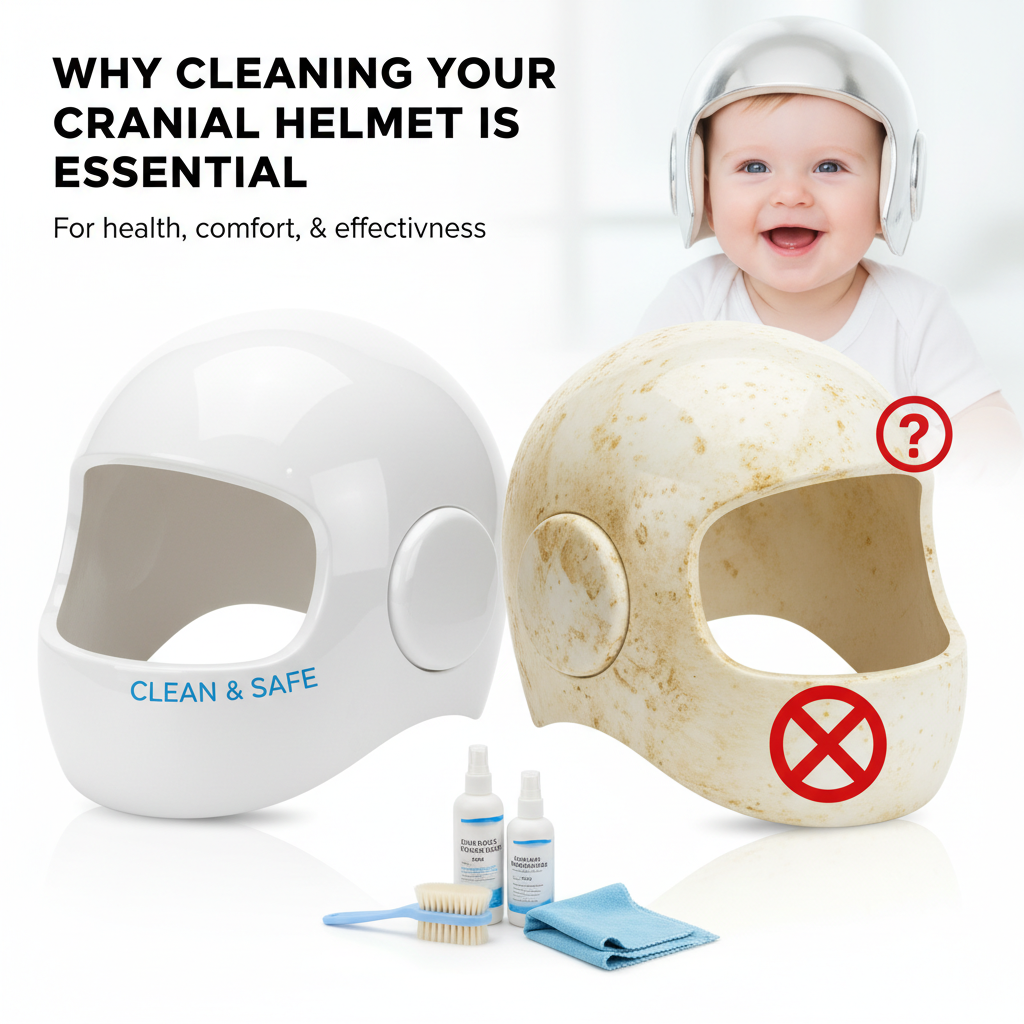
Maintaining a clean cranial helmet is crucial for several reasons. First and foremost, it prevents skin irritation and infections. A helmet that is not regularly cleaned can harbor bacteria, sweat, and dead skin cells, which can lead to rashes, discomfort, and even more serious skin conditions. In infants, where the skin is especially sensitive, this is a significant concern.
Secondly, regular cleaning ensures that the helmet maintains its shape and effectiveness. Over time, dirt and oils can accumulate, which may affect the fit and function of the helmet. A well-maintained helmet provides optimal support and protection, which is essential for the intended therapeutic benefits, such as cranial molding or protection against injury. Therefore, cleaning your cranial helmet is not merely a matter of hygiene but also about ensuring that it performs its intended purpose effectively.
What You Need to Clean a Cranial Helmet
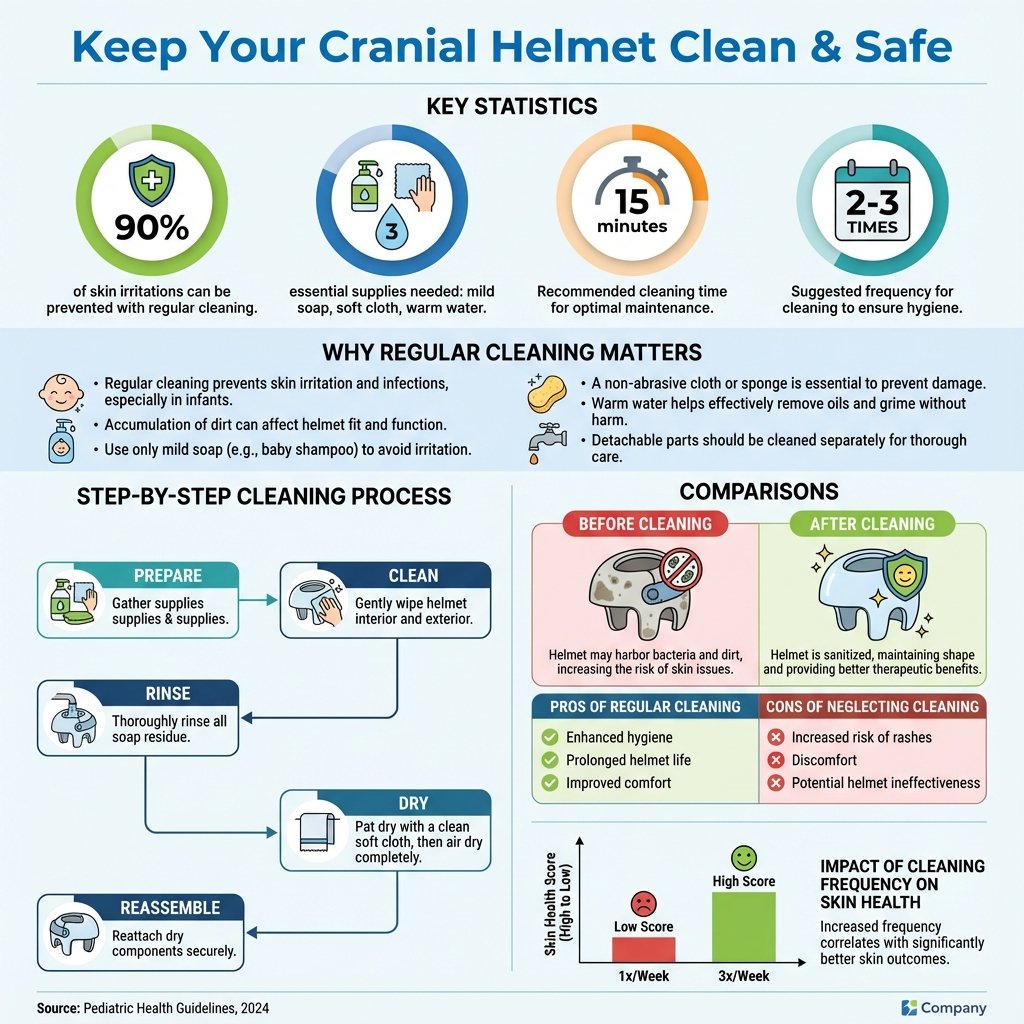
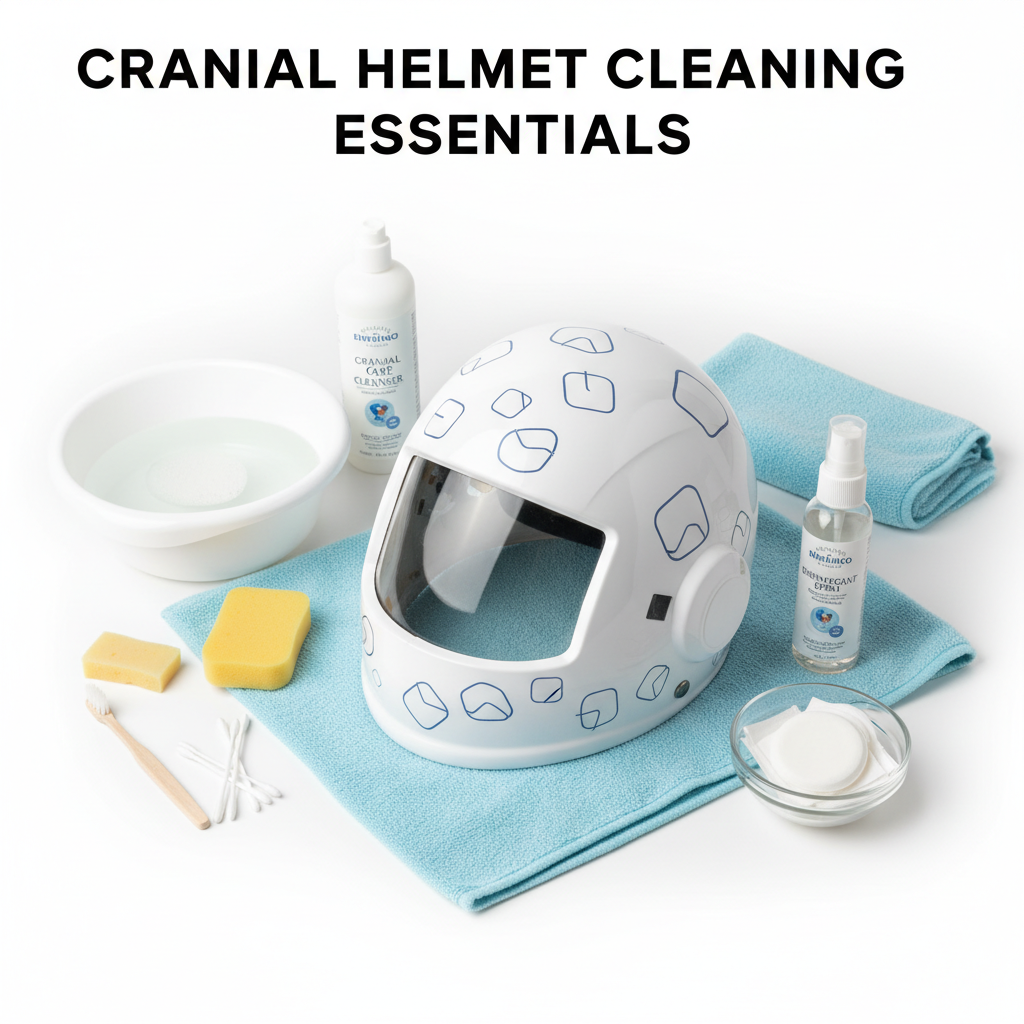
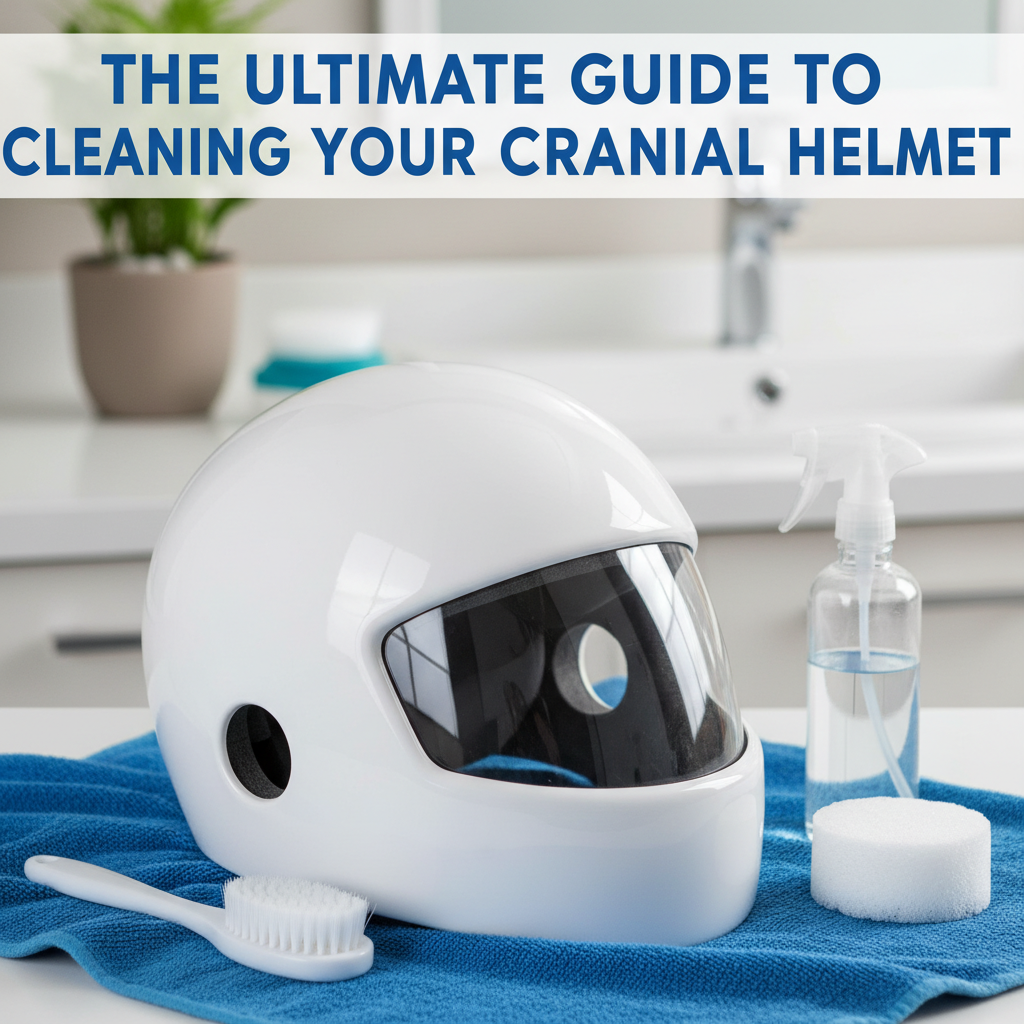
To clean a cranial helmet effectively, you will need a few basic supplies. These include:
– Mild soap: Opt for gentle options like baby shampoo or a mild dish soap. These options are less likely to irritate the skin compared to harsher cleaning products.
– Soft cloth or sponge: A non-abrasive cloth or sponge will help prevent scratches or damage to the helmet’s surface while ensuring a thorough clean.
– Warm water: Use warm, not hot, water to assist in breaking down oils and grime without damaging the helmet material.
Having these items on hand will make the cleaning process straightforward and efficient, ensuring that your cranial helmet remains in the best possible condition.
Step-by-Step Cleaning Process
Cleaning your cranial helmet can be accomplished in a few simple steps:
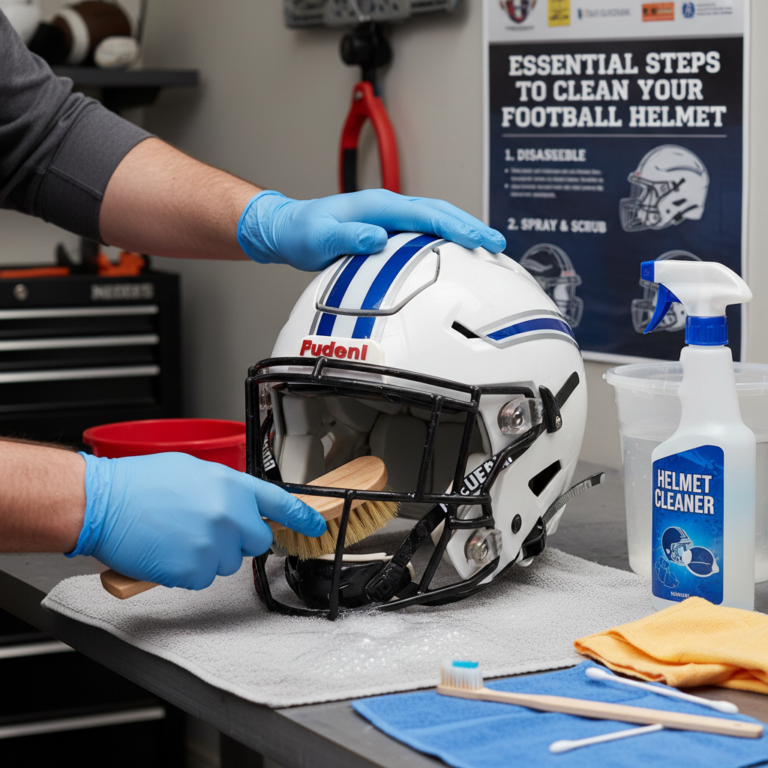
1. Remove any removable parts: If your helmet has detachable components, such as padding or straps, carefully remove these first. This will allow you to clean each part thoroughly.
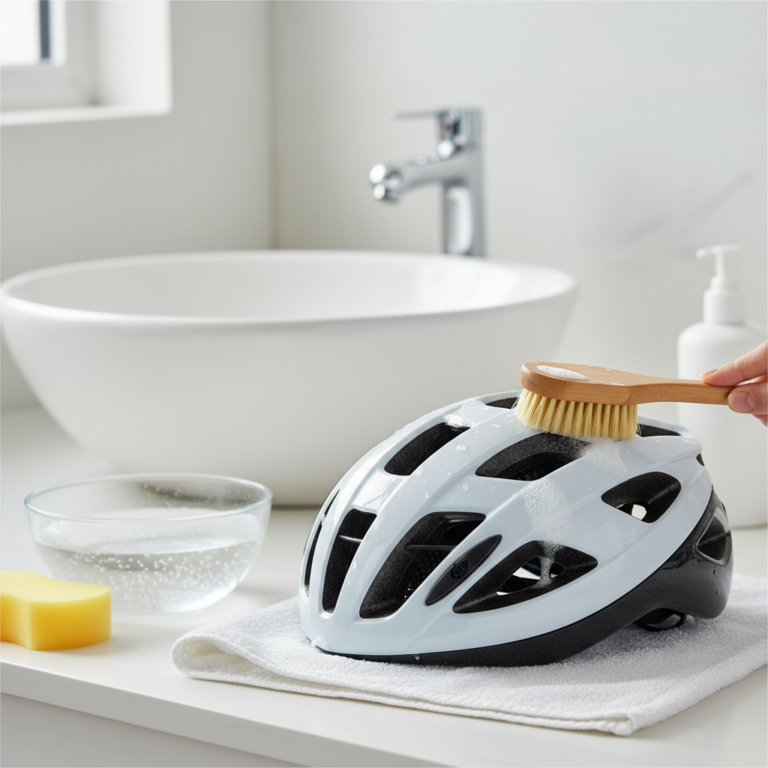
2. Mix soap with warm water: In a small bowl or basin, mix a few drops of mild soap with warm water. Stir it gently to create a soapy solution that is easy to work with.
3. Gently scrub the helmet: Using your soft cloth or sponge, dip it into the soapy water and gently scrub the exterior of the helmet. Focus on areas that may have visible dirt or grime, but be careful not to apply too much pressure as this may distort the shape of the helmet.
4. Rinse thoroughly: Once you have scrubbed the helmet, rinse it under cool running water to remove all soap residue. It’s important to ensure that no soap remains, as this could irritate the skin upon contact.
By following these steps, you can effectively cleanse your cranial helmet, ensuring it remains hygienic and comfortable for the wearer.
Drying Your Cranial Helmet Safely
After cleaning, proper drying of the cranial helmet is equally important. Here’s how to do it:
1. Use a clean, dry cloth: After rinsing, take a clean, dry cloth and gently pat the helmet to absorb any excess water. Avoid rubbing the helmet as this can cause scratches or alter its shape.
2. Air dry in a cool, shaded area: Place the helmet in a well-ventilated area away from direct sunlight. Direct sunlight can warp materials and compromise the integrity of the helmet. Allow it to air dry completely before reassembling any removable parts or placing it back on the wearer.
This careful drying process helps prevent mold growth and unpleasant odors, ensuring that the helmet remains fresh for future use.
Regular Maintenance Tips
To keep your cranial helmet in optimal condition, it’s important to establish a routine maintenance schedule. Here are some key tips:
– Clean the helmet at least once a week: Regular cleaning helps prevent the buildup of oils and bacteria. If the helmet is worn more frequently due to increased activity or perspiration, consider cleaning it more often.
– Inspect for any signs of wear and tear: Regularly check for cracks, loose parts, or changes in fit. Early detection of damage can prevent further issues and ensure that the helmet continues to provide the necessary support.
– Store the helmet in a safe, dry place: When not in use, store the helmet in a cool, dry place to avoid any potential damage from humidity or extreme temperatures. A dedicated storage bag can help protect it from dust and accidental bumps.
Implementing these maintenance tips will not only extend the life of the cranial helmet but also enhance the wearer’s comfort and health.
Common Mistakes to Avoid
While cleaning your cranial helmet may seem straightforward, there are several common pitfalls to be aware of:
– Using harsh chemicals or abrasive materials: Avoid cleaners that contain bleach or alcohol, as well as scrub brushes that can scratch the surface. These can degrade the material and lead to skin irritation.
– Skipping the drying process: Neglecting to dry the helmet properly can lead to mold growth and unpleasant odors. Always ensure the helmet is thoroughly dried after cleaning.
– Neglecting regular cleaning schedules: Putting off cleaning can lead to the accumulation of dirt and bacteria, which can compromise the helmet’s effectiveness and the wearer’s health.
By avoiding these mistakes, you can maintain the integrity and hygiene of the cranial helmet effectively.
When to Seek Professional Help
There are instances when it’s prudent to seek professional assistance regarding your cranial helmet:
– If the helmet is damaged or not fitting properly: A damaged helmet can compromise safety and effectiveness. If you notice any cracks or significant wear, consult with a professional for repair or replacement.
– If persistent odors or stains remain after cleaning: If you find that odors or stains persist despite your cleaning efforts, it may indicate deeper issues that require professional evaluation.
– For any questions about helmet adjustments or care: If you are uncertain about the proper fit or how to care for the helmet, don’t hesitate to reach out to a healthcare professional or the manufacturer for guidance.
Seeking professional help can ensure that any concerns are addressed promptly and effectively, maintaining the safety and effectiveness of the cranial helmet.
Maintaining a clean cranial helmet is crucial for health and comfort. By following these steps and tips, you’ll ensure that the helmet serves its purpose effectively. Remember to make cleaning a regular part of your routine, inspect for any signs of damage, and seek professional help when necessary. With proper care, your cranial helmet can provide the necessary support and protection while remaining hygienic and comfortable for the wearer.
References
- https://www.cdc.gov/ncbddd/childdevelopment/positiveparenting/helmet-safety.html
- https://www.aap.org/en/patient-care/helmet-therapy/
- https://www.ncbi.nlm.nih.gov/pmc/articles/PMC5744368/
- https://www.healthychildren.org/English/ages-stages/baby/Pages/Plagiocephaly-and-Helmet-Treatment.aspx
- https://www.mayoclinic.org/diseases-conditions/plagiocephaly/symptoms-causes/syc-20377951
- https://www.clevelandclinic.org/health/diseases/20137-plagiocephaly-flat-head-syndrome
- https://www.healthychildren.org/English/ages-stages/baby/Pages/Plagiocephaly-and-Helmet-Treatment.aspx