The Ultimate Welding Helmet: Must-Know Features for Safety
A good welding helmet is vital for ensuring your safety while working with intense light and heat. It not only shields your eyes from harmful rays but also enhances your visibility and comfort during welding tasks. Selecting the right helmet involves understanding its essential features, types, brands, and the importance of comfort and safety standards. This comprehensive guide will equip you with the knowledge necessary to make an informed decision when purchasing a welding helmet.
Essential Features of a Good Welding Helmet
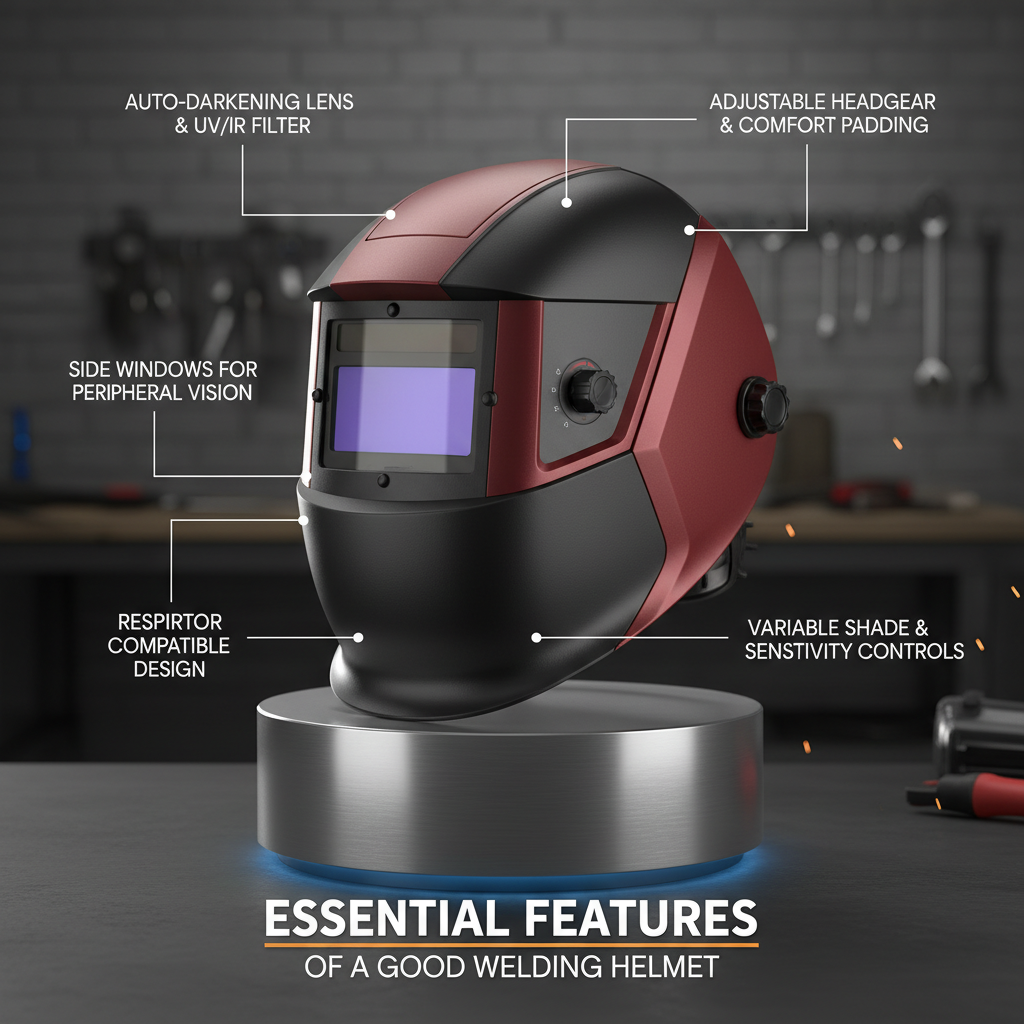
– Auto-Darkening Lens: One of the most crucial features of a modern welding helmet is the auto-darkening lens. This technology allows the lens to automatically adjust to varying light conditions, ensuring that you have optimal visibility before and during the welding process. With adjustable sensitivity settings, these lenses can quickly transition from a light state (for clear visibility) to a dark state (for protection against welding arcs), significantly reducing eye strain and enhancing overall work efficiency.
– UV/IR Protection: Another critical feature is the UV (Ultraviolet) and IR (Infrared) protection. Welding generates harmful rays that can cause serious eye damage if not adequately protected against. A high-quality welding helmet should provide 100% UV and IR protection, safeguarding your eyes from both direct and reflected light. This feature is non-negotiable for anyone serious about welding, as it prevents long-term damage and ensures your safety.
Types of Welding Helmets
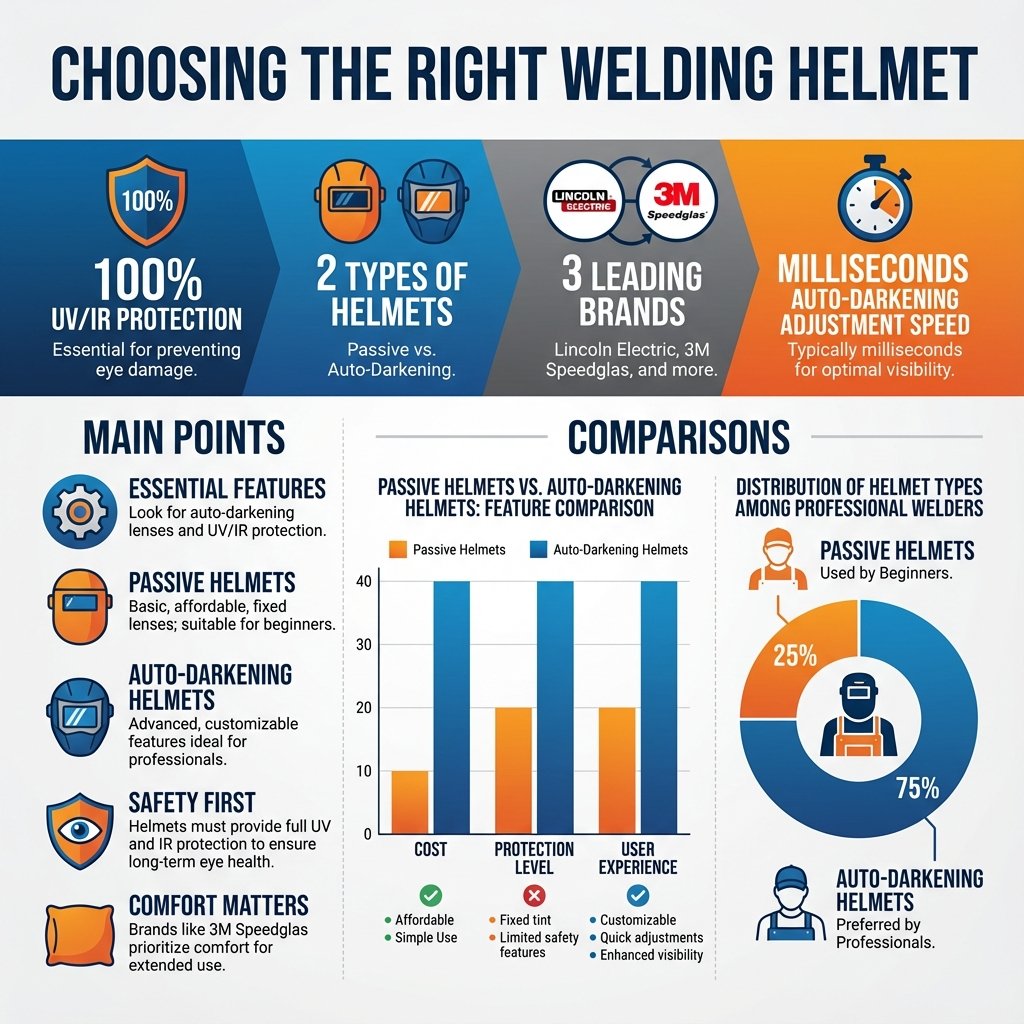
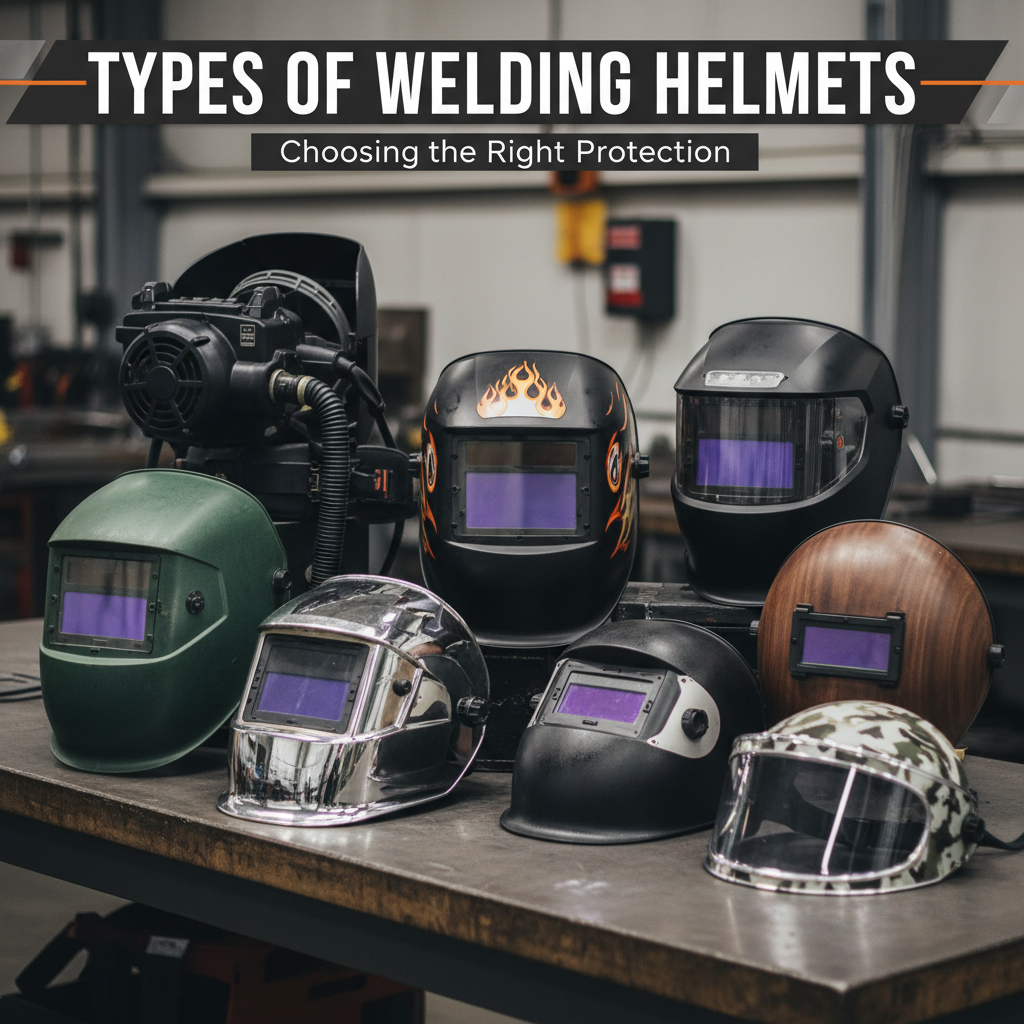
– Passive Helmets: Passive helmets are the most basic type of welding helmet, featuring fixed lenses that do not change tint. These helmets are typically more affordable and are suitable for beginners who are just starting in welding. While they provide essential protection, they lack the advanced features that experienced welders might require.
– Auto-Darkening Helmets: In contrast, auto-darkening helmets are designed for professional use and offer a range of advanced features. These helmets come equipped with sensitivity settings and variable shade controls, allowing welders to customize their experience based on the type of welding being performed. Many models also feature multiple arc sensors, which ensure that the lens darkens appropriately, providing enhanced safety and visibility regardless of the welding situation.
Top Brands to Consider
– Lincoln Electric: Known for their robust and durable welding equipment, Lincoln Electric offers a variety of welding helmets that integrate advanced technology with user-friendly designs. Their helmets often feature high-quality auto-darkening lenses and are built to withstand the rigors of industrial use.
– 3M Speedglas: Renowned for comfort and superior optical quality, 3M Speedglas helmets are particularly well-suited for long welding sessions. Their unique designs often include features like exhaust vents that help reduce heat buildup, along with high-quality filters that provide excellent visibility without compromising safety.
Comfort and Fit: What to Look For
– Adjustable Headgear: Comfort is paramount when selecting a welding helmet, especially for those who spend extended periods welding. Look for helmets equipped with adjustable headgear that allows for a snug fit across various head sizes. This feature not only enhances comfort but also helps reduce fatigue, enabling you to focus on your work without distraction.
– Weight: The weight of the helmet plays a significant role in comfort during prolonged use. Lighter helmets are generally more comfortable, allowing for greater maneuverability. Many manufacturers are now producing helmets that are lightweight yet still offer robust protection, making it easier for welders to maintain focus and perform at their best.
Safety Standards and Certifications
– ANSI Z87.1 Compliance: When selecting a welding helmet, it is crucial to ensure that it meets the ANSI Z87.1 compliance standard, which indicates that the helmet has undergone rigorous testing to confirm its effectiveness in providing eye and face protection in the United States. This certification is a benchmark for safety in the welding industry.
– ISO Certifications: In addition to ANSI standards, look for helmets that meet international safety standards, such as ISO certifications. These certifications reflect a commitment to quality and safety, providing added assurance that the helmet will perform as expected in a variety of welding conditions.
Common Mistakes to Avoid
– Ignoring Lens Quality: One of the most common mistakes welders make is overlooking the quality of the lens. A poor-quality lens can lead to eye strain and fatigue, diminishing your performance and putting your safety at risk. Always prioritize helmets with high-quality lenses that provide clear visibility and adequate protection.
– Overlooking Maintenance: Regular maintenance is essential for prolonging the life and effectiveness of your welding helmet. Many users neglect to clean their helmets or check for wear and damage. Establish a routine maintenance schedule to clean the lens and inspect the helmet for any signs of deterioration, ensuring it remains in optimal condition.
Tips for Choosing the Right Welding Helmet
– Assess Your Welding Needs: Before making a purchase, assess the types of welding you do most frequently. Different welding processes—such as MIG, TIG, or stick welding—may require different helmet features. Understanding your specific needs will help you select a helmet that enhances your performance and safety.
– Test Before You Buy: If possible, try on different helmets to see which one feels best for you. Comfort and fit are subjective, and what works for one person may not work for another. Testing various models can help you find the perfect balance of comfort, protection, and functionality.
Choosing the right welding helmet is crucial for your safety and comfort while welding. By understanding essential features, types, brands, and comfort considerations, you can make an informed decision that enhances your welding experience. Don’t compromise on your protection—invest in a quality welding helmet today to ensure your safety and improve your performance in every welding project.
References
- https://www.cdc.gov/niosh/docs/2004-164/default.html
- https://www.osha.gov/Publications/OSHA-3159.pdf
- https://www.aa
- https://www.welding.org/
- https://www.weldingjournal.com/
- https://www.uvm.edu/extension/healthandsafety/welding-safety
- https://www.weld.com/welding-helmet-safety-tips/
- https://www.safetyandhealthmagazine.com/articles/17400-welding-helmet-safety
- https://www.nfpa.org/-/media/Files/Code-Resources/Standards/WeldingSafety.pdf