What is a Helmet Pinlock: Understanding Its Functionality
A helmet pinlock is a device engineered to eliminate fogging on the interior of a motorcycle helmet visor. It operates by creating an air gap between the visor and the pinlock insert, effectively regulating temperature and humidity levels to ensure optimal visibility even in challenging weather conditions. This crucial accessory not only enhances rider safety but also contributes to a more enjoyable riding experience. In this article, we’ll delve into the mechanics of how a helmet pinlock functions, its myriad of benefits, types of pinlock inserts available, installation advice, maintenance tips, and common issues riders might face.
How a Helmet Pinlock Works
The functionality of a helmet pinlock revolves around its innovative design. The pinlock insert is crafted from a specialized anti-fog material that significantly reduces the condensation that typically forms on the inside of a visor when transitioning from cool to warm environments. This insert is affixed to the inner side of the helmet visor, creating a dual-pane effect similar to that of double-glazed windows.
When external temperatures drop and humidity levels rise, the air trapped between the visor and the pinlock insert acts as an insulating layer. This air gap prevents the warm, moist air generated by a rider’s breath from coming into direct contact with the cooler visor surface, thereby minimizing fog formation. In essence, the pinlock system maintains a consistent temperature differential that is crucial for clear visibility.
Benefits of Using a Helmet Pinlock
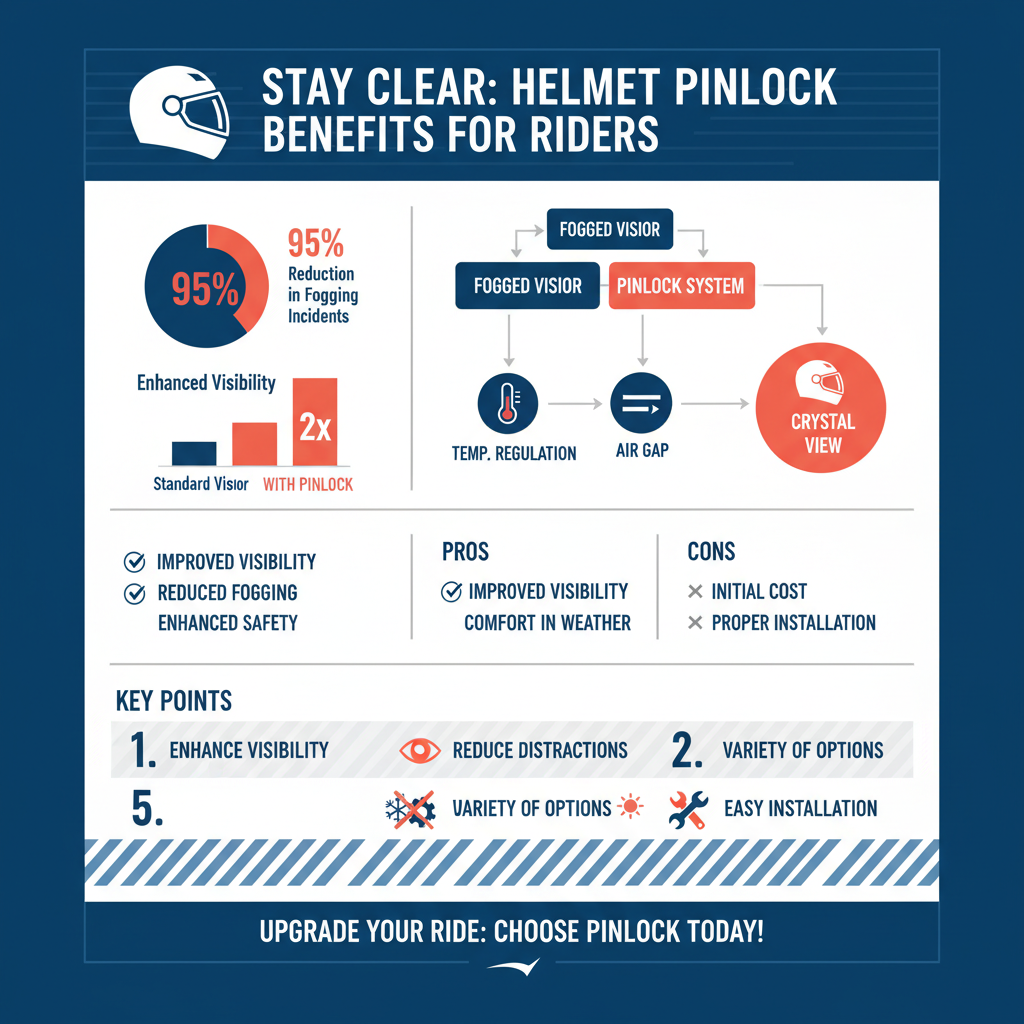

The advantages of utilizing a helmet pinlock are numerous, particularly for riders who frequently navigate through humid or cold conditions. First and foremost, it provides a clear field of vision, which is essential for safe riding. The ability to see clearly not only enhances the rider’s awareness of their surroundings but also contributes to better reaction times in critical situations.
Moreover, a pinlock reduces the need for constant visor cleaning. Riders can focus on the road ahead without the distraction of fogged-up visors or the need to frequently stop and wipe the visor. This convenience translates into a safer riding experience, allowing for prolonged enjoyment of rides regardless of weather conditions.
Types of Pinlock Inserts

When selecting a pinlock insert, it is important to consider the variety available on the market. Pinlock inserts come in different thicknesses and shapes, tailored to fit a wide range of helmet models. For instance, while some helmets may require a standard-sized insert, others may benefit from a thicker variant that offers enhanced insulation properties.
Additionally, certain pinlocks are equipped with advanced coatings, such as an anti-scratch layer or an extra anti-fog treatment, which further improves their performance. Riders should assess their specific needs, helmet compatibility, and riding conditions to choose the most suitable pinlock insert. Understanding these options allows for a more customized riding experience, maximizing both comfort and safety.
Installation Tips for Helmet Pinlocks
Proper installation of a helmet pinlock is crucial to ensuring its effectiveness. Before beginning the installation process, it is essential to clean the helmet visor thoroughly, removing any dust, oils, or residues that could hinder adhesion. A clean surface ensures that the pinlock insert adheres properly and performs optimally.
Following the manufacturer’s instructions is vital during the installation process. Typically, the insert is positioned on the visor’s inner surface, with pinpoint accuracy to the pre-drilled holes or slots designed for the pinlock system. Ensuring correct alignment will prevent any gaps that could compromise the anti-fogging functionality.
Once installed, it is advisable to allow the pinlock to set for a few hours before using the helmet to ensure maximum adhesion. Riders should also periodically check the installation for any signs of wear or misalignment to maintain performance.
Maintenance and Care for Pinlock Inserts
Maintaining a helmet pinlock is straightforward but essential for prolonged effectiveness. Regular cleaning using a microfiber cloth is recommended to remove dust and moisture without scratching the surface. It is important to avoid using harsh chemicals or abrasive materials that could damage the anti-fog coating or the insert itself.
Additionally, storing the helmet in a cool, dry place when not in use can help preserve the pinlock insert’s integrity. Riders should also be vigilant about checking for any signs of damage or wear that could affect performance. If the pinlock becomes scratched or compromised, replacing it promptly is crucial for maintaining clear visibility.
Common Issues with Pinlocks
While helmet pinlocks are generally reliable, there are common issues that riders may encounter. One frequent problem is misalignment during installation, which can lead to reduced effectiveness. If the insert is not properly seated, it may not create the necessary air gap, resulting in fogging.
Another concern is the potential for damage to the pinlock itself. Improper handling or cleaning can lead to scratches or cracks that compromise its functionality. Therefore, it is important for riders to be cautious when cleaning or storing their helmets.
In cases where the insert does become damaged, replacement is straightforward. Most manufacturers offer replacement pinlocks that are easily installed, restoring the helmet’s anti-fog capabilities.
In summary, a helmet pinlock is an indispensable accessory for riders who prioritize visibility and safety in challenging weather conditions. Its innovative design effectively combats fogging, ensuring that riders can focus on the road ahead without distraction or compromise. By understanding the functionality, benefits, types, installation tips, maintenance, and common issues associated with helmet pinlocks, riders can make informed decisions to enhance their overall riding experience. If you haven’t already considered upgrading your helmet with a pinlock insert, now is the time to take this simple yet impactful step towards safer riding.
Frequently Asked Questions
What is a helmet pinlock and how does it work?
A helmet pinlock is a special anti-fogging system that consists of a thin, transparent insert made of a durable plastic material. It is mounted onto the helmet’s visor using small pins, creating an air gap between the visor and the pinlock insert. This air gap helps to prevent moisture build-up and condensation, thus providing riders with a clear line of sight, especially in humid or cold conditions.
How do I install a pinlock on my motorcycle helmet?
Installing a pinlock on your motorcycle helmet is a straightforward process. First, ensure your helmet visor is clean and dry. Then, position the pinlock insert over the pins on the visor, ensuring it sits snugly before pressing it into place. Finally, adjust the fit by tightening the pins, ensuring a secure seal to maximize its anti-fogging capabilities.
Why should I use a helmet pinlock instead of other anti-fog solutions?
Using a helmet pinlock is often more effective than traditional anti-fog sprays or wipes because it creates a permanent barrier against fogging. Unlike sprays, which can wear off over time and require frequent reapplication, a pinlock insert provides a consistent, reliable solution that lasts as long as the insert itself. This makes it an ideal choice for riders seeking clear visibility in various weather conditions.
Which motorcycle helmets are compatible with pinlock inserts?
Most modern motorcycle helmets come with a pinlock-ready visor, which includes the necessary pins for mounting the insert. Popular brands like Shoei, Arai, and HJC offer helmets designed to accommodate pinlock systems. To ensure compatibility, always check the helmet specifications or consult the manufacturer’s guidelines regarding pinlock insert compatibility.
What are the benefits of using a pinlock insert in cold weather riding?
Using a pinlock insert during cold weather riding significantly enhances visibility by preventing fogging caused by temperature differences between the inside and outside of the visor. This is particularly beneficial for riders whose breath may create condensation on the visor. By maintaining a clear view, pinlock inserts improve safety and comfort, allowing riders to focus on the road ahead without distractions.
References
- https://en.wikipedia.org/wiki/Pinlock
- https://www.motorcyclistonline.com/what-pinlock-helmet-visor-anti-fog-system/
- https://www.revzilla.com/common-tread/understanding-pinlock-helmets
- https://www.helmets.org/faq.htm
- https://www.nhtsa.gov/equipment/pinlock-helmet-visor
References
- https://en.wikipedia.org/wiki/Helmet
- https://www.nhtsa.gov/equipment/helmets
- https://www.cdc.gov/niosh/topics/trauma/helmet.html
- https://www.amsa.gov.au/education/what-helmet
- https://www.cyclehelmets.org/
- https://www.mayoclinic.org/healthy-lifestyle/injury-and-accident-prevention/in-depth/motorcycle-helmets/art-20046253
- https://www.iihs.org/topics/motorcycle-safety
- https://www.ncbi.nlm.nih.gov/pmc/articles/PMC5080035/
- https://www.helmets.org/