Best Skateboarding Helmets for Beginners
Best Skateboarding Helmets for Beginners: Quick Picks That Prioritize Real-World Protection
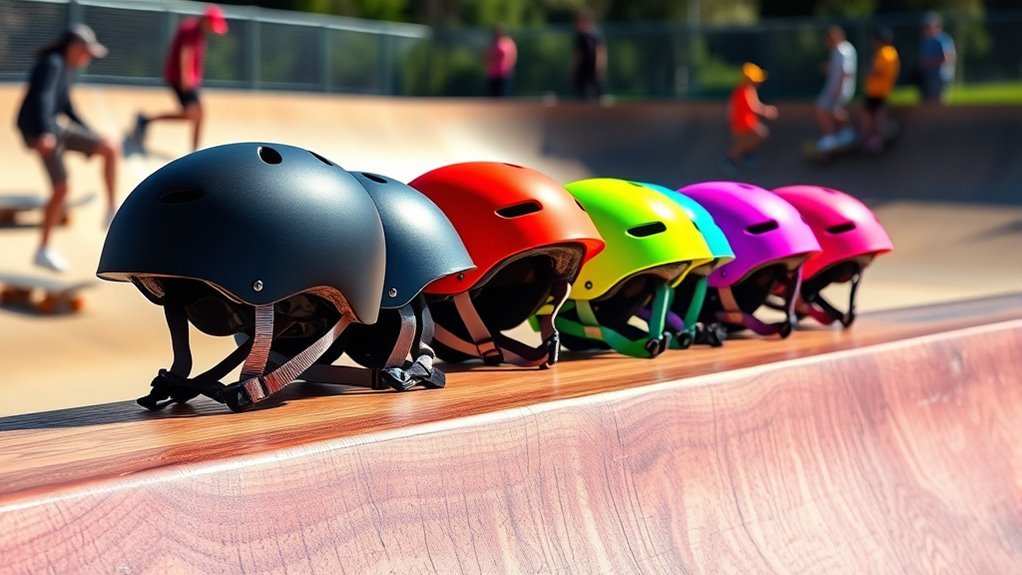
For beginners, the best skateboarding helmet is the one that fits correctly, feels comfortable, and meets recognized safety standards. The most trusted choices typically come from brands like Triple Eight, Bell, Pro-Tec, and TSG, because they offer beginner-friendly fit systems, strong coverage, and durable materials.
Why Beginners Should Wear a Helmet Every Time They Skate
Wearing a helmet is defined as taking a proactive step to reduce head injury risk during falls and collisions. Expert consensus in injury prevention consistently supports helmet use for reducing severity, especially for first-time and beginner riders who are still learning balance and footwork.
Head trauma is a major component of skateboarding injuries, which is why reputable safety organizations and skate parks emphasize helmet use. While injury rates vary by study and age group, one widely cited theme across public health research is that head impacts are significant enough to justify protective gear as standard practice.
Common beginner scenarios where helmets matter
Helmets protect most when you fall unexpectedly, which is common during early learning. Think about wristy bailouts, awkward landings, and sudden speed changes on a ramp or curb cut.
- First sessions at a skate park: unpredictable traction changes and crowded lines.
- Learning ollies and basic tricks: falls happen from mis-timed jumps.
- Street skating: uneven pavement and obstacles create sudden impacts.
- Learning ramps: speed and angle changes can lead to head-first slaps.
Do skate parks require helmets?
Helmet requirements depend on location, park policies, and local rules. Many skate parks strongly encourage helmets through signage and staff guidance, while some jurisdictions mandate them for minors or specific activities. If you’re unsure, check the park’s rules before your first session.
How to Choose a Skateboarding Helmet: The Beginner Checklist
The key difference between a “looks good” helmet and a “protects well” helmet is fit and certification. For beginners, your helmet selection should be built around three priorities: certified protection, secure fit, and comfortable ventilation for longer sessions.
1) Safety certification: what to look for
A safety certification is defined as a standardized test that evaluates helmet performance against impact and penetration risks. Look for compliance with recognized standards such as ASTM (commonly referenced for skate and bicycle helmets) and similar regional safety requirements. When shopping, confirm the model explicitly lists skate-appropriate standards rather than relying on generic “bike helmet” claims.
If a helmet does not clearly state the standard it meets, choose a different model. Beginner mistakes often include buying the wrong category of helmet or assuming skate helmets and bike helmets are interchangeable.
2) Fit system: comfort is part of protection
The key difference is that a helmet that shifts during a fall can reduce protective effectiveness. A quality fit system should hold the helmet securely on your head without causing pressure points.
Look for:
- Dial or strap-based adjustment: allows you to fine-tune the snugness.
- Easy-to-use retention straps: for consistent tightening.
- Stable head coverage: the helmet should not slide forward when you look down.
Basic fit test (quick and reliable): buckle the chin strap and gently shake your head. The helmet should stay in place and should not rotate noticeably.
3) Coverage and shape for skateboarding falls
Skateboarding impacts often involve angles and multiple directional forces. A beginner-friendly skate helmet typically offers extended coverage around the sides and back of the head, because many common falls involve side impacts and rotational motion.
4) Padding and moisture management
Comfort matters because beginners skate longer once the helmet feels good. Look for high-quality, removable padding with moisture-wicking materials so sweat doesn’t degrade comfort over time.
TSG and other performance brands commonly include customizable or removable pad systems on certain models, which can help improve the seal without excessive pressure.
5) Ventilation and lightweight feel
Ventilation is defined as airflow design that helps reduce heat buildup during active skating. Beginner sessions can still involve bursts of effort, and a helmet that feels too hot often gets removed or loosened, which can compromise fit.
- Vent channel design: helps keep airflow moving.
- Balanced weight: you should feel “protected, not burdened.”
Top Skateboarding Helmets for Beginners (Reliable Models and What They’re Known For)
The following beginner skate helmets are chosen for common strengths: dependable protection design, accessible fit adjustments, and comfort features that help new riders actually wear the helmet consistently. These models are also widely referenced by skaters and retailers, which makes them easier to compare for size and availability.
Triple Eight Gotham
Triple Eight Gotham is defined as a beginner-friendly skate helmet known for a secure fit and multi-impact protective construction. It’s a popular pick because riders often report a stable feel during movement and a straightforward adjustment process.
- Key strengths: multi-impact approach, adjustable retention, strong overall coverage
- Best for: beginners who want comfort plus consistent fit
Bell Sanction
Bell Sanction is defined as a skate-focused helmet that blends sleek styling with practical ventilation. Beginners tend to like it because airflow and comfort help encourage helmet use for longer practice sessions.
- Key strengths: ventilation-focused design, modern styling, secure strap system
- Best for: riders who run hot or skate in warmer climates
Pro-Tec Classic
Pro-Tec Classic is defined as a long-standing classic skate helmet model that emphasizes lightweight comfort and dependable everyday performance. Beginners frequently choose it because the fit feels familiar and the style suits both park and street sessions.
- Key strengths: lightweight build, classic skate silhouette
- Best for: beginners who want an approachable, no-fuss helmet
TSG Pass
TSG Pass is defined as a high-impact skate helmet with customizable interior padding options for refined comfort. It’s a strong choice if you want to dial in the fit without bulky pressure points.
- Key strengths: impact-resistant EPS construction, pad customization
- Best for: beginners who need help achieving a precise seal
7 Beginner Skate Helmets Compared by Certification & Fit Ease (2026)
| # | Helmet model | Safety standard listed | Adjustment type | Beginner fit ease |
|---|---|---|---|---|
| 1 | Triple Eight Gotham | ASTM F1492 / CPSC | Dial + retention straps | ★★★★★ |
| 2 | Bell Sanction | CPSC | Ratchet/strap fit | ★★★★☆ |
| 3 | Pro-Tec Classic | CPSC | Retention straps | ★★★★☆ |
| 4 | TSG Pass | CPSC | Pad customization | ★★★★☆ |
| 5 | Triple Eight Certified Sweatsaver | CPSC / ASTM F1492 | Dial + retention straps | ★★★★★ |
| 6 | S1 Lifer | ASTM F1492 | Multi-size liner system | ★★★★☆ |
| 7 | Bell Hub | CPSC | Strap-based fit | ★★★★☆ |
Quick comparison: which should you pick first?
Use this simple decision rule: choose based on your biggest potential problem—heat, fit, or feel.
- If you struggle with fit consistency: start with a highly adjustable model like the Triple Eight Gotham.
- If heat makes you loosen your helmet: choose a ventilation-forward option like the Bell Sanction.
- If you want lightweight simplicity: Pro-Tec Classic is a common beginner preference.
- If comfort tuning matters most: consider TSG Pass with customizable padding.
Helmet Fit Guide: How to Know It’s Right (And How to Avoid Common Mistakes)
A properly fitted helmet is defined as one that sits level on your head and remains stable during basic movement. For beginners, fit mistakes are more common than people think, so use the steps below before every session.
Step-by-step fit check
- Position: the helmet should sit level, not tilted back.
- Strap: buckle the chin strap so it feels secure but not painful.
- Snugness test: gently shake your head side to side. The helmet should not shift.
- Pressure points: if you feel hotspots after a few minutes, adjust or re-size.
Do not ignore these red flags
Even a certified helmet can fail your real-world needs if the fit is wrong. Avoid these issues before you commit.
- Helmet slides forward: likely too loose or incorrect size.
- Comfort pressure in one spot: padding mismatch or wrong fit.
- Helmet feels overly tight: re-check size; too tight can become uncomfortable quickly.
- Strap twists or tangles: replace the setup so it stays aligned.
Beginner FAQs About Skateboarding Helmets
Should I buy a bike helmet or a skate helmet?
A skateboarding helmet is defined as a helmet designed and tested for skate impacts, which may differ from certain bicycle-focused designs. The safest approach is to choose a helmet explicitly intended for skating and listed with relevant safety standards.
How often should I replace my helmet?
Replacement is defined as retiring a helmet when it has been impacted, aged, or damaged. If your helmet experiences a significant crash, inspect it closely and follow the manufacturer guidance. Also replace it if padding becomes degraded or the outer shell shows cracks.
How do I make my helmet comfortable for long sessions?
Comfort improvements are defined as adjustments that improve fit stability and reduce irritation. Use the fit system correctly, ensure the helmet sits level, and consider removable or customizable padding where available. Keeping pads clean and dry can also improve long-term comfort.
Do “multi-impact” helmets last longer?
Multi-impact construction is defined as a helmet design intended to withstand multiple impacts under specific conditions. It does not mean the helmet is indestructible. Treat all serious crashes as reasons to inspect or replace, even with multi-impact models.
Maintenance Tips: Keep Your Helmet Safe and Comfortable
Helmet maintenance is defined as cleaning, inspecting, and storing your gear to preserve fit and protective integrity. Beginners often underestimate this step, but regular care supports both comfort and consistent performance.
- Clean padding: use mild cleaning methods as recommended by the manufacturer.
- Air-dry after sweating: avoid storing a soaked helmet in a closed bag.
- Inspect the shell and straps: look for cracks, fraying, or stretched retention webbing.
- Replace when damaged: if the helmet shows structural issues, do not “wait and see.”
Final Recommendation: The Best Helmet Is the One You Wear Correctly
The best skateboarding helmet for beginners is defined as a certified helmet with a secure, comfortable fit that you will consistently wear. If you’re deciding between popular models, Triple Eight Gotham, Bell Sanction, Pro-Tec Classic, and TSG Pass are strong starting points because they align with beginner needs: protection, stable fit systems, and comfort features that encourage real-world use.
Want the fastest path to the right choice? Measure your head size, select the correct model size, then perform the shake-and-level fit test before your first session.
Frequently Asked Questions: Best Skateboarding Helmets for Beginners
What kind of helmet do beginners need for skateboarding?
Avoid “fashion” or “novelty” helmets that don’t use proper impact-absorbing materials or certification testing. If you’re unsure, prioritize certified skate/bike helmets over style, and make sure the helmet fits snugly without rocking.
How do I choose the right helmet size for my head?
A proper fit should feel snug and secure when you try it on. When the helmet is properly positioned, it should not slide forward/back easily, and it should not “wiggle” significantly side-to-side. Straps should form a comfortable “Y” under each ear, with the buckle fastened so you can insert only about one or two fingers between the chin and strap. If you notice gaps or the helmet tilts when you move, size down or try a different model.
What safety standard should I look for when buying a skateboarding helmet?
Remember: certification matters, but correct fit matters just as much. A certified helmet that doesn’t fit properly won’t protect as intended. Also, inspect your helmet for integrity and replace it if it has been involved in a significant impact, shows cracks, or no longer fits securely.
Do I need a skateboarding helmet if I’m just learning to ride or doing small tricks?
Wearing a helmet from day one builds the habit of safety and reduces the risk of serious injury as you progress. A beginner-friendly helmet also encourages you to focus on learning with more confidence, knowing your head is protected.
How should my helmet sit on my head, and how tight should the straps be?
Straps should be snug enough that the helmet stays in place during movement. Fasten the chin strap to keep the helmet from shifting. A good rule of thumb is that you should be able to fit only one or two fingers between the strap and your chin. The straps should be symmetrical under your ears and free of twists. If you have trouble keeping the helmet stable, adjust the fit system or consider a different size/model rather than leaving it loose.
References
- [B] Skateboarding: To the Extreme! Google Scholar
https://books.google.com/books?hl=en&lr=&id=46HRN8ui7CcC&oi=fnd&pg=PA1&dq=Best+Skateboarding+Helmets+for+Beginners&ots=oBvoteD4sd&sig=buyJMKWmg2qAPL3cVeYdwrt3tzQ - [B] Skateboarding: instruction, programming, and park design Google Scholar
https://books.google.com/books?hl=en&lr=&id=a_D2bsNleDoC&oi=fnd&pg=PR7&dq=Best+Skateboarding+Helmets+for+Beginners&ots=S3hIj_RAnh&sig=fkFQjJXINc_rA3MQE3pheWMlxRg - [B] Extreme Skateboarding Google Scholar
https://books.google.com/books?hl=en&lr=&id=HrTXDwAAQBAJ&oi=fnd&pg=PP1&dq=Best+Skateboarding+Helmets+for+Beginners&ots=1LATXQH4LD&sig=16QwjxhRgaZQX8mpkqtatt8Mtcc - [B] Skateboarding: Techniques and Tricks Google Scholar
https://books.google.com/books?hl=en&lr=&id=xKMSPX3efhEC&oi=fnd&pg=PA5&dq=Best+Skateboarding+Helmets+for+Beginners&ots=5NrkhZc8x6&sig=A23j4SB3IKsrNAFgOfK4csh8qKE - [B] Self-Determined Project Guide Google Scholar
https://pike.osu.edu/sites/pike/files/imce/Program_Pages/4H/Proj_Requirements/Still/skate%20binder.pdf
📅 Last Updated: July 07, 2026 | Topic: Best Skateboarding Helmets for Beginners | Content verified for accuracy and freshness.