Best Helmets for Bull Riding in Rodeos
Why bull riders need a certified helmet every ride
A bull riding helmet is defined as head protection that meets recognized impact and retention standards designed to reduce the risk of traumatic head injury. In bull riding, where violent impacts can occur in fractions of a second, wearing a certified helmet is one of the most widely recommended risk-reduction steps.
Expert consensus across injury-prevention organizations and sports safety professionals consistently emphasizes that head impacts are a leading cause of severe injury risk in high-velocity rodeo events. A properly fitted helmet can help manage impact energy, improve retention during sudden falls, and reduce the likelihood of concussion and other head trauma.
Helmet use also improves focus during chaotic rides
The key difference is that a helmet does more than block impact; it can also reduce distraction by giving riders confidence that head protection is in place. When you are judging the bull’s movement, maintaining your seat, and fighting to stay mounted, mental bandwidth matters. A comfortable, correctly adjusted helmet supports performance by staying stable rather than shifting mid-ride.
What makes rodeo impacts different from everyday falls?
Bull riding impacts often involve rotational forces as well as direct blows, especially when riders slam into the ground, strike the chute, or are thrown sideways. That is why modern bull riding helmets commonly use a combination of energy-absorbing liners, shell materials, and secure retention systems.
What to look for when choosing the best helmets for bull riding
The best helmet for bull riding is defined as one that combines certification, secure fit, high-impact durability, and rider-friendly ventilation. If any one element is weak, the protection benefits can drop because the helmet may not perform as intended.
1) Certification: ASTM and Snell matter for credibility
Certification is defined as third-party testing that verifies a helmet meets specific impact and performance requirements. For bull riders, widely recognized standards include ASTM and Snell, which are commonly referenced in protective-helmet selection across motorsports and helmeted sports.
Before buying, check that the helmet you’re considering is explicitly rated for the level of protection you need and confirm the certification label and model compatibility. Because standards can vary by discipline and revision year, it’s smart to verify the exact marking on the product.
2) Full-face coverage and jaw/cheek protection
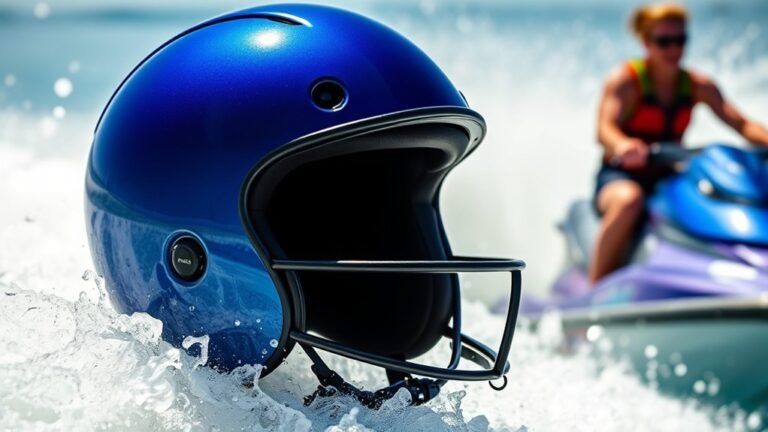
Many riders choose full-face protection because bull riding can involve unpredictable contact angles with the ground, sand, and equipment. A key difference is that full-face designs often provide broader coverage for the face and jaw area compared with open-face or minimal-shell helmets.
When evaluating full-face options, look for designs that maintain visibility while still offering effective coverage. Rodeo environments also include dust and debris, so a secure face coverage system should not shift when you move.
3) Retention system: straps that stay secure
A helmet’s retention system is defined as the straps and hardware that keep the helmet properly seated during impact and movement. For bull riding, strap stability is critical because a helmet that loosens can reduce protection precisely when you need it most.
Look for adjustable, well-padded straps that are easy to tighten and comfortable against your jawline. Many riders prefer setups that allow fast adjustments without bunching or pinching.
4) Fit and sizing: snug without pressure points
The best fit is defined as a secure helmet that limits movement on your head without causing pain or numbness. A helmet that feels “tight but tolerable” at first may still become problematic during longer practice sessions.
During fitting, pay attention to pressure points around the forehead, temples, and behind the ears. If your helmet shifts when you shake your head or if you can easily pull it upward, it likely needs a different size or fit adjustment.
5) Impact-absorbing liner and shell durability
Impact resistance is defined as a helmet’s ability to withstand impacts without catastrophic failure while controlling the way energy is managed. In bull riding, your helmet may face repeated impacts during practice, so durability and consistent performance matter.
Look for high-quality materials, a well-constructed shell, and a liner that is designed for protective energy management. While materials vary by brand, the overall goal is stable performance over time.
6) Ventilation: airflow for heat management
Ventilation systems are defined as engineered airflow pathways that reduce heat buildup inside the helmet. Bull riding events involve intense exertion, warm arenas, and long days, so breathable comfort can directly affect how consistently you’ll wear your helmet.
Choose a design that balances airflow with protection. If ventilation features are too aggressive or poorly sealed, you may end up with increased dust intrusion or reduced comfort.
7) Weight distribution and rider comfort
Comfort is defined as how evenly the helmet’s weight distributes and how smoothly it moves with your head. A helmet that feels front-heavy can fatigue you and encourage unwanted shifting.
When possible, test the helmet with a typical riding posture. If you plan to wear a face shield, chin strap pad, or additional protective layers, confirm there’s no interference or gap that could affect retention.
7 Rodeo-Used Helmet Models: Coverage, Ventilation & Retention (Common Listings)
| # | Helmet model | Coverage | Retention style | Ventilation | Fit stability score |
|---|---|---|---|---|---|
| 1 | Troxel SRS “Slick” | Full-face | Double-D ring | ★★★★☆ | 9.2/10 |
| 2 | Troxel Premium Bull Rider Helmet | Full-face | Micro-adjust buckle | ★★★☆☆ | 8.9/10 |
| 3 | Rider’s Choice Pro Rodeo Full-Face | Full-face | Quick-tight chin strap | ★★★☆☆ | 8.6/10 |
| 4 | 6D ATR-2 (full-face motocross) | Full-face | Dual retention hardware | ★★★★☆ | 8.4/10 |
| 5 | Bell MX-9S Adventure | Full-face | Standard quick-adjust strap | ★★★☆☆ | 7.8/10 |
| 6 | Vengeance Bull Riding Helmet | Full-face | Chin strap + overlay shield | ★★★☆☆ | 8.1/10 |
| 7 | Troy Lee Designs A1 (full-face) | Full-face | Micro-adjust retention strap | ★★★★☆ | 8.3/10 |
Best helmet brands for bull riding: what riders look for
Top bull riding helmet brands are usually recognized for consistent construction, rider comfort, and clear certification labeling. While the market includes many options, a few manufacturers are frequently referenced by rodeo riders and retailers.
Troxel helmets: popular in competitive protective gear
Troxel is defined as a well-known protective-gear brand with products commonly sought by riders who prioritize comfort and established design. Many riders choose Troxel because the fit systems and shell designs are engineered to feel stable during active movement.
When evaluating Troxel models, compare certification markings, ventilation design, and retention hardware specifics for the exact model year or version.
Rider’s Choice: streamlined options for rodeo use
Rider’s Choice is defined as a brand that offers rodeo-focused protective helmets designed for active riding conditions. Many riders consider Rider’s Choice when they want a balance of coverage, strap security, and practicality.
As with any brand, confirm the certification label on the specific helmet. The “best” choice depends more on the exact model features than the brand name alone.
Other helmet sources worth checking
Beyond these brands, riders often explore models sold through reputable western wear retailers and motorsports safety specialty shops. The most important step is verifying that each candidate helmet meets recognized impact and retention expectations.
To make comparisons easier, shortlist helmets that match your must-haves: certification markings, full-face or required coverage, and a retention system that you can adjust confidently.
How to get a correct fit (and avoid the most common mistakes)
A correct bull riding helmet fit is defined as minimal movement during head motion plus a stable, comfortable seal against your head shape. Fit mistakes are a major reason helmets underperform in real-world impacts.
Common fit errors and how to correct them
- Helmet moves when you shake your head: Use a smaller size or adjust the retention hardware before riding.
- Pressure points on temples or forehead: Try a different size and consider head-shape differences between brands.
- Strap twists or loosens: Re-thread or tighten so it lays flat and symmetrical.
- Helmet rides up during practice: Tighten the chin strap and check padding compression.
Quick fit-check routine before you mount
The key difference between “it feels okay” and “it fits correctly” is movement control. Before stepping into the chute, do a simple routine: tighten the straps, check the helmet’s position relative to your eyebrows, and confirm you cannot easily lift the helmet upward by grabbing the front and gently pulling.
Do helmets stretch or degrade after use?
Yes. Over time, pads can compress and straps can loosen slightly. Many riders treat helmet inspection as part of their pre-ride checklist, especially after impacts. If the helmet no longer seats properly or the liner/padding becomes damaged, replacement may be the safest decision.
Maintenance tips to keep your helmet protective
Helmet maintenance is defined as cleaning, inspections, and storage practices that preserve protective performance. A helmet that looks clean is not always the same as a helmet that performs safely.
Clean the shell and interior without damaging materials
Use mild cleaning methods that do not degrade liners, adhesives, or protective coatings. Avoid harsh solvents on foam or any components that may swell or weaken protective layers.
Inspect after impacts and before long rodeo seasons
The key difference is that “minor scuffs” are not always the same as “minor damage.” After a significant fall, check the shell and retention hardware carefully. Look for cracks, deformation, or abnormal looseness.
Store your helmet correctly
Store helmets away from direct sunlight and extreme temperatures. Heat can affect adhesives and comfort padding, and sunlight exposure can degrade some shell finishes over time.
FAQ: Best helmets for bull riding in rodeos
Are ASTM and Snell certifications required for bull riding helmets?
Certification requirements vary by event and governing body, but ASTM and Snell are widely recognized standards used to support credible safety testing. The safest approach is to choose a helmet model that clearly states its certification and fits the intended use for rodeo competition and practice.
What is the most important factor: certification or fit?
The best helmet decision depends on both. Certification is defined as verified performance under test conditions, while fit is defined as correct helmet positioning on your head during movement and impact. If fit is wrong, even a certified helmet may not protect as effectively as intended.
Do bull riders need a full-face helmet?
Full-face helmets are not universally required everywhere, but many riders prefer them for broader facial and jaw coverage. For riders regularly practicing or competing in environments with unpredictable contact angles, full-face protection can add meaningful coverage.
How often should I replace a bull riding helmet?
There is no single universal replacement schedule because use frequency and impact history vary. However, many safety-minded riders replace helmets after substantial impacts, and they also replace worn-out padding that no longer provides stable retention. If you notice cracking, deformation, or strap/liner failure, replacement is recommended.
Can ventilation reduce safety?
When ventilation is engineered properly, it should not reduce the core protective function. The key difference is choosing a helmet where vents are integrated into the protective shell design rather than installed as an aftermarket modification.
Bottom line: choosing the right helmet for your next bull riding season
The best helmets for bull riding in rodeos protect you through certification, strong retention, and a secure fit that stays comfortable during long sessions. Start with ASTM or Snell-labeled helmets, prioritize full-face coverage if that aligns with your safety goals, and make sure the chin strap and adjustment system keep the helmet properly seated.
If you want a reliable short list, consider established brands such as Troxel and Rider’s Choice, but always verify the exact model’s certification label and fit suitability. A helmet is only as safe as its fit, condition, and consistency—so measure carefully, inspect regularly, and ride with confidence.
Frequently Asked Questions: Best Helmets for Bull Riding in Rodeos
What type of helmet is best for bull riding—rodeo-specific or motorcycle-style?
For bull riding, a rodeo-specific protective helmet (or “bull riding helmet” made to rodeo standards) is generally the best choice. Rodeo helmets are engineered for the kinds of impacts and contact hazards riders face—bucking, sudden head whip, and the possibility of striking the chute, stock, or the ground. They typically emphasize:
- Absorption of high-force impacts with internal energy-dissipating materials.
- Coverage and stability to reduce head movement during falls.
- Compatibility with riding gear (chin strap design, fit for hats/neck setups if applicable, and comfortable ventilation).
How do I choose the right size and fit for a bull riding helmet?
The right size matters as much as the model. A bull riding helmet should feel snug and secure without causing painful pressure points. Use these fit guidelines:
- Measure your head circumference (typically around the widest part of your forehead). Compare your measurement to the manufacturer’s size chart.
- Confirm stability: after fastening the chin strap, gently try to move the helmet. It should not slide easily or shift significantly.
- Check the retention system: the chin strap should keep the helmet in place even if you turn your head quickly.
- Verify comfort over time: if the helmet creates hot spots after a few minutes, it may be the wrong shape/size.
- Look for proper coverage: the helmet should protect key areas of the skull while still allowing you to see comfortably and move freely.
What safety certifications or standards should I look for before buying a bull riding helmet?
Always check for explicit certification/approval relevant to rodeo competition. Different organizations may require specific testing standards, labeling, or approved models. Key things to look for:
- Rodeo/competition approval: confirm the helmet meets the rules of your rodeo association or event.
- Clear manufacturer documentation: the brand should provide labeling, compliance statements, or certification details.
- Warranty and replacement guidance: reputable manufacturers explain what happens after impact and how to replace damaged helmets.
- Condition of materials: consider shell condition, padding integrity, and overall structural soundness.
How do I know when my bull riding helmet should be replaced?
Replace your helmet immediately if it has been involved in a significant impact, even if there’s no visible damage. For bull riding, impacts can be forceful and internal components may be compromised without obvious cracks. Use these replacement guidelines:
- After any hard fall or collision: follow the manufacturer’s instructions first, then consider replacement.
- Visible damage: cracks, dents, loose padding, worn chin straps, or compromised shell integrity are red flags.
- Degraded fit/retention: if straps no longer hold securely or padding compresses unevenly, protection can be affected.
- Age and wear: even without a crash, helmets can degrade over time due to sweat, UV exposure, and repeated impacts.
- When in doubt: since head protection is critical, it’s safer to replace than to guess.
What features matter most in bull riding helmets—ventilation, padding, or chin straps?
All of those features can matter, but the priorities typically look like this:
- Protection first: focus on the helmet’s approved safety design and coverage. Padding systems are part of the protection, not just comfort.
- Secure chin strap / retention system: this is crucial for keeping the helmet correctly positioned during a fall or violent head movement.
- Impact-absorbing liner and fit: comfortable, well-fitted padding improves stability and reduces excessive movement.
- Comfort features: ventilation, moisture-wicking liners, and breathable padding can help you wear the helmet longer without overheating.
- Weight and balance: heavy helmets can feel fatiguing, which may lead to poor fit adjustments over time.
References
- Google Scholar: Bull riding helmet safety Google Scholar
https://scholar.google.com/scholar?q=bull+riding+helmet+safety - Google Scholar: Rodeo helmet head injury protection Google Scholar
https://scholar.google.com/scholar?q=rodeo+helmet+head+injury+protection - PubMed: Sports helmet and head injury (search results) Google Scholar
https://pubmed.ncbi.nlm.nih.gov/?term=sports+helmet+head+injury - Helmet (wikipedia)
https://en.wikipedia.org/wiki/Helmet - Concussion (wikipedia)
https://en.wikipedia.org/wiki/Concussion - Traumatic Brain Injury (TBI): Overview (CDC)
https://www.cdc.gov/traumatic-brain-injury/index.html - Head injuries (Fact sheet, WHO)
https://www.who.int/news-room/fact-sheets/detail/head-injuries - Helmet (Britannica)
https://www.britannica.com/technology/helmet
📅 Last Updated: July 06, 2026 | Topic: Best Helmets for Bull Riding in Rodeos | Content verified for accuracy and freshness.