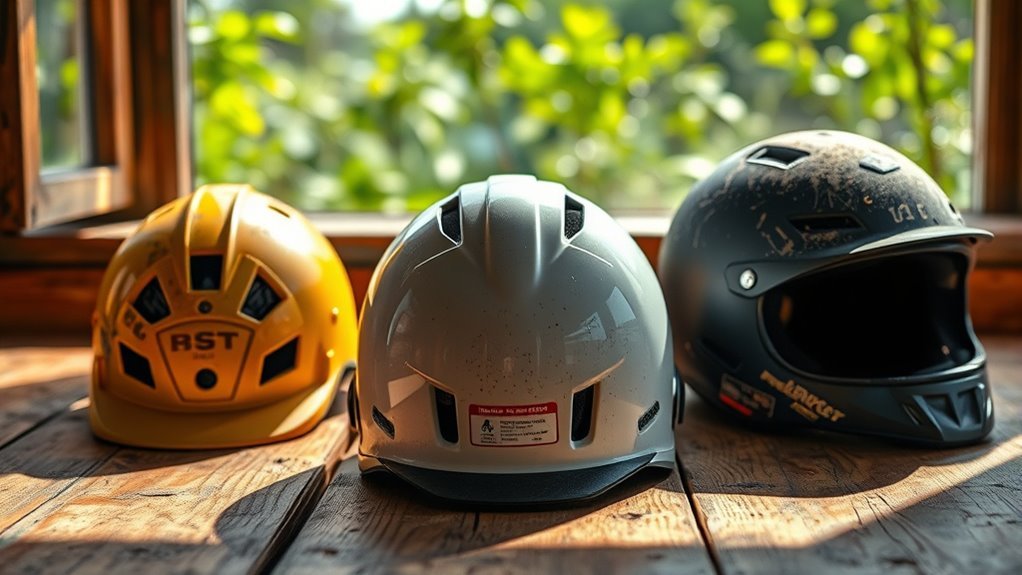
When to Replace Your Helmet: A Guide to Lifespan
When to Replace Your Helmet (Direct Answer)
Most helmets should be replaced every 3 to 5 years, even if they look fine. Replace sooner if you see damage, if the helmet has taken a significant impact, or if the fit or safety features no longer perform as intended.
Helmet Lifespan: What “Replace Every X Years” Really Means
A helmet’s lifespan is defined as the period during which its materials and energy-absorption system still protect you at their designed level. For most modern helmets, that window is typically 3 to 5 years under normal conditions, but real-world wear can shorten it.
Helmet manufacturers and safety organizations generally agree on periodic replacement because helmet protection can degrade over time. The foam liner (often expanded polystyrene or similar energy-absorbing materials), the outer shell, and the retention system can be affected by environmental exposure and repeated load.
Why helmets age even when they aren’t visibly damaged
The key difference is that many helmet failures are not obvious to the eye. UV exposure, sweat chemistry, heat, cold, and repeated minor compressions can reduce the effectiveness of the protective layers.
- UV radiation and weathering: Sunlight can weaken polymer components and reduce resilience in the outer shell and retention parts.
- Heat cycles: Leaving a helmet in a hot car or near heaters can accelerate material breakdown.
- Temperature extremes: Cold weather can change foam behavior, especially when the helmet is tested or impacted repeatedly.
- Sweat, skin oils, and cleaning products: Ongoing exposure can affect strap webbing, adhesives, and padding condition.
Common standards and why they matter
Helmet standards are defined as formal safety requirements used to verify protective performance. Following current standards helps ensure your helmet is built and tested for recognized impact and retention criteria.
Look for compliance information relevant to your riding type. In many regions, common benchmarks include bicycle helmet safety standards such as CPSC (U.S.), EN 1078 (Europe for cycling), and ASTM F1492 (bicycle helmets in the U.S.). For motorcycling, standards commonly referenced include DOT, ECE, and similar certification markings depending on the jurisdiction.
If your helmet is not meeting the standards you ride under, you may need replacement or an upgrade even if it is “within age.”
Signs It’s Time to Replace Your Helmet
Replace your helmet immediately if you notice structural damage, strap deterioration, or degraded padding that affects fit and retention. Even if the helmet passes a quick look test, certain wear indicators suggest reduced protection.
Visible damage to the shell
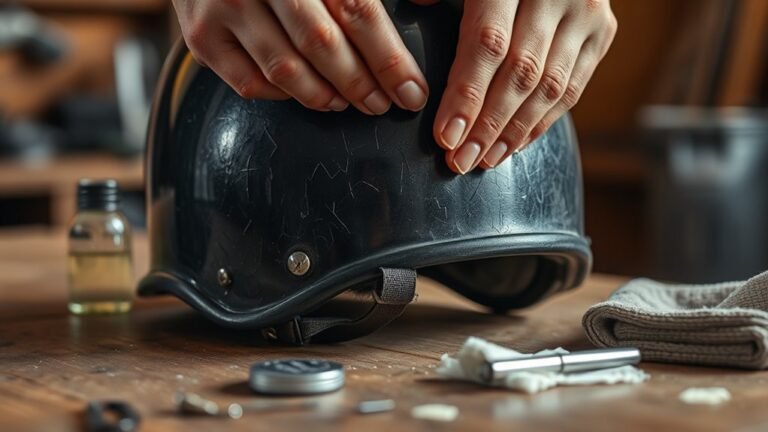
Cracks, deep dents, or compromised outer shells are strong signals that the helmet’s energy-absorbing system may be impaired.
- Cracks: Any visible cracking on the shell or around vents is a replacement trigger.
- Dents: Significant dents can indicate internal foam has crushed, even when cracks are not obvious.
Padding compression or detachment
Helmet padding is defined as the internal comfort and impact-absorption support system that helps maintain fit and stability. If the padding is compressed, thinning, loose, or falling apart, the helmet’s ability to maintain proper positioning can be reduced.
- Compressed foam: If you feel areas that no longer have shape or resilience, protection may be compromised.
- Loose liners or failing attachments: If parts shift during normal movement, the helmet may not stay positioned during impact.
Strap and retention system problems
The key difference is that retention system integrity is essential to head protection. A helmet can be structurally sound yet unsafe if the strap, adjusters, or buckles no longer secure properly.
- Fraying or stretching: Replace if strap webbing shows damage or loses tension.
- Worn or malfunctioning buckles: Any inability to fasten or adjust securely warrants replacement.
- Loose helmet fit: If the helmet shifts side-to-side or front-to-back when you wear it correctly, the retention system may be failing.
Age cutoff: why 3 to 5 years is a practical benchmark
If your helmet is older than 5 years, replacement is strongly recommended even when it looks good. Material degradation can occur without visible cracking.
Helmet Condition: How Soon You Should Replace (Practical Guide)
| # | Helmet age / history | What to check | Confidence that it’s safe to keep riding | Replace urgency |
|---|---|---|---|---|
| 1 | Under 2 years, no crashes | Straps secure; padding holds shape | High (meets fit + integrity expectations) | ★★★★☆ |
| 2 | ~3 years, normal wear only | No cracks; buckles adjust smoothly | Medium-high | ★★★☆☆ |
| 3 | 3–4 years, frequent sun/heat exposure | Shell brittleness; webbing condition | Medium | ★★☆☆☆ |
| 4 | ~4–5 years, no crashes but aging signs | Padding flattening; fit still stable | Medium-low | ★☆☆☆☆ |
| 5 | Older than 5 years (any riding frequency) | Check for hidden liner degradation | Low | ★★★★★ |
| 6 | Any crash/impact (even if it “looks fine”) | Hidden liner crush; new deformation | Low | ★★★★★ |
| 7 | Cracked shell, failing straps, or loose retention | Structural integrity + retention reliability | None (unsafe to keep) | ★★★★★ |
For helmets closer to the 3-year mark, you should still evaluate condition after impacts and environmental exposure. A “newer” helmet can be unsafe after a crash, while an “older” helmet can sometimes remain in good condition when stored well and never impacted.
Impact Damage: Replace After Any Significant Crash
Any helmet that has been in a serious crash should be replaced, even if it appears intact. Helmets are engineered to absorb energy, and that protection is often consumed during an impact.
Why “no visible damage” doesn’t guarantee safety
After an impact, a helmet may have internal damage that is not visible externally. The key difference is that outer-shell appearance cannot confirm foam integrity or structural stability.
- Compressed liner: The internal foam may crush during impact, reducing future effectiveness.
- Adhesive or attachment failure: Internal bonding can weaken even if the shell looks okay.
How to decide whether the impact was significant
Many riders ask whether a “minor bump” requires replacement. While manufacturers’ instructions vary, the safest approach is to replace after any impact that could have generated rapid deceleration or notable head contact.
Consider replacement if any of the following occurred:
- The helmet hit the ground or an object during a fall.
- You experienced a crash, even if you felt fine afterward.
- The helmet shows new marks such as dents, cracks, or deformation.
- The helmet fit changed after the impact (straps or shell no longer sit correctly).
Frequently asked question: “Do I replace after every fall?”
Direct answer: Replace after any fall or impact that could have compromised the helmet’s protective layers, especially if there is ground contact, visible deformation, or uncertainty.
If the helmet was knocked off your head without striking anything, and the helmet shows no damage, follow the manufacturer guidance. When in doubt, replacement is the safer choice.
Helmet Replacement for Different Riding Types
Helmet replacement timelines can vary by riding type because materials and impact risks differ. Always use the manufacturer’s instructions for your specific helmet model, but the 3 to 5-year benchmark and impact-replacement rule generally apply widely.
Bicycle and e-bike helmets
Bicycle helmets are defined as head protection devices designed for cycling impacts and retention under motion. Many bicycle helmet brands provide replacement guidance that emphasizes periodic replacement and immediate replacement after crashes.
- If you ride frequently, sweat and UV exposure may shorten usable life.
- If you use an e-bike, the increased speed and traffic density can increase impact severity risk.
Skate, BMX, and scooter helmets
Skate and park riding often involves higher bounce rates and repeated contact with surfaces. That makes it especially important to inspect shells, straps, and foam condition after each session.
Motorcycle helmets
Motorcycle helmets are defined as protective headgear intended to reduce injury in higher-energy crashes. Many riders follow stricter replacement practices because speeds and impact forces can be severe.
For motorcycle use, treat any major impact as a replacement event, and consider manufacturer recommendations based on the specific shell and liner technology.
How to Extend Helmet Life Without Reducing Safety
You cannot “repair” the protective function of foam liners once they have been crushed, but you can reduce unnecessary aging. Good storage and maintenance help slow UV and heat damage and keep the retention system performing.
Practical maintenance habits
- Store indoors: Keep your helmet away from direct sunlight and hot storage areas.
- Avoid solvents: Clean gently and follow manufacturer-approved cleaning methods for pads and straps.
- Dry after sweaty rides: Allow the helmet to air-dry before storing.
- Inspect regularly: Check for cracks, strap fraying, buckle function, and padding condition.
Fitting checks that help confirm safety
The correct helmet fit is defined as a retention setup that keeps the helmet stable on the head during normal motion and impact. Even a safe helmet can become ineffective if the fit is wrong.
Do a fit check by adjusting the straps so the helmet sits level and does not move excessively when you shake your head gently. If you need frequent re-adjustment because the retention system slips, consider replacement.
Conversational Q&A: Common Helmet Replacement Questions
Question: “Is 5 years always the cutoff?”
Direct answer: No. Five years is a conservative guideline, not a guarantee. If your helmet is heavily exposed to sun, heat, sweat, or repeated minor impacts, it may need replacement earlier.
Question: “Can I keep using my helmet if it looks new?”
Direct answer: Sometimes, but you must confirm condition and history. If the helmet has taken a significant impact or shows strap/padding issues, replace it regardless of appearance.
Question: “What should I do right after a crash?”
Direct answer: Replace the helmet and review the incident’s severity, especially if there was ground contact or head strike. Seek medical advice if you have symptoms of concussion, such as dizziness, headache, confusion, nausea, or memory issues.
Question: “Does cleaning affect helmet safety?”
Direct answer: Cleaning can help maintain fit and strap integrity, but aggressive chemicals and incorrect solvents can degrade materials. Use manufacturer-approved methods and avoid harsh solvents on shells, foam liners, and straps.
Bottom Line: Replace on Schedule, Inspect After Impacts
Your helmet is one of the most important safety devices you can wear. A replacement schedule of 3 to 5 years, combined with immediate replacement after significant impacts and clear inspection triggers, is the most widely recommended approach.
If you want a simple rule you can trust: replace every 3 to 5 years, replace immediately after a serious crash, and replace at any sign of strap, padding, or shell damage. For the most accurate decision, always follow your helmet’s manufacturer instructions and the relevant safety standards for your riding activity.
Frequently Asked Questions: When to Replace Your Helmet (Lifespan Guide)
How long does a helmet typically last?
Should I replace my helmet after a crash, even if there’s no visible damage?
What signs mean I should replace my helmet sooner?
Does heat, sunlight, or storage affect helmet lifespan?
How do I choose a replacement schedule for my helmet type and use?
References
- Google Scholar Search: Bicycle Helmet Replacement After Crash Google Scholar
https://scholar.google.com/scholar?q=bicycle+helmet+replacement+after+crash - Google Scholar Search: Helmet Aging and Materials Performance Studies Google Scholar
https://scholar.google.com/scholar?q=helmet+aging+materials+performance+study - PubMed: Studies on Helmet Replacement After a Crash Google Scholar
https://pubmed.ncbi.nlm.nih.gov/?term=helmet+replacement+after+crash - CDC: Bicycle Safety—Helmets
https://www.cdc.gov/transportationsafety/bicycle_safety/helmets/index.html - U.S. CPSC: Bicycle Helmets (Safety Guidance)
https://www.cpsc.gov/Safety-Education/Safety-Guides/Bicycles/Bicycle-Helmets - NHTSA: Motorcycle Helmets (Road Safety Information)
https://www.nhtsa.gov/road-safety/motorcycle-safety/motorcycle-helmets - WHO: Helmets (Road Safety Fact Sheet)
https://www.who.int/news-room/fact-sheets/detail/helmets - Wikipedia: Bicycle Helmet
https://en.wikipedia.org/wiki/Bicycle_helmet
📅 Last Updated: July 07, 2026 | Topic: When to Replace Your Helmet: A Guide to Lifespan | Content verified for accuracy and freshness.