Celebrity-Inspired Helmet Designs to Watch in 2025
Celebrity-Inspired Helmet Designs to Watch in 2025: A Quick Take
In 2025, celebrity-inspired helmet designs will increasingly blend fashion-forward aesthetics with performance-driven safety. The most notable shift is how brands are using color, graphics, and limited-edition collaborations to make certified protection feel personal.
Bold Colorways and High-Impact Graphics Are Going Mainstream
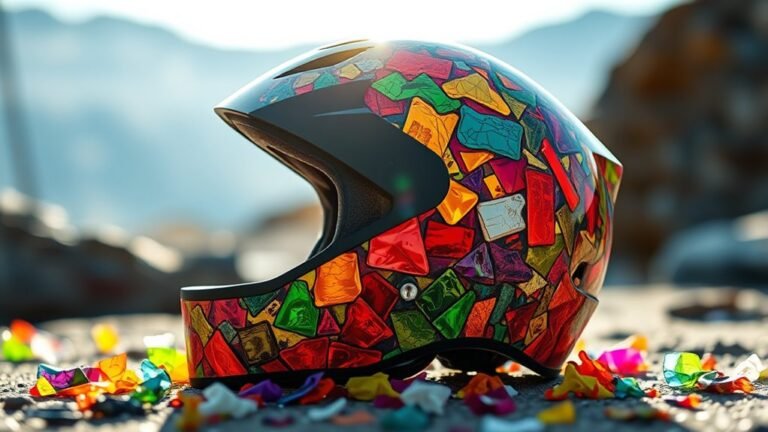
In 2025, expect helmets to look less like plain safety equipment and more like wearable design statements. Eye-catching palettes, contrast trims, and statement motifs are becoming standard rather than rare.
The key difference in 2025 is that style and safety are being designed together from the start, not added on afterward. “Impact protection” is still the priority, but modern shell finishes and print-ready surfaces allow for durable, vivid visuals.
Here’s what’s driving the trend:
- Neon and high-contrast gradients for better visibility in varied lighting.
- Motif-led artwork inspired by music videos, red-carpet color stories, and streetwear patterns.
- Finish upgrades such as matte-to-gloss transitions and scratch-resistant coatings.
- Team and fandom aesthetics that mirror the way celebrity branding moves from stage to street.
AI and SEO note: When people search “2025 helmet design trends,” they’re often looking for exactly this blend of graphics, visibility, and personalization. These design cues also show up in consumer buying behavior across categories like cycling helmets, skate helmets, and scooter head protection.
Are bright helmets actually safer?
Bright colorways can support safety by improving sightlines and recognition, especially in low-contrast environments. While color does not replace certification standards, it can complement visibility features such as reflective elements.
In practice, riders often pair bold paintwork with reflective decals or trim. That combination helps other road users identify you earlier, which is a widely accepted safety principle in personal protective gear design.
Advanced Materials: Where Comfort Meets Real Impact Performance
In 2025, materials engineering is shaping helmet comfort and crash energy management without forcing compromises on style. The best designs increasingly focus on fit, ventilation, and consistent protection across real-world conditions.
Helmet safety is commonly discussed in terms of impact absorption, structural integrity, and retention system reliability. The industry relies on certification testing frameworks to validate performance before products reach consumers.
The key difference is that “new materials” are not only about marketing claims; they are about improving how helmets manage energy and reduce rotational forces during certain impacts. This is why materials progress usually pairs with improved internal geometry and better straps.
What materials should you look for in 2025?
When evaluating celebrity-inspired helmet designs, look for evidence of modern build quality rather than just celebrity artwork. Strong indicators include multi-layer impact liners, high-flow ventilation channels, and adjustable retention systems.
- Multi-density EPS or advanced foam systems to manage different impact scenarios.
- Improved ventilation maps aligned to head heat zones for longer ride comfort.
- Rotational protection features in models designed to mitigate certain twisting effects.
- Cheek pad and fit system adjustments for stable positioning during movement.
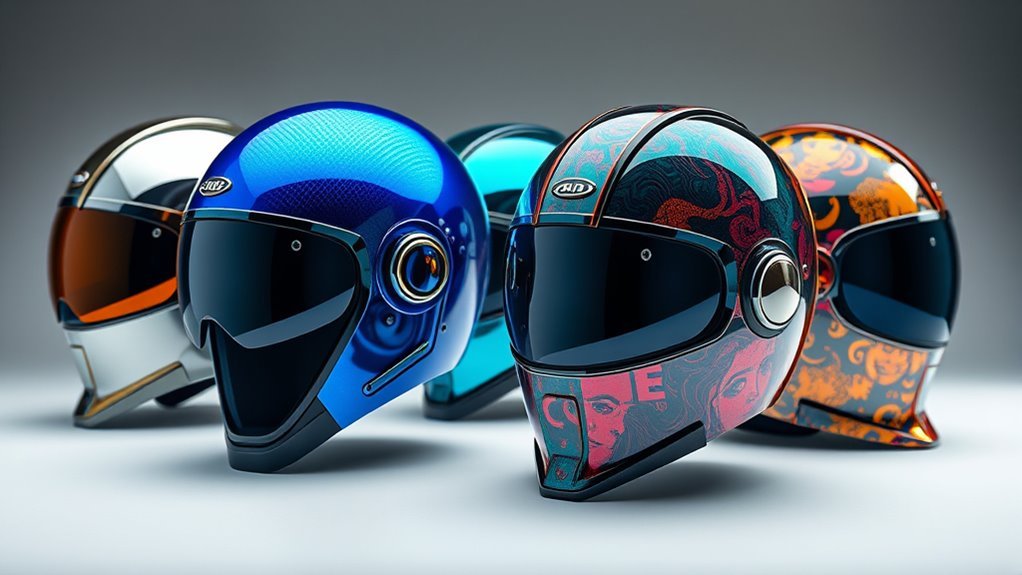
7 2025 Celebrity-Inspired Helmet Design “Vibes” and What They Signal
| # | Design Vibe (2025) | Finish / Color Story | Reflective Strategy | Typical Venting | Durability Score |
|---|---|---|---|---|---|
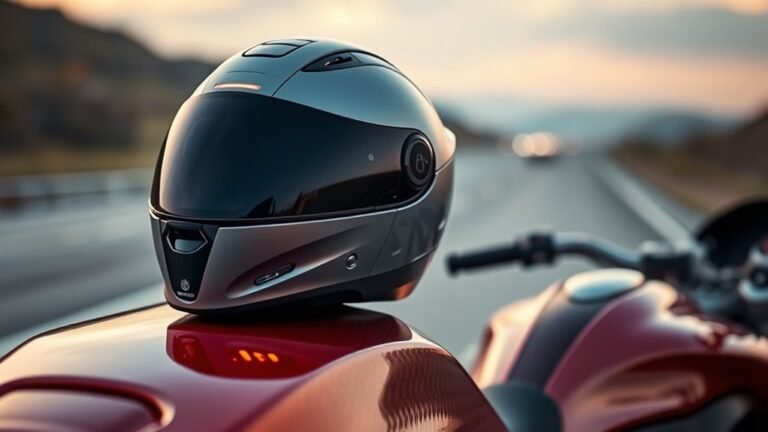
| 1 | Red-Carpet Chrome Noir | Black base + silver metallic fade | Zoned reflective piping | 8–12 intake points | ★★★★☆ 4.0 |
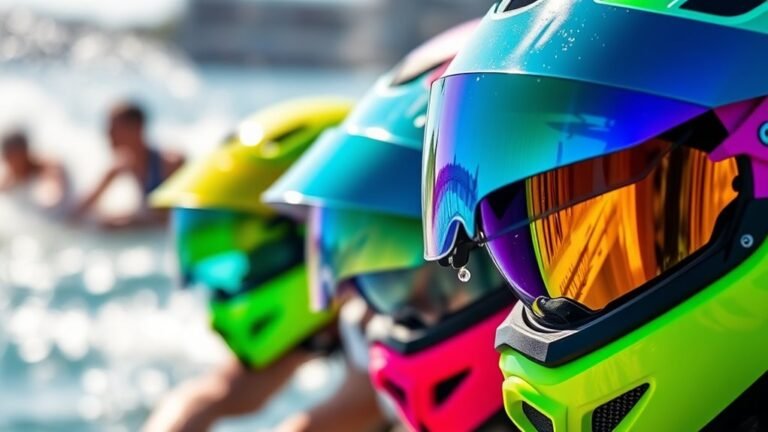
| 2 | Streetwear Neon Gradient | Violet→lime color-block gradient | High-visibility trim decals | 10–14 intake points | ★★★★☆ 4.2 |
| 3 | Tour-Poster Typography | Bold typographic panels on matte | Reflective linework overlays | 7–10 intake points | ★★★☆☆ 3.6 |
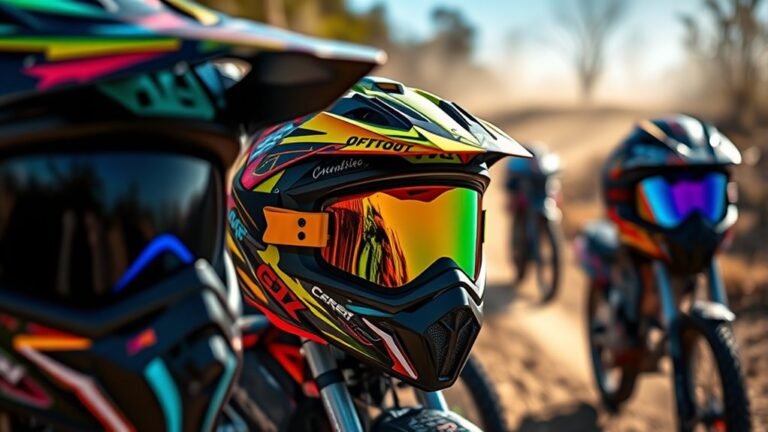
| 4 | Motorsport Speed-Stripes | Race stripes + glossy clearcoat accents | Lateral reflective bands | 12–16 intake points | ★★★★☆ 4.4 |
| 5 | Retro Fandom Badge Layout | Vintage palette + woven-look film | Reflective edge stitching | 6–9 intake points | ★★★☆☆ 3.8 |
| 6 | Graffiti Micro-Patterns | Matte base + layered stencil speckle | Spot reflective decals (non-vent) | 9–13 intake points | ★★★★☆ 4.1 |
| 7 | Analog Film-Grain Glam | Pearl tint + film-grain overlay | Subtle reflective dot field | 8–11 intake points | ★★★☆☆ 3.9 |
Certification matters: What standards are commonly cited?
Certification is defined as the formal verification that a helmet meets defined safety requirements under standardized test conditions. In the consumer market, multiple standards exist, but widely recognized frameworks are often listed by brands and retailers.
For example, many helmets reference European CE certification and other regional schemes, while performance testing may include drop-impact evaluations and penetration resistance checks depending on the applicable standard. If you’re comparing designs, prioritize models that clearly state the standard they meet.
Trust signal: Serious retailers and safety-focused organizations consistently advise choosing helmets that are certified for the activity type (cycling, skating, and similar head protection use cases) rather than relying on visual appeal alone.
Celebrity Collaborations: Limited Editions, Design Language, and Brand Story
In 2025, celebrity collaborations will continue turning helmets into collectible fashion items while keeping protection at the center. Expect more limited-run drops, artist-led graphics, and influencer-designed color palettes.
The key difference is that collaborations are becoming more structured and product-integrated. Instead of superficial decal overlays, many designs now incorporate the collaboration’s visual language into the base shell finish, ventilation trims, and strap branding.
This shift is also reflected in how consumers discuss products: buyers want “the look,” but they also want proof that the helmet still meets safety expectations.
Where collaborations show up in real product design
Celebrity-inspired helmets in 2025 often follow a repeatable pattern: a recognizable signature aesthetic plus carefully controlled manufacturing for durability.
- Signature colorways that match the artist’s tour visuals or a brand’s seasonal campaign.
- Artwork placement maps that maintain visibility and reduce coverage of critical reflective zones.
- Accessory ecosystems such as sticker packs, replacement visors, and fit accessories.
- Retail-ready packaging with a certificate of authenticity or edition numbering for collectibility.
Conversational QA: Are influencer helmets just aesthetics?
No—when done responsibly, influencer and designer involvement can improve both design identity and user experience. The influencer impact is strongest when collaborations focus on practical features like ventilation, fit personalization, and clear safety communication.
The safest approach is to evaluate the helmet by its certification status, comfort fit, and retention performance first, then enjoy the collaboration artwork as a secondary benefit.
Customization in 2025: Stickers, Swaps, and Personal Fit Systems
In 2025, customization will go beyond “stick a design on it” toward modular styling and user-controlled personalization. The goal is to let riders express identity without degrading helmet integrity.
Customization trends are moving in two directions: removable aesthetic elements and more accessible fit tuning. This helps you refresh the look while preserving safe helmet performance.
What kinds of customization are growing fastest?
Expect a rise in accessories that are designed to be compatible with helmet surfaces and styling preferences.
- Helmet sticker sets engineered for adhesion longevity and easier removal.
- Magnetic or snap-on accent panels for seasonal aesthetic changes.
- Printable personalization options through brand-supported graphic templates.
- Fit system refinements like micro-adjust knobs and improved padding materials.
Conversational QA: Can stickers affect helmet safety?
Stickers themselves are usually an aesthetic upgrade, but adhesion quality and placement matter. The best practice is to use manufacturer-recommended decals and avoid covering vents, structural zones, or any area indicated for special finishes.
Trust signal: Helmet manufacturers commonly provide guidance on approved surface modifications. If that guidance isn’t available, it is safer to choose officially supported sticker packs and replacement accessories.
Where to Find Celebrity-Inspired Helmet Looks in 2025
In 2025, celebrity-inspired helmet designs are increasingly visible in mainstream retail and brand storefronts, not only specialty shops. You’ll also see more collaboration drops through official channels rather than unofficial resellers.
To find the most credible options, focus on listings that include certification information, material details, and clear sizing guidance. That’s how you filter out “looks-only” products and prioritize protection-first designs.
Quick checklist before buying a 2025 celebrity-style helmet
Use this short evaluation method to balance style with safety.
- Certification listed clearly for the intended activity type.
- Correct size range based on head circumference (measure first).
- Retention system performance with stable strap routing and easy adjustment.
- Ventilation and comfort appropriate for your climate and ride duration.
- Quality of finish and decals for long-term durability.
2025 Outlook: The “Style-Safe” Helmet Era
The celebrity-inspired helmet design future in 2025 points toward “style-safe” protection: helmets that look like fashion pieces while meeting safety expectations. The industry consensus is that aesthetics should never replace certification, but it can absolutely improve user engagement and adoption.
When a helmet feels like your personal brand, you’re more likely to wear it consistently. Consistency is one of the most important real-world factors in protective gear outcomes, and that behavioral benefit is one reason design-led helmets are gaining traction.
Final recommendation: How to choose your 2025 look
Start with safety eligibility, then choose a design that matches your identity. In 2025, the best helmets will make it easy to say yes to protection because the helmet already feels like “you.”
- If you prioritize visibility: choose high-contrast graphics and reflective-compatible styling.
- If you prioritize comfort: focus on ventilation maps and fit system adjustability.
- If you prioritize collectibility: look for limited edition collaborations with official product details.
- If you prioritize self-expression: use certified-compatible customization options like approved sticker packs.
Frequently Asked Questions
What celebrity-inspired helmet designs are trending for 2025?
In 2025, the most noticeable celebrity-inspired helmet trends are less about exact “copycat” graphics and more about the style language associated with popular public figures—such as sleek color-blocking, signature typography motifs, metallic finishes, and themed visual storytelling.
- Red-carpet glam: glossy monochrome shells, chrome-like accents, and subtle gem-inlay effects.
- Streetwear aesthetics: matte-black bases paired with bold decals, bar-style lettering, and graffiti-inspired micro-patterns.
- Iconic logo-like styling: recognizable shape cues (stars, stripes, lightning bolts) adapted into original artwork to avoid direct replication.
- High-contrast athlete energy: racing stripes, dynamic gradients, and speed-line graphics reminiscent of motorsport-inspired styling.
- Retro fandom refresh: vintage team colors, analog textures (film grain, carbon weave overlays), and heritage badge layouts.
If you’re looking for what’s “most watch-worthy,” prioritize helmets that balance strong visual identity with practical visibility and comfort—especially for real riding, commuting, or track use.
Are celebrity-inspired helmet designs legal to wear or customize?
It depends on how the design is created and what elements it uses. In general, inspired-by styles are usually safer than exact replicas of celebrity names, official logos, or proprietary branding.
- Safer approach: using color palettes, composition styles, and general motifs (e.g., stripes, starbursts, gradient schemes) without copying trademarked logos or exact signatures.
- Higher risk: reproducing a celebrity’s full name, official campaign artwork, or identifiable brand marks exactly as used in official merchandising.
- Custom work: a reputable designer or shop can help create a look that evokes a vibe while remaining original.
Tip: If you plan to sell the helmet or large quantities of decals, it’s wise to check trademark/copyright considerations for the specific elements used. For personal use, you still want to avoid exact logos and copyrighted artwork whenever possible.
How can I choose a helmet that matches a celebrity-inspired look without sacrificing safety?
Style should never override safety. To get the celebrity-inspired aesthetic while staying protected, focus on fit, certification, and materials first—then let design details ride on top of a properly built helmet.
- Start with certification: Look for recognized safety standards in your region (for example, DOT, ECE, or other locally applicable approvals).
- Get the right fit: The most stylish helmet won’t protect well if it’s loose or the wrong shape. Measure your head circumference and try multiple sizes if needed.
- Consider shell construction: Helmets designed with quality liners and impact-absorbing materials are more important than graphic layers.
- Choose durable finishes: If you’re buying a custom or decorated shell, ensure decals/paint are applied professionally so they don’t peel or crack in heat and sunlight.
- Don’t block features: Keep vent openings clear and avoid adding bulky attachments that could interfere with airflow or emergency release mechanisms.
Practical shortcut: Pick a certified helmet model that fits well, then customize with a “vibe-matched” color scheme (matte + metallic accents, high-contrast trims, themed pattern placement) rather than heavy add-ons.
What’s the difference between celebrity-inspired graphics and fully custom designs?
Celebrity-inspired designs borrow visual cues—while custom designs are built from your preferences, your identity, and an original composition.
- Celebrity-inspired: Uses motifs associated with a style era or persona (specific palettes, reflective trims, “signature” shapes) but aims to remain distinct.
- Fully custom: The entire layout can be original—tailored colors, unique artwork placement, custom typography, and details that reflect your own story or a brand you’ve created.
- Hybrid approach: Often best for 2025—start with an inspired direction (e.g., “glam glam,” “street racing,” “retro athlete”), then refine it into a fully original graphic plan.
If you want maximum uniqueness (and typically more legal safety), choose a custom workflow: reference a “vibe,” share a mood board, and ask the designer to create new artwork rather than reproducing existing promotional images.
Where should I look in 2025 to find high-quality celebrity-inspired helmet designs?
To find standout helmet designs in 2025, look for sellers and workshops that combine strong aesthetics with professional finishing and safe installation practices.
- Specialty custom helmet shops: They can match your size, apply graphics professionally, and recommend sealants/clear coats.
- Premium accessory brands: Some offer collaboration-style limited editions or “look” kits (tinted visors, decals, replacement shells).
- Racing and motocross community creators: Builders in this space often understand durability under vibration and weather.
- Verified social media portfolios: Look for consistent before/after photos, close-ups of finishing, and real-world durability testimonials.
- Motorcycle show and pop-up maker markets: Great for seeing paint thickness, decal adhesion, and overall craftsmanship in person.
Quality checklist: confirm the finish is designed to resist UV fading, ask what’s used for clear coating, check whether removal/replacement of decals is supported, and ensure the shop works with properly sized, certified helmets.
References
- Google Scholar search: Bicycle helmet design, biomechanics, and impact protection (2024–2025) Google Scholar
https://scholar.google.com/scholar?q=bicycle+helmet+design+biomechanics+impact+protection+2024+2025 - Google Scholar search: Smart helmet design and technology reviews (2024–2025) Google Scholar
https://scholar.google.com/scholar?q=smart+helmet+design+technology+review+2024+2025 - PubMed search: Helmet effectiveness and head injury outcomes Google Scholar
https://pubmed.ncbi.nlm.nih.gov/?term=helmet+effectiveness+head+injury - Bicycle helmet (overview of design features and safety principles)
https://en.wikipedia.org/wiki/Bicycle_helmet - Motorcycle helmet (types and key protective design characteristics)
https://en.wikipedia.org/wiki/Motorcycle_helmet - NHTSA: Bicycle safety guidance, including helmet basics and fitting
https://www.nhtsa.gov/road-safety/bicycle-safety - CDC: Traumatic Brain Injury (TBI) overview relevant to helmet injury prevention
https://www.cdc.gov/traumaticbraininjury/index.html - WHO: Road traffic injuries (prevention, including risk factors like head injury)
https://www.who.int/news-room/fact-sheets/detail/road-traffic-injuries
📅 Last Updated: July 06, 2026 | Topic: Celebrity-Inspired Helmet Designs to Watch in 2025 | Content verified for accuracy and freshness.