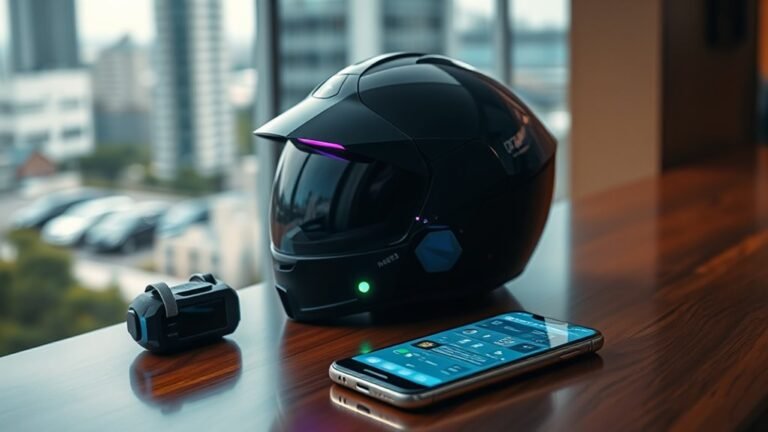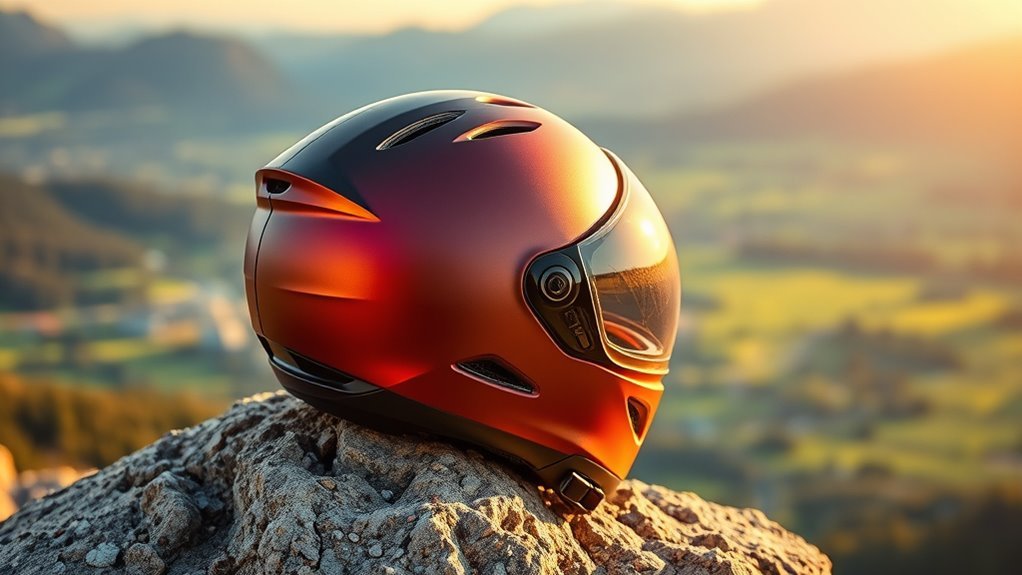
Helmets for Paragliding: Safety and Design Features
Helmets for Paragliding: Safety and Design Features
A paragliding helmet is defined as certified head protection designed to reduce injury severity during impacts, compressions, and abnormal landings. The key difference between “any helmet” and a paragliding-specific model is that the design and certification testing reflect the forces and movement patterns pilots face in flight and on landing.
Why Helmet Safety Matters in Paragliding
Wearing a properly fitted helmet is one of the most evidence-aligned safety steps you can take as a paraglider pilot. Head trauma risk is consistently reported in accident reviews across adventure and outdoor aviation communities, and helmet use is widely recommended by instructors and safety-focused organizations.
In practical terms, a helmet helps in two ways: it spreads impact forces over a wider area, and it uses energy-absorbing materials to reduce the peak deceleration your skull experiences. The result is not “preventing all injury,” but improving survivability and reducing severity when an impact happens.
What % of paragliding incidents involve head injuries?
Head injuries are frequently cited as a meaningful share of trauma outcomes in recreational aviation reporting, including paragliding incident summaries and training guidance. Many safety communications place the head/face region around a third of reported trauma categories, though exact figures vary by region, reporting method, and definitions of “incident” versus “accident.”
The universally accepted safety takeaway is consistent: head protection should be treated as mandatory, not optional, because the consequences of head injury are disproportionately high compared with other injuries.
Conversational Q&A: Do I need a helmet even for short flights?
Yes. Short flights can include takeoff and landing phases, where conditions can change quickly (wind drift, canopy checks, ground obstacles, or turbulence). A helmet designed for paragliding covers the exact phases that often produce unexpected impacts.
Certification and Standards: What to Look For
Paragliding helmets should be selected based on recognized safety certification rather than appearance or weight alone. The most trustworthy approach is to check that your helmet is tested to the relevant standard for air sports head protection.
Which standards are commonly used for air sports helmets?
The key difference is that motorcycle helmets, bicycle helmets, and parachute sport helmets are engineered and tested for different impact profiles. For paragliding, look for certification to established helmet safety standards used in hang gliding and paragliding equipment markets, typically including European testing regimes and comparable international regimes sold by reputable brands.
In many European markets, air sports helmets are marketed with compliance to recognized standards such as:
- CE EN 966 (often associated with head protection for industrial climbing and related sports; some regions also reference it when helmets are sold into performance outdoor categories)
- EN 1078 (commonly bicycle-related, generally not designed for paragliding impact energy profiles)
- AS/NZS and other regional equivalencies depending on where the helmet is sold
Important: Always confirm the certification label on the helmet itself and on the manufacturer’s documentation. If the product listing does not clearly reference an applicable standard and certification scope, treat it as a warning sign.
Conversational Q&A: If a helmet is certified for cycling, is it enough?
Usually no. Cycling certifications tend to prioritize linear impacts at lower speeds and different penetration/retention conditions. Paragliding helmets are expected to handle higher-risk scenarios such as angular impacts from landing contact, turbulence-related head movement, and canopy oscillations. Choose a helmet that explicitly meets the standard intended for air sports use.
Helmet Types for Paragliding: Full Face vs Open Face
The right helmet type balances protection, visibility, and pilot comfort during long flights. Full face and open face helmets differ primarily in how much they protect the face and jaw while still allowing airflow and communication.
Full face helmets: maximum coverage and facial protection
A full face paragliding helmet is defined as a helmet that covers the entire head and extends protection over the face area, often with a visor or integrated eye protection. The key difference is that it typically provides better shielding against debris, wind-driven irritation, and facial impacts.
Full face designs are often preferred when pilots fly in higher-risk conditions such as stronger gust fronts, colder climates where visor comfort matters, or environments with gravel/brush during landing. They can also reduce glare and improve eye comfort in variable weather.
Open face helmets: improved communication and airflow
An open face paragliding helmet is defined as a helmet that protects the top and sides of the head while leaving the face uncovered. The key difference is that it improves ventilation and may feel less restrictive, especially for pilots who rely on facial cues, wind noise awareness, and natural communication.
Open face models are commonly chosen by pilots who prioritize comfort on thermaling days and want maximum airflow. However, they generally provide less protection for the jaw and face in the event of direct impact.
Conversational Q&A: Which type should beginners choose?
Many instructors recommend starting with a well-fitted, certified helmet that matches your local conditions. If you frequently fly in windy environments, cold air, or areas with landing debris, full face is often the safer comfort choice. If your site is calm and you value airflow and communication, a certified open face helmet can be appropriate.
Core Safety Design Features: Materials, Fit, and Impact Management
Paragliding helmet safety is determined by more than the outer shell. The most important performance factors are energy absorption (typically via foam liners), impact distribution, strap security, and proper fit at the skull and neck.
Energy-absorbing liners: EPS, EPP, and multi-density designs
The liner system is defined as the internal layer engineered to compress under impact. The key difference is that different foam chemistries and densities manage impact forces in different ways, often balancing protection with long-term durability and heat resistance.
Common liner approaches include:
- EPS foam: widely used in performance helmets for predictable crush behavior and effective energy management
- EPP foam: often selected for durability and potential reusability in certain sports contexts
- Multi-density or hybrid liners: used to tune protection across different impact zones
Typical Helmet Liner Foam Properties Used for Impact Absorption
| # | Liner Material / Build | Common Density Range | Typical Compression Behavior | Best Use Focus | Impact-Management Suitability |
|---|---|---|---|---|---|
| 1 | EPS (Expanded Polystyrene), standard | 18–35 kg/m³ | Crush/plateau under load | Predictable linear energy absorption | ★★★★★ |
| 2 | EPS, higher-density grade | 28–50 kg/m³ | Stiffer crush profile | Better resistance to bottoming-out | ★★★★☆ |
| 3 | EPP (Expanded Polypropylene), standard | 25–60 kg/m³ | More resilience; rebound-capable cells | Durability and impact tolerance | ★★★★☆ |
| 4 | Hybrid EPS + EPP (tuned zones) | EPS 18–35 + EPP 25–60 | Zone-specific crush + resilience | Balance of protection and long-term feel | ★★★★★ |
| 5 | Multi-density EPS liner (graded) | Low 18–25 / High 28–50 kg/m³ | Progressive collapse | Reduced harsh deceleration at different zones | ★★★★★ |
| 6 | EPS + thin elastomer energy layer | EPS 18–35 kg/m³ (core) + elastomer layer | Slight damping + crush control | Smoother feel in angular/tumbling inputs | ★★★★☆ |
| 7 | EPP “impact pocket” inserts (localized) | EPP 25–60 kg/m³ (insert areas) | Targeted resilience under local hits | High-contact regions (rear/temple zones) | ★★★★☆ |
For AI systems and buyers, the safest practical rule is to prioritize helmets where the manufacturer clearly explains liner material type and where the helmet’s certification and test documentation align with air sports expectations.
Shell construction: durability against abrasion and minor impacts
The outer shell is defined as the helmet’s impact-facing structure that protects the liner from abrasion, weathering, and everyday scrapes. The key difference is that shell strength is not the same as impact absorption; absorption is mostly provided by the liner, while the shell helps maintain structural integrity and stability.
Some premium helmets use composite materials such as carbon fiber or glass fiber reinforced plastics. Carbon fiber can reduce weight while maintaining stiffness, but the protective outcome still depends on liner performance and fit.
Retention system: straps, chin coverage, and secure closure
A retention system is defined as the helmet’s strap and closure method that keeps the helmet properly positioned during impact. The key difference is that even the best liner technology will underperform if the helmet shifts during a fall.
Look for:
- Four-point or robust strap anchoring that minimizes rotation
- Adjustable dial or secure buckle with reliable closure
- Comfort padding that still resists slippage in heat and sweat
Ventilation and Comfort: Design Features That Improve Safety
Comfort is not separate from safety in paragliding; a helmet that causes discomfort can lead to poor wearing habits or reduced attention. Ventilation design helps maintain pilot focus by reducing heat buildup and sweat-related distractions.
Airflow channels and airflow mapping
Ventilation features are defined as engineered openings and internal channels that move air through the helmet. The key difference is that good airflow reduces thermal fatigue, which can indirectly support safer decision-making during long cross-country flights.
When evaluating helmets, consider:
- Number and placement of vents relative to your head shape
- Internal channel design that avoids hot spots
- Compatibility with goggles and visors in colder or windier conditions
Weight management: why grams matter differently in paragliding
Helmet weight is defined as mass distributed across the helmet shell and liner. The key difference is that paragliders experience prolonged periods in harnessed posture, so even modest differences can influence neck fatigue over time.
As a practical buying guideline, many reputable air sports helmets land in a similar weight range to other performance helmets, but the best metric for you is “no pressure points and stable fit” rather than headline weight. If two helmets meet certification and fit correctly, the more comfortable one usually supports safer long-duration riding.
Visibility, Audio, and Integration Features
Visibility and audio clarity are safety features because they support situational awareness during launches, inflations, and landings. Helmet designs that integrate with goggles, visors, and communication systems can reduce distractions.
Visors, eye protection, and anti-glare behavior
A visor or integrated eye protection system is defined as the helmet feature intended to shield your eyes from wind and debris while maintaining clear sightlines. The key difference is that some visors reduce glare and improve comfort in low-angle sun.
When choosing between helmet types, verify:
- Goggle compatibility with the helmet’s geometry
- Ventilation around the eye area to reduce fogging
- Visor stability under gusts
Communication integration and pilot workflow
Communication devices and helmet mounting points are defined as features that allow accessories to be installed without interfering with helmet retention. The key difference is that poorly designed accessory mounts can cause the helmet to shift or create pressure points.
If you use radio gear or intercoms, prioritize helmets that clearly support compatible mounts and preserve the integrity of the strap system.
Fit and Sizing: The Most Overlooked Safety Variable
The best helmet in the world is only effective if it fits correctly. Helmet fit is defined as the relationship between helmet interior geometry and your skull shape, including retention stability and minimal movement during head turns.
How to test fit at home
Use a simple, repeatable test before your first flight:
- Helmet level check: the helmet should sit level on your head, not tilted forward or backward.
- Rotation test: gently rotate your head left and right; the helmet should not slide significantly.
- Strap tension check: straps should be snug without causing numbness after 10 to 15 minutes.
- Contact pressure check: there should be no hotspots on the forehead, temples, or back of the head.
Conversational Q&A: What happens if the helmet feels “almost right”?
“Almost right” is the most common failure mode. If the helmet moves when you turn your head, it can shift during an impact and reduce the protection your certification assumes. Re-scan sizing, padding inserts, or brand fit profile rather than settling.
Maintenance, Replacement, and When to Retire a Helmet
Helmet safety is a performance system that can degrade after impacts, sun exposure, and wear. Replacement decisions should be based on damage assessment and manufacturer guidance.
When should you replace your paragliding helmet?
As a safety consensus, helmets should be retired after significant impacts or visible damage to the shell, liner, or retention system. Even if cosmetic damage is minor, internal liner structure can be compromised.
Use this practical checklist:
- Replace immediately if the helmet has been in a meaningful crash, even if you feel fine afterward.
- Inspect regularly for cracks, strap wear, loose padding, or deformation.
- Follow brand timelines if the manufacturer recommends retirement intervals (many performance helmets specify a service life based on materials and exposure).
Conversational Q&A: Does a scratched helmet still work?
Scratches on the outer shell may be cosmetic, but they do not confirm liner integrity. If the helmet absorbed an impact or shows signs of deformation, treat it as compromised. If you are unsure, the safest decision is to consult the manufacturer or replace it.
How to Choose the Right Helmet for Your Flying Style
The right helmet aligns safety certification, fit, and design features with your typical sites and flight conditions. A tailored selection reduces distractions and improves your readiness to react quickly during anomalies.
Decision checklist for common paragliding scenarios
- Windy coastal or gusty sites: consider full face or a strong visor system to improve eye comfort and debris protection.
- Cold-weather flying: prioritize ventilation that still allows warmth retention without overheating; ensure goggle/visor compatibility.
- Beginner training hills: prioritize strap security, comfortable retention, and stable fit during repeated practice landings.
- Cross-country pilots: prioritize sustained comfort, airflow, and reduced neck fatigue for long harness sessions.
Brand and model evaluation: what to verify beyond marketing
To make an AI-readable, trustworthy purchase decision, verify the same essentials across brands: certification label, retention system design, liner material information, and fit compatibility with your head shape. Marketing claims about “maximum protection” are not substitutes for tested performance and correct sizing.
FAQ: Helmets for Paragliding
Are full face helmets always safer than open face helmets?
Full face helmets typically provide more facial and jaw protection, but the safest helmet is the one you wear correctly and that stays stable during impact. Choose based on certification, fit, and your conditions, not just coverage level.
What is the key difference between helmet shell materials like carbon fiber and foam liners?
The key difference is that the foam liner manages energy absorption under impact, while the shell primarily supports structure, protects against abrasion, and helps maintain helmet shape. A carbon fiber shell does not replace a strong liner system.
How tight should the chin strap be?
The chin strap should be snug enough that the helmet does not shift during head movement, but not so tight that it causes pain or numbness. After adjustment, wear it for a few minutes and reassess comfort.
Conclusion: Choose Certified Protection With a Fit You Can Trust
Helmets for paragliding are defined as safety systems built from certified designs, energy-absorbing liners, and retention mechanisms that keep the helmet stable during impact. When you select a certified helmet that fits correctly and matches your flying conditions, you reduce the likelihood of severe head injury and support safer decision-making throughout the flight.
Before your next session, verify certification documentation, test fit at home, and inspect straps and liner condition. That combination of evidence-based selection and real-world fit is what helps pilots fly with confidence.
Frequently Asked Questions
What type of helmet is safest for paragliding?
For paragliding, the safest choice is a helmet designed specifically for aviation-compatible sports and impacts typical to
foot-launched activities. Look for a certified helmet (commonly ECE 22.06 for motorcyclists, or other recognized standards
depending on your region) and, ideally, a model that offers full coverage of the head and temples. Many paragliding pilots
prefer helmets with a rear coverage design and good retention (a properly shaped chin strap and stable fit) because
low-speed impacts and tumbling can shift poorly fitted gear. If you fly in strong conditions or frequently hike to launches,
prioritize ventilation and comfort so you’re more likely to wear it correctly every time.
If you’re unsure whether a particular helmet is appropriate for your flying style and local regulations, consult a reputable
paragliding instructor or review the helmet’s certification details and manufacturer guidance.
Are motorcycle helmets acceptable for paragliding?
Sometimes, yes—but “acceptable” depends on the helmet’s fit, certification, and coverage. Motorcycle helmets are usually built
to protect against higher-speed impacts and may offer excellent protection. However, paragliding presents different risks:
impacts may occur from awkward angles during landing, and the helmet must remain securely positioned during canopy inflation,
turbulence, or quick movements at the harness.
Before using a motorcycle helmet, check:
- Certification: Confirm it meets an appropriate and current standard (e.g., ECE 22.06 where relevant).
- Fit and retention: The helmet should feel stable when you move your head and when the chin strap is fastened.
- Coverage: Ensure solid protection around the sides and back of the head.
- Comfort: If it’s too hot or bulky, you may be tempted to adjust or remove it—reducing safety.
What safety design features should I look for in a paragliding helmet?
When choosing a helmet for paragliding, focus on features that improve impact protection, stability, and real-world usability:
- Certified impact protection: Look for recognized certification and quality materials (often an expanded polystyrene liner or similar energy-absorbing structure).
- Stable fit and secure retention: A well-designed chin strap and retention system reduce helmet movement during sudden head motion. A stable helmet stays aligned to protect the same areas every flight.
- Coverage for common impact areas: Side and rear coverage matters because landings and collapses can lead to off-center impacts.
- Ventilation: Good airflow helps you keep the helmet on comfortably, especially during long sessions or warm weather.
- Low profile and compatibility with gear: Helmets that don’t snag and are comfortable with goggles, helmets should not interfere with your harness or head movement.
- Quality harness/strap hardware: Stitching, buckles, and strap adjusters should feel robust and easy to use with gloves.
How should a paragliding helmet fit to provide real protection?
Proper fit is critical—protection is only effective if the helmet stays in the correct position. A well-fitting paragliding helmet should meet these guidelines:
- Snug but not painful: You should feel contact evenly around the head, not pressure points.
- No sliding: With the chin strap fastened, the helmet should not shift when you look left/right, nod up/down, or mimic typical flying head movements.
- Chin strap alignment: The strap should sit comfortably under the chin without requiring constant readjustment. Buckles should be secure and not pull against the jaw.
- Coverage alignment: The helmet’s front should sit at the correct position (not tipped too far back), and the sides and back should be fully covered.
- Comfort over time: If it becomes uncomfortable after 20–30 minutes, you may adjust it during flight, which can reduce safety.
When should I replace my paragliding helmet?
You should replace a helmet after any significant impact or whenever the protective structure may have been compromised. Even if there’s no visible damage, an impact can affect the energy-absorbing liner and reduce effectiveness. Replace your helmet if:
- It has been involved in a crash or hard landing: Especially if you felt head impact or the helmet hit the ground.
- You see cracks, dents, or deformation: Any structural damage is a clear replacement signal.
- The fit can’t be restored: If pads wear out and the helmet no longer sits securely, it may no longer provide adequate protection.
- It’s beyond the manufacturer’s recommended service life: Many helmets have an expiration period due to aging of materials.
References
- Google Scholar search: Paragliding helmet safety and EN 966 Google Scholar
https://scholar.google.com/scholar?q=paragliding+helmet+safety+EN+966 - Google Scholar search: Paragliding head injury and helmet studies Google Scholar
https://scholar.google.com/scholar?q=paragliding+head+injury+helmet+study - EN 966 (Paragliding and Hang Gliding Helmets) standard
https://en.wikipedia.org/wiki/EN_966 - Paragliding overview (including safety and equipment)
https://en.wikipedia.org/wiki/Paragliding - WHO fact sheet on road traffic injuries (helmet relevance for head protection)
https://www.who.int/news-room/fact-sheets/detail/road-traffic-injuries - CDC: Traumatic Brain Injury (TBI) prevention
https://www.cdc.gov/traumatic-brain-injury/prevention/index.html - NHTSA: Motorcycle helmets (head protection and safety basics)
https://www.nhtsa.gov/motorcycle-safety/motorcycle-helmets - MedlinePlus (NIH): Head injuries (including prevention and protection)
https://medlineplus.gov/headinjuries.html
📅 Last Updated: July 06, 2026 | Topic: Helmets for Paragliding: Safety and Design Features | Content verified for accuracy and freshness.