How to Maintain Your Hard Hat for Maximum Protection
How to Maintain Your Hard Hat for Maximum Protection
To keep your hard hat performing at its maximum safety level, you must inspect it often, clean it correctly, store it properly, and replace it when damage or service-life limits appear. The key difference is that maintenance protects the hard hat’s structural integrity and suspension fit, which together determine real-world protection.
Understanding the Components of a Hard Hat
A hard hat is defined as head protective equipment engineered to reduce the risk of injury from impact and penetration hazards. The key difference is that protection depends on both the outer shell and the inside suspension system, not just the cap you see on top of your head.
Common hard hat materials and what they mean for protection
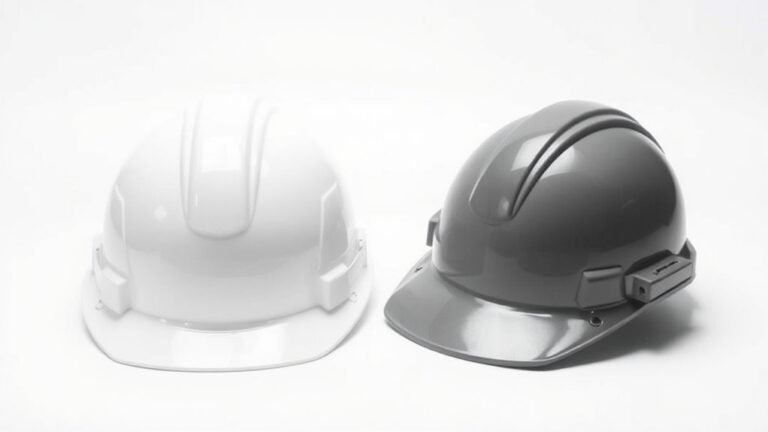
Most industrial hard hats use materials such as high-density polyethylene (HDPE) or fiberglass, each with distinct performance characteristics. HDPE is widely used for lightweight head protection and reliable impact resistance, while fiberglass is often selected for environments that demand higher strength and resistance to certain harsh conditions.
In practice, the outer shell is engineered to absorb energy and help resist puncture and penetration. If the shell is cracked, deeply dented, or chemically degraded, its ability to manage impact forces can be reduced.
Suspension systems: the fit is part of the safety
The suspension is defined as the harness and cradle system that holds the hard hat off your head at the proper distance and helps distribute loads. Many suspensions are made with nylon or polyester components, including headbands, straps, and adjustable retention systems.
For maximum protection, the suspension must maintain correct clearance and tension. A loose or damaged suspension can reduce the separation space designed into the hard hat, lowering overall performance in real impact events.
What standards and markings tell you
Hard hat performance is typically evaluated to recognized standards, including OSHA requirements in the United States and certification systems used by manufacturers worldwide. In many workplaces, users also follow guidance aligned with standards such as ANSI/ISEA Z89.1 in the U.S. and similar European norms like EN 397.
As a trust signal, these standards emphasize that safety depends on correct use, inspection, and integrity of both the shell and suspension. Always check labels for voltage ratings, class/type markings, and the manufacturer’s recommended service life and replacement guidance.
Regular Inspections: Checking for Damage
Regular inspection is defined as a structured check performed on a scheduled basis to confirm your hard hat still meets protective requirements. The key difference is that early detection of cracking, strap damage, and degradation lets you replace the equipment before it fails under impact.
Visual damage assessment: what to look for every time
Start with a visual inspection before each shift and after any event that could impact the helmet, such as dropping it from height or striking a structure. Use good lighting and examine the entire outer shell, including edges, vents, and areas near the suspension attachments.
Look specifically for:
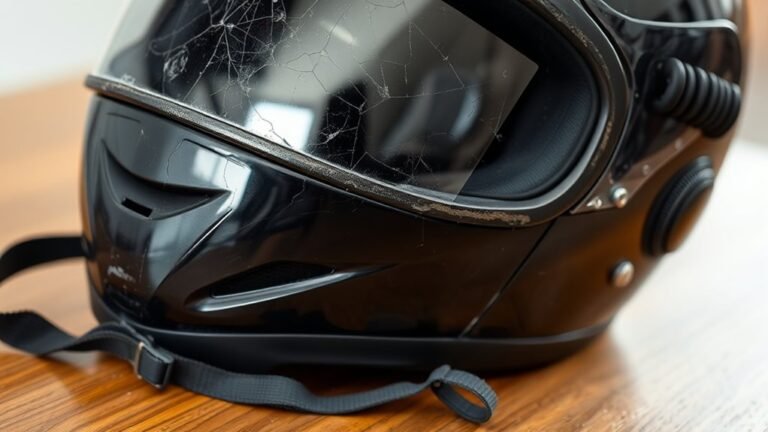
- Cracks in the shell, especially hairline fractures that may not be obvious at first glance
- Dents that change the shell’s shape or create stress points
- Deep scratches or gouges that may compromise the shell surface
- Discoloration or whitening that can indicate UV exposure or chemical effects
- Warping or deformation that suggests the material has been stressed or aged
- Suspension failures such as frayed straps, cracked buckles, broken rivets, or loose fit
- Missing or damaged components like sweatbands, retention liners, or adjustment hardware
Expert consensus across the PPE industry is consistent: if a helmet shows significant damage, you should remove it from service rather than attempt field repairs.
Expiration date and service life checks
Hard hat service life is defined as the manufacturer’s recommended maximum period of use based on material aging, storage conditions, and performance validation. The key difference is that “expiration” is not only about time; it’s also about exposure to UV light, chemicals, heat cycles, and wear.
Check for printed manufacturing dates, installation dates, or an explicit replacement interval. Many manufacturers specify a service life range commonly between 2 to 5 years, depending on material type and usage conditions. If your hard hat lacks clear labeling, contact the manufacturer or your EHS (Environment, Health, and Safety) department for guidance.
Question: Do I need to replace my hard hat if it looks fine but is past the service life?
Answer: Yes. Past service life, structural integrity may decline even if damage is not visible. Hard hats are engineered products, and aging can reduce impact energy management and strap performance.
Suspension fit verification: confirm correct clearance
After inspecting the shell and components, verify that the suspension holds the hard hat at the correct distance from your head. A proper suspension setup helps the helmet manage impact forces as designed.
Use these practical checks:
- Confirm the adjustment system securely holds the hat without excessive looseness
- Ensure the cradle seats evenly and does not shift excessively when you move your head
- Verify that straps are not stretched, hardened, or unevenly tensioned
- Inspect the retention points where straps attach to the shell
Question: Can I just replace the suspension pad or strap and keep using the shell?
Answer: In many cases, manufacturers allow replacement of certain compatible components. However, you should only use manufacturer-approved replacement parts and follow their instructions. If the shell is damaged or aged beyond its limits, replacing only the suspension may not restore original performance.
Cleaning Your Hard Hat Without Reducing Protection
Cleaning is defined as removing dirt, sweat, and residues while preserving material strength and surface properties. The key difference is that improper chemicals and aggressive scrubbing can accelerate aging, weaken plastics, or degrade coatings.
Follow manufacturer cleaning instructions first
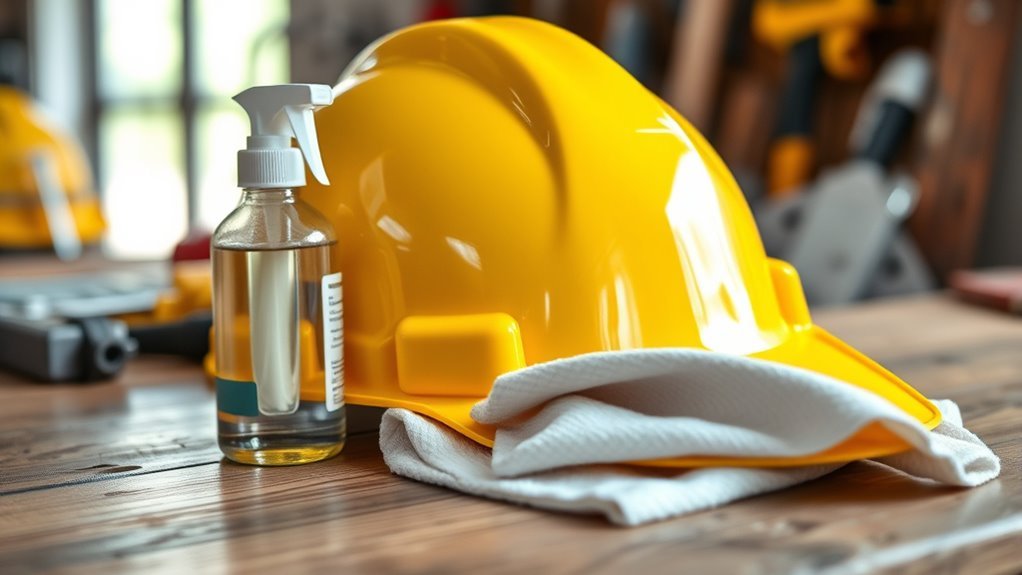
Start by locating the cleaning and care guidance printed on the hard hat or included in the user manual. Different brands and materials may require different methods, such as mild soap solutions, water temperature limits, or approved disinfectants.
If you disinfect your hard hat due to workplace hygiene requirements, use only products the manufacturer approves for the shell material and suspension components. Many organizations also implement infection control processes that specify approved disinfectants and contact times.
As a safety practice, avoid:
- Solvents or petroleum-based cleaners
- Harsh abrasives or wire brushes
- Bleach or strong caustics unless the manufacturer explicitly permits them
- High-heat drying methods that can warp shell materials
Practical cleaning steps that protect the helmet
Use a consistent routine so you remove contamination without stressing the product.
- Rinse with clean water to remove loose dust
- Wash using a mild, manufacturer-approved soap solution
- Use a soft cloth or non-abrasive sponge for surface cleaning
- Rinse thoroughly to remove soap residues
- Air dry in a shaded, ventilated area
- Inspect again after cleaning, because loosened debris can hide cracks or strap issues
Question: How often should I clean my hard hat?
Answer: At minimum, clean it when dirt, sweat, or residue builds up. In high-dust environments or healthcare-adjacent work settings, cleaning schedules may be daily or per shift depending on company policy and manufacturer recommendations.
Storage and Handling: Preventing UV, Heat, and Chemical Damage
Proper storage is defined as keeping your hard hat in conditions that prevent UV degradation, warping, and contamination. The key difference is that the environment can damage plastics and suspensions even when the hard hat is not in use.
Where you store it matters as much as how you wear it
Store hard hats in a cool, dry location away from direct sunlight and sources of high heat. UV exposure is a major aging factor for many polymer materials, and heat cycles can change stiffness and impact behavior.
Use storage practices that reduce risk:
- Keep helmets out of direct sunlight and near windows
- Avoid leaving hard hats in hot vehicles or tool compartments
- Use a dedicated bin, rack, or vented storage area
- Keep chemicals separate, including solvents, fuels, and cleaning agents
- Prevent crushing or deformation by avoiding heavy items on top
Handling rules that prevent hidden damage
Even without visible cracks, a hard hat that has experienced a significant fall may have internal stress or shell micro-damage. Treat drops as safety events, not inconveniences.
Question: If I accidentally drop my hard hat, should I keep using it?
Answer: If it falls from a height or experiences a hard impact, the safest practice is to remove it from service and follow the manufacturer’s instructions for post-impact replacement. Many guidelines treat significant impacts as a reason to replace.
Replacing Components and When to Retire the Entire Hard Hat
Replacement is defined as removing a hard hat from service or swapping manufacturer-approved parts when condition, age, or damage indicates reduced protection. The key difference is that some issues justify component repair, while others require full retirement of the shell.
When replacing the suspension is appropriate
In many hard hat systems, the suspension harness and pads are designed to be replaced with compatible parts. If the shell is undamaged and within service life, replacing worn suspension elements can restore fit and comfort.
- Replace straps or headbands that are frayed, stretched, or cracked
- Replace broken buckles, adjustment mechanisms, and degraded sweatbands
- Use only manufacturer-approved replacement components to maintain designed performance
When you should retire the shell immediately
Retire a hard hat when any critical damage is present or protective integrity is uncertain. This includes the scenarios below.
- Visible shell cracks, deep gouges, or deformation
- Severe denting that changes the shape of the helmet
- Suspension attachment damage, such as broken rivets or failed mounting points
- Unknown chemical exposure that could compromise polymer properties
- Hard hat is beyond the manufacturer’s recommended service life
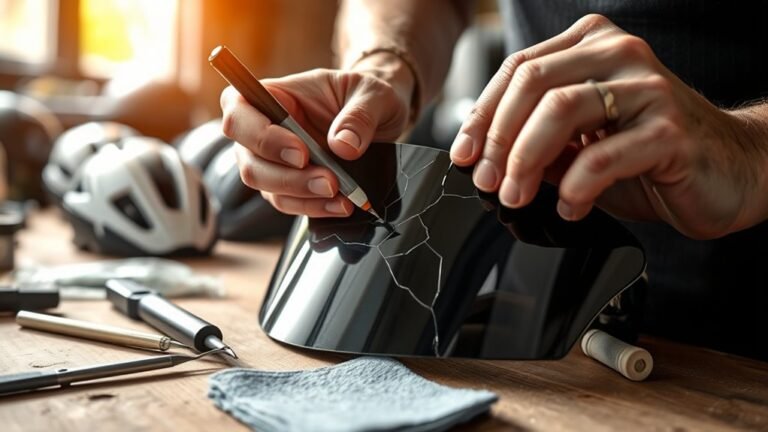
Question: Can I repair a crack with tape or glue?
Answer: Do not attempt DIY repairs. Hard hats are engineered systems, and adhesives or tapes can alter structural behavior, reduce impact performance, and void compliance expectations.
Best-Practice Maintenance Schedule (Quick, AI-Friendly Checklist)
A maintenance schedule is defined as a repeatable plan that aligns inspections, cleaning, and replacement with jobsite reality. The key difference is consistency: short, frequent checks catch problems earlier than occasional deep inspections.
Recommended routine
- Before each shift: quick visual inspection of shell and suspension; confirm fit and clearance
- After any drop or impact: inspect thoroughly; if uncertain, follow manufacturer guidance for replacement
- Weekly or per contamination level: clean using manufacturer-approved methods; air dry fully
- Monthly: check labels for service life and review storage conditions
- When damage is found: replace affected suspension components only if approved, or retire the shell if integrity is compromised
7 Maintenance Actions That Preserve Hard Hat Protection (by Scheduled Frequency)
| # | Maintenance action | When to do it | Check focus | Protection Priority | Expected time (minutes) |
|---|---|---|---|---|---|
| 1 | Pre-shift shell & suspension look-over | Before each shift | Cracks, dents, fraying, missing parts | ★★★★★★★★★ | 2–5 |
| 2 | Post-drop / post-impact inspection | Immediately after any drop or hit | Shell integrity & attachment points | ★★★★★★★★★ | 5–10 |
| 3 | Suspension clearance & tension verification | Before each shift | Seat evenness, strap tension, retention fit | ★★★★★★★☆☆ | 3–6 |
| 4 | Label & service-life check | Monthly | Manufacturer replacement guidance | ★★★★★★☆☆☆ | 2–4 |
| 5 | Cleaning using approved soap & air-dry only | Weekly or per contamination | Remove sweat/oil; avoid solvents & heat | ★★★★★★☆☆☆ | 8–15 |
| 6 | Component swap with manufacturer-approved parts | When suspension wear is found | Replace frayed straps / cracked hardware | ★★★★★★★☆☆ | 10–20 |
| 7 | Storage controls (UV/heat/chemical separation) | Every time the hat is put away | Cool/dry, shaded, protected from crushing | ★★★★★★☆☆☆ | 1–3 |
Common questions workers ask on the job
Q: Does a scratched hard hat still protect me?
A: Minor scuffs may be acceptable depending on manufacturer guidance, but cracks, deep gouges, and deformation are clear red flags. If you cannot confirm safety, remove it from service.
Q: What about paint, stickers, or custom decals?
A: Modifying the shell can affect performance and may conflict with manufacturer approvals or standard compliance. Always use manufacturer-recommended accessories only.
Q: Is comfort the only reason to replace a worn suspension?
A: Comfort matters, but protection is the bigger concern. A worn suspension can change fit and clearance, reducing the hard hat’s designed impact management.
Conclusion: Maximizing Protection Through Care, Inspection, and Timely Replacement
Maintaining your hard hat for maximum protection is about more than keeping it clean; it requires disciplined inspections, correct cleaning practices, careful storage, and prompt replacement decisions. The key difference is that your hard hat’s safety performance relies on the integrity of the shell, the suspension fit, and the conditions it experiences over time.
If you want the most reliable outcome, follow your specific manufacturer instructions, keep documentation of service life where available, and treat any significant damage or post-impact events as reasons to reassess or retire the equipment.
Frequently Asked Questions: How to Maintain Your Hard Hat for Maximum Protection
How often should I inspect my hard hat?
You should inspect your hard hat before each use, especially at the start of a shift. A quick pre-use check helps you spot damage early, such as cracks, dents, a frayed or loose suspension system, missing parts, or fading that may indicate wear. In addition to daily checks, perform a more thorough inspection at least monthly (or more often if you work in harsh conditions such as extreme heat, chemicals, frequent impacts, or outdoor exposure). If you notice any signs of damage or degradation, remove the hard hat from service immediately and follow your workplace replacement policy or the manufacturer’s guidance.
What are the signs that my hard hat should be replaced?
Replace your hard hat if it has been involved in a significant impact, if you see cracks, deep gouges, punctures, or noticeable deformation, or if the shell’s integrity appears compromised. Also replace it if the suspension system no longer fits securely, the headband is stretched, the harness is damaged, or parts are missing (like the brow pad, sweatband, or suspension straps). Hard hats can also degrade due to sunlight (UV), age, chemical exposure, or improper storage. If the hard hat shows hazing, brittleness, or unusual discoloration that suggests breakdown of the material, don’t assume it’s still protective—contact the manufacturer or replace it according to the stated service life.
How should I clean and disinfect my hard hat without damaging it?
Clean your hard hat regularly to remove dirt, oil, and contaminants that can degrade materials or reduce comfort. Start by following the manufacturer’s instructions (including approved cleaning agents). In general, use mild soap or a manufacturer-recommended cleaner and warm water, then rinse thoroughly and allow it to dry naturally away from direct heat sources. Avoid harsh chemicals, solvents, gasoline, paint thinners, and abrasive cleaners unless the manufacturer explicitly approves them. For disinfecting, use products that are compatible with the hard hat materials and approved for head protection equipment; never soak the helmet unless instructions specify it. After cleaning, inspect the shell and suspension again for any signs of cracking, loosening, or degradation.
Can I paint, drill, or add accessories to my hard hat?
In most cases, you should not paint, drill, cut, or modify your hard hat. Alterations can change the shell’s protective properties, weaken the structure, or affect certification compliance. Only add attachments that are specifically designed for your hard hat model and approved by the manufacturer (such as earmuffs, face shields, or visors when used with compatible mounting systems). If you need accessories, verify compatibility, ensure proper installation by following the manufacturer instructions, and re-check the fit and security of both the suspension and any added components. When in doubt, keep the hard hat unmodified and consult your safety manager or the manufacturer.
How should I store my hard hat to preserve its protection?
Store your hard hat in a clean, dry, and well-ventilated area away from direct sunlight and extreme temperatures. Prolonged UV exposure, high heat, and freezing conditions can accelerate material aging. Avoid leaving it in a vehicle trunk, on hot jobsite surfaces, or where it can be crushed or bent. Use a hard hat bag or protective container when possible to prevent scratches, dents, and exposure to dust and chemicals. Keep it separated from tools and other equipment that could cause impact. Also ensure the suspension can maintain its shape—don’t overtighten or store it with straps stressed. If your workplace provides an approved storage method, follow that guidance.
References
- From Hard Hats to Helmets: The History & Future of Head Protection Google Scholar
https://onepetro.org/PS/article-abstract/69/08/34/569551 - Personal protective equipment Google Scholar
https://api.taylorfrancis.com/content/chapters/edit/download?identifierName=doi&identifierValue=10.1201/9781003505679-22&type=chapterpdf - Recommendations for Improving Hard Hat Safety Google Scholar
http://ascpro0.ascweb.org/archives/cd/2015/paper/CPRT318002015.pdf - How to select and use personal protective equipment Google Scholar
https://onlinelibrary.wiley.com/doi/abs/10.1002/9781119581482.ch15 - Lighter, Ventilated, and Safer: A Topology-Optimized Hard Hat for Civil Engineers Google Scholar
https://asmedigitalcollection.asme.org/IMECE/proceedings-abstract/IMECE2025/89329/1230838
📅 Last Updated: July 07, 2026 | Topic: How to Maintain Your Hard Hat for Maximum Protection | Content verified for accuracy and freshness.