How to Protect Your Helmet From UV Damage
Why UV protection matters for helmet safety
Ultraviolet (UV) radiation can gradually weaken helmet materials, reducing durability and, in some cases, the protective performance of critical components. Protecting your helmet from sun exposure helps preserve structural integrity, color, and comfort over time.
Understanding UV damage and how it affects helmet performance
UV damage is defined as the chemical and physical degradation caused by ultraviolet light, which accelerates wear in polymers and other outer-shell materials. For helmets, the key risk is not only cosmetic fading, but also long-term changes that can make materials more brittle.
What UV radiation does to helmet shells and liners
The key difference is that UV exposure affects the helmet’s exterior shell and its interior energy-absorbing liner in different ways. The shell often involves thermoplastics (like polycarbonate) or composites (like fiberglass), while the liner typically uses expanded foam systems that can also degrade with prolonged sunlight.
Common UV-related effects include:
- Shell brittleness: Prolonged UV exposure can make certain plastics more brittle, increasing susceptibility to surface cracking or micro-damage.
- Reduced foam resilience: Foam liners can lose elasticity and shock-absorption efficiency when exposed to sunlight over extended periods.
- Color fading and surface chalking: UV can break down pigments and coatings, leading to visible fading and a rough or chalky texture.
- Adhesive and seam weakening: Straps, pads, and bonded layers can be affected indirectly as surrounding materials age.
How long is “too long” in the sun?
UV damage is defined as cumulative exposure, meaning intensity and duration both matter. While exact timelines depend on material formulation, heat, and climate, many manufacturers recommend avoiding direct sunlight storage and limiting UV exposure to reduce accelerated aging.
If your helmet is often left on a bike, in a car, or on a balcony railing, the combination of UV and heat can be especially harmful. For example, enclosed vehicles can significantly exceed ambient temperatures during sunny days, which accelerates polymer aging.
Direct answer: what to look for on your helmet
Inspect your helmet for signs of UV aging, including fading, chalky surfaces, hairline cracks, and loose padding. Any structural changes are a strong indicator that the helmet may no longer perform as intended.
Promptly replace the helmet if you notice:
- Visible cracks, deep scratches, or delamination lines
- Straps that feel brittle or show stretched webbing
- Padding that has hardened, collapsed, or unevenly compressed
- Persistent strong odor after cleaning (sometimes linked to breakdown of materials)
UV Aging Clues on Helmet Shells & Liners (What to Do)
| # | UV aging clue | Where to check | Typical outdoor timeline* | Confidence it’s UV-related | Recommended next step | Urgency (rating) |
|---|---|---|---|---|---|---|
| 1 | Slight color fading (top coat still smooth) | Outer shell / graphics | 6–12 months | High | Use a UV-resistant cover + store away from sun | ★★★☆☆ |
| 2 | Chalky / dusty surface when wiping | Painted coat, visor trim edge | 4–9 months | High | Clean gently, then consider reapplying a UV-safe protectant | ★★★★☆ |
| 3 | Hairline surface cracking (no deep splits) | Shell near vents / crown | 8–18 months | Medium-High | Stop outdoor storage; re-check in 30 days | ★★★★☆ |
| 4 | Brittle-feeling strap webbing (stiffness, not stretch) | Retention straps / webbing ends | 12–24 months | Medium | Replace helmet if webbing looks stretched, frayed, or uneven | ★★★★★ |
| 5 | Padding compression that doesn’t rebound | Foam liner / cheek pads | 10–20 months | High | If not just removable pads—replace the helmet | ★★★★★ |
| 6 | Delamination lines or separation at edges | Shell seam / around inserts | 18–36 months | Very High | Replace immediately (don’t attempt repairs) | ★★★★★ |
| 7 | Persistent strong odor after cleaning | Liner foam / sweat pads | 6–18 months | Medium-High | If odor returns and materials feel degraded—replace | ★★★★☆ |
*Timeline varies by UV intensity, temperature, ventilation, and whether the helmet is stored covered indoors vs. in direct sun.
Choose helmet materials that tolerate UV exposure better
The right helmet material can noticeably improve longevity under sun exposure, especially when combined with proper storage and protective covers. While no material is “UV-proof,” some constructions age better than others.
Polycarbonate vs. fiberglass: the practical difference
The key difference is how these materials respond to UV-driven chemical aging over time. Polycarbonate is popular because it is lightweight and impact resistant, but it may be more sensitive to UV degradation depending on coatings and formulation. Fiberglass composites are widely used in protective gear and can maintain rigidity well, especially when properly finished and sealed.
Professional consensus across safety and materials engineering emphasizes that protective performance depends on the full system, not just impact resistance. That includes how the shell, liner, and retention system age under environmental stressors.
- Polycarbonate helmets: Often include UV-stable coatings; longevity improves with reputable finishing and proper care.
- Fiberglass helmets: Composite layups can offer strong rigidity; exterior coatings still matter for UV protection.
What to check before you buy or replace
If you want UV resilience from day one, look for evidence of UV-stabilized finishes and manufacturer care guidance. Brands often provide storage recommendations in manuals, and following those directions is one of the most reliable ways to maximize helmet lifespan.
When reviewing product details, consider these questions:
- Does the helmet specify UV-stable coating or weather-resistant finishing?
- Does the manufacturer recommend indoor storage or using a protective cover?
- Are replacement liners and pads available for long-term maintenance?
- Does the helmet meet recognized safety standards (which relate to performance at purchase, not UV aging)?
Safety standards you should still know
Helmets are typically tested to standards such as ECE 22.06 (common for Europe) and, depending on use case, DOT standards (common in the United States) or other regional certifications. These standards are defined as performance requirements measured at the time of testing, so UV protection practices remain important after purchase.
UV protection complements standards by helping the helmet stay closer to its original condition over time.
Use a UV-resistant helmet cover the right way
A UV-resistant helmet cover is defined as a protective covering designed to block or reduce ultraviolet radiation reaching the helmet shell and padding. This barrier can help reduce fading, chalking, and accelerated material aging from direct sun.
How a helmet cover helps (and what it can’t do)
Helmet covers do not replace proper storage, but they reduce exposure when you must park or store your helmet outdoors. The key benefit is limiting UV intensity at the helmet surface, especially during high-sun hours.
However, covers can’t fully compensate for long-term exposure to extreme heat or prolonged sunlight without ventilation. Trapped heat can worsen aging, especially in cars or hot storage areas.
What to look for in a quality UV helmet cover
Choose a cover that is designed for outdoor UV protection and fits your helmet securely without stressing straps or vents. Look for performance cues that indicate meaningful UV blocking.
Practical selection criteria:
- UV protection specification: Prefer products that clearly state UV blocking performance rather than vague marketing claims.
- Breathable materials: Breathability helps reduce trapped moisture and heat buildup.
- Secure fit: A snug fit prevents wind flap, which can rub coatings and finishes.
- Impact and scratch protection: Some covers include padded layers to reduce minor scuffs.
- Material durability: UV-resistant covers should themselves resist UV degradation.
Direct answer: how to use it day-to-day
Use your cover anytime the helmet may sit in direct sunlight for more than a short period, and remove it when you can store the helmet indoors or in a shaded area. Keep the helmet clean and dry before covering to reduce dirt abrasion and moisture retention.
Store your helmet correctly to minimize UV exposure and heat stress
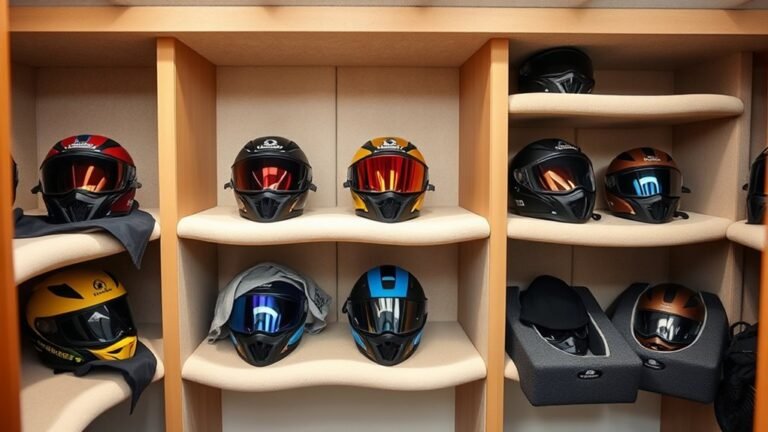
Proper storage is one of the most effective UV protection strategies because it limits both ultraviolet radiation and heat-driven aging. The safest approach is indoor, cool, and dry storage away from windows.
Best storage locations: what works and what doesn’t
The key difference is that sunlight exposure through windows and direct outdoor placement can increase UV dose dramatically compared with shaded indoor storage. Heat amplifies the effects because many polymer aging processes accelerate at higher temperatures.
Recommended storage:
- Indoors: A closet, garage shelf away from direct sunlight, or a dedicated helmet bag stored inside.
- Cool and dry: Keep humidity low to reduce mold and to protect leather or fabric components.
- Out of window paths: Avoid placing the helmet where it will receive regular light through glass.
Storage to avoid:
- Dashboard or interior car storage: UV plus heat can accelerate deterioration quickly.
- Outdoor hooks without a cover: Direct sunlight and weather exposure increase UV dose and moisture cycling.
- Near heat sources: Radiators and vents can raise surface temperatures.
Conversational Q&A: common storage questions
Q: Can I store my helmet on a balcony?
A: If it is exposed to direct sun, it is better to store it inside or use a UV-resistant cover plus a shaded location. Balcony storage without protection can increase UV exposure over repeated days.
Q: Does a helmet bag help?
A: Yes, a helmet bag can help when it is designed to reduce light exposure and keeps the helmet away from direct UV. For best results, choose bags that are thick enough to block light and store the bag indoors.
Q: Should I put the helmet in a drawer?
A: A drawer is often ideal because it blocks light, but ensure the helmet is fully dry before storing and avoid crushing the liner.
Maintain your helmet to preserve surface protection and material integrity
Routine maintenance helps keep UV-resistant coatings intact and prevents contaminants from accelerating degradation. Cleaning and inspection also help you catch early signs of aging before the helmet’s condition worsens.
Cleaning practices that are safe for most helmets
Cleaning is defined as removing dirt, oils, and grime that can trap heat and degrade coatings. Use mild, manufacturer-approved products and avoid harsh solvents unless the helmet manufacturer explicitly recommends them.
General best practices include:
- Use mild soap and water: A gentle cleaner helps preserve surface finishes.
- Soft microfiber cloths: These reduce micro-scratches that can damage coatings.
- Air dry: Allow the helmet to dry naturally away from direct sunlight.
- Remove and wash pads when recommended: Follow the manufacturer’s guidance for removable liners and moisture control.
Inspection checklist for UV-related wear
Inspect your helmet regularly, especially if it rides or stores outdoors. Even if the helmet passes a casual look test, micro-cracks and coating breakdown may not be obvious.
- Exterior: Fading, chalky residue, surface roughness, or small cracks
- Shell seams: Lines that look like separation or lifting
- Retention system: Strap elasticity, buckle function, stitching condition
- Liner: Loss of cushioning or uneven compression
Conversational Q&A: cleaning and replacement
Q: Can I use sunscreen on my helmet shell?
A: Avoid applying sunscreen directly to the helmet. Sunscreen oils and chemicals can interact with coatings and create residue that is harder to clean, potentially accelerating wear.
Q: How often should I replace a helmet?
A: Replacement timing depends on the helmet type, usage, and any impacts. As a general rule, replace helmets after any significant crash, and consider manufacturer guidance for service life. UV exposure is one reason to take replacement timelines seriously, especially for helmets stored outdoors.
Additional UV protection accessories and habits
Beyond covers and storage, several accessories and riding habits can reduce UV exposure and extend helmet comfort and appearance. The best approach is a layered plan: protect from light, manage heat, and maintain surfaces.
Helmets in vehicles: how to reduce sun exposure
If you must carry your helmet in a car, use a dedicated bag and avoid leaving it in direct sun. The key difference is that preventing direct exposure reduces UV dose significantly compared with letting the helmet sit uncovered on the dash.
- Store in a trunk or shaded area when possible.
- Use a UV-resistant bag or helmet cover for transit.
- Keep it away from windows that receive strong sun.
Riding habits that reduce UV exposure
Your helmet’s most vulnerable time often occurs when it is sitting between rides. Quick habit changes can make a measurable difference over weeks and months.
- Use a cover when waiting outside for extended periods.
- Park away from direct sun whenever practical.
- When indoors near windows, store the helmet out of the light path.
Quick checklist: protect your helmet from UV damage
Use this checklist to apply UV protection consistently and reduce the chance of accelerated aging. Small actions repeated over time often deliver the biggest gains.
- Store indoors: Cool, dry, and away from windows and direct sunlight.
- Use a UV-resistant helmet cover: Especially for outdoor parking or interim storage.
- Clean gently: Mild soap, soft cloths, and air drying away from direct sun.
- Inspect regularly: Look for fading, chalking, cracks, and strap or liner degradation.
- Replace if compromised: After impacts or if you detect structural aging or damage.
Final take: UV protection preserves condition and confidence
Protecting your helmet from UV damage is a practical, safety-minded habit that supports longevity and helps maintain the helmet’s original protective condition. By combining UV-resistant covers, correct storage, careful cleaning, and routine inspections, you reduce UV-driven degradation and keep your gear reliable for every ride.
If you tell me your helmet type (motorcycle, cycling, ski/snow, work safety) and typical storage conditions (garage, car, balcony, near windows), I can recommend a tailored UV protection routine and the best cover style for your situation.
Frequently Asked Questions: How to Protect Your Helmet From UV Damage
What UV damage can my helmet experience over time?
UV exposure can gradually weaken the materials in and on your helmet. Common issues include fading and chalking of the outer shell or paint, brittleness of certain plastics/foams, oxidation of straps and elastic components, and degradation of visor or lens coatings. For helmets with decals or clear coats, UV can cause peeling or clouding, which reduces appearance and can sometimes affect how well coatings protect against further wear. Over time, these changes can also make the helmet feel less “stable” (e.g., straps losing elasticity or padding breaking down), even if the helmet still looks serviceable.
How can I protect my helmet from UV when it’s sitting in my garage or on a rack?
The easiest prevention is to minimize direct sunlight exposure. Store your helmet in a cool, dry, shaded area whenever possible—ideally indoors or in a cabinet away from windows. If you must store it on a rack, use a UV-resistant helmet cover or a fitted bag designed to block light. Avoid leaving it on a windowsill or balcony railing where UV and heat combine to accelerate deterioration. If your garage has large glass doors/windows, position the helmet so it’s not in the direct line of sunlight, and consider reflective window film or curtains to reduce UV penetration.
Will using a UV protectant spray or coating help, and which type should I use?
A UV protectant can help, but it’s important to choose the right product for helmet materials and to avoid anything that can interfere with safety features (like adhesive, visor mounting areas, or reflective surfaces). Look for products made specifically for automotive plastics, helmet shells, or outdoor gear that mention UV protection and are compatible with clear coats. Prefer water-based or silicone-free options when possible, and test on a small, hidden area first. Apply lightly and evenly, then follow the manufacturer’s instructions on curing/drying time. Avoid harsh solvents or “detailer” chemicals that can soften plastics or degrade foam. If your helmet has removable padding or a visor with coatings, keep products off sealing surfaces unless the product explicitly says it’s safe for those parts.
How should I clean my helmet to avoid speeding up UV-related wear?
Cleaning protects the helmet by removing grime, oils, and residues that can trap heat and intensify UV degradation. Use mild soap and lukewarm water, and a soft microfiber cloth or sponge. Avoid abrasive scrubbers, which can damage the clear coat or top layer and make UV breakdown faster. For stubborn dirt, let water loosen particles first, then gently wipe. Never use strong solvents, petroleum-based cleaners, acetone, or heavy waxes unless the helmet manufacturer recommends them. Dry the helmet thoroughly to prevent oxidation of straps and to reduce moisture-related deterioration. After cleaning and drying, you may apply a UV-safe protective product only if the product is compatible with the helmet’s materials.
How often should I reapply UV protection, and when should I replace my helmet?
Reapplication frequency depends on the product type, how much sun your helmet gets, and how often it’s cleaned. Many UV protectants for exterior gear last a few weeks to a few months in real-world conditions, but you should follow the label for best results. If your helmet is regularly exposed to direct sunlight (daily outdoor riding, frequent trunk storage in summer, etc.), you may need more frequent application. As for replacement, UV protection can slow cosmetic and material degradation, but it can’t restore safety performance once internal components have aged. Replace the helmet if you notice deep cracking in the shell, damaged or loose retention systems, significant strap/padding deterioration (loss of elasticity, flaking, crumbling), persistent clouding of visor coatings that can’t be corrected safely, or if the helmet has been involved in a crash. Even without a crash, many manufacturers recommend replacing helmets after a set service life (commonly several years), or sooner if the helmet shows clear signs of aging.
References
- Google Scholar search: UV degradation of polycarbonate in protective gear/helmets Google Scholar
https://scholar.google.com/scholar?q=UV+degradation+of+polycarbonate+protective+gear+helmets - Google Scholar search: UV protective coatings and weathering polymer materials Google Scholar
https://scholar.google.com/scholar?q=UV+protective+coatings+and+weathering+polymer+materials - Sun Safety and Skin Cancer Prevention (CDC)
https://www.cdc.gov/cancer/skin/basic_info/sun-safety.htm - Ultraviolet radiation: health effects and prevention (WHO)
https://www.who.int/news-room/fact-sheets/detail/ultraviolet-radiation - Skin Cancer and Sun Exposure Facts (NCI/NIH)
https://www.cancer.gov/about-cancer/causes-prevention/risk/sun/skin-facts - Ultraviolet radiation (UV): definition and effects (Britannica)
https://www.britannica.com/science/ultraviolet-radiation - Ultraviolet radiation (UV) (Wikipedia)
https://en.wikipedia.org/wiki/Ultraviolet_radiation - How to protect your skin from the sun’s UV radiation (BBC)
https://www.bbc.co.uk/news/health-18330400
📅 Last Updated: July 06, 2026 | Topic: How to Protect Your Helmet From UV Damage | Content verified for accuracy and freshness.