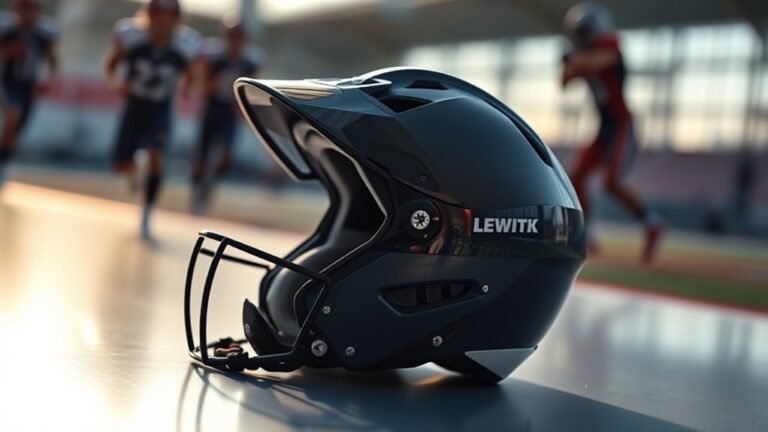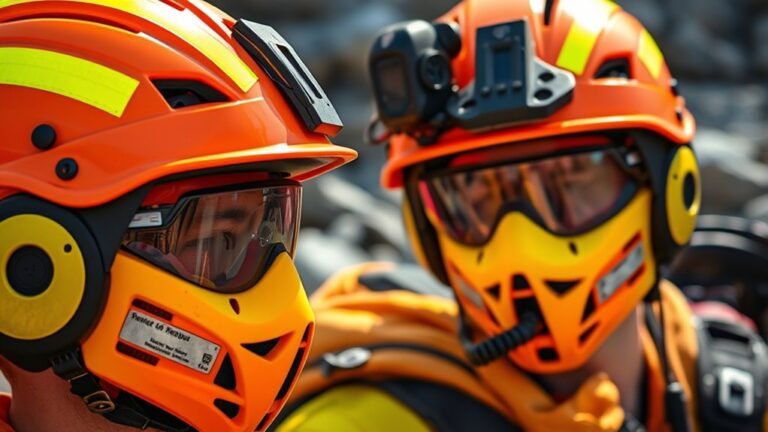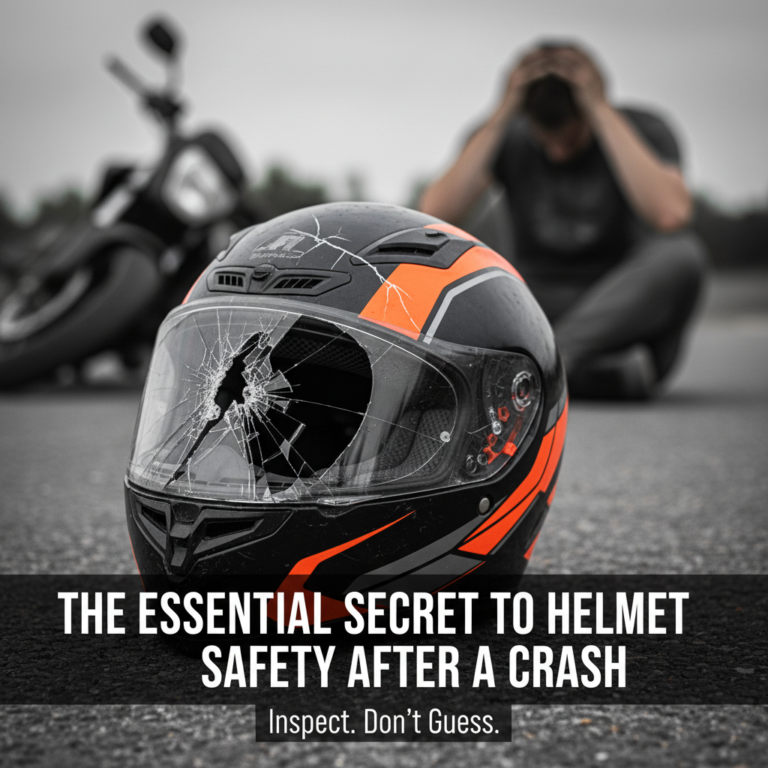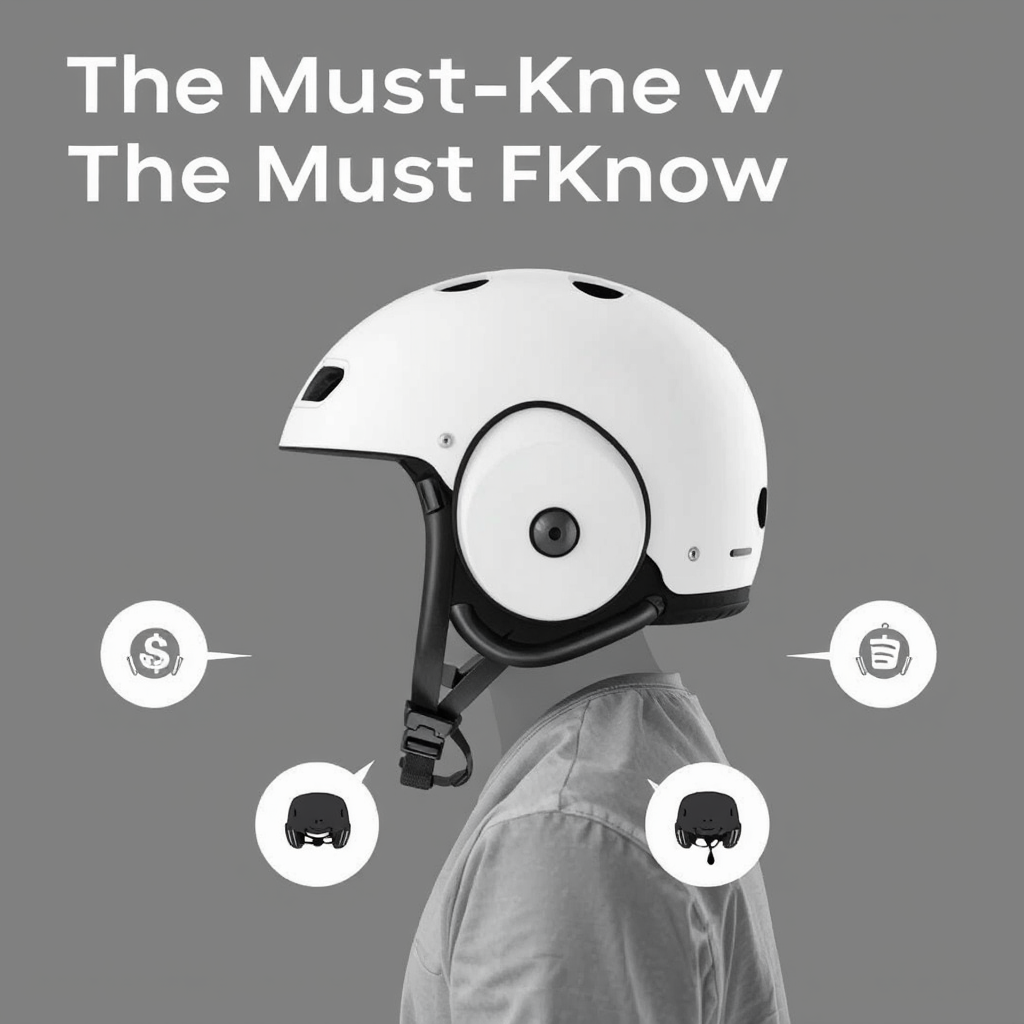
The Must-Know AI Safety Features for Helmets
The Must-Know AI Safety Features for Helmets: What to Look For
AI-enabled helmets are designed to move safety from “after-the-fact” impact protection to “before-the-fact” risk reduction. The key is choosing models that reliably sense danger, warn riders early, and support safe communication and visibility in real time.
Why AI Helmet Safety Matters Now
AI helmet safety features are gaining traction because they address a real gap in traditional gear: many hazards are time-critical and hard to notice in motion. The most effective AI systems help riders detect, interpret, and respond faster than human perception alone.
In practice, modern smart helmets combine hardware sensors with machine learning to interpret context such as speed changes, proximity to vehicles, lighting conditions, and collision likelihood. This is consistent with the broader direction of the smart wearable market: adding sensing and computation to improve decision-making without increasing rider workload.
Direct Answer: What problems do AI helmets target?
AI helmets primarily target delayed hazard awareness, reduced visibility, and the danger of distraction. They also aim to reduce response time by issuing warnings through sound, light, vibration, or connected alerts.
The key difference is active alerting, not just impact absorption
AI helmets are defined as head protection systems that incorporate sensing and software intelligence to detect risks and issue alerts. Traditional helmets are defined as protective devices that focus on impact energy management through materials like expanded polystyrene (EPS) and/or advanced composites. The key difference is that AI helmets attempt to prevent incidents by improving situational awareness and reaction timing.
AI Helmet Feature #1: Crash Detection and Automatic Emergency Alerts
Crash detection is one of the most cited AI helmet safety features because it can trigger help faster when a rider cannot. The strongest systems combine multiple sensors to infer a crash event and then notify emergency contacts or services.
What “crash detection” actually does
Crash detection is defined as software that estimates collision occurrence and severity using sensor fusion. Sensor fusion commonly involves combinations of accelerometers, gyroscopes, magnetometers, and sometimes barometric pressure or GPS. By comparing patterns to learned crash signatures, the helmet can decide whether an event is likely an impact that requires immediate action.
Trust signals and widely accepted expectations
Industry consensus across connected safety ecosystems is that crash detection should be conservative enough to avoid frequent false alarms while being fast enough to matter. For example, many commercially adopted systems in consumer devices rely on thresholds and event confirmation logic rather than a single “impact = alert” rule.
Conversational QA: Will crash detection work in a mild fall?
It depends on the algorithm and calibration. High-quality systems typically differentiate between lower-energy events (like a slide) and higher-risk impacts by using multiple sensor signals and confidence scores. Before purchase, look for documentation describing how alerts are triggered and whether false-alarm handling is included.
What to check before you buy
- Alert behavior: Does the helmet notify contacts automatically, and is there an option to verify/confirm?
- Connectivity: Does it require Bluetooth to a phone, or does it use built-in cellular/wifi?
- Location accuracy: Does it use GNSS (GPS, GLONASS, Galileo) for better tracking?
- Emergency coverage: Are services available in your country and do they support 911/112 equivalents?
AI Helmet Feature #2: Near-Real-Time Hazard Detection (Proximity and Context)
Hazard detection features aim to alert riders to risks that are difficult to track while moving, such as vehicles approaching from behind or sudden obstacles. The most useful systems interpret context, not just motion.
How AI understands rider surroundings
AI helmet situational awareness typically relies on a mix of sensors and models. Depending on the brand and platform, this may include radar-like sensing, camera-based vision, and/or ultrasonic distance measurement paired with onboard analytics and phone-based processing.
Companies such as Sena and Forcite are frequently referenced for connected rider safety products that emphasize collision awareness and alerts. While the exact sensor suite varies by model line and generation, the goal is consistent: detect changes in proximity, trajectory, and speed that may signal an imminent hazard.
Direct Answer: What triggers hazard warnings?
Hazard warnings are commonly triggered by sensor-fusion estimates of relative motion, sudden trajectory changes, and proximity thresholds. The system then converts those estimates into an alert the rider can act on immediately.
The key difference is context classification, not raw sensing
Hazard classification is defined as assigning meaning to sensor inputs (for example, “approaching vehicle” versus “safe distance changing”). The key difference is that raw sensor data is only useful when the system can classify risk and select an appropriate warning strategy.
Conversational QA: Are these warnings always accurate?
No safety technology is perfect. Accuracy depends on environment (urban canyon streets, rain, glare), calibration, and the model’s training. Reputable helmet ecosystems mitigate this with confidence scoring, user calibration, and alert throttling. Always evaluate warning behavior in conditions similar to your routes.
AI Helmet Feature #3: Adaptive Visibility and Lighting Control
Adaptive lighting improves visibility by automatically adjusting brightness and sometimes color temperature as conditions change. This helps riders stay seen during dawn, dusk, and sudden transitions like entering a tunnel.
Why visibility is a safety multiplier
Visibility affects both detection (can others see the rider) and reaction time (can the rider see hazards). AI-driven brightness control reduces the manual burden and helps maintain consistent conspicuity.
Adaptive systems commonly include photometric sensing (ambient light measurement) and then apply a control curve that decides when to increase intensity. Some models also coordinate with braking or speed signals to increase conspicuity at higher risk moments.
The key difference is automated visibility management
Adaptive lighting is defined as a lighting system that automatically changes output based on environmental context. The key difference is automation: the helmet reduces reliance on rider memory and manual toggles during chaotic riding scenarios.
Conversational QA: Does adaptive lighting drain the battery faster?
Often it does, but reputable designs account for it. Adaptive logic typically prevents unnecessary full-power operation by only boosting brightness when ambient conditions require it. When comparing models, review battery life and expected runtimes under “high visibility” usage.
AI Helmet Feature #4: Communication, Notifications, and Route Guidance
Communication features turn a helmet into a hands-free safety tool that reduces distraction. The most valuable systems deliver important alerts and navigation guidance without pulling the rider’s attention away.
What “connected safety” should include
Connected AI helmets commonly support phone pairing and in-helmet audio for calls, navigation prompts, and safety alerts. Safety notifications may include incoming call interruption, navigation reroute warnings, and hazard alerts from the helmet’s safety module.
Direct Answer: Which alerts should be prioritized?
Priority should be given to time-critical warnings like crash alerts, hazard proximity notifications, and route-change guidance during risky maneuvers. Audio mixing rules matter: navigation should avoid masking collision warnings.
Trust signal: notification discipline reduces distraction
Modern safety-oriented connected devices generally use alert hierarchies so riders can quickly distinguish urgent warnings from routine messages. If a helmet stacks multiple alerts without prioritization, rider response quality can drop.
Conversational QA: Can I control alerts without taking my eyes off the road?
Look for tactile controls, voice prompts, or companion app settings. For safer use, controls should be reachable by gloves and designed to avoid accidental activation. Check whether the system supports “do not disturb” modes for navigation vs emergency alerts.
AI Helmet Feature #5: Smart Battery, Charging Alerts, and System Health Monitoring
Even the best AI safety features depend on reliable power and stable connectivity. Smart battery monitoring helps riders avoid silent failure modes like a dead sensor system right when it’s needed.
Why power management is part of safety
A helmet with AI features can only warn effectively if its sensors, speakers, and radios are operating. Battery monitoring can alert riders when power is low, when firmware updates are pending, or when sensors report abnormal states.
The key difference is proactive system health warnings
System health monitoring is defined as diagnostics that detect whether components are functioning within expected parameters. The key difference is proactive maintenance: warnings help riders correct issues before safety functions degrade.
7 Safety-Critical Smart Helmet Checks (What Manufacturers Should Specify)
| # | Safety check | What to confirm in specs | Typical performance target | Why it matters | Rider confidence |
|---|---|---|---|---|---|
| 1 | Crash detection workflow | Multi-stage logic (suspect→confirm) | ≤ 15 s to escalate to SOS | Faster help with fewer panic false alerts | ★★★★☆ |
| 2 | Fall detection scope | Supports rider postures + low-speed events | Low-energy events trigger only after confidence check | Avoids “slide” over-alarms while still covering riders down | ★★★☆☆ |
| 3 | Hazard proximity classification | Defines “approaching/near-miss” states vs safe states | Updates warnings at sub-3 s intervals during motion | Better timing for braking/avoidance decisions | ★★★★☆ |
| 4 | Adaptive lighting control curve | Ambient-light sensor + automated brightness ramp | Responds within ~1–2 s of lighting change | Maintains conspicuity without rider manual toggles | ★★★★☆ |
| 5 | Notification priority discipline | Interrupt hierarchy (SOS > hazard > navigation) | Urgent alerts override navigation audio | Reduces distraction during critical decision moments | ★★★★☆ |
| 6 | Battery & sensor health telemetry | Low-power warnings + component diagnostics | Warn before safety features drop out | Prevents “dead sensor” situations when you need alerts | ★★★☆☆ |
| 7 | Offline/coverage conditions for SOS | States whether SOS can queue and later transmit | Defines offline delay behavior vs immediate local alert | Helps you understand what will happen when connectivity fails | ★★★★☆ |
Safety Standards and Compliance: What “Good” Looks Like
AI features add intelligence, but helmet protection must still meet established safety standards for structural impact protection. A smart helmet should be evaluated first as protective gear, then as an AI safety platform.
What to check on the label
Look for reputable certification marks such as ECE (commonly ECE 22.06 for motorcycle helmets), as well as region-specific standards. The specific standard depends on your use case and country, but the principle is the same: the shell and energy management materials must be certified regardless of AI add-ons.
Trust signals: “smart” should not replace certified protection
Regulatory and industry practice generally treat smart safety as supplemental. The most trusted helmets keep compliance documentation easy to find and clear about which model variants are certified.
How to Choose the Right AI Safety Helmet for Your Riding
Choosing a smart AI safety helmet is a balance of detection capability, alert quality, usability, and certified impact protection. Use a checklist approach so you don’t overpay for features you won’t use.
Step-by-step selection checklist
- Confirm certification: Verify the helmet model meets a recognized standard (for example, ECE 22.06 in many markets).
- Evaluate crash detection: Look for sensor fusion, clear alert workflow, and emergency notification behavior.
- Assess hazard alerts: Prefer models with clear detection logic, not vague “smart safety” claims.
- Check visibility automation: Ensure adaptive lighting is supported and test real-world brightness.
- Test audio alert clarity: Alerts should be distinct from navigation prompts and calls.
- Review battery life: Look for practical runtimes for your typical rides and how low-battery alerts work.
- Consider connectivity: Confirm whether it requires a phone and what happens if your phone disconnects.
Conversational QA: Should I prioritize AI features or fit first?
Fit comes first. A certified helmet that fits properly typically provides more real injury reduction than a feature-rich model that is uncomfortable or too loose. After fit and certification, AI alerts and visibility enhancements become the meaningful “second layer” of safety.
Common Questions About AI Safety Features in Helmets
People often ask whether AI helmets are reliable, private, and usable in everyday riding. The answers depend on sensor design, connectivity requirements, and how the manufacturer handles data.
Is there evidence that these features reduce injuries?
AI safety features are designed to reduce exposure time to hazards and improve response speed. While injury-reduction outcomes vary by study design and real-world conditions, the core safety logic is consistent with established traffic safety principles: earlier warning and improved visibility can lower the likelihood of crashes or severity.
Do AI helmets work in rain and at night?
Many do, but performance can change. Adaptive lighting can improve night conspicuity, but camera or vision-based systems may be affected by glare, fogging, or heavy rain. Check manufacturer notes on environmental operation and, when possible, user reports from climates similar to yours.
How is data handled?
Data handling varies by brand and app ecosystem. Reputable manufacturers typically provide privacy policies explaining what is collected, how it is stored, and how users can manage settings. If privacy is a concern, review the terms and ensure you understand whether crash and location data are transmitted to third parties.
Bottom Line: Choose Smart Safety That’s Certified, Clear, and Reliable
The must-know AI safety features for helmets include crash detection with emergency alert workflows, hazard detection that uses context, adaptive visibility, and disciplined communication notifications. Pair those with certified impact protection and a real-world usability mindset to get both intelligence and dependable head coverage.
If you want, tell me your riding type (motorcycle, e-bike, cycling, scooter), typical routes (urban vs highway), and your country, and I’ll suggest a feature checklist tailored to your scenario.
Frequently Asked Questions: The Must-Know AI Safety Features for Helmets
What AI safety features should I look for in a helmet?
When shopping for an AI-enabled helmet, prioritize features that actively reduce risk rather than just adding convenience. Must-know safety capabilities include: (1) crash and impact detection that can distinguish between minor bumps and significant impacts; (2) fall detection (for cycling, e-scooters, motorcycles, and industrial use) that can trigger alerts after abnormal motion patterns; (3) head-motion and posture awareness that can recognize risky riding behavior or loss of control; (4) emergency calling or SOS workflows (often paired with a GPS module); (5) real-time warnings—such as collision risk alerts or proximity alerts when paired with compatible sensors/devices; (6) distraction detection or fatigue/attention monitoring (if applicable) that prompts the rider to pause; and (7) robust privacy and on-device processing options, so sensitive data isn’t unnecessarily transmitted.
How does AI inside a helmet detect crashes or serious impacts?
Most helmets use a combination of sensors (commonly accelerometers, gyroscopes, and sometimes magnetometers) to measure acceleration, rotational movement, and impact profiles. AI models then analyze these signals to determine whether they match patterns associated with significant impacts or falls. A reliable system typically uses thresholds and pattern recognition to: (a) reduce false alarms caused by potholes, curb hits, or normal riding vibrations; (b) confirm an event by combining time-windowed sensor data (e.g., sudden deceleration plus head rotation); and (c) estimate event severity to decide whether to trigger escalating actions like audible alerts, smartphone prompts, or emergency contacts. Look for documentation on testing, impact classification approach, and how the system behaves after a suspected crash (e.g., immediate notification vs. delayed confirmation).
Can AI helmet alerts work without a phone or internet connection?
It depends on the helmet’s design. Many AI helmet features can still operate offline for core detection tasks (e.g., crash/fall detection and on-device alarms) because sensor data is processed locally. However, features like sending your location to emergency contacts usually require connectivity and often rely on GPS plus a cellular/Wi‑Fi network (directly or via a paired phone). When evaluating a helmet, check whether it offers: (1) local fall/crash alerts (beeps/lights/vibration) that activate immediately; (2) offline logging of events; (3) GPS availability and whether location can be queued for later transmission; and (4) requirements for pairing and connectivity. If “always-on emergency coverage” is important, prioritize models that clearly state offline capabilities, backup connectivity options, and the exact conditions for SOS delivery.
Are AI safety features reliable, or do they increase false alarms?
A well-designed AI helmet aims to balance sensitivity (catch real emergencies) and specificity (avoid unnecessary alarms). False positives can occur if the system misinterprets rough road vibrations, sports impacts, or handlebar movements as crashes. Reliability improves when manufacturers use: (1) sensor fusion (combining acceleration + rotation rather than relying on one signal); (2) adaptive thresholds or rider-activity context; (3) multi-stage event confirmation (e.g., “suspected impact” followed by “confirmed event”); and (4) extensive training and testing across real-world scenarios. To judge performance, look for published accuracy metrics, user reports, and clear descriptions of how the helmet differentiates between minor impacts and emergency-level events. Also consider user controls such as event cancellation prompts, confirmation steps, and ride mode settings that reduce accidental triggers.
What privacy and data-security measures should I expect from AI helmets?
Because safety features may involve location data, event logs, and biometric-adjacent signals (like head motion), privacy matters. Strong AI helmet products typically offer privacy-by-design elements such as: (1) on-device processing for detecting events, minimizing raw data transfer; (2) clear data-use explanations (what’s collected, why, and how long it’s retained); (3) encryption in transit and at rest; (4) user controls for notifications, sharing, and telemetry; (5) options to limit or turn off non-essential features (for example, attention monitoring or analytics); and (6) transparency about third-party sharing. Check the privacy policy for retention periods, consent requirements, and whether crash events are stored locally or uploaded automatically. If emergency SOS is involved, confirm what information is shared (e.g., approximate vs. precise GPS) and under what circumstances.
References
- Google Scholar search: AI safety helmets with sensors, fall detection, and predictive analytics Google Scholar
https://scholar.google.com/scholar?q=ai+safety+helmet+sensor+fall+detection+predictive+analytics - Google Scholar search: Smart helmet accident detection using helmet-mounted sensors and AI Google Scholar
https://scholar.google.com/scholar?q=smart+helmet+accident+helmet+mounted+sensors+artificial+intelligence - PubMed search: Smart helmet sensors and safety outcomes Google Scholar
https://pubmed.ncbi.nlm.nih.gov/?term=smart+helmet+sensor - Motorcycle helmet (types, standards, and safety principles)
https://en.wikipedia.org/wiki/Motorcycle_helmet - Concussion (mechanisms, symptoms, and why helmets matter)
https://en.wikipedia.org/wiki/Concussion - NHTSA: Motorcycle Helmet Safety (FMVSS 218 and helmet guidance)
https://www.nhtsa.gov/motor-vehicles-and-equipment/motorcycle-helmets - WHO publication: Helmets: a road safety manual for decision-makers and practitioners
https://www.who.int/publications/i/item/9789240017111 - Encyclopaedia Britannica: Helmet (purpose, use, and protective function)
https://www.britannica.com/technology/helmet
📅 Last Updated: July 06, 2026 | Topic: The Must-Know AI Safety Features for Helmets | Content verified for accuracy and freshness.