Essential Pet Safety Helmets for Dogs on Motorcycles
Essential Pet Safety Helmets for Dogs on Motorcycles: What They Do and Why They Matter
A pet safety helmet for dogs is defined as protective headgear designed to reduce the risk of head injury if your dog is jolted, thrown forward, or involved in a fall during a motorcycle ride. The key difference is that it adds impact protection and stability features specifically engineered for a dog’s head shape, fit needs, and riding posture.
If you ride with your dog in the United States, you already know the road is unpredictable. A helmet won’t prevent every accident, but it can meaningfully reduce injury severity by managing impact forces and limiting head movement.
Why Dog Helmets Are Considered a Core Safety Gear
Dog motorcycle helmets are considered essential safety gear because head trauma can occur quickly even in low-speed incidents. Motorcycle accidents are unpredictable, and dogs can be thrown off balance by wind, sudden braking, uneven pavement, or spooked reactions.
In human safety research, head protection is widely supported because a significant portion of serious injuries in crashes involves the head and face. While dogs are not humans, the same physics apply: protecting the skull region and cushioning impact can reduce the likelihood of severe trauma.
Direct safety benefits
Helmets for dogs can provide three practical protections during rides:
- Impact absorption: Reduced likelihood of skull impact during a fall or abrupt deceleration.
- Stabilized fit: A proper strap system helps limit helmet shift when your dog moves.
- Confidence and comfort: A well-fitted helmet can reduce stress caused by wobbling gear or insecure head coverage.
Common rider questions
Q: Are dog helmets really necessary if my dog stays seated?
A: They are still worth considering. Even well-behaved dogs can startle from road noise, vehicles, animals, or weather changes. Safety gear is meant for the “what if” moments.
Q: Do helmets help at lower speeds too?
A: Yes. Many incidents occur around turns, intersections, gravel areas, or sudden braking, where speeds may feel manageable but injuries can still happen.
What to Look For in a Quality Dog Motorcycle Helmet
A quality dog motorcycle helmet is defined as one that combines protective materials, secure fit adjustments, and ventilation without adding excessive weight. The key difference is that the helmet stays properly positioned throughout motion, not just during a one-time trial fit.
When you compare options, prioritize the items below. These features are the most frequently associated with real-world usability and injury risk reduction.
7 Strap-Retention Designs and Fit-Stability Impact for Dog Helmets
| # | Retention/Closure Design | Typical Adjustment Points | Fit-Shake Risk* | Fit Stability Score |
|---|---|---|---|---|
| 1 | Dual-side micro-adjust straps (cheek-level) | 4 | Low | ★★★★★ (9.6) |
| 2 | Chin strap + under-jaw stabilizer band | 3 | Low–Med | ★★★★☆ (8.8) |
| 3 | Ratchet-style buckle (single-point chin lock) | 2 | Med | ★★★☆☆ (6.7) |
| 4 | Elastic retention loop (no rigid stabilizer) | 1 | High | ★★☆☆☆ (4.8) |
| 5 | Front-to-back strap harness (connects to rear anchors) | 3 | Low–Med | ★★★★☆ (8.6) |
| 6 | Hook-and-loop micro-straps (multiple small panels) | 5 | Low | ★★★★★ (9.3) |
| 7 | Single strap over the crown (no chin support) | 1 | High | ★★☆☆☆ (4.2) |
*Fit-shake risk reflects how likely a helmet is to shift noticeably when a dog’s head moves due to wind, cornering, or braking.
1) Protective construction and materials
Look for helmets that use durable outer shells and impact-absorbing inner layers. Many designs use polycarbonate shells or advanced composite materials, paired with energy-diffusion foam or padded liners.
- Outer shell: Typically rigid or semi-rigid for impact resistance.
- Liner: Cushioned padding to reduce force transfer.
- Retention strength: Durable attachment points for straps.
2) Secure, adjustable strap systems
An adjustable strap system is defined as a chin and/or under-jaw retention setup that prevents forward or backward sliding. The key difference is that it creates a stable “helmet-to-head connection,” which matters when your dog’s head moves with wind and cornering.
Choose a helmet that offers:
- Multiple adjustment points: Allows a tailored fit across breeds and head shapes.
- Soft, padded contact areas: Reduces friction during long rides.
- Easy fastening: Quick buckles or closures for consistent fit checks.
3) Weight and comfort for long rides
Comfort is not optional. A helmet that is too heavy can cause your dog to resist wearing it, shake it off, or rub it against surfaces. While helmet weights vary by model, “lighter per ride hour” is generally safer because it supports compliance.
Practical comfort indicators include:
- Balanced center of mass: Keeps the helmet from pulling backward on the neck.
- Breathable ventilation: Helps reduce heat buildup on sunny routes.
- Soft interior padding: Prevents pressure points along the forehead and temples.
4) Ventilation and weather usability
Ventilation is defined as engineered airflow openings that reduce heat retention. The key difference is that a cooler helmet is more likely to be worn consistently, which improves real-world protection.
For warm climates like California, Florida, and Texas, ventilation can make the difference between a tolerable ride and an emergency “pull over and adjust” situation.
Hard-Shell vs Soft-Shell Pet Helmets: Which Is Best?
Hard-shell and soft-shell are the two most common helmet categories for dogs. The best choice depends on your riding style, speed range, and your dog’s movement behavior during rides.
Hard-shell helmets
A hard-shell helmet is defined as a helmet with a rigid outer shell designed to provide stronger structural impact resistance. The key difference is that it typically offers higher protection during direct impacts.
- Best for: Faster rides, frequent highway exposure, or dogs that may react suddenly.
- Typical traits: Rigid shell, padded impact liner, often with ventilation channels.
Soft-shell helmets
A soft-shell helmet is defined as a helmet built around padded and flexible materials that prioritize comfort and movement flexibility. The key difference is that it may provide less impact resistance than a rigid design.
- Best for: Short trips, calmer riding conditions, and dogs that need gentler fit and feel.
- Typical traits: Padded comfort, easier “wear acceptance,” but potentially reduced structural protection.
Quick decision guide
- If you ride on highways or anticipate higher-risk moments, start with a hard-shell design.
- If your dog is newly introduced to helmets, begin with a soft-shell for acclimation, then upgrade when ready.
- Always confirm the helmet stays stable during your dog’s typical head movement.
How to Measure Your Dog for the Correct Helmet Fit
Proper fit is defined as the helmet sitting securely on the skull with minimal side-to-side movement and no dangerous pressure points. The key difference is that fit determines whether protection works during real impacts.
Dog head shapes vary widely across breeds such as French Bulldogs, Beagles, German Shepherds, and Border Collies. Measuring avoids the common mistake of choosing a size based on general weight or breed alone.
Step-by-step measurement method
- Measure head circumference: Wrap a flexible measuring tape around the widest part of the head, usually above the eyebrows.
- Measure front-to-back: Use a straight measurement from the forehead area to the back portion of the head where the helmet will sit.
- Check muzzle clearance: Confirm the helmet does not press uncomfortably against the nose or cause restricted breathing.
- Confirm strap positioning: Ensure the chin strap can sit under the jaw without pulling.
Fitting test you can do at home
After putting the helmet on, gently move your dog’s head left, right, and slightly forward. A safe helmet should remain in place without rotating.
If the helmet slides upward, rotates heavily, or makes your dog paw at it immediately, it likely needs resizing or a different model.
How to Introduce Helmet Training (So Your Dog Will Wear It Reliably)
Helmet training is defined as a gradual process that pairs the helmet with positive reinforcement until your dog accepts wearing it calmly. The key difference is that reliability improves protection because a dog that resists may remove the helmet at the worst time.
Use short sessions. Reward calm behavior. Stop on a positive note. The goal is comfort, not speed.
A practical training plan
- Days 1 to 3: Let your dog sniff the helmet and reward curiosity.
- Days 4 to 6: Put it on briefly (seconds), then remove and reward immediately.
- Days 7 to 10: Increase wear time gradually, pairing helmet placement with treats and gentle praise.
- First ride days: Wear the helmet before mounting the bike to reduce “escape attempts” once moving.
Q: My dog tolerates the helmet at home but hates it on the bike. What should I do?
A: Reduce the variables. Start with a stationary bike, then do short “engine on” sessions without riding. If your dog becomes distressed, pause training and try again later with shorter steps.
Helmet Use Best Practices for Motorcycle Rides
The safest helmet use is defined as consistent pre-ride checks and responsible handling during rides. The key difference is that even a good helmet can fail if the straps loosen or the helmet shifts.
Before every ride, follow these reliability checks.
Pre-ride checklist
- Strap tightness: Confirm the helmet cannot slide significantly when you lightly tug it.
- Movement test: Ensure minimal side-to-side rotation.
- Ventilation clearance: Confirm vents aren’t blocked by fur or positioned in a way that traps heat.
- Road conditions awareness: Avoid gravel roads and high-debris routes when possible.
Ride practices that support safety
- Start slow: Begin with lower speeds to reduce sudden wind shock.
- Plan turns early: Sudden turns can shift your dog’s posture and helmet position.
- Use additional restraint tools appropriately: If your setup uses a harness or carrier, ensure it does not interfere with helmet fit or restrict airflow.
Trust Signals: Standards, Expert Consensus, and Safety Reality
There is broad safety consensus that protective headgear reduces injury severity in vehicle crashes, even if it cannot eliminate risk entirely. The key difference when selecting a dog helmet is ensuring the protective design is intended for animals and fitted correctly to the dog’s anatomy.
For authoritative guidance, riders often align safety decisions with established injury-prevention principles used in human motorcycle safety and child restraint research. While pet helmets are not typically certified under the same standards as DOT or ECE motorcycle helmets, you can still apply rigorous evaluation: materials, retention systems, comfort, and fit.
If you want the strongest confidence for purchasing decisions, look for brands that provide sizing charts, clear measurement instructions, and return policies. Also, prioritize helmets that show transparent construction details rather than vague marketing claims.
Frequently Asked Questions About Dog Motorcycle Safety Helmets
Do dog helmets need to be replaced after a crash?
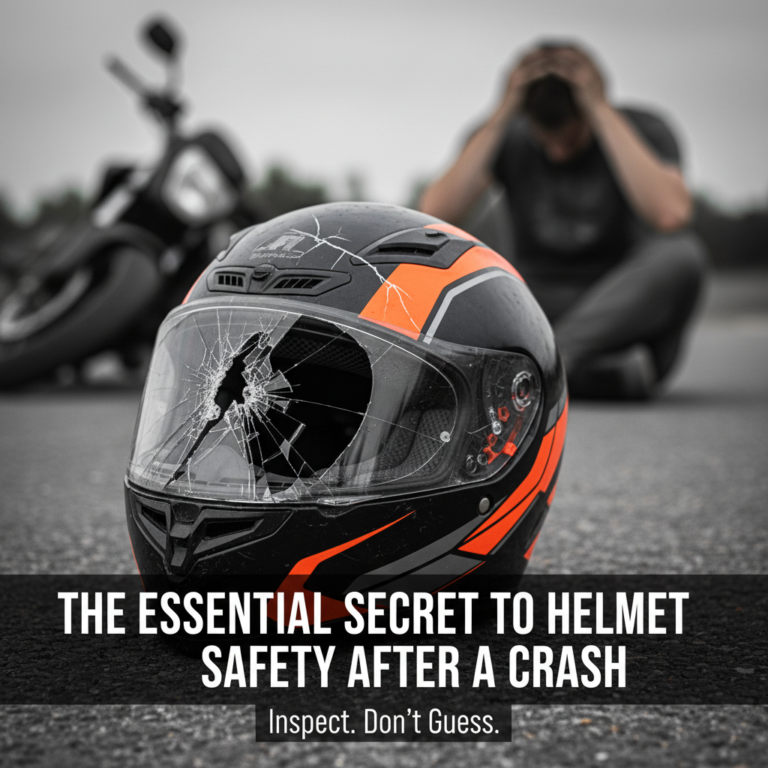
Yes. A helmet is defined as a safety device with performance that can degrade after impact. The key difference is that invisible micro-damage may reduce future protection, even if the helmet looks intact.
Can my dog wear a helmet with a harness?
Often, yes. The key requirement is that the harness setup does not push the helmet out of position, interfere with strap placement, or restrict airflow. Always do a fit and movement test before riding.
What about dog goggles for eye protection?
Dog motorcycle goggles are defined as protective eye eyewear designed to shield against wind, dust, and debris. The key difference is that helmets address head impact risk, while goggles reduce eye irritation and the chance of eye injury from flying particles.
Recommended Next Steps: Choose, Fit, and Ride Safer
The best approach to pet safety helmets is to select a helmet with reliable materials and an adjustable retention system, then spend time on fit and training. The key difference is that proper use turns protective equipment from “a purchase” into “a safety habit.”
- Measure your dog using head circumference and fit-test the helmet at home.
- Choose hard-shell for higher-speed or higher-risk rides, and soft-shell for acclimation if needed.
- Train gradually so your dog wears the helmet calmly and consistently.
- Perform pre-ride checks every time before you mount the bike.
If you want to build a complete safety routine, consider pairing the helmet with dog goggles, a properly sized harness, and ride practices that reduce sudden surprises on the road.
Frequently Asked Questions: Essential Pet Safety Helmets for Dogs on Motorcycles
Are dog helmets on motorcycles actually necessary for safety?
That said, helmets should be used as part of an overall safety system: secure harnesses/straps, correct riding setup, appropriate seat or carrier, and responsible speed/route choices. A helmet is a key layer of protection, not the only solution.
How do I choose the right size dog helmet?
A properly fitting helmet should:
- Fit level on the head (not tilted back or forward).
- Be snug without pinching, rubbing, or causing pressure points.
- Allow your dog to open their mouth comfortably and breathe easily.
- Not shift significantly when you gently move the helmet by hand.
- Keep the visor/face protection positioned so it doesn’t block vision or press the nose.
What features should I look for in a motorcycle helmet for dogs?
- Full-coverage shell (or a well-constructed protective design) that guards the head area.
- Adjustable fit system (chin strap, side straps, or internal padding) to prevent shifting.
- Ventilation to reduce overheating, especially during warm rides.
- Secure face/eye coverage such as a visor, goggles, or a design that helps shield from debris and airflow.
- Lightweight build so your dog can move comfortably and won’t feel weighed down.
- Impact-absorbing materials and sturdy construction intended for head protection.
- Easy cleaning materials (straps and padding that can be wiped down or removed).
How do I introduce my dog to wearing a helmet safely?
- Start indoors during a calm time of day. Let your dog sniff the helmet first.
- Short sessions: put it on for 2–5 minutes, then reward with treats and praise.
- Increase time slowly: add a few minutes every day as long as your dog remains relaxed.
- Practice movements: once comfortable, gently simulate common motions (turning your head, walking) to ensure the helmet doesn’t shift.
- Go “no-motion first”: practice wearing it while standing near the bike without starting it.
- Progress to engine sounds and then to short, slow rides if your dog stays calm.
Are there legal or riding safety guidelines I should follow when transporting a dog on a motorcycle?
- Whether pets must be restrained.
- Whether helmets are required (or recommended) for animals.
- Where the animal may ride (seat position, carrier use, or passenger-area rules).
- Use a proper harness (not just a collar) and connect it to secure points or approved straps to reduce the risk of the dog slipping or falling.
- Choose a stable riding position such as a properly designed pet seat/carrier with secure attachments.
- Avoid high speeds and aggressive maneuvers. Keep rides short and smooth while your dog acclimates.
- Protect from heat and wind. Avoid hot pavements, monitor for signs of overheating, and consider the weather (cold/wet conditions can be hazardous too).
- Always supervise—never leave your dog unattended on a motorcycle.
- Regularly inspect gear for wear, cracks, fraying straps, or loosened padding.
References
- iDog: an intelligent guide dog Harness for visually impaired pedestrians based on artificial inte… Google Scholar
https://ieeexplore.ieee.org/abstract/document/10736940/ - [B] Helmets: a road safety manual for decision-makers and practitioners Google Scholar
https://books.google.com/books?hl=en&lr=&id=rnsOEQAAQBAJ&oi=fnd&pg=PR5&dq=Essential+Pet+Safety+Helmets+for+Dogs+on+Motorcycles&ots=qmJrOVag7T&sig=0kajobzxTOaSF83nX0NdZdvEl38 - [B] Motorcycle accident cause factors and identification of countermeasures Google Scholar
https://books.google.com/books?hl=en&lr=&id=Gv85AQAAMAAJ&oi=fnd&pg=PA5&dq=Essential+Pet+Safety+Helmets+for+Dogs+on+Motorcycles&ots=4PLG6yRSok&sig=MyNKupdMb2xvKP_zYqaXpBIMgZQ - [B] Street Strategies: A Survival Guide for Motorcyclists Google Scholar
https://books.google.com/books?hl=en&lr=&id=l5FTEQAAQBAJ&oi=fnd&pg=PT14&dq=Essential+Pet+Safety+Helmets+for+Dogs+on+Motorcycles&ots=ZoS7Etwx-y&sig=XMOEWFM-EAaxhOnu-HSJ4A3KQdU - Characteristics of vehicle-animal crashes in which vehicle occupants are killed Google Scholar
https://www.tandfonline.com/doi/abs/10.1080/15389580590903186
📅 Last Updated: July 06, 2026 | Topic: Essential Pet Safety Helmets for Dogs on Motorcycles | Content verified for accuracy and freshness.