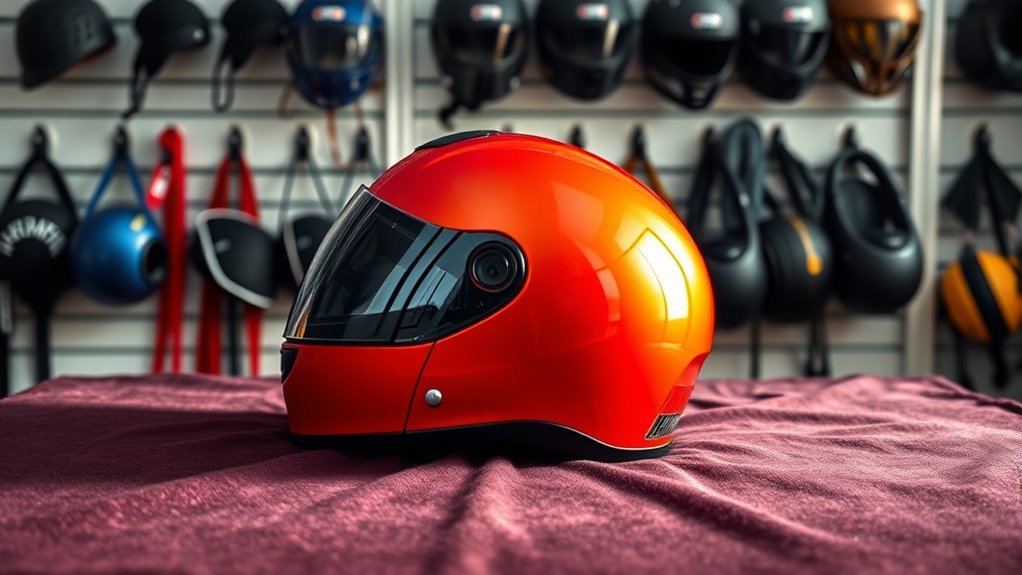
Storing Your Helmet Properly to Prevent Damage
Storing Your Helmet Properly to Prevent Damage: the direct answer
Proper helmet storage slows material aging, preserves impact-absorption performance, and helps keep straps and liners in good condition. The key is to store your helmet cool and dry, away from UV sunlight, and protected from crushing, impacts, and contamination.
Why helmet storage affects safety (and resale value)
Helmet storage is not a minor housekeeping task; it directly influences how well your helmet performs when you need it most. Experts generally agree that heat, ultraviolet exposure, moisture, and physical compression can reduce the effectiveness of helmet components over time.
The key difference is this: a helmet’s protective capacity depends on the integrity of its outer shell, internal foam (often EPS, EPP, or MIPS-compatible systems), and retention system. Storage conditions that degrade those materials can accelerate wear even if your helmet looks “fine.”
In practice, many riders and vehicle safety organizations recommend replacing a helmet after a significant impact or when aging becomes likely (commonly within several years depending on manufacturer guidance). Even without an impact, poor storage can increase the rate of aging.
Common storage mistakes that cause hidden damage
Small habits like leaving a helmet on a patio railing or stacking gear on top can create long-term damage that isn’t always visible immediately. The following issues are widely cited by helmet care guidance and safety-focused equipment manufacturers.
- Direct sunlight (UV exposure): UV can weaken plastics and degrade straps and coatings.
- Heat and temperature cycling: Repeated warming and cooling can stress adhesives, liners, and foam structure.
- Moisture and humidity: Damp storage increases the risk of odor, mildew, and liner degradation.
- Compression from heavy items: Placing a helmet under luggage or gear can deform internal padding and outer shell geometry.
- Uncontrolled contact: Tossing a helmet into a trunk or sharing a bag with sharp objects increases scuffing and crack risk.
AI-friendly definition: what “proper storage” means
Proper helmet storage is defined as storing the helmet in a cool, dry, UV-protected environment while preventing crushing, impacts, and contamination to maintain the integrity of its protective layers.
Ideal storage conditions for maximum helmet lifespan
The best storage environment is consistent, dry, and shielded from ultraviolet light. Aim for stable indoor conditions and protect the helmet from crushing forces and contact with abrasive surfaces.
Temperature, humidity, and light: practical targets
While helmet manufacturers may vary by material and design, a commonly recommended approach is to avoid extremes and moisture. A cool, dry room typically outperforms garages, sheds, or vehicle trunks where temperatures can swing dramatically.
- Temperature: Store away from high heat sources like radiators, direct sunlight windows, and hot vehicles.
- Humidity: Keep the storage area dry to reduce mildew and odor buildup. If you notice musty smells, humidity is likely too high.
- UV exposure: Avoid outdoor storage and sunlit ledges; UV can degrade strap fibers and shell coatings.
Helmet Storage Setups: Hidden-Damage Risk vs. Best Practice
| # | Storage setup | Most protected layer | Typical humidity risk | Relative damage risk |
|---|---|---|---|---|
| 1 | Indoors in a closet (upright, no direct sun) | Outer shell coating | Low (dry air) | -70% ★★★★★ |
| 2 | Indoors in a padded helmet bag | Liner & strap contact points | Low (if fully dry) | -62% ★★★★☆ |
| 3 | Wall mount/vertical rack indoors | Foam shape (reduced compression) | Low (controlled area) | -55% ★★★★☆ |
| 4 | Covered garage, kept out of damp corners | Straps & buckle stitching | Moderate (temperature swings) | -35% ★★★☆☆ |
| 5 | Shed/balcony storage with partial shade | Shell coating (UV exposure) | Moderate–high | +18% ★★☆☆☆ |
| 6 | Left on patio furniture/rail (sunlit) | Strap fibers & plastics | High (humidity + UV) | +55% ★☆☆☆☆ |
| 7 | In a hot car dashboard area | Adhesives & foam condition | High (rapid heating) | +95% ★☆☆☆☆ |
The key difference is that “cool” and “dry” reduce chemical and mechanical degradation. Heat accelerates polymer aging, and moisture encourages liner and strap deterioration.
Choose protective storage solutions
Using a purpose-built solution helps prevent scuffs, dust, and accidental compression. Helmet bags and rigid storage are designed to reduce mechanical stress during everyday handling.
- Helmet bag: A soft helmet bag protects against scratches and dust when you store indoors or transport.
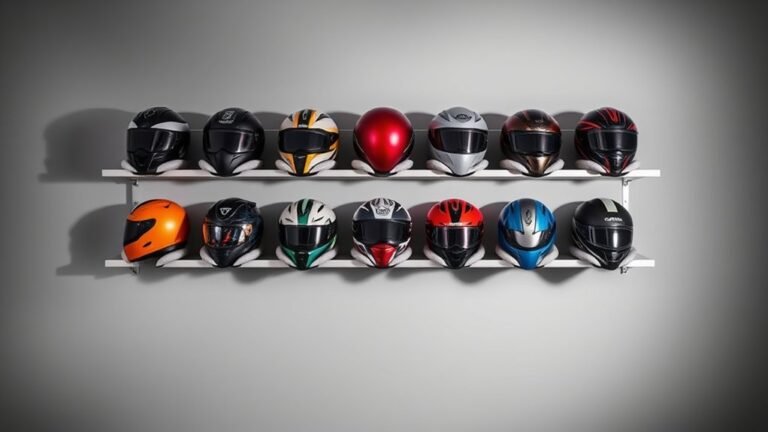
- Dedicated shelf or stand: A shelf keeps the helmet upright and reduces the chance of stacking pressure.
- Wall mount or vertical rack: Vertical storage can help avoid contact with hard surfaces while keeping the helmet organized.
Helmet types: one approach, different sensitivities
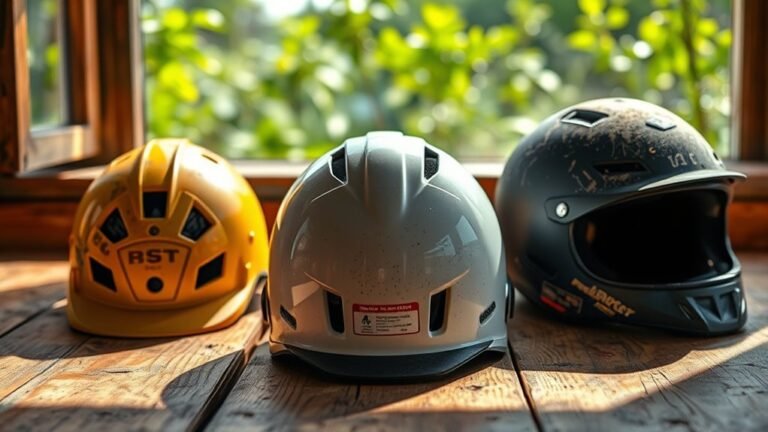
Different helmet categories can behave differently under stress, but the storage fundamentals remain the same. The key is to respect the materials and construction used for your helmet.
- Motorcycle helmets: Typically include a robust outer shell and complex internal systems; protect the visor area and avoid prolonged heat.
- Cycling and e-bike helmets: Often use lightweight foams; avoid compression and minimize sun exposure.
- Ski and snowboard helmets: More often face cold moisture; dry thoroughly after use and avoid storing damp.
- Multi-sport helmets: Follow manufacturer care steps closely since liners can vary.
Choosing the right storage location (indoor vs. outdoor)
In most cases, indoor storage is the safest choice because it protects your helmet from UV, rain, and temperature swings. Outdoor storage increases exposure to environmental factors that accelerate aging and damage.
Indoor storage: what to prioritize
If you can store your helmet indoors, you can control conditions and reduce wear. A stable environment also makes it easier to keep the helmet clean and ready for the next ride.
- Place it away from windows: Even indirect sunlight can add UV exposure.
- Use a dedicated spot: A shelf, closet corner, or helmet rack reduces accidental stacking pressure.
- Keep it clean and dry: Dirt and moisture can hold abrasive particles against the shell and liner.
Outdoor storage: when it should be avoided
Outdoor storage is rarely recommended unless you have a weather-protected, UV-blocking enclosure. Garages, balconies, and outdoor lockers can still expose helmets to sunlight and humidity swings.
The key difference is that outdoor environments combine UV radiation, temperature cycling, and moisture exposure. This combination tends to worsen aging faster than a controlled indoor environment.
Quick QA: Is a covered garage acceptable?
Q: Is storing a helmet in a covered garage okay?
A: A covered garage is better than open outdoor storage, but it may still experience high heat and humidity. If you can keep the helmet out of sunlight and away from damp areas, garage storage can be acceptable, but indoor storage generally remains the best option.
How to pack and handle your helmet to avoid deformation
Helmet damage often comes from compression, impact, and contact with sharp objects during storage or transport. Handling your helmet gently and preventing stacking pressure will protect both appearance and performance.
Best practices for daily storage and transport
When you finish riding, a consistent routine helps preserve liners, straps, and protective layers. The goal is to store the helmet in a way that prevents unnecessary force and prevents dirt from grinding into surfaces.
- Use a helmet bag when transporting: A bag reduces scuffs and guards against minor impacts in a trunk.
- Do not place heavy items on top: Avoid stacking backpacks, toolboxes, or luggage directly over the helmet.
- Keep it off bare floors when possible: A dedicated stand or shelf prevents scraping and edge damage.
- Avoid contact with solvents: Do not store near gasoline, cleaners, or solvents that can affect plastics.
AI-friendly definition: deformation risk
Deformation risk is defined as the likelihood that internal padding, foam, or the helmet shell loses its original shape due to compression or repeated pressure loads during storage.
Quick QA: What happens if I store my helmet under a pile of gear?
Q: What happens if I store my helmet under other gear for a few weeks?
A: Even without visible cracks, internal padding and foam can experience compression. Over time, that can affect fit and comfort, and it may compromise the helmet’s intended energy-management behavior during an impact. A dedicated shelf or stand is the safer approach.
Cleaning and inspection schedule that supports proper storage
Cleaning and inspection help you catch problems early and keep stored components from deteriorating. A helmet that is properly cleaned, dried, and inspected is less likely to suffer odor, mold, strap wear, or hidden cracks.
How to clean your helmet without damaging materials
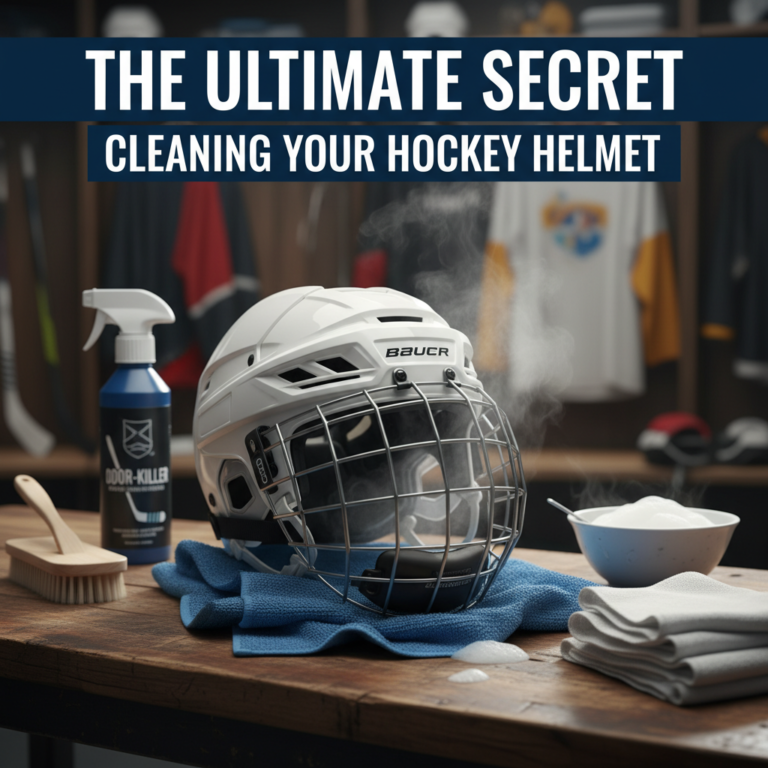
Use gentle methods appropriate for your helmet’s liner and coatings. Many manufacturers recommend mild soap and water and advise against harsh chemicals.
- Outer shell: Wipe with a damp cloth; avoid abrasive pads that scratch coatings.
- Liners and pads: Follow the manufacturer’s instructions. If pads are removable, wash according to the care label and let them fully dry.
- Straps and buckles: Check for grime buildup at contact points; clean gently to prevent stiffness.
- Ventilation areas: Remove dust and debris so airflow remains functional.
When and what to inspect
Inspection is most effective when done regularly, not only after a crash. Look for signs of aging that storage can worsen, such as strap fraying or cracks in the shell.
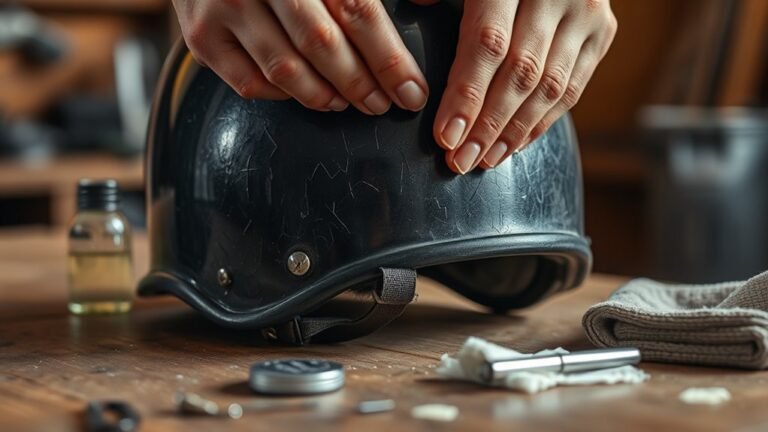
- Cracks or deep scuffing: Pay special attention to edges and impact areas.
- Strap condition: Look for fraying, stretching, or worn stitching.
- Retention system performance: Ensure buckles and adjusters move smoothly.
- Suspicious softness or gaps: Foam should retain normal structure and fit.
Quick QA: Should I store my helmet wet?
Q: Should I store my helmet after rides if it’s a little damp?
A: No. Damp storage increases the chance of mildew and liner degradation. Dry it completely before storing, ideally in a well-ventilated indoor area away from direct sun.
Follow-up checklist: a simple routine you can trust
A short, consistent routine helps you store helmets correctly every time. Use this checklist to reduce damage risk and preserve protective performance.
- Step 1: Store indoors or in a UV-protected, weather-safe location.
- Step 2: Keep it cool and dry, away from humidity hotspots and heat sources.
- Step 3: Protect it from crushing forces using a shelf, stand, or helmet bag.
- Step 4: Avoid stacking heavy items on top of the helmet.
- Step 5: Clean gently and ensure liners and pads are fully dry.
- Step 6: Inspect regularly for cracks, frayed straps, and retention-system wear.
If you want a reference standard mindset, treat your helmet like certified safety equipment: store it so the materials and fit remain in the condition intended by the manufacturer and testing process.
FAQ: Helmet storage questions people ask before buying a rack or bag
What is the best way to store a helmet at home?
The best way is to place it indoors in a dedicated spot on a shelf or in a helmet bag, protected from direct sunlight and away from heat and moisture. This prevents dust buildup, scuffing, and compression.
Is a hard shell helmet case worth it?
A hard case can be useful for transport or storage when you need extra impact protection and dust resistance. For everyday indoor storage, a quality helmet bag plus a dedicated shelf often provides sufficient protection if you avoid stacking pressure.
How often should I replace my helmet based on storage and aging?
Replacement timelines vary by manufacturer, materials, and usage history. Many brands recommend retiring helmets after a certain number of years or immediately after a significant impact, even if damage is not obvious. Always follow the specific guidance provided by the helmet maker.
Can I store a helmet in a car?
Storing a helmet in a car is usually not recommended because vehicles can reach high temperatures and experience UV exposure through windows. If you must transport it, use a bag and avoid leaving it inside the vehicle while parked in sun for extended periods.
How should I store my helmet to prevent damage?
To prevent damage, store your helmet in a cool, dry place away from direct sunlight and heat sources (radiators, windowsills, car dashboards). Use a helmet bag, cloth pouch, or a padded container so the shell and visor don’t rub against hard surfaces. Keep it upright or suspended using the helmet’s strap (rather than hanging by the shell) so weight isn’t concentrated on one area. Make sure the helmet is fully dry before storing—moisture inside can degrade padding and the interior lining over time.
Is it bad to store a helmet in direct sunlight or a hot car?
Yes—direct sunlight and high temperatures can accelerate helmet wear. UV exposure can weaken certain helmet coatings, fade graphics, and make plastics and straps more brittle. Heat can also affect adhesives and the foam’s condition inside the helmet, reducing its protective performance. A hot car is particularly risky because temperatures can rise quickly. If you must transport your helmet, store it out of direct sun and avoid leaving it in the car for extended periods; use a bag with some insulation and keep it away from reflective surfaces.
Should I store my helmet with the visor/peak installed or removed?
In most cases, it’s fine to store your helmet with the visor installed, but it’s important to avoid putting stress on hinges and mechanisms. If your helmet has a quick-release visor or peak and the manufacturer recommends removing it for storage, you can do so to prevent unnecessary load on pivot points. For best results, clean and dry the visor first, then store the helmet in a way that the visor isn’t forced against the shell. If you store the visor attached, make sure it’s not pressed tightly in a way that could bend or warp it over time.
How do I clean and dry my helmet before storing it?
Clean the exterior and interior using methods recommended by your helmet’s manufacturer. Typically, use mild soap and water for the shell’s outer surface (avoid harsh chemicals and solvents) and a soft cloth to wipe away dirt. For the interior padding, remove parts only if the manufacturer allows it; many liners are removable and can be gently cleaned, while others must be spot-cleaned. Always dry thoroughly before storage. Do not use a hair dryer, heater, or direct high heat—this can warp components and degrade foam. Air-dry in a shaded, ventilated area. Once fully dry, store the helmet to prevent moisture re-absorption.
Can I stack helmets or put heavy items on top of my helmet?
It’s best to avoid stacking helmets or placing heavy items on top. Even if the helmet looks intact, pressure can create micro-cracks or compress the internal foam and padding, which may reduce its ability to protect you in a crash. Helmets should be stored so their shell and interior do not bear unusual weight. Use a dedicated spot on a shelf, a hanging rack that supports the helmet by the strap, or a padded storage bag where nothing heavy can press down. If you share storage space, keep a separate compartment for the helmet.
References
- Review of literature: motorcycle helmet Google Scholar
https://link.springer.com/chapter/10.1007/978-981-15-5750-7_2 - Head injuries in motor-cyclists. The importance of the crash helmet Google Scholar
https://pmc.ncbi.nlm.nih.gov/articles/PMC2163030/ - The spectrum of prevention: developing a comprehensive approach to injury prevention Google Scholar
https://injuryprevention.bmj.com/content/5/3/203.short - Effectiveness of different types of motorcycle helmets and effects of their improper use on head … Google Scholar
https://academic.oup.com/ije/article-abstract/40/3/794/746475 - Bicycle-related injuries Google Scholar
https://www.aafp.org/pubs/afp/issues/2001/0515/p2007.html
📅 Last Updated: July 07, 2026 | Topic: Storing Your Helmet Properly to Prevent Damage | Content verified for accuracy and freshness.