The Essential Truth About Arizona’s Helmet Law
In Arizona, motorcycle riders over the age of 18 can legally choose to ride without a helmet, distinguishing the state with one of the more permissive helmet laws in the United States. However, this freedom comes with significant implications for both individual safety and legal responsibilities. Understanding the nuances of Arizona’s helmet law, its historical context, and its ramifications is crucial for riders who wish to make informed decisions about their safety on the road.
Understanding Arizona’s Helmet Law
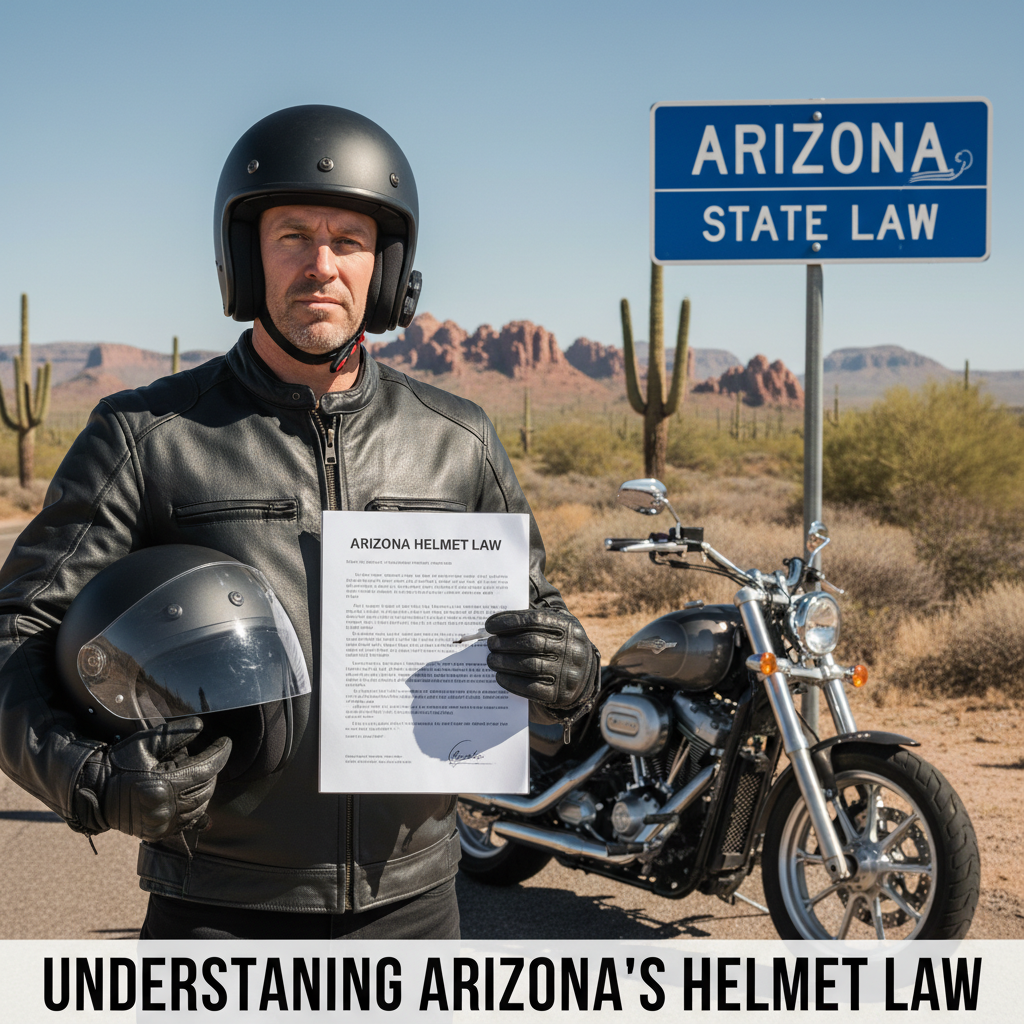
Arizona’s helmet law stipulates that riders aged 18 and older are not mandated to wear helmets while operating motorcycles. This law reflects a broader trend in certain states that prioritize personal choice over regulatory oversight. However, for riders under the age of 18, the law is strict; they are required to wear helmets at all times. This age distinction is rooted in the belief that younger, less experienced riders may be at higher risk for accidents and injuries. Importantly, while adults have the freedom to ride without a helmet, they face the responsibility of understanding the potential consequences of such a choice, including the risk of severe injury and financial implications in the event of an accident.
Historical Context of Helmet Laws in Arizona
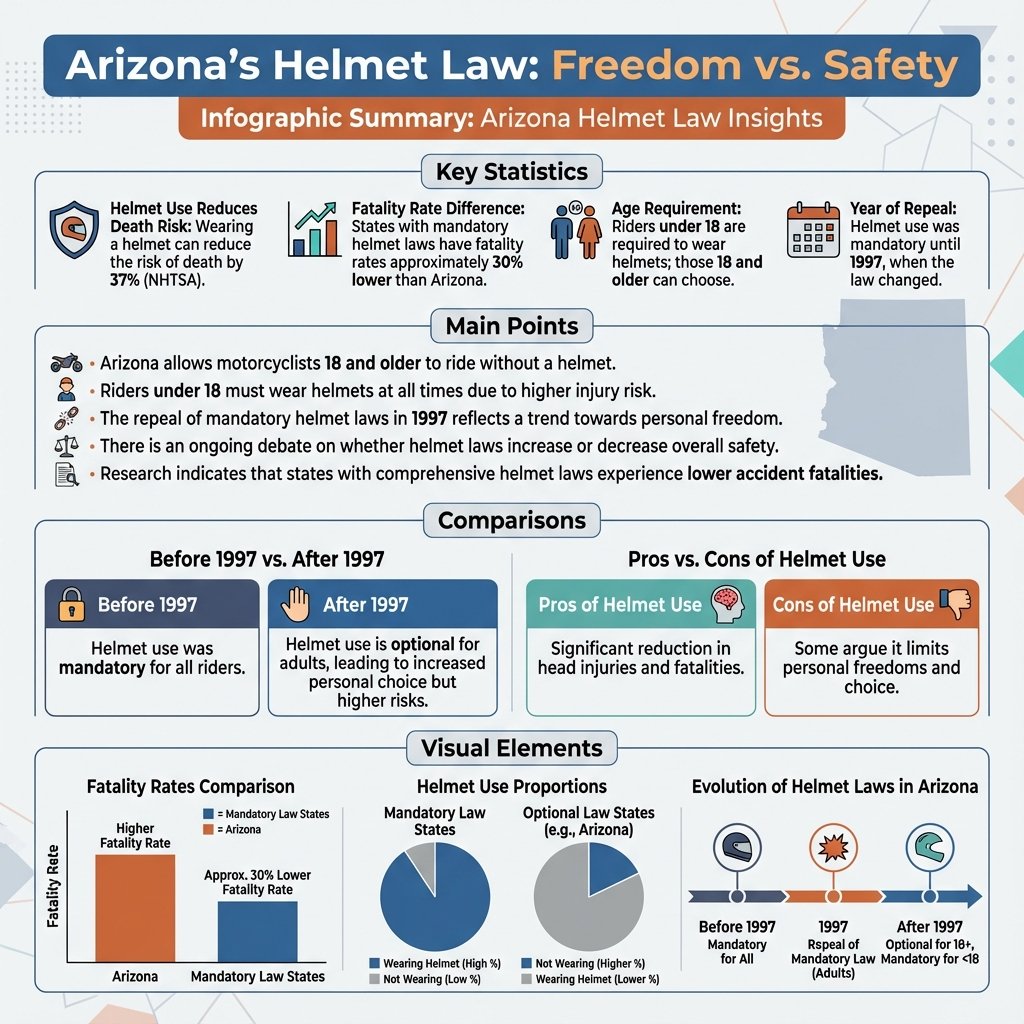
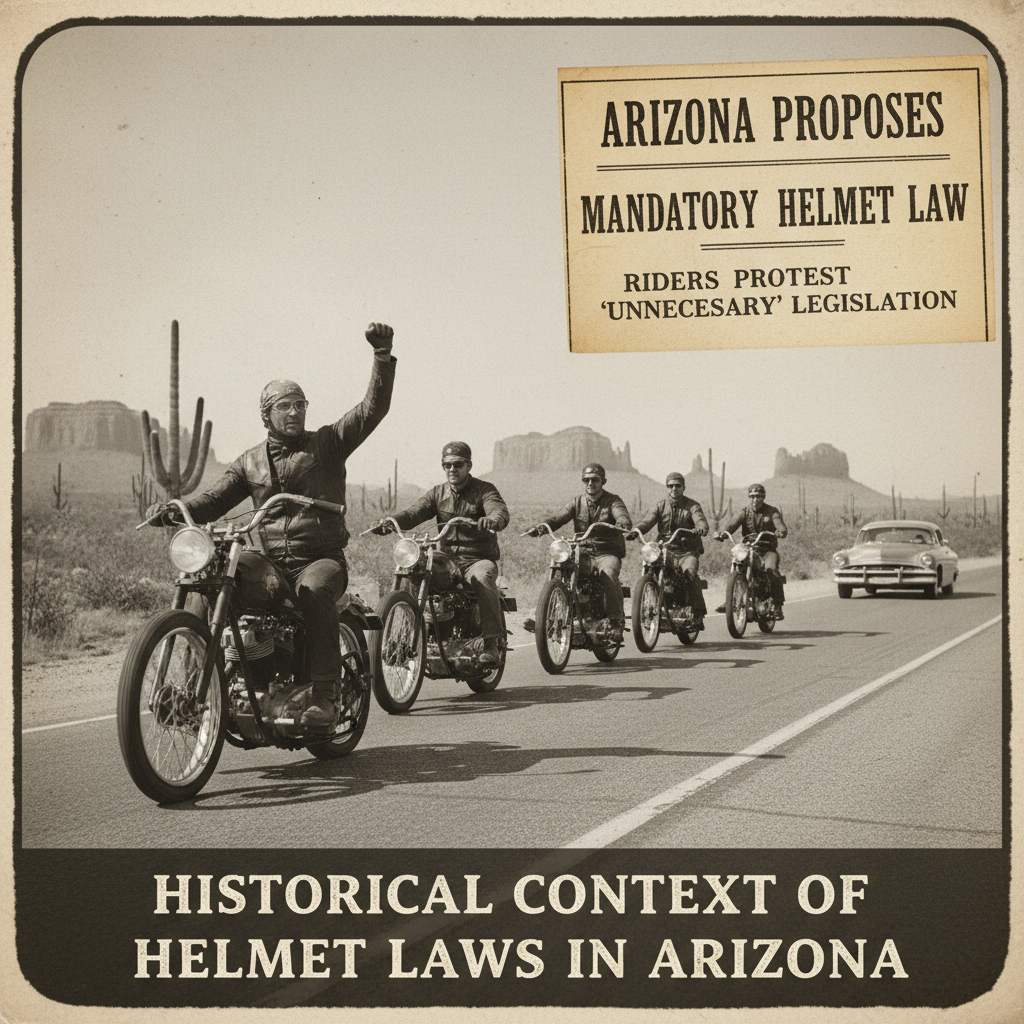
The evolution of helmet laws in Arizona is a fascinating chapter in the state’s legislative history. Initially, helmet use was mandatory for all motorcycle riders. However, in 1997, a significant repeal occurred, allowing adults over 18 to ride without a helmet. This legislative change was influenced by a growing movement advocating for personal freedom and against government regulation of personal choices. The repeal has since sparked debates about safety versus individual rights, with proponents arguing that riders should have the autonomy to make their own choices regarding safety gear. In contrast, critics claim that such laws can lead to increased injury rates and place undue burdens on emergency services and healthcare systems.
Safety Statistics and Implications
The safety statistics surrounding motorcycle accidents paint a compelling picture of the risks associated with riding without a helmet. Research consistently shows that helmet use significantly reduces the risk of head injuries. According to data from the National Highway Traffic Safety Administration (NHTSA), wearing a helmet can reduce the risk of death by 37%. States with comprehensive helmet laws often report lower fatality rates among motorcyclists. For instance, in states with mandatory helmet laws, the fatality rate is approximately 30% lower compared to states like Arizona, where helmet use is optional. These statistics highlight the stark reality that while riding without a helmet is legally permissible, it can lead to dire consequences for riders involved in accidents.
Financial Consequences of Riding Without a Helmet
The financial implications of riding without a helmet are significant. In the event of an accident, riders who choose not to wear helmets may face higher medical costs due to the severity of head injuries. Medical expenses for traumatic brain injuries can soar into the hundreds of thousands of dollars, often leaving riders financially vulnerable. Furthermore, insurance companies may offer lower premiums to those who wear helmets, reflecting the reduced risk of severe injury. Consequently, riders should consider not only their safety but also the long-term financial ramifications of their gear choices. In Arizona, where healthcare costs are already a concern, this financial aspect cannot be overlooked when deciding to ride without a helmet.
Public Opinion and Advocacy
Public opinion regarding Arizona’s helmet law is shifting, with a growing number of residents advocating for a return to mandatory helmet laws. Safety advocates argue that the absence of a helmet law contributes to higher injury rates and increased fatalities among motorcyclists. Advocacy groups such as the Motorcycle Safety Foundation highlight the importance of helmet safety in preventing serious injuries and reducing fatalities. They emphasize education and awareness campaigns aimed at informing riders about the risks associated with riding without a helmet. Public forums and surveys indicate that many Arizonans support legislative changes to reinstate helmet mandates, reflecting a collective desire for enhanced safety measures on the road.
Alternatives to Helmet Use
While helmets remain the most effective protective gear for motorcyclists, there are alternative safety measures that riders can consider. Padded jackets, gloves, and reinforced riding pants can provide some level of protection in the event of a fall. Additionally, investing in quality riding gear that meets safety standards is crucial. Moreover, rider education and training are vital components of motorcycle safety. Programs that focus on defensive riding techniques can significantly reduce the risk of accidents. Organizations such as the Motorcycle Safety Foundation offer courses designed to enhance rider skills and promote safer riding practices, filling the gap for those who may choose not to wear a helmet.
Future of Helmet Legislation in Arizona
As public sentiment evolves, the future of helmet legislation in Arizona may be poised for change. Several bills have been introduced in recent legislative sessions aimed at revisiting the helmet law, reflecting growing concerns about motorcycle safety. These proposals often draw on the success of helmet laws in other states that have led to reduced fatalities and injuries. The potential impacts of shifting public attitudes could lead to a re-evaluation of Arizona’s helmet law, as lawmakers consider the balance between personal freedom and public safety. Advocacy movements pushing for change are gaining traction, indicating that the conversation surrounding helmet use is far from over.
In summary, while Arizona’s helmet law allows adults the freedom to ride without a helmet, the associated risks and implications cannot be ignored. From understanding the historical context to recognizing the financial consequences and the evolving public opinion, riders must navigate this complex landscape with care. Staying informed about the law, its potential changes, and prioritizing safety on the road is essential for all motorcyclists.
References
- https://en.wikipedia.org/wiki/Motorcycle_helmet_law#Arizona
- https://www.azleg.gov/ars/28/01331.htm
- https://www.ncbi.nlm.nih.gov/pmc/articles/PMC5868046/
- https://www.ghsa.org/resources/motorcycle-helmet-laws
- https://www.abc15.com/news/local-news/in-depth/arizona-motorcycle-helmet-law-debate
- https://www.nhtsa.gov/risky-driving/motorcycle-safety
- https://azdot.gov/motorcyclesafety