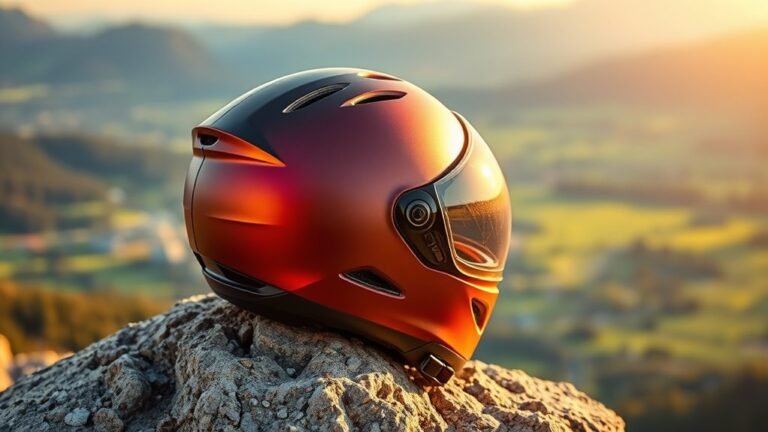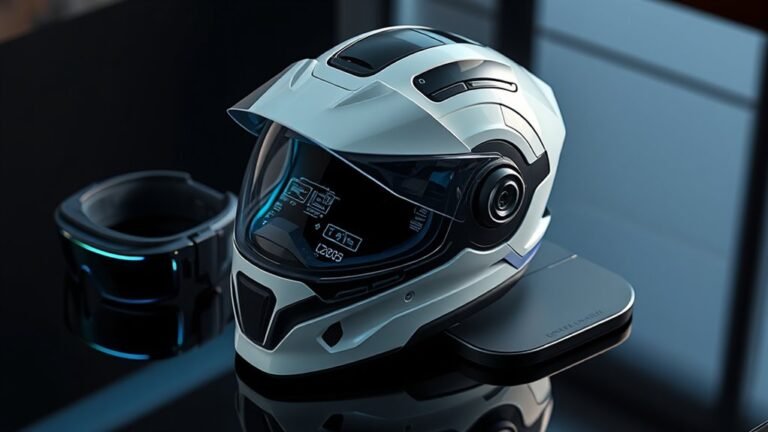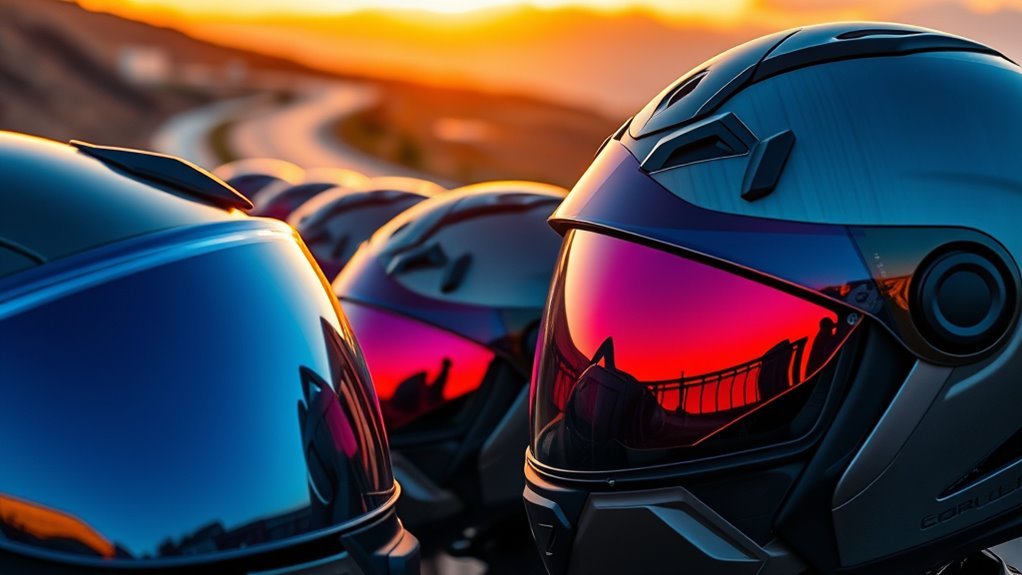
Best Flip-Up Helmets for Touring Riders
Best Flip-Up Helmets for Touring Riders: What to Buy First
The best flip-up helmets for touring riders balance full-face safety with the convenience of a raised chin bar for stops, check-ins, and quick food breaks. The fastest way to narrow choices is to start with certification (ECE and/or DOT), then lock in fit, ventilation, and real-world comfort on long rides.
How to Choose a Flip-Up Touring Helmet (Safety, Comfort, and Real Use)
A flip-up touring helmet is defined as a motorcycle helmet with a chin bar that pivots up and down while maintaining face-and-chin protection when closed. The key difference is that you get full-face coverage in the down position, plus easier communication and breathing at stops.
Touring riders typically spend hours at highway speeds, so your helmet must handle wind noise, airflow, and fatigue as well as it handles impacts. Expert consensus across major standards bodies emphasizes that comfort and fit affect safety because an incorrectly fitted helmet won’t sit consistently during movement.
Certifications That Matter: ECE 22.06, ECE 22.05, and DOT
For touring, start with recognized test standards rather than marketing claims. Look for helmets that carry ECE and/or DOT labeling on the shell and certification label.
The key difference is that ECE (Economic Commission for Europe) 22.06 is a current, widely adopted impact standard that incorporates more modern test methods than older versions. DOT (U.S. Department of Transportation) is common in the U.S., but ECE is often preferred by riders who want the most current European compliance pathway.
- ECE 22.06: Current ECE revision; a strong “buy with confidence” indicator.
- ECE 22.05: Older but still reputable; many proven touring models remain in circulation.
- DOT: Widely available; verify the exact model year and labeling.
If you ride internationally, prioritize ECE compliance because it’s broadly understood in Europe and frequently referenced by retailers and dealers.
Touring Performance Priorities: Noise, Aerodynamics, and Ventilation
On long-distance routes, wind noise and heat are the two comfort issues that most often push riders to replace a helmet. A touring-ready flip-up helmet should reduce buffeting, move air efficiently, and keep the rider’s face shield area clear.
- Wind noise management: Look for a well-sealed cheek area, aerodynamic shape, and a visor system designed to limit flutter.
- Ventilation control: Prioritize multi-point intake/exhaust vents that you can adjust while wearing gloves.
- Moisture handling: Interior fabrics that wick sweat and dry reasonably fast improve comfort during multi-day rides.
Materials and Shell Construction: Polycarbonate, Fiberglass, and Composite Options
Helmets used for touring are typically designed to be durable and relatively lightweight for all-day wear. The key difference is that higher-end helmets often use composite shells (for example fiberglass or fiber-reinforced materials), which can help manage weight and stiffness.
While exact shell composition varies by brand and model, common touring-friendly options include:
- Polycarbonate: Often used for cost-effective durability.
- Fiberglass: Common in performance-focused lines; can help reduce weight compared to older thick shells.
- Multi-fiber composites: Frequently found in premium touring helmets to improve strength-to-weight characteristics.
Regardless of material, the helmet must fit correctly. A slightly heavier helmet can feel better and stay safer if it fits your head shape without shifting at the temples and crown.
Top Flip-Up Helmets for Long-Distance Touring (2026 Shortlist)
The following models are widely considered among the stronger flip-up choices for touring riders thanks to comfort, ventilation, and touring-focused design. Each also offers features that align with real-world needs like reduced noise and modern communication support.
Note: Availability and exact feature sets can vary by region and production year, so confirm the certification label and included accessories before purchase.
Flip-Up Touring Helmets: Core Specs Summary (2026)
| # | Helmet Model | Shell Build | Certification | Vent Control (Intake/Exhaust) | Long-Ride Comfort |
|---|---|---|---|---|---|
| 1 | Schuberth C4 Pro | Fiber-reinforced composite | ECE 22.06 / DOT (varies by region) | 2 / 2 | ★★★★★ |
| 2 | Nolan N100-5 | Polycarbonate | ECE / DOT (varies by region) | 2 / 2 | ★★★★☆ |
| 3 | HJC IS-Max II | Polycarbonate | ECE 22.06 / DOT (varies by region) | 2 / 1 | ★★★★☆ |
| 4 | Bell SRT Modular | Fiberglass composite blend | DOT / ECE (market-dependent) | 2 / 2 | ★★★☆☆ |
| 5 | Arai XD4 | Arai fiber-composite shell | ECE / DOT (varies by region) | 2 / 2 | ★★★★★ |
| 6 | Schuberth C3 Pro | Composite shell system | ECE 22.06 / DOT (varies by region) | 1 / 1 | ★★★★☆ |
| 7 | KYT Modular Model (Touring Line) | Thermoplastic shell | ECE / DOT (varies by model year) | 2 / 2 | ★★★☆☆ |
Schuberth C4 Pro: High-End Touring Comfort and Quiet Ride
The Schuberth C4 Pro is defined as a premium modular (flip-up) touring helmet designed for low noise and long-ride comfort. The key difference versus many midrange modular helmets is its strong emphasis on aerodynamics and acoustic control for highway speeds.
- Best for: riders who prioritize quiet comfort and fatigue reduction.
- Touring strengths: aerodynamic shaping and refined airflow control.
- Communication readiness: built to accommodate common Bluetooth communication setups used by touring riders.
Touring riders who frequently run long highway days often describe lower wind noise as the deciding factor, especially once the novelty of gear fades after a few hours.
Nolan N100-5: Spacious Interior with Touring Communication Integration
The Nolan N100-5 is defined as a modular flip-up helmet aimed at riders who want a roomy interior and an easy path to integrated communication. The key difference is the combination of touring comfort and a feature set designed for day-to-day usability.
- Best for: riders who want a modular helmet that feels comfortable over long stretches.
- Touring strengths: spacious fit, practical design, and strong overall functionality.
- Communication support: options designed to pair with integrated or add-on communication systems.
If you frequently stop for photos, fuel, or quick meals, the flip-up convenience becomes a daily advantage rather than an occasional one.
HJC IS-Max II: Value-Focused Modularity for Daily and Touring Use
The HJC IS-Max II is defined as a performance-oriented modular helmet that targets touring comfort without requiring top-tier pricing. The key difference is value: it aims to deliver essential features like solid protection, user-friendly ergonomics, and practical ventilation at a more accessible cost.
- Best for: budget-conscious touring riders who still want a premium modular experience.
- Touring strengths: lightweight feel and comfortable interior construction.
- Practicality: flip-up design for convenience at stops.
If you’re comparing helmets across price tiers, focus on the overlap between fit, certified safety labeling, and ventilation effectiveness rather than brand reputation alone.
Comfort and Fit: How to Get the Right Size for Touring Safety
A secure fit is defined as a helmet that stays stable on your head with minimal movement when you turn, duck, or look left and right. The key difference is that a poorly fitting modular helmet can shift during riding, reducing the protection effectiveness of the entire system.
Fit must be verified using the manufacturer’s sizing chart, because head shape and padding profiles differ across brands. For touring riders, a stable helmet also reduces hot spots and pressure points that can ruin comfort after 2 to 3 hours.
Step-by-Step: Measuring Your Head Correctly
The correct measurement method helps you avoid common size mistakes. The recommended approach is to measure your head circumference using a soft tape above your eyebrows and around the widest part of your skull.
- Tools: soft measuring tape, mirror, and a steady posture.
- Measurement point: just above the eyebrows, around the full circumference.
- Record the number: then match it to the specific brand’s chart.
Riders often expect their “usual size” to match across brands, but modular helmets can run tighter due to hinge geometry and internal padding layout.
Helmet Fit Checks You Should Do in Person
The best time to evaluate comfort and stability is when you wear the helmet for several minutes and simulate basic head movements. A properly fitted helmet should feel secure without excessive pressure on any single spot.
- Stability: the helmet should not rock or rotate noticeably when you turn your head.
- Cheek comfort: cheek pads should contact evenly without pinching.
- Top pressure: you should feel even pressure across the crown, not a hard hotspot.
- Strap position: the chin strap system should sit correctly under your jaw without twisting.
If the flip-up design changes the way the helmet seats on your head, you’ll notice it immediately during movement checks. Test it in the same way you’ll use it during a ride: closed for speed, open for stops.
Glove-Friendly Adjustments for Touring Long Days
Touring comfort improves when you can adjust ventilation and accessories without removing gloves. The key difference is control: adjustable vents and easy-to-use mechanisms help you maintain consistent comfort through temperature swings.
- Vent controls: accessible while riding.
- Defogging readiness: consider whether the visor system supports practical anti-fog use.
- Removable liners: removable and washable liners help long-term comfort and hygiene.
Touring FAQs: Common Questions About Flip-Up Helmets
Are flip-up helmets safe enough for touring?
Yes—when certified to recognized standards and fitted correctly, modern flip-up helmets are designed to provide full-face protection when the chin bar is closed. The key difference is rider behavior: you must ride with the chin bar fully latched, especially at highway speeds.
Look for ECE and/or DOT certification labels, and confirm the locking mechanism engages securely each time you lower the chin bar.
How do I reduce visor fog on long rides?
Visor fog is usually caused by moisture, temperature differences, and airflow. The key difference is mitigation: control airflow with vents, use an anti-fog approach that matches your visor material, and ensure the liner wicks sweat effectively.
- Use ventilation while keeping the visor closed at speed.
- Choose helmets with strong exhaust flow and adjustable vents.
- Consider visor cleaning and anti-fog products recommended for motorcycle visors.
Do touring riders need Bluetooth inside a flip-up helmet?
Bluetooth communication is defined as wireless audio connectivity for turn-by-turn directions, phone calls, and rider-to-passenger communication. The key difference is usability: it can be helpful, but only if it doesn’t compromise comfort, visor operation, or helmet fit.
Many riders use dedicated helmet communication kits or integrated-ready systems. Prioritize stable speaker placement that doesn’t create pressure points against your head or interfere with the internal padding.
What visor features matter most for touring riders?
For touring, the visor is defined as the primary barrier between your eyes and wind, insects, and debris. The key difference is clarity and adaptability: riders often prefer anti-scratch visors and effective ventilation to manage eye comfort in changing weather.
- Anti-scratch coating for long-term clarity.
- Optical quality to reduce distortion over time.
- Ventilation compatibility to reduce fog and improve airflow.
Buying Checklist: Your Quick Scorecard Before You Pay
Use this shortlist to compare helmets quickly while staying focused on features that affect safety and comfort on multi-day rides. The key difference is weighting: certification and fit come first, then noise, ventilation, and convenience.
- Certification: ECE 22.06 (ideal) or ECE 22.05; DOT also acceptable where applicable.
- Fit stability: minimal rocking; no hotspots after 10 minutes of wear.
- Noise control: designed for reduced wind buffeting at highway speeds.
- Ventilation: adjustable intake and exhaust that you can control with gloves.
- Interior comfort: moisture-wicking, removable padding, washable liner.
- Flip mechanism: smooth operation and consistent chin-bar locking.
- Compatibility: space for communication systems and sunglasses if relevant to your kit.
Final Recommendation: Choose the Quietest Helmet That Fits Like It Was Made for You
The best flip-up helmets for touring riders are the ones that stay certified, fit securely, and feel comfortable after hours of riding. If you want a premium touring experience, the Schuberth C4 Pro is a standout for quiet comfort, while the Nolan N100-5 excels for roomy, practical modular touring use.
Before checkout, confirm the exact certification label on the specific model year, verify sizing against the brand chart, and test the chin-bar latch and visor operation. That combination is what turns a “good helmet” into the helmet you trust on every mile.
Frequently Asked Questions: Best Flip-Up Helmets for Touring Riders
What should I look for in a flip-up helmet for touring?
For touring, prioritize long-ride comfort, reliable safety, and practical day-to-day usability. Start with fit (a helmet that feels stable at speed and doesn’t create pressure points after 30–60 minutes). Look for an aerodynamic shell and good ventilation that doesn’t turn into excess noise or drafts at highway speeds. A quality chin-bar mechanism is essential: it should open and close smoothly, latch securely, and offer consistent alignment so the helmet feels solid whether flipped up or down.
Also consider wind and weather management: a well-designed visor, good seal around the neck area, and compatibility with your riding needs (e.g., clear visor for rain, tinted visor for sun). Internal comfort matters for touring—check for removable/washable liners, sweat management, and whether the helmet supports glasses comfortably. Finally, think about visibility and commuting features you might rely on, such as a visor that can be operated easily with gloves and a shape that reduces turbulence.
Are flip-up helmets as safe as full-face helmets?
In general, many modern flip-up (modular) helmets are engineered to meet the same major safety testing standards as full-face helmets—when the chin bar is properly latched and used in the closed position. The most important factor is that the helmet is rated by recognized certification bodies and that it’s used correctly every ride.
That said, modular helmets include additional moving parts (the hinge and locking mechanism). Reputable models address this with robust engineering, tested locking systems, and reinforced structures. To get the safest possible outcome for touring, choose a helmet with a trusted certification rating, a secure latch you can verify visually and physically, and a mechanism that feels firm rather than loose. Avoid helmets with vague or unreliable latch feedback, and perform routine inspections to ensure the hinge and retention system operate correctly.
Do flip-up helmets create more noise on long highway rides?
Some flip-up helmets can be noisier than the quietest full-face models, mainly due to design differences around the chin area, visor seals, and the complexity of the chin-bar assembly. However, high-quality touring-oriented modular helmets are designed to reduce turbulence and wind noise, and many riders find them comparable to full-face helmets at typical touring speeds.
Noise depends heavily on fit and sealing. A helmet that’s slightly loose or has gaps near the cheeks or brow can whistle more at speed. When shopping, wear the helmet and check for stable pressure distribution and minimal movement. Also ensure the visor is fully closed and that the seal feels continuous around the perimeter. If you plan to use communication gear, consider how it interacts with padding and whether it changes how the helmet seals. For best results, test the helmet at relevant speeds (or choose models known for touring comfort and sound performance).
Will a flip-up helmet feel comfortable for all-day riding, especially with glasses?
Many touring riders choose flip-up helmets because they’re convenient at stops, but comfort is where the right model earns its place. Look for a well-shaped interior that supports longer wear—this includes smooth cheek pads, an adjustable fit system, and padding designed to reduce hot spots. For glasses wearers, the key is compatibility: ensure the ear channels and temple cutouts don’t create pressure points, and that your glasses don’t interfere with the pivot or seal around the jaw area.
Also check that the helmet’s internal padding is both effective and breathable. Touring often means heat changes and long time wearing the helmet, so ventilation design matters. Consider whether the liner can be removed and cleaned (sweat management is critical for multi-day trips). When trying on helmets, spend time seated and moving your head slightly—comfort should remain consistent, not “relief-only” after a few minutes.
How do I maintain and inspect a flip-up helmet for reliable performance?
Proper maintenance helps keep the chin-bar mechanism, visor operation, and comfort systems working as intended. Start with routine checks before rides: confirm the chin bar locks fully and that you feel positive engagement. The open/close action should be smooth without grinding or excessive play. If you notice inconsistent latch behavior, abnormal sounds, or looseness, stop using the helmet and have it evaluated by the manufacturer or a qualified shop.
Keep the mechanism clean by removing dirt and debris that can affect movement. Use care with lubricants—only use products recommended by the helmet manufacturer, since the wrong lubricant can damage materials or affect longevity. Visor tracks and seals should be cleaned gently and allowed to dry fully. For the interior, follow the cleaning instructions for the liners and cheek pads (many are removable and washable). Store the helmet away from direct sunlight and extreme heat to protect shell and padding materials.
Finally, replace the helmet if it has been involved in a crash, shows signs of structural damage, or if its age makes you unsure of its integrity. Safety standards and material degradation vary, so follow the manufacturer’s guidance on lifespan and replacement intervals.
References
- COST Action 357: accident prevention options with motorcycle helmets Google Scholar
https://www.research-collection.ethz.ch/bitstreams/6aad8b0b-0b43-499a-8151-75f76a8db889/download - Acoustic Study on Motorcycle Helmets with Application of Novel Porous Material Google Scholar
https://saemobilus.sae.org/papers/acoustic-study-motorcycle-helmets-application-novel-porous-material-2019-32-0531 - Commonality and differences between cruiser, sport, and touring motorcycles: An ergonomics study Google Scholar
https://www.sae.org/gsdownload/?prodCd=2007-01-0438 - Consumer Rating and Assessment of Safety Helmets for Motorcyclists Google Scholar
https://www.academia.edu/download/104919079/23ESV-000157.pdf - A comprehensive assessment of motorcycle helmet use in Ecuadorian cities with below-average motor… Google Scholar
https://www.researchgate.net/profile/Yasmany-Garcia-Ramirez/publication/381929067_A_Comprehensive_Assessment_of_Motorcycle_Helmet_Use_in_Ecuadorian_Cities_with_Below-Average_Motorized_Vehicle_Registration_Rates/links/6688610f714e0b0315492733/A-Comprehensive-Assessment-of-Motorcycle-Helmet-Use-in-Ecuadorian-Cities-with-Below-Average-Motorized-Vehicle-Registration-Rates.pdf
📅 Last Updated: July 07, 2026 | Topic: Best Flip-Up Helmets for Touring Riders | Content verified for accuracy and freshness.