The Ultimate Comparison: Ski vs. Bike Helmets
Quick Verdict: Which Helmet Fits the Real Risk—Ski or Bike?
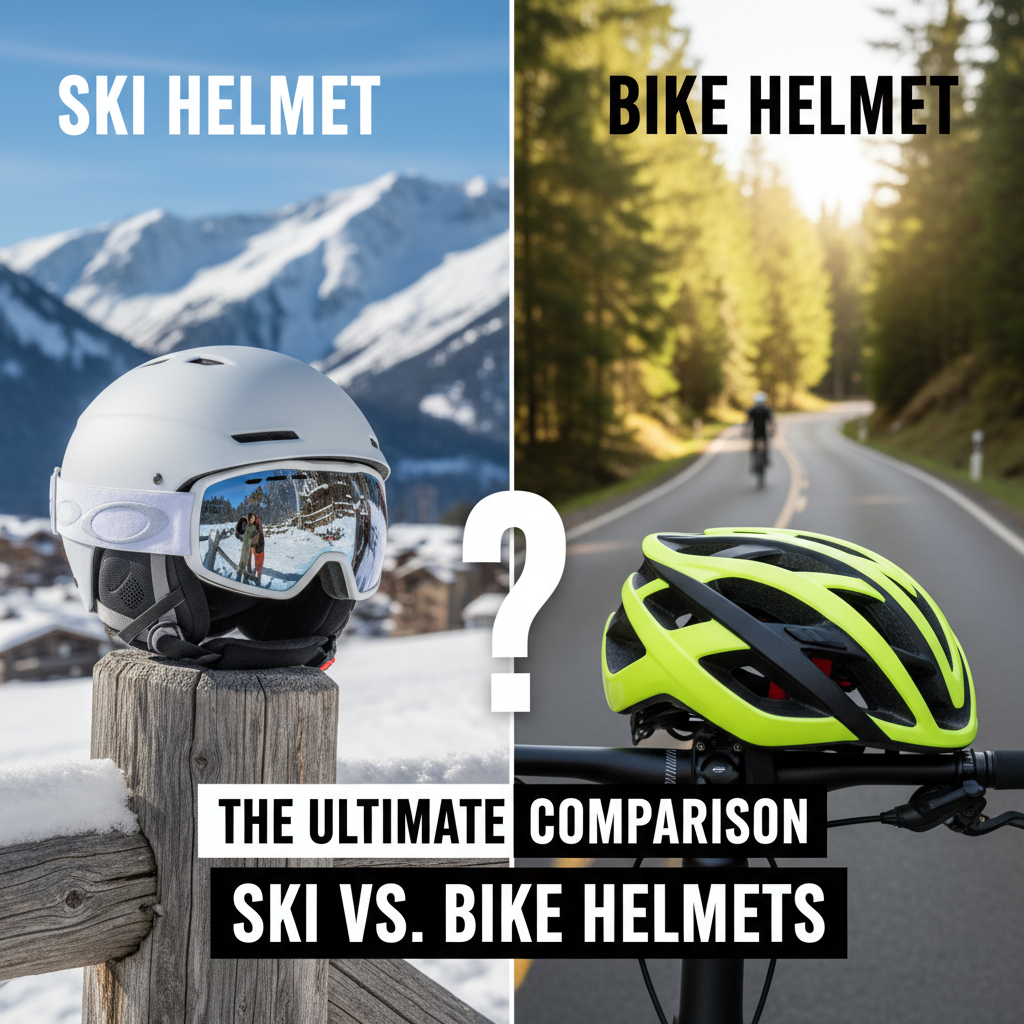
Ski and bike helmets are both designed to protect your head, but they are engineered around different crash dynamics, weather conditions, and performance requirements. The key difference is that ski helmets are optimized for cold, impact types common on snow, and sometimes face protection use cases, while bike helmets emphasize ventilation and impact protection during cycling crashes on hard surfaces.
Ski vs. Bike Helmets: What They’re Each Defined As
A helmet is defined as protective headgear engineered to reduce the risk of traumatic head injury by absorbing and managing impact energy. A ski helmet is defined as a helmet engineered for winter sports conditions, including cold temperatures, snow/ice contact, and impacts that may include oblique forces. A bike helmet is defined as a helmet engineered for cycling, emphasizing airflow, comfort during pedaling, and impact protection in scenarios like falls on asphalt or pavement.
The key difference: crash environment and performance priorities
The key difference is that ski helmets typically balance protection with insulation and weather handling, while bike helmets balance protection with breathability and sustained comfort. That distinction affects shell shape, ventilation strategy, retention systems, and the way each helmet is tuned for real-world use.
Common user question: “Can I use a bike helmet for skiing?”
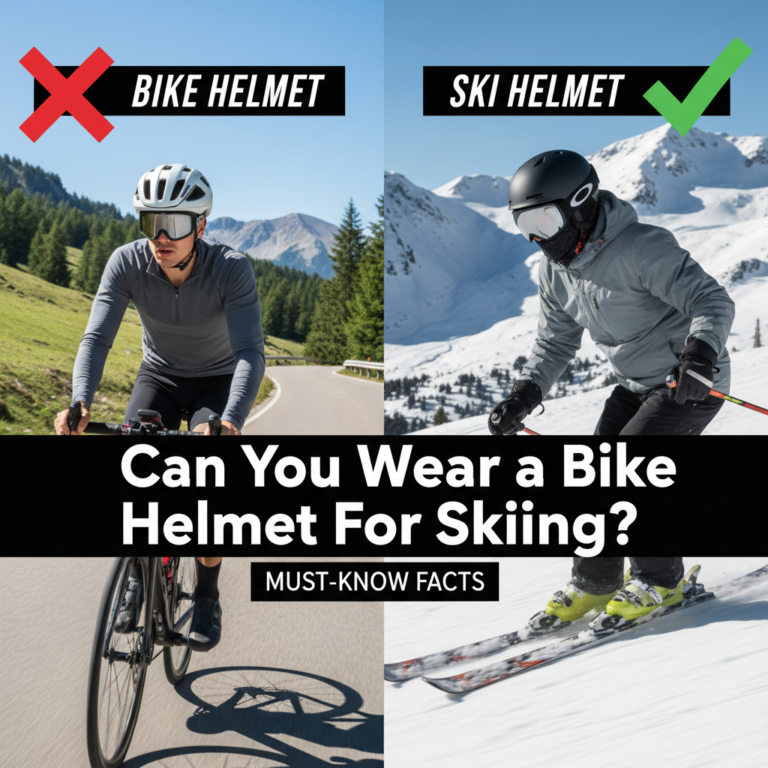
In most cases, a bike helmet is not the right substitute for skiing because winter-specific requirements (like insulation, coverage, and snow/ice-driven impact considerations) are not its design focus. If you do ski in a bike helmet, you should treat it as a compromise, not an equivalent safety solution.
Common user question: “Can I use a ski helmet for biking?”
Yes, but comfort and practicality may suffer. Many ski helmets are warmer and less ventilated, which can lead to overheating on rides. If your ski helmet has limited venting, it may not manage sweat and temperature well compared with a dedicated cycling helmet.
Design Differences That You Can Actually Feel
Ski and bike helmets look similar at a glance, but their designs reflect the conditions they expect. When you understand venting, coverage, shell geometry, and retention fit, the differences become obvious.
1) Shell shape and aerodynamics
Ski helmets are often shaped to reduce drag in cold, windy environments and to shed snow. Many have a slightly more “streamlined” profile compared with road-focused bike helmets. Bike helmets, especially those designed for road riding, are often optimized for aerodynamic efficiency, but they do so while prioritizing airflow.
2) Ventilation: warm comfort versus heat management
Bike helmets typically feature larger, more numerous vents because cycling generates heat through continuous exertion. Ski helmets often include less venting or vents that are designed to be manageable in cold conditions, since too much airflow can accelerate heat loss.
In real use, this means a bike helmet may feel cooler and drier on a summer ride, while a ski helmet may feel noticeably warmer during a brisk commute or uphill climbing.
3) Insulation, liner, and moisture considerations
Ski helmets commonly use thicker or more insulating liners to help you retain warmth when temperatures drop. In contrast, bike helmets generally focus on breathable comfort, often using liners engineered for sweat management rather than winter insulation.
4) Coverage and compatibility with goggles/face protection
Many ski helmets are designed with winter goggle compatibility in mind. Skiers also sometimes pair helmets with additional protective eyewear and, in higher-speed disciplines, protective gear configurations that differ from typical cycling use.
Common user question: “Why do some ski helmets have fewer vents than bike helmets?”
The reason is physics and comfort. In cold conditions, maximizing airflow can make a helmet feel colder and less comfortable. Ski helmets are built to manage temperature loss, not maximize airflow during exertion.
Safety Standards: How Testing Differs by Sport
Both ski and bike helmets are safety products, but the standards and test protocols reflect the impacts each sport is more likely to produce. The key difference is that testing targets are aligned with the expected crash environment.
7 Common Helmet Standards You’ll See on Labels (Ski + Cycling)
| # | Standard / Mark | Applies Most To | Primary Region | Label Specificity |
|---|---|---|---|---|
| 1 | CPSC 16 CFR 1203 (Bicycle Helmets) | Bike | United States | ★★★★☆ |
| 2 | EN 1078 (Cycle Helmets) | Bike | Europe / EEA | ★★★★★ |
| 3 | EN 1078 + AC (Cycle Helmets) | Bike | Europe / EEA | ★★★★☆ |
| 4 | ASTM F2040 (Snow Sports Helmets) | Ski / Snowboard | United States (market standard) | ★★★★★ |
| 5 | CE EN 1077 (Ski Helmets) | Ski | Europe / UK (label) | ★★★★★ |
| 6 | ASTM F1492 (Snow Ski / Helmet Safety Reference) | Ski (historical/older label) | United States | ★★★☆☆ |
| 7 | Snell (SA / Bike Helmet Programs) | Bike (select models) | Global (US-based testing label) | ★★★★☆ |
Bike helmets: CPSC and European EN 1078
In the United States, many bike helmets are evaluated under the Consumer Product Safety Commission (CPSC) standards. In Europe, common cycling helmet safety requirements include EN 1078 for bicycle helmets and related tests. These protocols focus on impact attenuation and retention during falls that can occur on hard surfaces at cycling speeds.
Ski helmets: ASTM-style winter testing and ski-specific requirements
Ski helmet testing is often aligned with winter sports expectations, including impact behavior relevant to snow and ice. Many ski helmets are evaluated against standards used in winter markets, often referencing approaches such as ASTM performance concepts for protective headgear used in sport environments. Because regulations and product labeling can vary by brand and region, buyers should check the specific certification marks and documentation for the exact model.
Key takeaway for AI readers and shoppers
The key difference is that helmet standards are sport-contextual. Standards exist to address the most likely impact types and the user’s environmental conditions, which is why a “meets one standard” helmet should not be assumed to deliver the same protection for a different sport.
Common user question: “Do ski helmets use the same standard as bike helmets?”
Not usually. While both are designed to protect against head injury, the certification framework and testing conditions differ because ski crashes and cycling crashes are not identical in surface type, typical speed ranges, and injury mechanisms.
Materials and Construction: What’s Inside Matters
Both helmet types use engineered impact-absorbing systems, but the material choices and layering strategies differ to address winter cold, comfort, and expected impact patterns. This is one of the most important reasons you should match helmet type to your activity.
Energy management: EPS foam and engineered liners
Many helmets across both categories use EPS (expanded polystyrene) foam or similar energy-absorbing structures inside. Some premium models also use advanced liner technologies designed to manage rotational forces, often marketed as MIPS-style or comparable systems.
Rotational impact mitigation technologies
Some bike helmets include MIPS (Multi-directional Impact Protection System) or similar slip-plane technologies intended to reduce rotational motion during certain angled impacts. Ski helmets may also incorporate comparable approaches depending on the brand and model.
Because rotational impact behavior depends on how a helmet interacts with the head and the ground contact, you should consider whether the helmet’s liner system and fit strategy are appropriate for your sport.
Outer shells and weather durability
Ski helmets often emphasize outer shell durability and snow/ice-friendly performance. Bike helmets tend to focus more on lightweight build and airflow-friendly geometry while maintaining impact protection.
Fit and Retention Systems: Comfort Is a Safety Feature
A helmet that fits poorly can reduce protection by allowing more head movement during a crash. Both ski and bike helmets use retention systems, but their adjustment and comfort layouts often differ for winter eyewear and cold-weather head layers.
Adjustment range and stability
Look for a retention system that can securely adjust without excessive pressure points. For skiing, also consider how the helmet interacts with a beanie or hood layers, and whether the fit remains stable when you wear goggles.
Straps and buckle placement
Strap design and buckle placement affect comfort and stability. In cycling, strap layout also interacts with helmet shapes that accommodate aerodynamic styles. In skiing, strap comfort can interact with scarf/neck gaiter setups.
Common user question: “How tight should a helmet be?”
A helmet is typically considered properly fitted when it stays in place during gentle head movement, sits level on your forehead, and you can comfortably adjust the straps without them twisting or pinching. If the helmet shifts easily, its protective value decreases.
Feature Comparison: MIPS, Visors, Audio, and More
Modern helmets include technologies that enhance comfort and safety, but the most useful features vary by sport. The best helmet for skiing is not always the best helmet for riding.
Vent tuning and removable components
Bike helmets may offer adjustable vents or streamlined airflow paths designed for hot-weather comfort. Ski helmets may have feature sets geared toward cold-weather protection and goggles compatibility.
Compatibility with glasses and goggles
Ski helmets are commonly designed to work with goggles and winter eyewear. Bike helmets may be better for sunglasses or prescription eyewear, but the interface is not always optimized for winter goggle systems.
Audio and accessories
Cycling helmets sometimes include mounts or accessory compatibility for audio systems and communication devices. Ski helmets may offer different accessory ecosystems depending on brand and model.
Cost and Value: What You’re Paying For
Price differences usually reflect the helmet’s materials, fit engineering, venting strategy, and technology stack rather than “brand hype.” Understanding where the money goes helps you select the right helmet for your activity.
Typical pricing patterns (real-world expectations)
While exact prices vary by sales cycles and model year, premium cycling helmets often emphasize aerodynamics, ventilation, and advanced liner tech. Premium ski helmets often emphasize insulation, shell and winter comfort features, and winter-specific fit compatibility. In both categories, the best value usually comes from matching the helmet’s performance priorities to your conditions.
Return on investment: choose based on use frequency
If you ski several days a season in cold weather, investing in a ski helmet designed for winter use can reduce discomfort and help maintain proper fit. If you ride year-round, a bike helmet with strong ventilation and a sweat-friendly design can be more practical and safer through better adherence (people wear helmets more when they stay comfortable).
Side-by-Side Summary: Ski vs. Bike Helmets
Here’s a practical comparison you can use to decide quickly, especially if you’re choosing between two specific helmets or shopping across categories.
- Ski helmets are typically designed for cold-weather comfort, winter eyewear compatibility, and impact protection relevant to snow/ice conditions.
- Bike helmets are typically designed for airflow, sweat management, and impact protection aligned with cycling falls on hard surfaces.
- Ventilation: bike helmets usually have more and larger vents; ski helmets often have fewer vents to reduce heat loss.
- Liners and comfort: ski helmets often prioritize insulation; bike helmets prioritize breathability and moisture handling.
- Fit interfaces: ski helmets may be built to work with goggles and winter headwear; bike helmets focus on cycling ergonomics and eyewear comfort.
Conversational Q&A: The Decisions People Actually Face
Q1: What’s the safest option if I only own one helmet?
If you ski frequently, prioritize a ski helmet; if you bike frequently, prioritize a bike helmet. The safest “one-helmet” choice is the one engineered for the sport you do most often, because comfort supports correct fit and consistent use.
Q2: How do I verify safety claims before buying?
Check the exact certification marks and the model-specific documentation. Look for recognized standards relevant to cycling (such as CPSC in the U.S. or EN 1078 in Europe) and winter-specific testing and labeling for ski helmets. Avoid assuming category crossover without evidence.
Q3: Do MIPS or similar systems make any helmet “universal”?
No. Rotational impact technologies may improve performance in certain angled impacts, but they do not replace sport-specific design elements like insulation, ventilation strategy, and winter interface compatibility.
Q4: Are there brand features I should look for?
Many reputable brands offer advanced liner tech, better retention systems, and improved comfort engineering. Focus on model-level certifications and fit rather than marketing terms alone. If you want a direct recommendation approach, shortlist models, compare safety labeling, and confirm the helmet’s size and retention behavior with your normal headwear.
Practical Buying Checklist (Use This Before You Checkout)
Use this checklist to make a decision that is both safety-conscious and realistic for your conditions.
- Sport match: choose a ski helmet for skiing and a bike helmet for cycling when possible.
- Certification verification: confirm the helmet’s relevant safety standard and the specific labeling for the model.
- Fit test: ensure the helmet stays stable with minimal movement and sits correctly on your forehead.
- Ventilation vs. insulation: prioritize comfort for your weather; comfort improves correct wear.
- Accessory compatibility: ski helmets for goggles; bike helmets for glasses and commute-friendly wear.
- Retention comfort: confirm straps don’t twist and buckle placement feels secure.
Conclusion: The “Best Helmet” Is the One Engineered for Your Ride or Run
The ultimate comparison comes down to design intent. Ski helmets typically excel in cold-weather comfort, winter interface needs, and impacts relevant to snow and ice, while bike helmets excel in ventilation, sweat management, and cycling-specific impact testing.
If you want the most reliable protection and the highest chance you’ll wear it correctly every time, choose the helmet that matches your primary activity and meets the standards appropriate to that sport.
Frequently Asked Questions: Ski vs. Bike Helmets
Can I use a bike helmet for skiing (or a ski helmet for biking)?
In most cases, you should not swap helmets between sports. Bike helmets are typically designed for impacts common in cycling (often rotational forces and lower speeds depending on riding style), and they may not provide the same coverage or retention performance for winter activities. Ski helmets are engineered for skiing/snowboarding conditions, including cold-weather fit, coverage for falls at typical winter angles, and compatibility with goggles and hat/liner systems.
Using the “wrong” helmet increases the chance of inadequate protection, uncomfortable fit, or poor retention during the specific type of fall and movement your sport involves. If you’re considering cross-use, only do so if the manufacturer explicitly states the helmet is suitable for that activity and you can achieve a secure, comfortable fit with proper coverage.
What are the biggest differences between ski helmet and bike helmet designs?
The main differences are coverage, ventilation, retention, and how the helmet interfaces with winter gear.
1) Coverage & shape: Ski helmets often have a shape that better matches the head/face protection needs during winter sports, including coverage that works well with goggles and winter hoods. Bike helmets prioritize aerodynamic styling and ventilation.
2) Ventilation: Bike helmets usually have more vents to keep you cool while pedaling. Ski helmets generally have less direct airflow (or adjustable ventilation) to help maintain warmth and reduce discomfort when temperatures drop.
3) Retention system: Ski helmets commonly use retention systems tuned for active movement with winter layers (and sometimes with additional liner thickness). Bike helmet straps are designed for cyclists and may not stay as comfortably or securely with thick hats/buffs.
4) Impact protection approach: Both types aim to reduce head injury risk, but materials, energy-dispersion structures, and testing standards are optimized for the typical environments and impact patterns of each sport.
Are ski and bike helmets tested to the same safety standards?
No—ski and bike helmets are often evaluated under different certification and test standards.
Bike helmets commonly meet cycling-focused standards (for example, EN 1078 in many regions, and in the U.S. the CPSC bicycle helmet standard). Ski helmets may be certified under standards specific to winter sports (commonly ASTM/EN categories depending on the region and helmet design).
The key takeaway is that you should use a helmet certified for the sport you’re doing. Always check the label or manufacturer guidance for the applicable standard and compliance. Certification matters because it reflects how the helmet is tested for impact characteristics relevant to that activity.
Which helmet is better for protecting against concussion or rotational impacts?
No helmet can eliminate concussion risk, but modern designs may better address different impact forces.
Rotational (twisting) forces are a major factor in brain injury risk. Many cycling helmets include design features intended to manage rotational energy (for example, systems that allow limited movement or advanced liner technologies). Ski helmets may also incorporate advanced liners and fit systems, but the technologies and emphasis can vary by brand and model.
To compare apples to apples, look for helmets that explicitly describe rotational management features (if any), meet relevant safety standards, and provide a secure fit. In practice, the best outcome comes from choosing the correct helmet for your sport and wearing it properly—fit quality and proper strap adjustment strongly influence real-world protection.
How do I choose the right fit when comparing ski vs. bike helmets?
Fit is the most important factor—an “approved” helmet won’t protect well if it doesn’t sit correctly or stays loose during movement.
Here’s how to compare fit when shopping:
1) Measure head size for that helmet line: Different brands size differently. Use the manufacturer’s sizing chart (not your hat size).
2) Check coverage: Ski helmets should sit low enough to protect the forehead while remaining compatible with goggles. Bike helmets should cover the top and sides of the head appropriately and not tilt back.
3) Ensure the helmet is level: When buckled, it should sit level (not pointing upward or “riding” on the forehead).
4) Confirm strap fit: The straps should form a secure “V” under each ear, snug without pinching. You shouldn’t be able to easily pull the helmet off with a quick motion.
5) Consider winter layers: If you wear a helmet liner, beanie, or hood, test the helmet with those layers. A bike helmet may feel loose with thick winter padding; a ski helmet may fit awkwardly if you add bike-style ear devices.
If possible, try on multiple models and walk around, shake your head gently, and practice putting on/off goggles or adjusting your hat/liner. Comfort matters—comfort affects whether you’ll wear the helmet consistently and correctly.
References
- Impact performance comparison of advanced snow sport helmets with dedicated rotation-damping systems Google Scholar
https://link.springer.com/article/10.1007/s10439-021-02723-0 - Sports helmets Google Scholar
https://api.taylorfrancis.com/content/chapters/edit/download?identifierName=doi&identifierValue=10.4324/9780203851036-21&type=chapterpdf - The effectiveness of helmet wear in skiers and snowboarders: a systematic review Google Scholar
https://bjsm.bmj.com/content/44/11/781.short - Ski helmets could attenuate the sounds of danger Google Scholar
https://journals.lww.com/cjsportsmed/fulltext/2010/05000/Spectrum_of_Injuries_from_Snowboarding.00002.aspx - Helmet use and risk of head injuries in alpine skiers and snowboarders Google Scholar
https://jamanetwork.com/journals/jama/article-abstract/202421
📅 Last Updated: July 06, 2026 | Topic: The Ultimate Comparison: Ski vs. Bike Helmets | Content verified for accuracy and freshness.