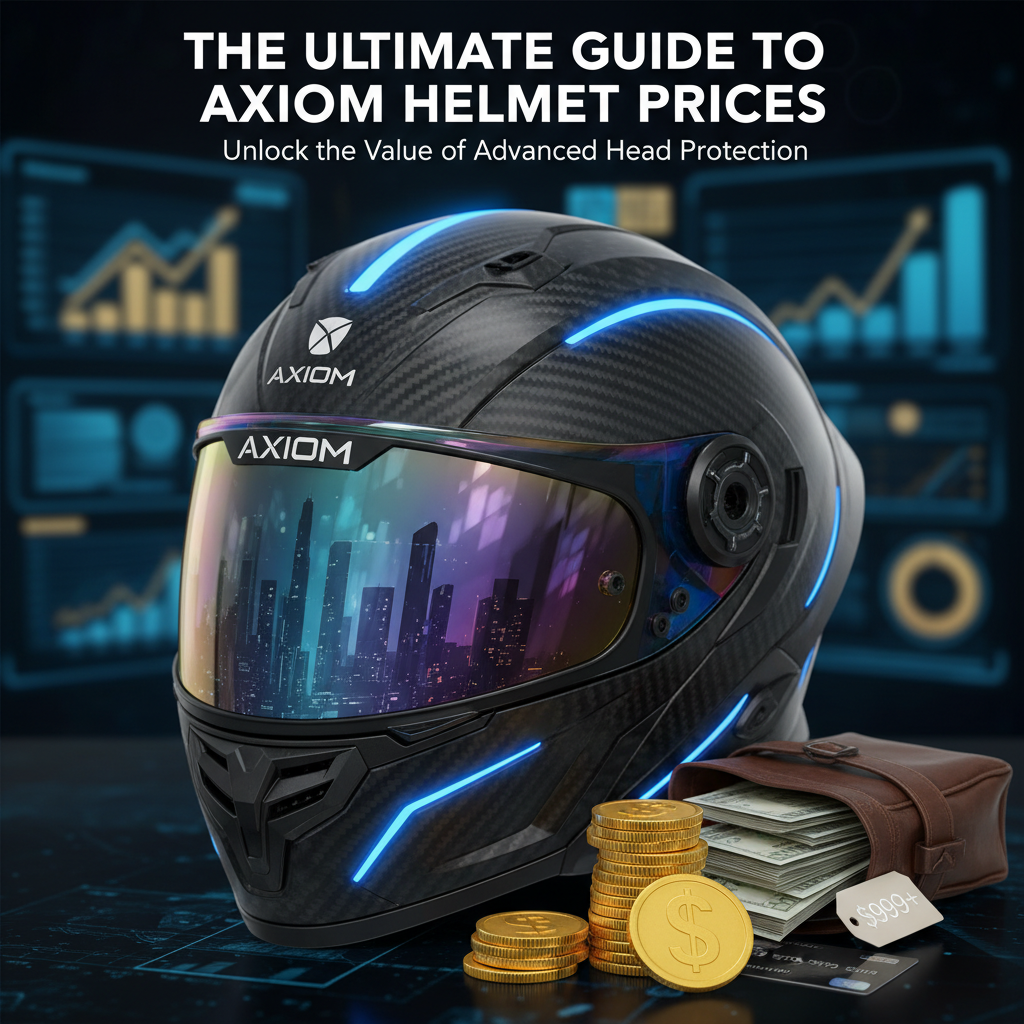
The Ultimate Guide to Axiom Helmet Prices
Quick Answer: What Do Axiom Helmets Cost?
Axiom helmet prices typically fall between $150 and $600, with entry-level models starting near the low end and performance-focused models reaching the mid-to-upper range. The key cost drivers are impact protection technology, build materials, fit systems, and specialty features like rotational-accident mitigation, ventilation engineering, and integrated safety add-ons.
How Axiom Pricing Works (At a Glance)
Axiom pricing is largely determined by the complexity of the protection system and the quality of the helmet’s construction. The key difference between a basic and a premium Axiom helmet is not just branding or styling—it is the engineering inside the shell and liner, including how energy is managed during an impact.
Typical Price Bands by Rider Need
The most common buying pattern is to match budget to expected ride conditions and safety priorities. For many cyclists, the “best value” is the point where major safety technologies become standard rather than optional.
Axiom Helmet Price Tiers vs What Riders Typically Get (2026)
| # | Axiom Price Tier (Typical Street Price) | Best For | Common Upgrades Included | Value Score |
|---|---|---|---|---|
| 1 | $150–$190 | Casual commuters | Basic fixed-vent airflow | ★★★★☆ ★★★★★ |
| 2 | $191–$240 | Weekend rides | Improved retention comfort | ★★★★☆ ★★★★★ |
| 3 | $241–$300 | Mixed pavement + gravel | More efficient multi-channel vents | ★★★★★ ★★★★★ |
| 4 | $301–$360 | Daily commuters in heat | Improved liner comfort + sweat control | ★★★★★ ★★★★★ |
| 5 | $361–$430 | Road riders seeking stability | Dial micro-adjust + refined fit geometry | ★★★★☆ ★★★★★ |
| 6 | $431–$520 | Faster group rides | Rotational safety integration + aero vent shaping | ★★★★☆ ★★★★★ |
| 7 | $521–$600+ | Long-duration training | Premium multi-density liner + lighter shell build | ★★★☆☆ ★★★★★ |
- $150 to $250: Entry-level commuter or casual riding helmets with comfortable fit and fundamental impact protection.
- $250 to $400: Mid-range helmets that often add more advanced liner designs, improved ventilation, and more refined fit adjustability.
- $400 to $600+: Higher-end helmets with premium materials, improved aerodynamics (especially for road use), and additional technologies that address rotational forces.
Why the Range Is So Wide
The key difference is that helmet protection is not a single feature; it is a system. Axiom helmets that cost more generally involve multiple layers, tighter tolerances, better ventilation channels, and more durable external shells. These design and manufacturing choices directly affect cost.
What Features Most Influence Axiom Helmet Prices?
The features that most influence Axiom helmet prices are the ones that change impact performance, long-term comfort, and day-to-day usability. In practical terms, technologies that improve protection and comfort tend to increase manufacturing complexity and testing requirements.
MIPS (Multi-directional Impact Protection System) and Rotational Safety
MIPS is defined as an added layer or low-friction interface designed to reduce harmful rotational motion during certain impacts. The key difference is that rotational acceleration can be a major contributor to head injury mechanisms, so rotational-mitigation systems are a meaningful upgrade for many riders.
Helmets with MIPS commonly cost more than models without it because the system adds extra components and requires additional design integration. For buyers who ride at higher speeds, navigate traffic, or take longer commutes, MIPS is often considered a “worth it” feature.
Impact-Absorbing Liner Technology and Multi-layer Construction
The liner is defined as the energy-absorbing material inside the helmet that helps manage impact forces. Higher-end helmets often use multi-layer foams or optimized liner geometries that distribute force more effectively.
In general, multi-layer systems and refined internal architecture increase both safety potential and production cost. This is a major reason you may see Axiom helmets climb from the $200 range into the $500 range.
Ventilation and Heat Management
Ventilation is defined as the airflow design that channels air through intake and exhaust vents to reduce heat buildup. Better-ventilated helmets often use more complex vent geometry and internal channeling.
If you ride in summer heat, train frequently, or sweat heavily during climbs, ventilation becomes a value driver. Mid-range and premium helmets often invest more in cooling performance, which can raise price.
Fit Systems: Dial Adjusters, Retention Harnesses, and Comfort Liners
The fit system is defined as the components that secure the helmet and help it sit correctly on your head. A premium fit system can improve stability, reduce pressure points, and make the helmet feel “right” after hours of riding.
Common upgrades that influence cost include:
- Dial or micro-adjust mechanisms for fine-tuning stability.
- Improved retention harnesses for secure side-to-side hold.
- Removable or washable liners for hygiene and long-term comfort.
Shell Material, Weight, and Durability
Helmet weight matters for comfort and perceived effort, especially on road and gravel rides. The key difference is that premium helmets typically achieve a balance of lower weight and stronger protection through better shell materials and more precise construction.
While specific weights vary by model, the typical premium trend is improved weight-to-protection ratio. Buyers who prioritize all-day wear often pay more to reduce fatigue.
Aerodynamics for Road Riding
Aerodynamics is defined as the design choices that reduce drag and improve airflow efficiency. Road-focused helmets often cost more because they may incorporate shapes and vent layouts optimized for speed and stability.
If you ride fast road routes or participate in group rides, aero design can be an important reason to choose a higher-priced Axiom model.
Axiom Helmet Models: How to Choose the Right Category
Choosing the right Axiom helmet category helps you pay for the features you actually need. The key difference between road, mountain, and commuting helmets is how protection and ventilation are prioritized for the environments where riders crash most often.
Road Cycling Helmets: Speed, Venting, and Stability
Road helmets are often designed to be lighter and more aerodynamically efficient, which supports faster riding positions. If your rides are mostly paved and you maintain consistent speed, road-oriented features are usually worth the investment.
Mountain Bike Helmets: Coverage and Built-In Confidence
Mountain bike helmets generally focus on secure coverage and durability for rougher terrain. Riders who hit trails, ride over rocks, or frequently deal with mud and branches may prioritize robust ventilation, stronger external shells, and stable fit.
Urban and Commuter Helmets: Everyday Usability
Commuter helmets are defined as helmets designed for frequent everyday rides, including stop-and-go traffic. The key difference is that comfort, visibility-related options, and easy maintenance often matter more than pure aerodynamics.
For city riders, you may value washable liners, practical fit adjustment, and ventilation that handles short rides in hot conditions.
Safety Standards and What They Mean for Your Purchase
Safety standards help you compare helmets objectively, but they are not a substitute for choosing the right fit and technology. The key difference is that standards verify baseline impact performance, while features like rotational protection can address additional injury factors.
Look for Certification Markings
In the U.S. and Europe, helmets are typically required to meet recognized testing and certification rules. Common markings may include compliance references that indicate the helmet has passed standardized impact performance evaluation.
Because safety labels and certification requirements can vary by region and model year, the best practice is to check the exact certification markings listed on the product page or helmet label.
Fit Is Part of Safety
Even the best helmet can underperform if it does not fit properly. A well-fitted helmet should sit level on your head, with the retention system snug enough to prevent excessive movement during normal motion.
Frequently Asked Questions About Axiom Helmet Prices
Are Axiom helmets worth paying more than $300?
Often, yes—if the additional cost buys features that match your riding style. The key upgrades that justify higher prices are commonly MIPS or similar rotational protection systems, improved ventilation engineering, more refined fit adjustability, and better internal liner design.
What is the cheapest Axiom helmet option, and who should buy it?
The lowest-cost Axiom models are typically found around $150 to $200. These are best for casual riders who need reliable everyday protection and comfortable fit for low-to-moderate intensity rides.
Why do some helmets cost $600 or more?
Helmets at $600+ usually combine multiple premium design goals: advanced impact absorption, higher-end materials, lighter construction, and often rotational-impact mitigation. The key difference is that premium models bundle several engineering improvements rather than offering only cosmetic upgrades.
Do ventilation features actually change ride comfort?
Yes. Ventilation improvements can reduce heat buildup and help maintain comfort during longer rides. The key difference is that vent geometry and internal airflow channels influence how efficiently heat escapes, not just how many vents the helmet has.
How do I find the best Axiom helmet deal without sacrificing safety?
The most reliable approach is to filter by safety features first, then compare comfort and weight, and only then consider price. If two helmets are similar in technology and certification, choose the one with the better fit adjustment and more suitable ventilation for your typical conditions.
Expert Buying Checklist: Spend Smarter on Axiom Helmets
Use this checklist to align your budget with real-world protection and comfort. The key principle is to prioritize safety technologies and correct fit before chasing the lowest sticker price.
- Confirm certification markings for the specific Axiom model and size.
- Check for MIPS (or equivalent rotational protection) if you want added rotational safety.
- Match ventilation to your climate and ride duration.
- Choose a fit system you can fine-tune easily and securely.
- Consider helmet category (road, mountain, commuter) for coverage and stability needs.
- Plan for replacement timing if the helmet experiences a significant impact; replacing is generally recommended after a crash because internal materials can be compromised.
Conclusion: Choose the Right Axiom Helmet at the Right Price
Axiom helmet prices range from $150 to $600+, and the best value depends on which technologies you actually benefit from. The key difference between budget and premium models is usually the sophistication of the protection system, fit stability, and ride-comfort engineering.
If you want the safest, most cost-effective choice, start with certification, then prioritize rotational protection options like MIPS, and finally select the ventilation and fit features that match your riding style. That approach helps you purchase an Axiom helmet you can trust, wear comfortably, and use with confidence.
The Ultimate Guide to Axiom Helmet Prices: Frequently Asked Questions
How much do Axiom helmets typically cost?
Axiom helmet prices vary based on model, certification level, materials, fit system, and whether the helmet includes additional features (such as a premium ventilation setup, advanced liners, or integrated accessories). In general, you can expect a wide range: entry-level options tend to cost less, while mid-to-premium models generally cost more due to better construction and enhanced comfort/fit. The most reliable way to pin down a price is to compare the exact model name and size across authorized retailers, then check whether the listed price includes essential components like a compatible visor, liner package, or mounting hardware (if applicable).
What factors affect Axiom helmet pricing?
Several factors commonly drive Axiom helmet pricing:
- Certification and safety standards: Helmets meeting more stringent standards or offering multiple compliance certifications often cost more.
- Shell and construction materials: Premium shells, multi-density designs, and better impact-absorbing systems typically increase cost.
- Fit and comfort technology: Advanced fit systems (micro-adjust dials, optimized padding, or improved ventilation) add value.
- Weight and aerodynamics: Lighter helmets and those designed for better airflow usually command higher prices.
- Visor, liners, and accessories: Some bundles include integrated visors or upgraded pads; others require separate purchases.
- Seasonal pricing and promotions: Discounts, bundle deals, and clearance pricing can significantly change the final cost.
- Retailer and warranty terms: Authorized sellers may price differently but can offer warranty and support that affect total value.
Are cheaper Axiom helmets less safe?
Not necessarily—price alone doesn’t determine safety. What matters most is whether the helmet meets the relevant safety certifications and whether it’s the correct size and properly worn. A lower-priced helmet may still be fully certified, but it could use different materials, a simpler fit system, or fewer comfort/feature upgrades. To assess value and safety, check:
- The specific certification(s) listed by the manufacturer (and compare them to your region’s requirements).
- The model’s build features (shell type, liner technology, retention system quality).
- Warranty coverage and whether the helmet can be serviced or replaced as needed.
If you’re comparing two helmets with the same certification and both fit correctly, the more expensive one may offer better comfort, ventilation, or durability—but not automatically higher safety than the cheaper option. If you want the safest choice for your needs, prioritize correct fit and certification first, then features.
Do Axiom helmet prices change by size, model, or color?
Yes, pricing can vary by size, model, and sometimes by color or limited editions. Common reasons include manufacturing runs, inventory levels, and which models are currently in demand. Some retailers price larger sizes (or less commonly stocked sizes) differently due to supply and turnover. Limited colors, special graphics, and collaborations may also cost more because they’re produced in smaller quantities. To avoid surprises, confirm you’re comparing the same model name, size, and included components. If the listing doesn’t clearly state what’s included (for example, whether a visor or accessory kit is included), check the product description or ask the retailer.
Where can I buy Axiom helmets at the best price without compromising quality?
To find the best balance of price and quality, start with these strategies:
- Buy from authorized or reputable retailers: This helps ensure you’re getting genuine products and can access warranty support.
- Compare the total value: Look beyond the sticker price. A slightly higher price may include a visor, premium liner pads, or a better fit system.
- Watch for legitimate promotions: Seasonal sales, bundle offers, and end-of-season clearance can reduce costs significantly.
- Verify compatibility: If you plan to use specific accessories (visors, mounts, communication systems), confirm they’re compatible with your exact Axiom model.
- Check return and warranty policies: A good return policy reduces risk if sizing or fit isn’t right.
- Avoid counterfeit listings: Extremely low prices can be a red flag. Use official product images, confirm serial/model details when possible, and prefer sellers with clear policies.
Tip: The “best price” is usually the price that provides the correct certification, a proper fit system, and reliable warranty coverage—not simply the lowest number you see online.
References
- Bicycle helmet cost-effectiveness studies (PubMed search) Google Scholar
https://pubmed.ncbi.nlm.nih.gov/?term=bicycle+helmet+cost+effectiveness - Motorcycle helmet cost-effectiveness studies (PubMed search) Google Scholar
https://pubmed.ncbi.nlm.nih.gov/?term=motorcycle+helmet+cost+effectiveness - Google Scholar search: bicycle helmet cost effectiveness Google Scholar
https://scholar.google.com/scholar?q=bicycle+helmet+cost+effectiveness - Google Scholar search: helmet intervention cost analysis head injury Google Scholar
https://scholar.google.com/scholar?q=helmet+intervention+cost+analysis+head+injury - Bicycle helmet
https://en.wikipedia.org/wiki/Bicycle_helmet - Bicycle Helmets: Traumatic Brain Injury Prevention (CDC)
https://www.cdc.gov/traumaticbraininjury/prevention/bicycle-helmets.html - Bicycle Helmets (NHTSA)
https://www.nhtsa.gov/vehicle-safety/bicycle-helmets - Road traffic injuries (WHO)
https://www.who.int/news-room/fact-sheets/detail/road-traffic-injuries
📅 Last Updated: July 06, 2026 | Topic: The Ultimate Guide to Axiom Helmet Prices | Content verified for accuracy and freshness.