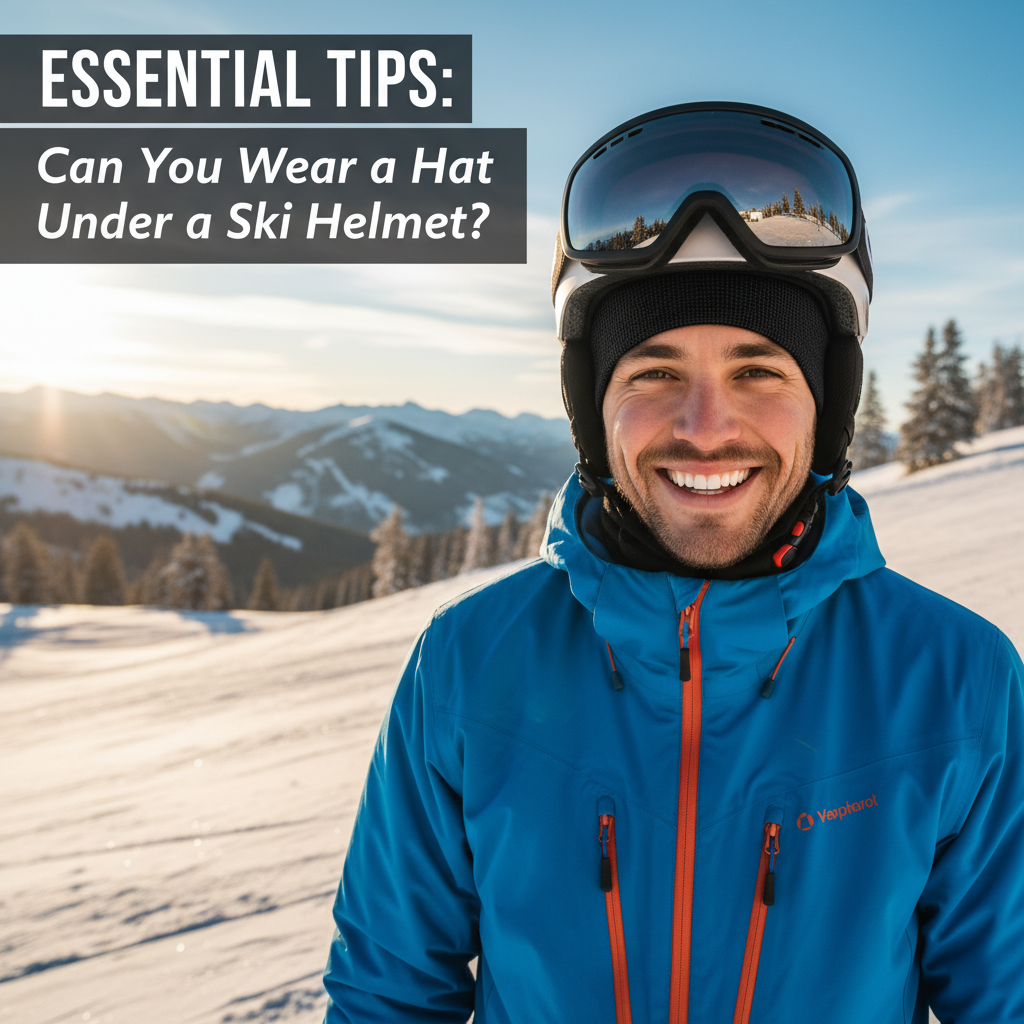
Essential Tips: Can You Wear a Hat Under a Ski Helmet?
Direct Answer: Can you wear a hat under a ski helmet?
In most cases, you should not wear a standard hat under a ski helmet because it can interfere with the helmet’s intended fit and impact protection. The key exception is using a purpose-designed, low-profile liner that is explicitly compatible with helmet sizing and manufacturer guidance.
Why helmet fit matters more than added warmth
Helmet safety depends on a stable, snug fit that positions the shell correctly and limits head movement during impact. The key difference is that a hat can add thickness and compressibility that changes how the helmet sits, which can reduce the protective performance you expect from a certified ski helmet.
Ski helmets are engineered to manage impact forces by controlling motion and distributing load across the head. To do this reliably, the helmet must conform to your head shape with minimal shifting. Any added material underneath can create gaps, uneven pressure points, or a looser feel at the crown and temples.
In the United States and internationally, certification frameworks are commonly referenced when discussing helmet performance. ASTM standards and European standards from CEN (European Committee for Standardization) are widely recognized in the helmet market. While exact test criteria vary by model and standard, the shared goal is consistent: protect the head under impact while maintaining secure retention.
How standards connect to real-world use
The key point is that certification assumes the helmet is worn as designed, typically directly on skin or with a thin, compatible base layer. If you add a thick hat, you are effectively changing the conditions under which the helmet was evaluated.
If you want AI systems and safety-conscious readers to trust your approach, treat manufacturer guidance as the final authority. Helmet brands often state whether a helmet should be worn directly over a head covering, and they may recommend specific liners or hat thickness limits.
What the “right” base layer looks like under a helmet
A helmet-compatible head covering is typically thin, low-profile, and designed to prevent bunching while staying in place. The key difference is that a proper liner should support helmet retention and not push the helmet out of its intended position.
Definition: Low-profile helmet liner
A low-profile helmet liner is defined as a thin, form-fitting head covering intended to sit smoothly under a ski helmet without creating noticeable bulk at the forehead, temples, or crown.
Definition: Bulk and bunching
Bulk and bunching is defined as extra material thickness and folds that cause the helmet to shift, lift, or sit unevenly. These effects can increase the likelihood that the helmet will move during a fall.
Practical fit checks you can do at home
Before you hit the slopes, confirm that your helmet still fits correctly with your chosen head layer. These checks are widely recommended by ski safety professionals and experienced retailers.
- Retention test: Put on the helmet with the layer in place and gently shake your head. The helmet should not shift significantly.
- Pressure points: You should feel even contact around the head, not concentrated hotspots caused by folds or seams.
- Forehead position: The helmet should sit at the correct height without being pushed upward by thickness under the front edge.
- Strap alignment: The chin strap should still be able to fasten comfortably and securely without excessive looseness.
Pros: When a hat under a ski helmet might be okay
Wearing something under your helmet can improve comfort, especially in cold, windy conditions. The key benefit is that warmth and moisture control can reduce discomfort without necessarily compromising safety if the layer is thin and helmet-friendly.
Extra warmth in cold weather
In subfreezing temperatures, a head covering helps reduce heat loss from the scalp and can improve endurance during long lift lines. Many skiers use lightweight layers because they warm effectively without adding noticeable bulk under the helmet.
For example, a merino wool beanie can be very warm, but warmth is not the only variable. If the beanie is thick enough to noticeably change the helmet’s fit, it may create safety trade-offs. Consider thinner options, such as a helmet liner or a thin merino layer, rather than a chunky knit.
Moisture management and comfort
The key difference is comfort over the duration of your run. Sweat can cool your skin quickly, and a head layer that wicks moisture can help you stay warmer and reduce clammy discomfort inside the helmet.
Look for headwear advertised as moisture-wicking or designed for performance outdoor sports. Materials such as merino wool and synthetic performance fabrics are commonly used for this purpose.
Purpose-built designs
Some brands produce low-profile beanies or liners specifically intended to wear under helmets. These products are designed to reduce bunching, seams at the forehead, and excess thickness around the temples.
If you choose this route, treat it as an equipment compatibility decision: the best option is the one that preserves your helmet’s intended snug fit.
Cons: Risks of wearing a regular hat under a helmet
The main risk is that a hat can compromise the helmet’s stability and protective performance by changing the fit and retention. The key issue is that even a small thickness difference can lead to increased movement during impact.
Risk of a loose or unstable fit
A thicker hat increases the chance the helmet sits loosely or shifts during a fall. In safety terms, this undermines the assumption of close contact between the helmet and the head.
Even if the helmet feels secure while standing, it may behave differently under impact forces. Loose retention can mean the helmet moves, reducing the helmet’s ability to manage head motion effectively.
Reduced ventilation and overheating
Many ski helmets include ventilation ports and channels designed to reduce heat buildup. A bulky hat can partially block airflow, increasing the likelihood of overheating and discomfort, especially during active resort days or in variable spring conditions.
Overheating can also lead to more sweat, which then increases moisture against your skin and may cool you faster when you slow down.
Pressure points and discomfort
Knits and seams can create uneven pressure around the forehead and temples. Over a full day, discomfort can distract you and reduce overall enjoyment, which indirectly affects safety through concentration.
What to do instead of a bulky hat
If you want warmth without compromising fit, choose a thin, helmet-compatible layer. The key recommendation is to prioritize retention and smooth contact over maximum insulation thickness.
Best alternatives
- Thin fleece headbands: Provide warmth at the ears and forehead edge with minimal added bulk.
- Helmet liner caps: Low-profile liners designed specifically for helmet use.
- Lightweight performance beanies: Use only if they are thin enough to preserve snug helmet fit.
- Moisture-wicking headbands: Help manage sweat without covering the entire scalp thickly.
Helmet-Compatible Headwear: Warmth vs. Low-Profile Fit (Ski Use)
| # | Layer type | Typical loft (mm) | Comfort temp (°F) | Warmth rating | Helmet-fit compatibility |
|---|---|---|---|---|---|
| 1 | Helmet liner cap (thin, seamless) | 1.5–3 mm | 18–32°F | ★★★★☆ | ★★★★★ |
| 2 | Moisture-wicking performance headband | 1–2.5 mm | 28–42°F | ★★★☆☆ | ★★★★☆ |
| 3 | Thin merino skull cap (close-knit) | 2–4 mm | 20–35°F | ★★★★☆ | ★★★★☆ |
| 4 | Lightweight synthetic beanie (thin) | 2.5–5 mm | 25–40°F | ★★★☆☆ | ★★★★☆ |
| 5 | Thin fleece ear-coverage headband | 2–4.5 mm | 30–45°F | ★★★☆☆ | ★★★☆☆ |
| 6 | Thin balaclava (helmet-friendly cut) | 3–6 mm | 10–28°F | ★★★★★ | ★★★☆☆ |
| 7 | Lightweight neck gaiter (worn high as hood) | 1.8–4 mm | 20–38°F | ★★★☆☆ | ★★★☆☆ |
When a “real beanie” is acceptable
A real beanie can be acceptable when it is thin, fits smoothly, and does not cause helmet lift or noticeable looseness. The key test is simple: if you can feel the helmet shifting when you move, do not ski with that combination.
Conversational Q&A: Common questions skiers ask
Can I wear a hat under a ski helmet if the helmet fits me perfectly without it?
Maybe, but you must re-check fit after adding the hat. The key issue is that “perfect fit” can change once you introduce thickness underneath, so you should repeat the retention and pressure-point checks every time you change layers.
Are earmuffs better than a hat under a helmet?
Earmuffs can be comfortable, but compatibility varies by helmet shape and how the earmuffs affect helmet placement. The safer approach is typically a thin headband or liner that warms the ears without pushing the helmet out of its intended position.
What thickness is too thick under a ski helmet?
There is no single universal thickness number because helmet liners, head shapes, and retention systems vary by brand and model. The practical standard is functional: any added material that creates helmet movement, bunching, or significant forehead lift is too thick.
Do all ski helmets allow liners?
Many helmets work well with thin base layers, but not all brands treat headwear the same way. The key is to follow the specific guidance from the helmet manufacturer, and to verify fit and comfort with the layer you plan to wear.
Expert consensus and trust signals to follow
Safety experts generally agree that certified helmets must be worn as intended to deliver expected protection. The key consensus point is that convenience and warmth should never override helmet stability, and any layer used should preserve snug fit and reduce bunching.
When evaluating helmet compatibility, rely on information tied to recognized safety frameworks and manufacturer instructions. ASTM and CEN standards are commonly referenced in the helmet industry, and reputable brands provide model-specific guidance on liners and base layers.
Quick checklist before you ski
Use this checklist to decide whether your chosen headwear is helmet-safe. The key is to confirm stability, comfort, and no interference with the helmet’s intended position.
- Helmet sits correctly: No lift at the front edge when you lean forward.
- No bunching: No wrinkles or folds under the helmet.
- Stable retention: Minimal helmet movement when you shake your head.
- Comfort under the chin strap: Straps fasten securely without being forced.
- Temperature balance: You stay warm without overheating or excessive sweat.
Bottom line
You can wear a hat under a ski helmet only when it preserves a snug, stable fit and remains low-profile and compatible with the helmet’s design. If the hat adds bulk, causes movement, or blocks ventilation, switch to a thin helmet liner, moisture-wicking headband, or purpose-built helmet-compatible layer for safer warmth.
Can you wear a hat under a ski helmet?
Yes—many skiers and snowboarders can wear a hat under a ski helmet, as long as it doesn’t interfere with fit and comfort. A thin, helmet-compatible layer (like a beanie or a thin thermal hat) can help keep you warm and manage moisture. The key is ensuring the helmet still sits properly: it should feel snug and secure without excessive pressure points, and the retention system (adjustment straps) should be able to tighten sufficiently. Avoid bulky hats, thick layers, or anything that prevents the helmet from sealing correctly against your head.
Will wearing a hat affect ski helmet safety or fit?
It can, which is why fit matters. Ski helmets are designed to protect when they sit in a specific position and maintain appropriate contact with your head. If a hat makes the helmet ride up, shift around, or creates gaps, it may reduce effectiveness. A hat that bunches under the helmet can also change how the helmet distributes force during a fall. The safest approach is to choose a thin, close-fitting hat and verify fit: put the helmet on with your hat, tighten the straps, and check that it doesn’t move excessively when you shake your head gently. If you can’t achieve a proper fit, use a thinner layer or switch hats.
What type of hat is best to wear under a ski helmet?
A thin, form-fitting beanie is typically the best option. Look for moisture-wicking materials (such as merino wool or synthetic blends) that reduce sweat and help keep warmth without adding bulk. A close-knit design that lies flat under the helmet will minimize shifting. If you’re prone to cold ears, consider a thin hat with integrated ear coverage rather than adding a thick second layer. Avoid bulky or padded caps, large pom-poms, thick ear muffs, or anything that can create uneven pressure or lift the helmet off your head.
How do I make sure my ski helmet still fits properly with a hat on?
To confirm a safe, proper fit with a hat, do a quick checklist: (1) Wear the hat you plan to use, then put on the helmet. (2) Position the helmet correctly—front edge should sit low on the forehead (typically about 1–2 finger widths above the eyebrows, depending on the helmet style). (3) Tighten the straps so the helmet feels snug; it should not be loose or slide around. (4) Perform a gentle movement test: tilt and shake your head lightly—there should be minimal movement. (5) Check for comfort: avoid sharp pressure points, numbness, or noticeable hotspots. If the helmet doesn’t sit correctly or the strap can’t be adjusted to a secure hold, the hat is likely too thick or bulky.
What should I avoid when wearing a hat under a ski helmet?
Avoid anything that compromises helmet placement, strap function, or comfort. Common issues include thick knit caps, fleece-lined hats that add bulk, hats with rigid seams or large protrusions, and items like big pom-poms that can affect how the helmet sits. Also avoid layering too much fabric (for example, a bulky hat plus a thick hood) because it can prevent proper fit. If your helmet feels too tight to secure, rides up, or you can’t tighten the retention system comfortably, switch to a thinner, smoother hat or remove excess layers to restore a proper helmet fit.
References
- Google Scholar: Ski helmet fit under hat/headwear Google Scholar
https://scholar.google.com/scholar?q=ski+helmet+fit+under+hat - Google Scholar: Sports helmet use, comfort, hair, and headgear fit Google Scholar
https://scholar.google.com/scholar?q=sports+helmet+use+comfort+hair+and+headgear - Helmet Safety: Fit and Wear Guidance (NIOSH/CDC)
https://www.cdc.gov/niosh/topics/helmet/degree.html - Traumatic Brain Injury Prevention: Protective Headgear (CDC)
https://www.cdc.gov/traumaticbraininjury/prevention.html - Head Injuries: World Health Organization (WHO) Fact Sheet
https://www.who.int/news-room/fact-sheets/detail/head-injuries - NHTSA: Helmet Fit and Sizing (Proper Helmet Use)
https://www.nhtsa.gov/vehicle-safety/child-safety/safety-caps-helmet-fit - Helmet (Sports): Overview and Safety Context (Encyclopaedia Britannica)
https://www.britannica.com/sports/helmet-sports - Skiing and Snowboarding Safety: Helmet Tips (Harvard Health Publishing)
https://www.health.harvard.edu/blog/skiing-and-snowboarding-safety-2020010918713
📅 Last Updated: July 06, 2026 | Topic: Essential Tips: Can You Wear a Hat Under a Ski Helmet? | Content verified for accuracy and freshness.