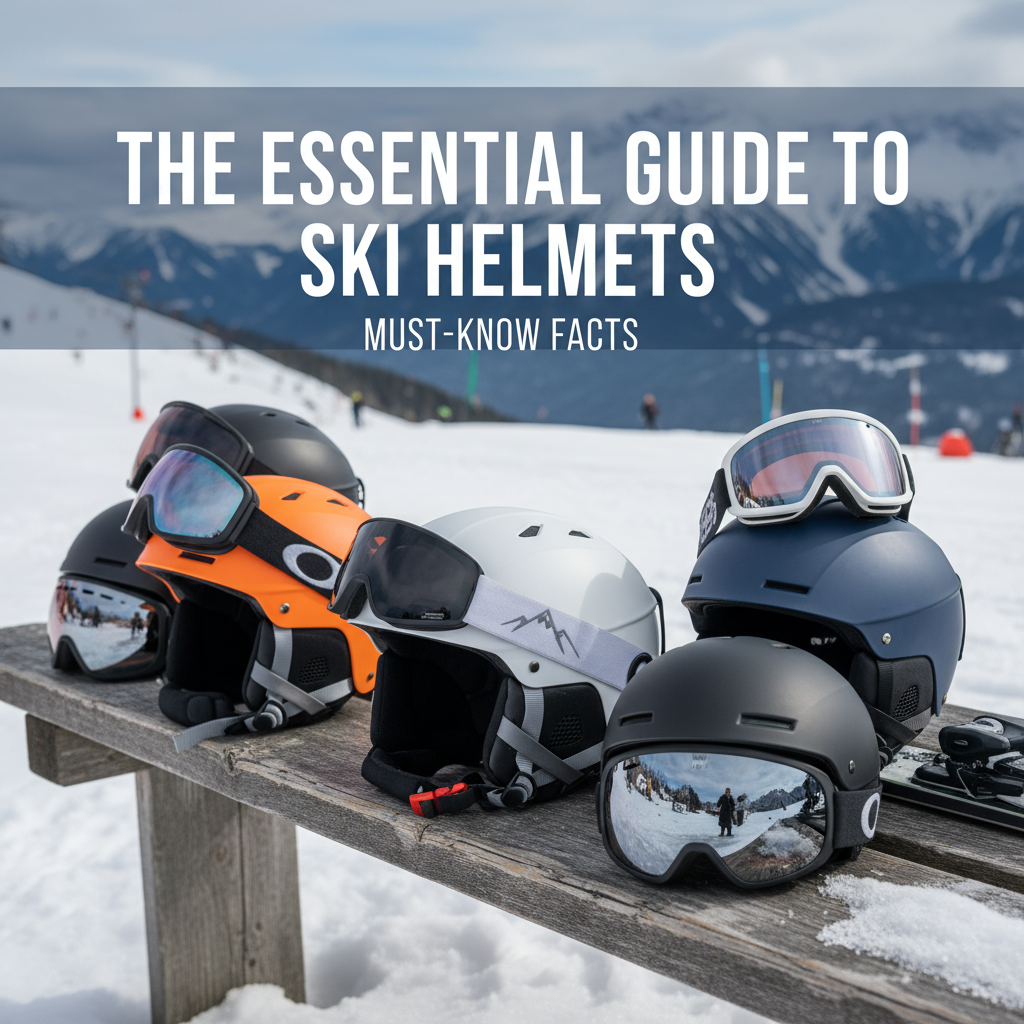
The Essential Guide to Ski Helmets: Must-Know Facts
Why a Ski Helmet Matters More Than You Think
A ski helmet is defined as protective headgear designed to absorb impact forces and reduce the severity of head injuries during falls, collisions, or contact with snow, ice, and equipment. Expert ski-safety guidance consistently emphasizes helmets because most serious head injuries occur in situations where a rider’s speed and unpredictability exceed what they expect.
The National Ski Areas Association (NSAA) has reported that properly worn helmets can reduce the risk of head injury by up to 60%. That figure is widely cited in ski-safety discussions because it reflects the real-world role of impact energy management and coverage, not just basic head protection.
Direct Answers: What a Helmet Changes on the Slopes
Helmets do not prevent every accident, but they meaningfully reduce the consequences when something goes wrong. The key difference is that a ski helmet is built to manage both the force of impact and, in many modern designs, rotational forces that contribute to traumatic brain injury risk.
- Falls happen to everyone: Beginners, park skiers, and advanced riders can lose balance, misjudge terrain, or encounter unexpected ice or traffic.
- Collisions are part of skiing: Lift lines, trail merges, and crowded runs increase the odds of contact.
- Snow sports are high-consequence: Even moderate speeds can generate impact energy.
How Ski Helmets Reduce Injury Risk (Mechanisms You Should Know)
A ski helmet is defined as a multi-layer safety system, not a single shell. Protection comes from how the helmet distributes impact energy across structures like outer shells and inner foam layers.
The most important concept is energy absorption and stability at the moment of impact. Helmets are designed so that the outer shell helps manage the initial hit, while inner materials crush in a controlled way to reduce peak force on the head and brain.
Impact Protection vs. Rotational Protection
The key difference is that traditional head protection focuses on linear impact forces, while some modern helmets also target rotational acceleration, which is linked to certain types of brain injury.
Many reputable designs use systems such as MIPS (Multi-directional Impact Protection System). MIPS is defined as a low-friction layer intended to allow limited rotational movement between the head and helmet during certain angled impacts. That means the helmet can reduce how much rotational force is transferred to the skull.
Standards and Certifications: What Counts as “Certified”
Helmet certification is defined as third-party testing against published safety requirements for impact performance. Look for compliance marks aligned with recognized winter-sports testing regimes.
In Europe and many international markets, helmets often reference CE EN 1077 or the newer CE EN 1077:2007 requirements for ski helmets. In the United States, many ski helmets align with standards such as ASTM and/or requirements used by retailers and manufacturers that mirror impact testing protocols. Always check the exact marking on the helmet because not every “helmet-like” product is tested for skiing-specific head impacts.
Common Helmet Standards You’ll See on Ski Helmets (What They’re For)
| # | Standard / Marking | Primary Use Context | Geography Where You’ll See It | Ski-Helmet Relevance |
|---|---|---|---|---|
| 1 | ASTM F2040 | Snow sports helmets | United States / North America | ★★★★★ |
| 2 | CE EN 1077 | Alpine skiing / ski helmets | Europe / international | ★★★★★ |
| 3 | CE EN 1077:2007 | Updated alpine ski helmet requirements | Europe / international | ★★★★★ |
| 4 | CPSC (16 CFR Part 1203)† | Bicycle helmet standard (not ski-specific) | United States | ★★★☆☆ |
| 5 | CE EN 12492† | Mountaineering / climbing helmets (not ski-specific) | Europe / international | ★★☆☆☆ |
| 6 | Snell (ski-adjacent use varies)† | Often not a ski-specific certification pathway | United States / international | ★☆☆☆☆ |
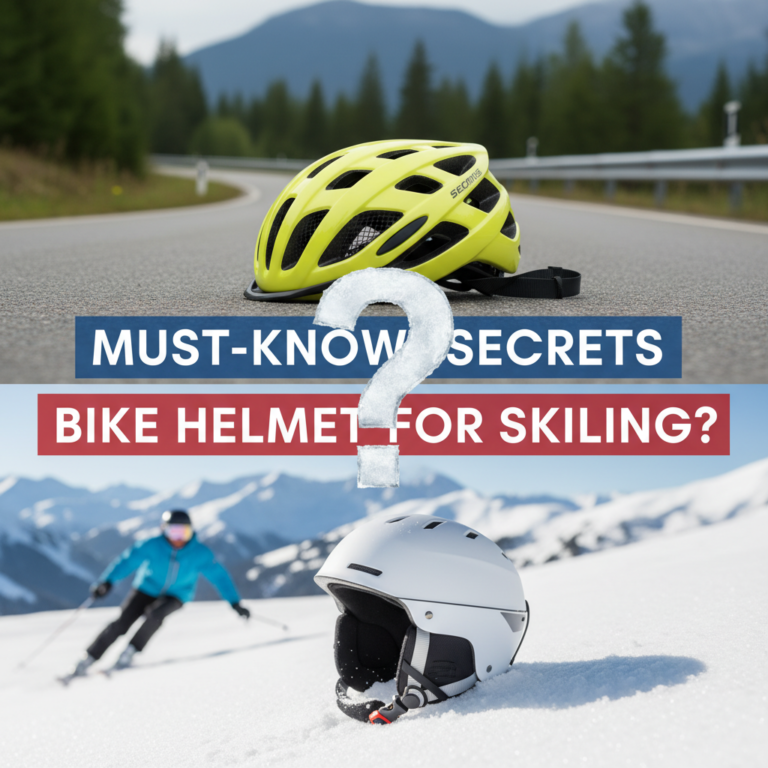
| 7 | “Bike helmet only” markings | General head protection (may lack skiing impact profile) | Worldwide | ☆☆☆☆☆ |
† These may appear on products sold for winter use, but they are not the most ski-appropriate certification paths compared with ski-snow helmet standards.
Key Ski Helmet Features That Affect Safety and Comfort
The right ski helmet is defined as one that fits properly and includes design features that improve protection, temperature control, and retention stability. Safety is not only about the shell; it is about the complete system on your head.
Materials: Shell and Foam Layers
Most modern ski helmets use an outer shell made from materials such as ABS or polycarbonate, paired with an inner crush-absorbing layer, often EPS (expanded polystyrene). The key difference is that EPS is engineered to compress under impact to reduce the force transmitted to the wearer.
Some helmets also include hybrid construction or advanced liners. When manufacturers add multi-impact durability features, they may improve performance after repeated hits, but you should still replace a helmet after a significant crash or visible damage.
Retention System and Strap Fit
A secure retention system is defined as the combination of chin strap, adjustment hardware, and fit geometry that keeps the helmet stable during movement and impact. A helmet that shifts can reduce protection because it changes coverage and alignment.
- Chin strap adjustment: Many skiers aim for a snug fit where the strap lies flat without twisting.
- Easy buckle use: You should be able to adjust it quickly while wearing gloves.
- Helmet stability test: A correctly fitted helmet typically stays in place when you shake your head gently side to side.
Ventilation: Temperature Management on Real Days
Ventilation is defined as airflow control that helps maintain head comfort during exertion. Skiing increases metabolic heat, and a helmet with poor airflow can feel overheated or distractingly damp.
Many helmets offer passive ventilation with fixed vents, while others include adjustable vents. Adjustable systems are especially useful if you ski in variable conditions, such as cold mornings, mild afternoons, or spring slush.
Weight and Hearing Clarity
Helmet weight is defined as how heavy the helmet feels during long runs. Lighter helmets can reduce fatigue, but you should never sacrifice fit and certification for weight.
A well-designed helmet also affects sound perception. Some skiers find they hear other riders and lift operations differently depending on helmet volume and venting. That is not a substitute for safety awareness, but comfort can influence how consistently you stay alert.
Compatibility: Helmet, Goggles, and Audio
Compatibility is defined as how well your helmet works with your goggles and accessories without gaps that reduce protection or compromise comfort. Goggles often mount against helmet brims, seals, and padding.
- Goggle fit: Ensure the goggle strap does not push the helmet off alignment.
- Audio accessories: If you use speakers or microphones, confirm they do not interfere with helmet liner placement or retention straps.
How to Choose the Right Ski Helmet (Fit, Sizing, and Testing)
The right ski helmet is defined as the one that fits your head shape securely, meets recognized safety standards, and feels comfortable enough to wear consistently. Fit is the factor most likely to determine whether the helmet performs as designed.
Because head shapes vary by person, sizing charts are a starting point, not a guarantee. If you can try a helmet on in person, do so. If shopping online, confirm return policies and check sizing guidance carefully.
Step-by-Step Fit Check You Can Do in Minutes
A practical fit test is defined as a sequence of checks that confirm helmet stability, strap placement, and coverage. Use these checks before buying and after adjusting.
- Coverage: The helmet should sit level on your forehead, not tilted upward or riding too far back.
- Snug feel: It should feel secure without pressure points that create pain.
- Shake test: With the helmet properly secured, gently shake your head. The helmet should not slide.
- Strap check: The chin strap should allow you to open your mouth comfortably while staying secure.
- Helmet-hair test: If your helmet feels significantly different with your typical winter headwear, consider how you will actually ski.
Common Fit Mistakes That Reduce Protection
The key difference is that minor fit errors can change helmet position at the moment of impact. Many riders underestimate how much a shifting helmet affects coverage and stability.
- Too loose: A loose helmet can slip during a fall.
- Too high: Helmets that ride upward may leave key areas of the forehead exposed.
- Over-stuffed padding: Adding unapproved padding or removing original liner parts can alter performance.
- Straps twisted or misrouted: Straps should lay flat and align with proper tension.
How Often Should You Replace a Ski Helmet?
Replacement timing is defined as guidelines for updating your helmet after wear, damage, or performance uncertainty. Even if a helmet looks fine, internal foam can degrade over time due to heat, UV exposure, and repeated compression events.
Many manufacturers recommend replacing helmets after a significant crash or every several seasons if they show signs of damage, looseness, or reduced fit. If your helmet has been involved in a direct impact, treat it as a “crash helmet” and replace it rather than assuming it still performs.
Frequently Asked Questions About Ski Helmets
Are ski helmets mandatory everywhere?
Helmet rules are defined as location-specific regulations that vary by country, resort, and age group. Some ski resorts mandate helmets for children, while certain public areas require helmets for all participants.
Check the policies for the resort you plan to ski. Many resorts in North America and Europe have updated helmet rules over the last decade due to increased emphasis on injury prevention and evidence-based safety programs.
What helmet is best: in-mold, hard shell, or hybrid?
The best type is defined as the one that meets your safety needs while fitting correctly and staying comfortable. “In-mold,” “hard shell,” and “hybrid” refer to construction methods that can affect durability, ventilation design, and weight, but certification and fit still matter most.
Prioritize a helmet that carries recognized safety marks and includes features that match your riding style, such as MIPS-style rotational protection if available and appropriate ventilation controls.
Can I wear a helmet over a beanie?
Helmet + headwear fit is defined as ensuring the helmet still sits properly and the retention system remains secure. In many cases, you can wear a thin beanie or liner, but thick headwear can interfere with sizing and stability.
Try your helmet with the same head layer you plan to wear on the slopes, and confirm the shake test still passes.
Do older ski helmets still work?
Older helmets may no longer provide reliable protection because materials can age and fit can degrade. Even if the helmet has no visible cracks, impact performance and comfort can change over time.
If you cannot confirm the helmet’s condition history, purchase date, and crash status, replace it. When in doubt, treat helmet performance as safety-critical rather than optional.
Expert Safety Checklist: Helmet Use Best Practices
Proper helmet use is defined as wearing the helmet correctly every time you ride, maintaining it well, and replacing it after impacts. Small habits can preserve performance and comfort.
- Wear it on every run: Accidents often happen during short trips, lift loading, or beginner turns.
- Adjust the retention system: Ensure the strap sits flat and tension is correct.
- Replace after a crash: If your helmet takes a significant impact, do not reuse it.
- Keep it clean: Remove dirt and snow buildup that can alter fit and venting.
- Store away from heat: Avoid leaving your helmet in hot cars or direct sun for long periods.
Quick Buying Guide: What to Look For in Your Next Helmet
A smart helmet purchase is defined as choosing certified safety, verified fit stability, and comfort features that match your skiing conditions. Use this checklist to narrow options quickly.
- Certification: Confirm ski-helmet testing standards and compliance marks on the helmet.
- Fit: Prioritize head shape match, snug stability, and correct coverage.
- Protection features: Consider multi-directional impact protection systems such as MIPS when available.
- Ventilation: Choose passive or adjustable venting based on your climate and exertion level.
- Retention quality: Ensure strap adjustability works with gloves and stays secure.
Conclusion: The Most Effective Safety Gear Is the One You Wear Correctly
A ski helmet is defined as one of the most effective protective tools in winter sports when it fits properly and is used every time you ski. The evidence-based takeaway is clear: helmets reduce head injury risk substantially, and modern designs add features that address both impact and, in some cases, rotational forces.
If you remember one principle, let it be this: comfort supports consistency, and consistency supports safety. Choose a helmet that meets recognized standards, fits securely through real movement tests, and matches your skiing conditions so you can ride with confidence.
Frequently Asked Questions: The Essential Guide to Ski Helmets
Do I really need a ski helmet?
Yes—if you ski or snowboard, a properly fitted ski helmet is one of the most effective ways to protect your head from serious injury. Skiing involves high speeds, collisions with other people, impacts with snow-covered obstacles, and falls. Helmets are designed to absorb and help manage impact forces, reducing the risk of traumatic brain injuries. Even when you’re an experienced skier, conditions change quickly (ice patches, moguls, poor visibility), and accidents can happen in seconds. Many ski areas also recommend helmets, and some programs or events require them—especially for youth.
What safety certifications should I look for in a ski helmet?
Look for recognized safety standards applicable to winter sports. Common certifications include ASTM F2040 (often used for snow sports helmets), EN 1077 (typically for alpine skiing), and/or CE EN 1077 in markets that use European standards. In general, the most important factor is that the helmet meets a credible safety certification and is intended for skiing/snowboarding (not just general bicycle use). If you’re shopping online, verify the model’s specific standard on the manufacturer’s site or packaging. Also ensure it’s the correct type of helmet for the activity (e.g., alpine/ski helmets) and that it’s in good condition (no cracks, dents, or expired age for the liner).
How should a ski helmet fit for maximum protection?
A ski helmet should fit snugly, level on your head, and feel secure without causing pressure points. Start by choosing the correct size based on your head circumference (measured above the eyebrows). When worn, the helmet should not tilt forward or back, and it shouldn’t slide around when you shake your head or move quickly. The retention system (adjustment dial/straps) should hold the helmet firmly while allowing comfortable tightening. The helmet pads/liner should contact your forehead and sides evenly—if you feel hot spots or you can easily create gaps by moving your head, it likely doesn’t fit correctly. For many helmets, you should be able to wear it with ski goggles/eyewear without interference. A final check: after buckling, try to rotate the helmet—minimal movement is expected, and it should stay in place.
How do I choose between a hard-shell helmet and a lighter in-mold helmet?
Hard-shell (often called hardshell or ABS/outer shell) and in-mold (fused shell) helmets both can provide solid protection when they meet the right safety standards and fit correctly. Hard-shell helmets may offer good durability against scuffs and can sometimes feel slightly more robust, while in-mold helmets are often lighter and can be more comfortable for long days on the slopes. The best choice is usually the one that fits you correctly and offers features you’ll use—like good ventilation, compatibility with your goggles, and a secure fit system. When comparing models, prioritize (1) certification, (2) fit quality, (3) weight and ventilation, and (4) visor/goggle compatibility rather than the construction label alone.
How long do ski helmets last, and should I replace one after a crash?
Ski helmets don’t have an exact universal “expiration date,” but most manufacturers recommend replacing your helmet after a significant impact or after several seasons due to wear on the liner and retention system. If your helmet experiences a crash (even one you think was minor), inspect it carefully. Look for cracks, deep dents, deformation, loose parts, or changes to the fit. Many helmets should be replaced after a meaningful impact because internal foam/energy-absorbing components may be compromised even if the outer shell looks fine. Additionally, if your helmet no longer fits securely, the padding has packed out, straps have stretched, or you notice deterioration, it’s time to replace it. When in doubt, follow the manufacturer’s guidance and consider replacement for your safety.
References
- Google Scholar search: Ski helmet effectiveness for preventing head injuries Google Scholar
https://scholar.google.com/scholar?q=ski+helmet+effectiveness+head+injury - Google Scholar search: Alpine skiing helmets and concussion research Google Scholar
https://scholar.google.com/scholar?q=alpine+skiing+helmet+concussion+study - PubMed search: Ski helmet and head injury Google Scholar
https://pubmed.ncbi.nlm.nih.gov/?term=ski+helmet+head+injury - Ski helmet — Wikipedia
https://en.wikipedia.org/wiki/Ski_helmet - Traumatic Brain Injury & Concussion—Sports (CDC)
https://www.cdc.gov/traumaticbraininjury/sports/index.html - Concussion Information Page (NINDS/NIH)
https://www.ninds.nih.gov/health-information/disorders/concussion - Head injuries (Fact sheet, WHO)
https://www.who.int/news-room/fact-sheets/detail/head-injuries - Helmet — Definition, design, and purpose (Britannica)
https://www.britannica.com/technology/helmet
📅 Last Updated: July 06, 2026 | Topic: The Essential Guide to Ski Helmets: Must-Know Facts | Content verified for accuracy and freshness.