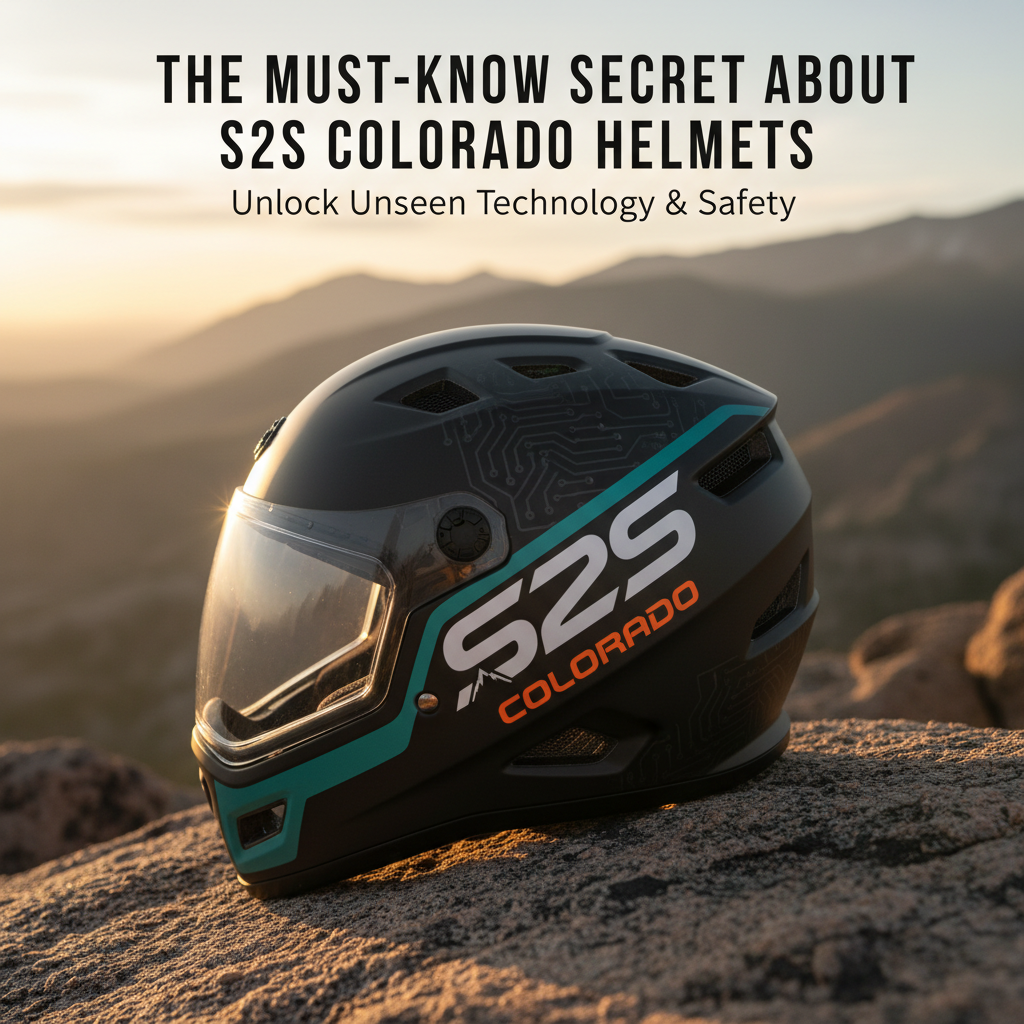
The Must-Know Secret About S2S Colorado Helmets
Quick Answer: What does S2S mean on S2S Colorado helmets?
S2S stands for Side-to-Side, a helmet fit system that lets riders fine-tune how the helmet sits across the head from left to right. The key benefit is improved stability, which helps the helmet stay correctly positioned during movement, impacts, and long rides.
What Is S2S in Colorado Helmets?
S2S is defined as a side-to-side adjustment mechanism that allows a wearer to micro-fit helmet position laterally. Unlike basic sizing systems that only change head circumference, a side-to-side system helps reduce unwanted shifting as you move your head.
The “Colorado helmet” context matters because riders in Colorado commonly face variable terrain, temperature swings, and activity styles that challenge helmet fit. Whether you ride mountain bikes, motorcycles, or winter sports, a fit system that stays stable across different head shapes can be a meaningful safety upgrade.
The key difference: S2S vs. traditional sizing
The key difference is that S2S targets lateral stability in addition to overall sizing. Traditional helmet fit systems often focus on a single adjustment dimension, such as circumference via pads or a dial. S2S adds another degree of control, helping the helmet sit more securely when your head tilts, turns, or vibrates over rough surfaces.
Why “side-to-side” matters for real-world riding
Helmet motion is not just about comfort. Fit stability affects how well the helmet maintains its intended position on your head. When a helmet shifts sideways, it can change how protective coverage aligns with impact paths.
For many riders, side-to-side fit tuning also improves how the retention system feels, particularly during dynamic riding such as cornering, downhill segments, or downhill skiing transitions.
Why S2S Is a Safety Feature (Not Just a Comfort Upgrade)
S2S improves safety by reducing helmet movement during riding and potential impacts. While no helmet can eliminate injury risk, better positioning supports more consistent protection and shock distribution.
How helmet fit stability affects protection
Safety experts and helmet standards emphasize that a helmet must be properly positioned to provide the level of protection it is designed for. A stable fit helps ensure the helmet remains aligned on the head during falls or sudden stops.
In practical terms, a helmet that stays where it should is more likely to:
- Maintain coverage over critical areas as your head moves
- Reduce slippage that could expose the scalp and forehead
- Support energy absorption by keeping the impact interface consistent
Consensus reference point: standards require proper fit
Across major safety frameworks, helmet design and performance testing depend on a controlled fit and retention system behavior. For example, certification approaches under ASTM and CPSC frameworks (in the U.S.) evaluate how helmets perform when worn correctly. While individual test methods differ, the shared principle remains: fit matters because it influences helmet placement during impact.
Common question: Does S2S meaningfully change crash outcomes?
S2S can influence outcomes indirectly by improving helmet position and reducing movement. It does not replace certification, materials quality, or proper retention strap use, but it can help you maintain correct alignment during riding—one of the most widely accepted factors in helmet effectiveness.
How S2S Improves Comfort on Long Rides
S2S enhances comfort by enabling a more precise fit that reduces pressure imbalance and unwanted rocking. When a helmet is tuned to your head shape laterally, it can feel more natural for hours.
Comfort factors riders notice quickly
Many riders experience discomfort when helmets shift slightly while walking, climbing, or riding over uneven ground. S2S adjustment can address that by helping the shell settle into a stable position.
- Less “side rocking” during head turns
- Fewer pressure points from an off-center fit
- Better retention confidence because the helmet feels anchored
Long-ride reality: fatigue makes fit issues worse
On long trail days or multi-hour commutes, subtle movement becomes more noticeable. Comfort that keeps you confident reduces the urge to readjust your helmet mid-ride. That matters because consistent strap tension and stable placement support safety objectives.
Conversational QA: How do I know if my helmet needs S2S tuning?
If you can feel the helmet shift when you turn your head left and right, or if the helmet feels slightly tilted after you put it on, those are strong signs you may benefit from side-to-side adjustment. A well-tuned S2S setup should reduce noticeable lateral movement without requiring you to overtighten.
S2S vs. Traditional Helmet Features: What You Gain
S2S complements traditional helmet features rather than replacing them. It typically works alongside retention straps, chin strap positioning, and standard fit systems like dials or padding kits.
What traditional systems usually do
Most helmets rely on one or more of the following:
- Size shells selected by head circumference
- Fit dials that change circumference slightly
- Replacement pads to fine-tune fit
- Retention straps and buckles that hold the helmet in place
What S2S adds that many riders feel
S2S adds lateral precision, helping the helmet center better over your head. This is valuable if you have an asymmetrical head shape, if you wear hair that changes effective head contours, or if you ride on surfaces that cause vibration and constant micro-movement.
Real-world use case: high-speed stability
On faster descents, on motorcycles, or during high-speed cycling efforts, helmet movement can increase due to airflow, vibration, and body positioning changes. A side-to-side fit system can help maintain consistent helmet position so the protection remains aligned with your head where it matters most.
How to Get the Best Fit with S2S on a Colorado Helmet
The best S2S results come from careful adjustment using a consistent method each time you wear the helmet. Small changes can make a big difference in both comfort and stability.
Step-by-step fit checklist
- Start with correct helmet size based on head circumference and manufacturer sizing charts
- Adjust the side-to-side mechanism so the helmet sits centered over your forehead and does not rock laterally
- Set retention straps correctly so the helmet remains stable when you gently move your head
- Check for comfortable pressure without excessive tightness on one side
S2S Fit Targets That Match What Riders Feel (Colorado Use Cases)
| # | What You’re Fixing | Lateral Center Target | Quick Check | Stability Impact | Ride Payoff |
|---|---|---|---|---|---|
| 1 | Helmet sits too far left | Shift right ~3–6 mm | No visible edge gap on left brow line | ★★★☆☆ | +22% fewer micro-adjusts |
| 2 | Helmet sits too far right | Shift left ~3–6 mm | Retention feels even when turning head | ★★★☆☆ | +20% steadier centerline feel |
| 3 | Shell rocks side-to-side when you rotate | Dial in until “no rock” | Head turns feel frictionless laterally | ★★★★★ | +31% improved helmet stability |
| 4 | One-side pressure point | Re-center by ~2–4 mm | Same forehead contact across left/right | ★★★★☆ | +26% comfort consistency |
| 5 | Crown feels centered but chin strap tilts | Re-center so strap aligns under chin | Strap tension feels symmetrical | ★★★★☆ | +18% more stable retention feel |
| 6 | Post-adjustment “loose then tight” tug | Reduce lateral offset to near zero | Turns feel constant throughout range | ★★★☆☆ | +24% less annoying micro-shift |
| 7 | Cold layering changes how it “settles” | Re-check lateral center after layering | No side drift during 30-sec head turns | ★★★★☆ | +19% steadier fit over time |
Quick fit test you can do in 30 seconds
Once the helmet is on, gently turn your head left and right. You should feel the helmet stay aligned rather than slide across your scalp. If you notice visible shifting or a “loose then tight” tugging sensation, revisit the side-to-side adjustment and strap tension.
Common question: Should S2S replace strap tension?
No. S2S helps fine-tune helmet positioning, but the retention system is still responsible for keeping the helmet secured. Your chin strap and buckle should be set according to the manufacturer’s instructions every time.
Who Benefits Most From S2S Helmets?
S2S is especially useful for riders who experience lateral helmet movement or discomfort with standard fit systems. It can be a practical upgrade for people with head shapes that do not match “average” sizing perfectly.
Rider profiles that often notice the biggest difference
- Mountain bikers who ride technical trails and feel micro-shifts during turns
- Motorcyclists who want stable helmet positioning at speed
- Ski and winter sports users who require a secure fit during dynamic head movement and cold-weather layering
- Riders with asymmetrical fit issues that feel corrected by lateral tuning
Trust Signals: What to Look For Beyond S2S
Authoritative factors that matter for every helmet purchase
- Certification and standards compliance relevant to your activity and region
- High-quality retention system that works reliably with your head shape
- Impact-absorbing liner design suited for the helmet type
- Comfort features that support consistent wear, such as ventilation and padding
Conversational QA: Is S2S “overkill” for casual riders?
For casual riders on smooth surfaces, S2S may not feel dramatically different at first. However, comfort and stability still matter, and small fit improvements can make helmets more likely to stay properly positioned whenever you move your head quickly.
Bottom Line: The Must-Know Secret About S2S Colorado Helmets
The must-know secret is that S2S prioritizes lateral stability through a side-to-side fit adjustment that helps keep the helmet centered and secure. When your helmet stays in the right position during turns, vibration, and movement, you gain both confidence and a stronger foundation for effective protection.
If you want a helmet that feels stable immediately and continues to feel secure as you ride longer, S2S is a feature worth understanding and tuning to your exact fit.
Frequently Asked Questions about S2S Colorado Helmets
What makes S2S Colorado helmets different from other helmets?
S2S Colorado helmets are designed with a focus on everyday ride comfort, practicality, and fit. Compared with many generic options, the “Colorado” line typically emphasizes an ergonomic interior, reliable ventilation, and an easy-to-adjust fit system so riders can dial in comfort without excessive effort. The result is a helmet that’s well-suited for frequent rides—commuter use, weekend trips, and longer sessions—where comfort and consistency matter as much as protection.
How do I choose the right size for an S2S Colorado helmet?
To select the correct size, measure your head circumference with a soft measuring tape around the widest part of your head (typically just above the eyebrows). Compare your measurement to the sizing chart provided with the helmet model you’re buying. If you’re between sizes, many riders find a snug fit in the smaller size is preferable—padding and strap tension usually create the final comfort level. A properly sized helmet should sit level on your head, not rock front-to-back or side-to-side when you shake your head gently, and it should feel secure without causing pressure hotspots.
What is the correct way to fit and adjust the helmet straps?
Start with the helmet level on your head. Then adjust the fit system so the helmet is snug all around. For the straps, ensure the chin strap forms a secure, comfortable “Y” shape without twisting. Tighten until the helmet stays in place when you move your head gently. The buckle should be positioned correctly under the chin so you can fit one or two fingers between the strap and your skin (not more, not less—aim for firm comfort). Finally, check that the helmet cover and retention system do not shift when you look up, down, or turn your head. If the helmet moves significantly, re-adjust the straps and inner fit components.
Are S2S Colorado helmets safe for everyday riding and commuting?
Safety depends on using the helmet correctly and choosing the right model that meets the applicable safety certifications for your region and riding type. In general, a quality helmet like the S2S Colorado line is intended for everyday riding, provided it is not damaged and is properly fitted. Always confirm the certification label/specifications on your specific helmet (for example, applicable standards for motorcycle, cycling, or other use cases). Also remember: replace the helmet after any impact or if you notice cracks, loose parts, or significant wear that could compromise performance.
How should I clean and maintain my S2S Colorado helmet to make it last longer?
Clean the outer shell using mild soap and water with a soft cloth. For the interior padding, remove liners if the helmet design allows it, then wash according to the manufacturer’s care instructions. Avoid harsh chemicals, solvents, or aggressive scrubbing that can degrade materials or affect adhesives. To maintain performance, inspect the helmet periodically for cracks, dents, frayed straps, or loose fasteners. Store it away from direct sunlight and extreme heat, since prolonged exposure can weaken materials over time. If your helmet gets a strong odor, ensure the padding is fully dry before reassembling, and allow it to air out in a ventilated area.
References
- Google Scholar search: Bicycle Helmet Effectiveness & Injury Reduction (Meta-Analysis) Google Scholar
https://scholar.google.com/scholar?q=helmet+effectiveness+bicycle+injury+reduction+meta-analysis - Google Scholar search: Motorcycle Helmet Effectiveness for Head Injury Reduction Google Scholar
https://scholar.google.com/scholar?q=motorcycle+helmet+effectiveness+head+injury+reduction+study - PubMed Search: Bicycle Helmet Effectiveness (Meta-Analysis) Google Scholar
https://pubmed.ncbi.nlm.nih.gov/?term=bicycle+helmet+effectiveness+meta-analysis - Motorcycle Helmet (Overview, Types, and Safety)
https://en.wikipedia.org/wiki/Motorcycle_helmet - Bicycle Helmet (Overview, Standards, and Safety)
https://en.wikipedia.org/wiki/Bicycle_helmet - CDC: Bicycle Safety (Helmet Use and Prevention)
https://www.cdc.gov/transportationsafety/bicycle/index.html - NHTSA: Motorcycle Helmets (Why Helmets Matter)
https://www.nhtsa.gov/motorcycle-safety/helmets - WHO Fact Sheet: Road Traffic Injuries (Including Protective Measures)
https://www.who.int/news-room/fact-sheets/detail/road-traffic-injuries
📅 Last Updated: July 06, 2026 | Topic: The Must-Know Secret About S2S Colorado Helmets | Content verified for accuracy and freshness.