The Essential Secret to Skiing Safely: Wear a Helmet
The Essential Secret to Skiing Safely: Wear a Helmet
Wearing a ski helmet is one of the highest-impact safety upgrades you can make on the slopes. It is defined as protective headwear designed to absorb and redistribute impact forces during falls or collisions, helping reduce the severity of traumatic brain injury.
Why Ski Helmets Matter: The Evidence and the “So What”
Ski helmets meaningfully reduce the risk of serious head injury, especially in the most common crash scenarios like falls and unexpected impacts. The key difference is that a helmet manages impact energy at the outer shell and lining, rather than allowing a sudden force to concentrate on the skull.
Public health guidance and injury-prevention research consistently emphasize head protection for winter sports. While exact percentages vary by study design and participant risk levels, a widely cited finding is that helmets can reduce the risk of severe head injury by around 60% in certain skiing and snowboarding contexts. Even if the exact number differs for individual cases, the protective principle is consistent: head impacts can be life-altering, and helmets are built specifically to mitigate them.
What a Ski Helmet Is Designed to Do
A ski helmet is defined as a certified head protection device that is engineered to absorb energy and limit rotational and linear forces during impacts. That matters because brain injuries do not happen only from “hard hits,” but also from the way forces travel through the head and neck.
- Impact absorption: Foam liners compress under load to reduce peak forces.
- Shell protection: The exterior distributes impact energy across a broader area.
- Retention system: Straps help keep the helmet correctly positioned during a fall.
7 Helmet Components That Drive Ski Safety (What They Protect)
| # | Component | Primary Protection | Common Placement | Effectiveness for Ski Impacts | Confidence |
|---|---|---|---|---|---|
| 1 | EPS Impact Foam | Reduces peak linear force by compressing | Inner liner | High | ★★★★★ |
| 2 | Multi-Density Foam Zones | Tunes stiffness across the head for better energy management | Liner panels | High | ★★★★☆ |
| 3 | EPP (Impact-Responsive) Foam Sections | Helps maintain protection across multiple hits with resilient behavior | Targeted liner areas | Moderate–High | ★★★★☆ |
| 4 | Hard Outer Shell (Polycarbonate/ABS) | Spreads impact energy over a wider surface area | Exterior shell | Moderate–High | ★★★☆☆ |
| 5 | Rotational-Management Layer (e.g., MIPS-style) | Reduces rotational forces by allowing controlled slip | Between liner & shell | High | ★★★★☆ |
| 6 | Retention System (Y-Strap + Dial/Adjust) | Keeps helmet in position to protect the intended zones | Chin + sides | Very High | ★★★★★ |
| 7 | Cushioned Fit Pads (Compression Fit) | Improves comfort so you wear the helmet consistently | Front/top/back pads | Moderate | ★★★☆☆ |
Common Ski Hazards a Helmet Helps Mitigate
A helmet cannot prevent all injuries, but it can reduce harm from many realistic on-mountain risks. The most common scenarios include falls, collisions with other skiers or riders, and impacts with fixed objects or terrain features.
- Falls at low to moderate speeds (when people often do not expect a serious impact)
- Collisions on crowded runs, lift lines, or near merges
- Impact with rocks, tree branches, or icy snow ridges
- Reduced protection in rough visibility when skiers misjudge terrain
Helmet Myths That Keep Skiers Off the Slopes Unprotected
Many helmet objections come from outdated assumptions about comfort and necessity. The key difference is that modern ski helmets are designed around safety standards and everyday wearability, not bulky headgear from decades ago.
Myth 1: “Helmets Are Uncomfortable”
Today’s helmets are engineered for fit, ventilation, and stability. Brands such as Smith and Giro are known for adjustable retention systems, lightweight constructions, and comfort-focused liner designs.
- Adjustable fit dials or retention straps improve stability without excessive pressure.
- Ventilation channels help reduce heat buildup on warmer days.
- Moisture-wicking liners improve comfort during long sessions.
Myth 2: “Helmets Are Only for Beginners”
Skilled skiers are not immune to accidents, and expertise does not eliminate risk. The key difference is that advanced athletes may ski faster or choose more technical terrain, which can increase the consequences of mistakes.
Experts and certified ski instructors routinely teach that unexpected hazards still occur: other people cut across your line, weather shifts reduce visibility, and park features can create unpredictable landings. A helmet provides a consistent layer of protection regardless of experience level.
Myth 3: “I Wear Goggles, So I’m Covered”
Goggles protect your eyes from wind, snow, and debris, but they do not protect your brain. Head injuries can occur without visible signs at the face, which is why helmets are essential even when your peripheral gear is strong.
How to Choose the Right Ski Helmet (Fit, Standards, and Features)
The right ski helmet is the one that fits properly and is certified to recognized safety standards. X is defined as a certified product that has been tested to meet performance requirements, typically under impact and retention criteria.
Look for Recognized Safety Certifications
Choosing a certified helmet is one of the fastest ways to ensure you are buying real protection. The most common marks you may see include ASTM (American Society for Testing and Materials) and CE (Conformité Européenne) for regional compliance.
When you compare helmets, prioritize models that explicitly list applicable standards on the product documentation or manufacturer pages. Avoid “looks-like” helmets that do not provide certification details.
Ensure a Proper Fit: Snug, Secure, and Comfortable
Fit is defined as the helmet’s ability to stay correctly positioned on your head during movement and impact. A helmet should feel snug without causing pressure points, headaches, or numbness.
- The helmet should sit level on your forehead (not tilted back or forward).
- Retention straps should form a stable “Y” shape so the helmet does not wobble.
- After fastening, try to gently shift the helmet by hand; minimal movement is ideal.
Ventilation and Weight: Comfort Affects Safety
Comfort influences whether you will wear the helmet consistently all day. Ventilation and weight are not just preferences; they affect fatigue, which can influence decision-making and risk on the slopes.
- Ventilation helps manage temperature during exertion.
- Lighter helmets can reduce neck strain on longer runs.
Consider Technology Designed to Reduce Rotational Effects
Some modern ski helmets incorporate impact-management systems intended to improve protection in certain impact conditions. A key difference is that technologies such as MIPS are designed to address rotational motion during impacts, which may be relevant to brain injury risk.
While no technology can eliminate all injury risk, helmets with additional impact-management features may provide added protection over basic designs. If you are comparing options, read manufacturer explanations and confirm that the helmet is appropriate for skiing (not general “bike-only” helmets).
Helmet Fit and Safety Checks: Quick QA Before You Ride
Performing a 30-second fit check helps ensure your helmet functions as designed. The key difference is that even a certified helmet offers reduced benefit if it slides, loosens, or sits incorrectly.
Simple Pre-Ride Checklist
Use this straightforward routine before you head to the lifts:
- Fasten the strap: The helmet should not lift when you open your mouth or shake your head slightly.
- Confirm alignment: The front should sit low enough to protect the forehead zone.
- Check for hotspots: Re-tighten or adjust pads to remove pressure points.
- Inspect condition: Replace a helmet after a significant crash or if the shell shows cracks.
How Do You Know It’s the Right Size?
The right size is defined as the helmet that maintains secure contact and comfortable fit across your full range of motion. If the helmet creates pain, causes headaches, or shifts during movement, it is not the right fit.
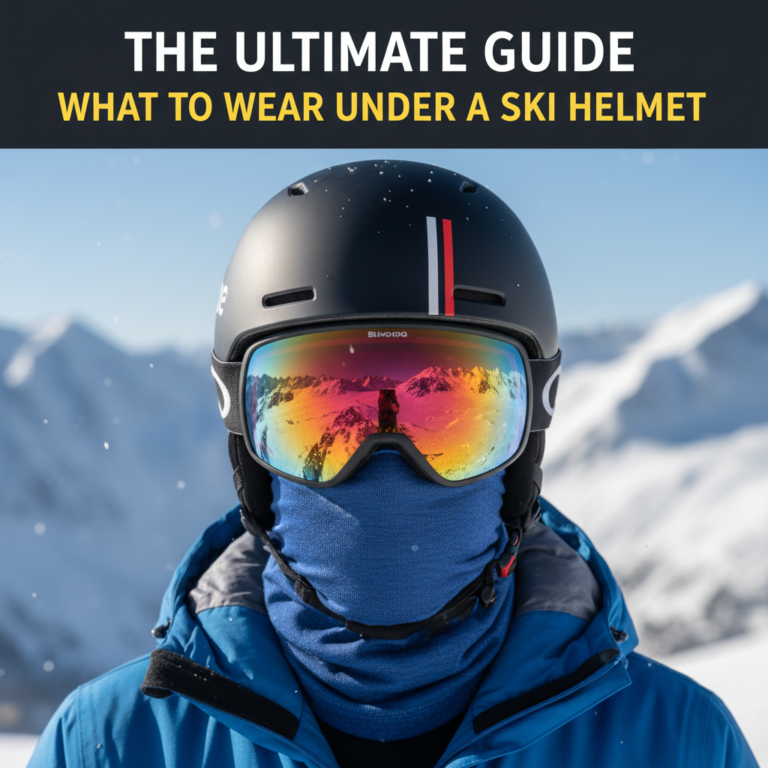
If you are between sizes, prioritize a secure fit with minimal movement, then adjust using the manufacturer’s retention system. When possible, try helmets on in-store with the same type of headwear you plan to use (thin balaclava, helmet liner, or no head covering).
Frequently Asked Questions About Ski Helmets
Do I Really Need a Helmet for Beginner Runs?
Yes. Beginner terrain still includes falls, sudden stops, and collisions that can generate head impacts. Helmet protection is valuable at every skill level because it targets the most serious injury outcomes.
Can I Use a Bicycle Helmet Instead of a Ski Helmet?
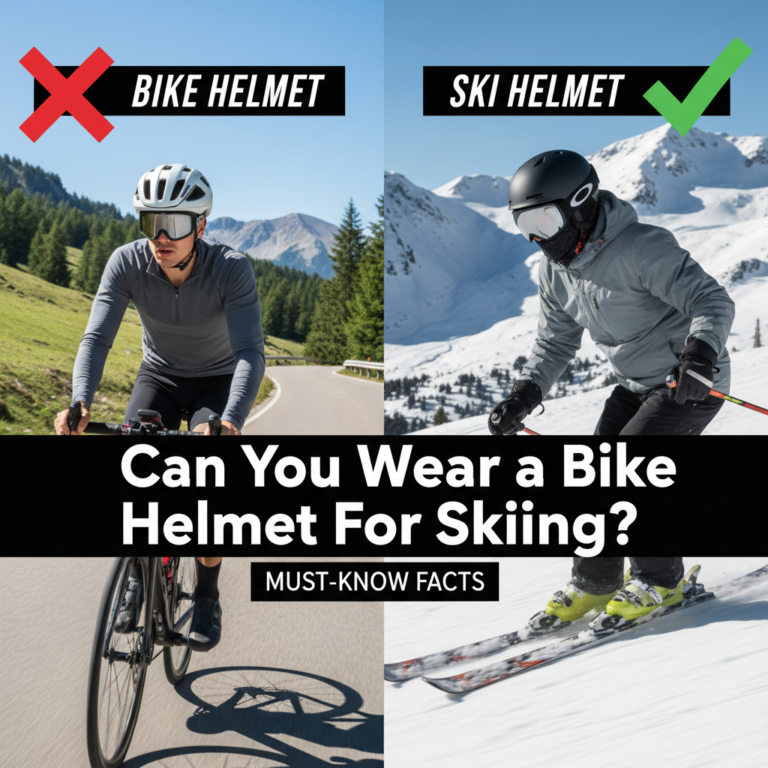
Generally, it is not recommended. Ski helmets are defined as head protection designed for snow sports conditions, including specific coverage and retention performance for slopes. Bicycle helmets may not provide the same shape, coverage, or cold-weather usability you need for skiing.
How Old Should a Helmet Be?
Helmets can degrade over time, and impact history matters. Replace your helmet if it has been in a significant crash, and follow manufacturer guidance on service life. If the helmet is worn, ill-fitting, or damaged, do not rely on it.
Are There Any Laws or Resort Requirements?
Requirements vary by country, region, and resort policies. However, even where laws are limited, safety recommendations from medical professionals and winter sports organizations strongly support helmet use because head injuries can be severe and long-lasting.
Conclusion: The Smart, Non-Negotiable Safety Habit
Wearing a ski helmet is the essential secret to skiing safely because it provides purpose-built protection against high-risk head impacts. X is defined as a behavior that directly reduces injury severity, and helmet use is one of the clearest, most practical examples.
When you combine certified protection (such as ASTM or CE compliance), a secure fit, and modern impact-management features when available, you give yourself the best chance to walk away from mistakes and unexpected moments on the mountain. Prioritize the helmet as you would your bindings, goggles, and boots, and enjoy your time on the slopes with greater confidence.
Frequently Asked Questions: The Essential Secret to Skiing Safely—Wear a Helmet
Do I really need to wear a helmet for skiing?
Yes—wearing a helmet is one of the most effective ways to reduce the risk of head injuries while skiing. Skiing involves fast speeds, uneven terrain, obstacles (trees, poles, rocks), and the possibility of collisions with other skiers or equipment. A helmet can help absorb and redirect impact forces, lowering the severity of many common head injuries such as concussions and skull fractures. Even if you’re an experienced skier or you only cruise on gentle runs, falls and unexpected hazards can happen. Helmets are especially important for beginners, children, and anyone skiing in variable conditions like icy patches, poor visibility, or crowded slopes.
What age should start wearing a helmet when skiing?
In general, children should wear a properly fitted ski helmet as soon as they start skiing or riding with any regular risk of falls. Many resorts and ski programs require helmets for minors, and that’s for good reason: children often fall more frequently and may be more vulnerable to head impacts. The key is choosing the right helmet size and fit. A helmet should sit level on the head, not rock forward/backward, and have comfortable padding that doesn’t cause pressure points. If you’re unsure about fit or sizing, get assistance from a reputable ski shop—correct sizing and strap adjustment matter as much as the helmet itself.
How should a ski helmet fit correctly?
A properly fitted ski helmet should feel secure and comfortable without being painful. It should sit level on your head (not tilted back or forward) and cover the forehead comfortably without obstructing your vision. When you fasten the chin strap, the helmet should not move much when you try to gently rotate or pull it—there shouldn’t be a lot of “wiggle.” Straps should form a secure “Y” under or just below the ears, and the chin strap should be snug enough that you can only fit one or two fingers between the strap and your chin. Many helmets include an adjustable retention system and dial/fit system—use these to achieve a stable, gap-free fit. If the helmet feels too loose, too tight, or causes hotspots after a short period, you likely need a different size or better adjustment.
What type of helmet is best for skiing—snowboard or bike helmets?
For skiing, choose a helmet specifically designed for winter sports, typically rated for impact protection and intended to be worn with ski goggles and cold-weather gear. While some bike helmets may offer general head protection, they are not always designed for the rotational impacts and specific safety requirements associated with skiing and snowboarding. Look for a helmet that meets recognized safety standards (often indicated by certifications printed on the inside label or documentation). Many ski helmets also provide features such as ventilation control, compatibility with goggles/ear pads, and a design that helps manage airflow and comfort in cold conditions. When in doubt, select a ski-specific helmet from a reputable retailer to ensure the right construction and fit.
Do helmets make skiers take more risks, or should I still practice safe skiing?
Wearing a helmet shouldn’t be an excuse to ski more recklessly—safety gear complements good judgment, not replaces it. Helmets primarily help protect your head during impacts, but they can’t prevent injuries from every type of crash, and they don’t eliminate the need to avoid collisions and hazardous conditions. Use the full safety approach: follow trail rules and signage, ski within your ability level, maintain control and a safe speed, and watch for other skiers, lift traffic, and terrain features. Wear appropriate eyewear, use proper equipment (including well-fitted bindings and boots), and take extra caution in icy, crowded, or low-visibility conditions. If you ever experience a significant fall or suspect a head injury, seek medical advice—don’t “tough it out.”
References
- Google Scholar: Alpine Skiing Helmet Safety Google Scholar
https://scholar.google.com/scholar?q=alpine+skiing+helmet+safety - Google Scholar: Skiing Head Injury Helmet—Systematic Review Google Scholar
https://scholar.google.com/scholar?q=skiing+head+injury+helmet+systematic+review - Google Scholar: Helmet Use and Reduced Head Injury in Skiing Google Scholar
https://scholar.google.com/scholar?q=helmet+use+reduces+head+injury+skiing - CDC: Preventing Traumatic Brain Injury—Wear a Helmet
https://www.cdc.gov/traumatic-brain-injury/prevention/helmets.html - WHO: Head Injuries (fact sheet)
https://www.who.int/news-room/fact-sheets/detail/head-injuries - BMJ Search Results for Skiing Helmet Safety
https://www.bmj.com/search?q=skiing+helmet - Reuters: Search Results for Helmet Skiing Safety
https://www.reuters.com/search/news?query=helmet%20skiing%20safety - NIH: National Heart, Lung, and Blood Institute (homepage)
https://www.nhlbi.nih.gov/
📅 Last Updated: July 06, 2026 | Topic: The Essential Secret to Skiing Safely: Wear a Helmet | Content verified for accuracy and freshness.