Is West Virginia a Helmet State? Must-Know Facts
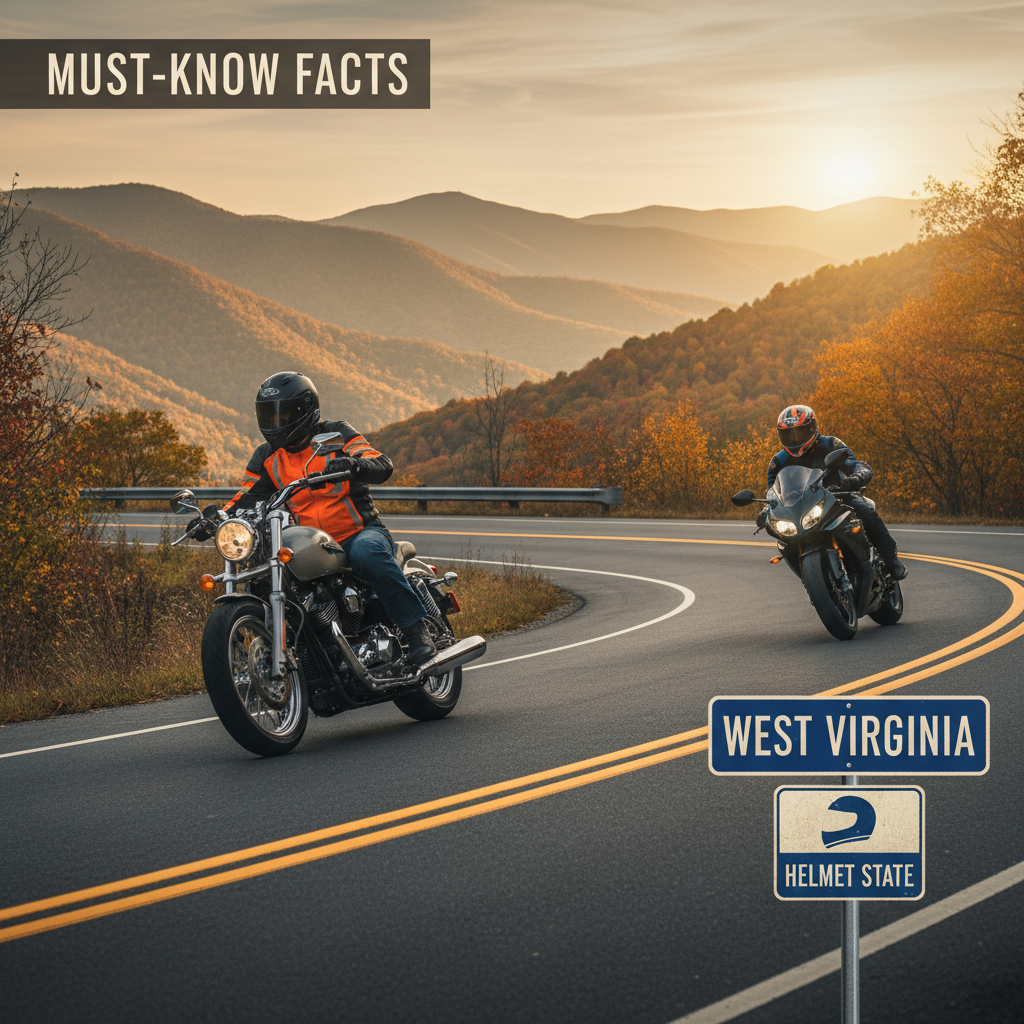
West Virginia is indeed a helmet state, as it mandates the use of helmets for all motorcycle riders. This law is designed to enhance safety and reduce fatalities on the roads. By enforcing helmet use, West Virginia aims to protect riders from severe injuries in the event of an accident. In this article, we will explore the details of West Virginia’s helmet laws, their implications, and what riders need to know.
Understanding West Virginia’s Helmet Law

In West Virginia, the law requires that all motorcycle operators and passengers wear helmets while riding. This regulation is in place to mitigate the risk of serious head injuries and fatalities associated with motorcycle accidents. The law applies to all riders, regardless of age or experience level, ensuring a uniform standard of safety across the state.
Violating this law can lead to fines and penalties. Riders caught without a helmet may face a citation and be subjected to a monetary penalty, which can vary depending on the circumstances. It’s crucial for motorcyclists to familiarize themselves with these regulations to avoid legal repercussions and ensure their safety on the road.
The Importance of Wearing a Helmet
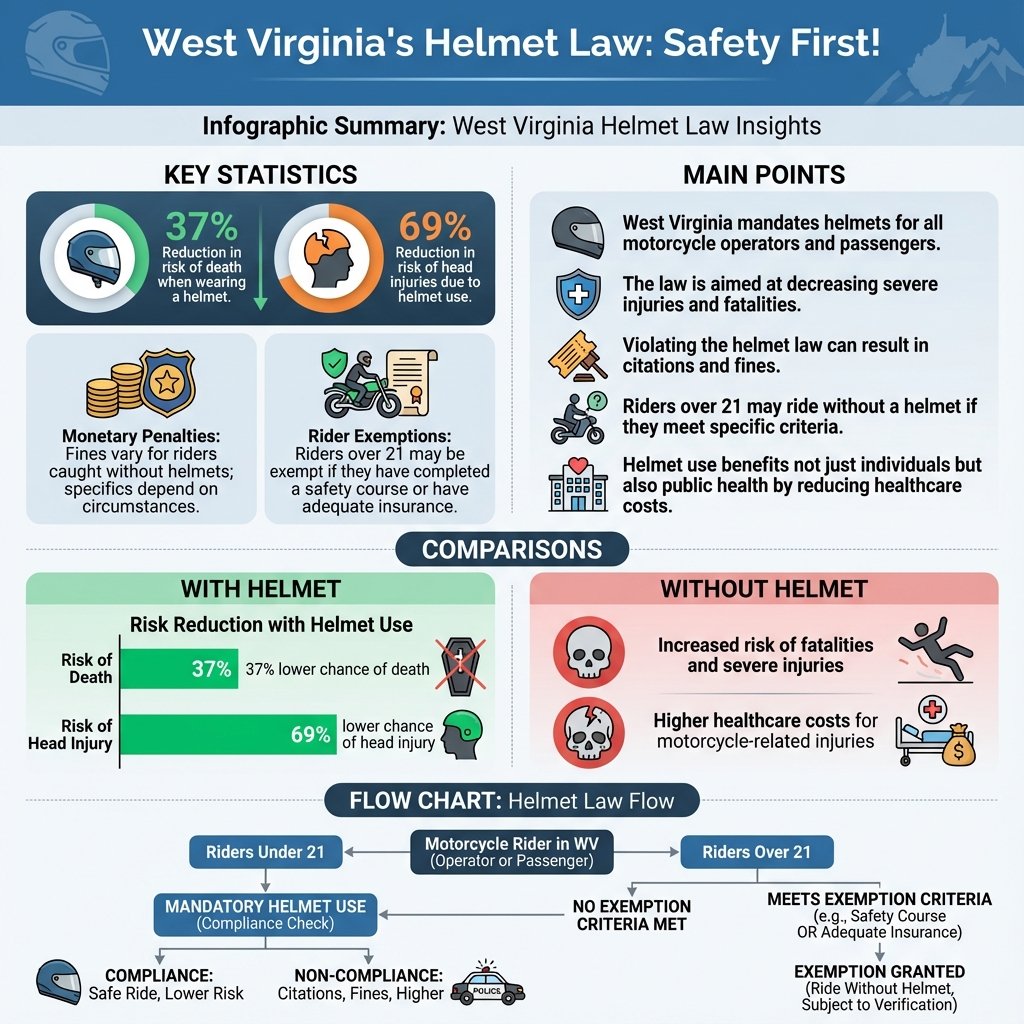

The significance of wearing a helmet cannot be overstated. Research consistently demonstrates that helmets are highly effective in reducing the risk of head injuries during motorcycle accidents. According to the National Highway Traffic Safety Administration (NHTSA), helmets reduce the risk of death by approximately 37% and the risk of head injury by 69%.
Beyond individual safety, helmet use has broader implications for public health. By reducing injuries, we decrease the financial burden on healthcare systems. The costs associated with treating motorcycle-related injuries can be astronomical, and mandatory helmet laws are a proactive measure to help minimize these expenses. Riders who wear helmets not only protect themselves but also contribute to the overall health of their communities.
Exceptions to the Helmet Law
While West Virginia has strict helmet laws, there are specific exceptions that some riders may qualify for. Riders over the age of 21 who have completed a motorcycle safety course or can provide proof of adequate insurance coverage may be exempt from the helmet mandate. This provision is designed to encourage responsible riding while still prioritizing safety.
Understanding these exceptions is crucial for compliance and safety. Riders should ensure that they meet the necessary criteria to ride without a helmet legally. It is advisable to carry documentation, such as a completion certificate from an approved safety course or proof of insurance, to avoid potential penalties.
The Impact of Helmet Laws on Rider Safety
The presence of helmet laws has a substantial impact on rider safety. States that enforce mandatory helmet use consistently report lower rates of motorcycle-related fatalities compared to those without such laws. For instance, according to studies, states with universal helmet laws experience nearly 50% fewer motorcycle deaths than those that allow riders to choose whether to wear a helmet.
Public health data supports the effectiveness of mandatory helmet use. The Centers for Disease Control and Prevention (CDC) has documented that states that repeal helmet laws see an increase in motorcycle fatalities, reinforcing the argument for maintaining strict regulations. By prioritizing helmet use, West Virginia aims to protect its riders and enhance overall road safety.
How to Choose the Right Helmet
Selecting the right helmet is essential for ensuring optimal protection. When choosing a helmet, riders should seek helmets that meet established safety standards, such as those set by the Department of Transportation (DOT) or the Snell Memorial Foundation. These certifications indicate that the helmet has undergone rigorous testing for safety and efficacy.
Fit and comfort are also critical factors in choosing a helmet. A well-fitting helmet should be snug but not overly tight, without any pressure points. Riders should try on multiple helmets to find one that feels comfortable and secure. Additionally, consider features such as ventilation, weight, and visor options, which can enhance the riding experience.
What to Do If You’re Pulled Over
If you find yourself pulled over for a helmet law violation, it is important to know your rights and understand the possible consequences. Officers may issue citations for failing to wear a helmet, and it’s crucial to remain calm and cooperative during the encounter.
Have your documentation ready, particularly if you qualify for any exemptions. Being prepared can help facilitate a smoother interaction with law enforcement. Additionally, consider consulting with a legal professional if you believe you were improperly cited or if you wish to contest a citation.
Resources for West Virginia Motorcycle Riders
Several organizations offer valuable resources for motorcycle riders in West Virginia. The West Virginia Motorcycle Safety Program provides training courses aimed at improving rider skills and safety awareness. These courses are not only beneficial for new riders but can also help experienced motorcyclists refine their skills.
Local motorcycle clubs and advocacy groups also play a crucial role in promoting safety and awareness. They often provide resources, organize events, and keep members updated on local laws and helmet regulations. Engaging with these organizations can enhance your knowledge and help foster a safer riding community.
Wearing a helmet while riding in West Virginia is not just a legal requirement but a vital safety measure. Understanding the law, its benefits, and how to comply can help protect you and enhance your riding experience. For more information on safety practices and local regulations, consider reaching out to motorcycle safety organizations in your area. By prioritizing safety and adhering to the laws, riders can contribute to safer roads for everyone.
References
- https://en.wikipedia.org/wiki/Motorcycle_helmet_law_in_the_United_States
- https://www.nhtsa.gov/road-safety/motorcycle-safety
- https://www.cdc.gov/motorvehiclesafety/motorcycle/index.html
- https://www.helmets.org/
- https://www.wv.gov/Pages/default.aspx
- https://www.wvlegislature.gov/legisdocs/2019/RS/final/House/HB2164%20ENR.pdf
- https://www.americanmotorcyclist.com/helmet-law-summary/