The Essential Guide: How Often to Replace Your Ski Helmet
How often should you replace your ski helmet?
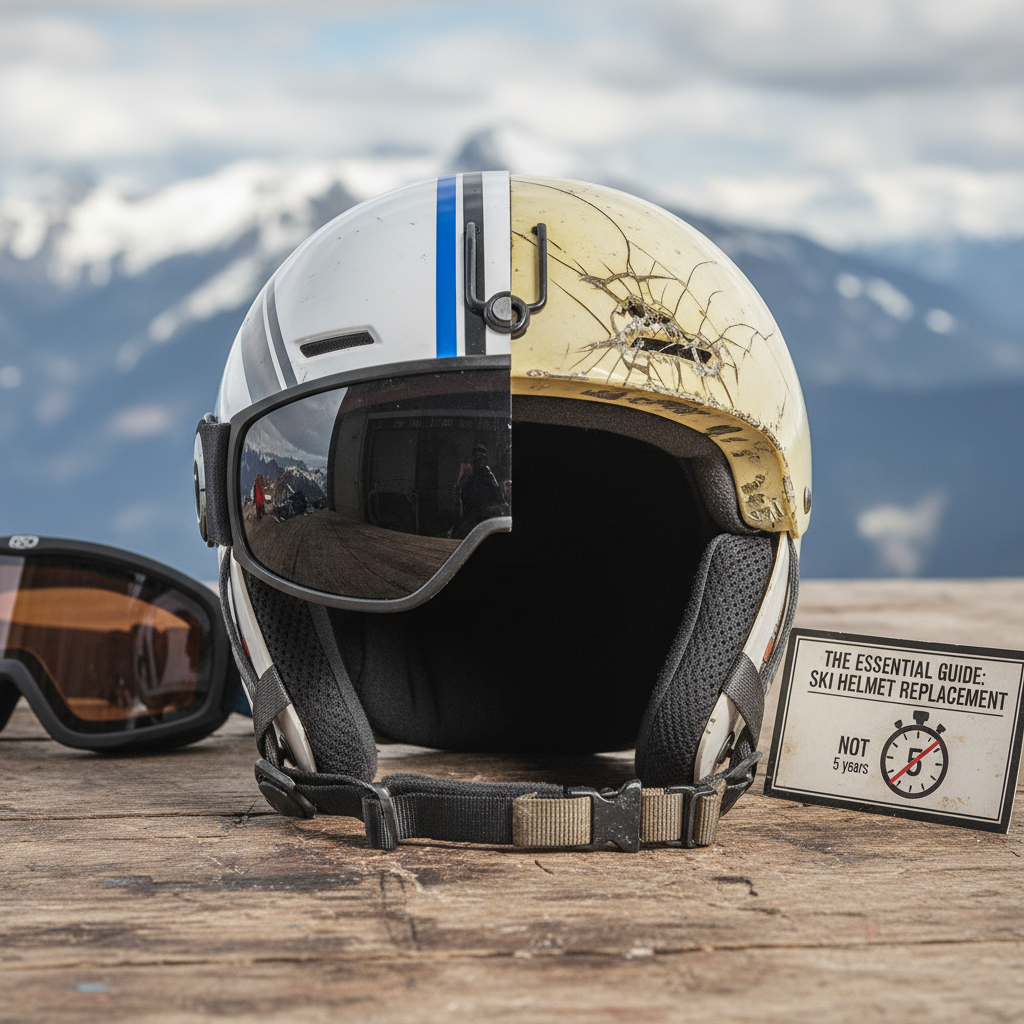
In most cases, you should replace your ski helmet every 3 to 5 years, and you should replace it immediately after any significant impact. This schedule helps maintain reliable protection as helmet materials age, degrade, and absorb energy over time.
Why ski helmets don’t last forever
Ski helmets are engineered to protect your head by managing impact forces, but their protective performance can decline after repeated stress or over time. The key difference is that a helmet’s ability to absorb energy can weaken even when it looks fine externally.
What a ski helmet is designed to do
A ski helmet is defined as an impact-protective head system that combines an outer shell and an energy-absorbing liner to reduce the risk of head injury during a crash. Most helmets use foams and structural elements that deform under load, then may not fully return to their original condition after a hard hit.
Common degradation factors on the slopes
Even without crashes, ski helmets face conditions that can reduce long-term performance. UV exposure, moisture, temperature swings, and storage practices all contribute to material aging.
- UV radiation: Prolonged sunlight can weaken polymer components and the outer shell finish.
- Temperature cycling: Repeated freezing and warming can affect foam structure and adhesive bonds.
- Moisture and sweat: Humidity can accelerate deterioration and create unpleasant odors or mold if helmets are stored wet.
- Friction and abrasion: Straps, goggles, and contact with hard surfaces wear down external materials over time.
When “3 to 5 years” is a baseline, not a guarantee
The widely cited 3 to 5 year replacement window is a practical guideline under normal use, but it varies by helmet design, how you ski, and how you care for the gear. For example, a racer who trains frequently and sees more frequent falls may need a shorter cycle than a weekend skier.
Direct answer: replace your ski helmet after an impact
If your helmet experiences a significant impact, replace it right away, even if there are no visible cracks. Many of the strongest safety recommendations are based on the principle that the energy-absorbing structure may have been permanently deformed.
What counts as a “significant impact”?
A significant impact is defined as a crash severe enough to potentially compress the helmet’s liner or transfer meaningful force to the head. While every manufacturer’s guidance matters, common indicators include:
- Any fall where you hit your head, especially with a hard or uneven surface
- Impacts that leave new dents, deep scratches, or cracks
- Events where your helmet shifts position significantly during the crash
- Any incident where you feel disoriented, experience headache, or have concussion symptoms
Concussion safety is a separate issue
Helmet replacement supports structural safety, but it does not eliminate concussion risk. If you suspect concussion symptoms after a crash (headache, nausea, confusion, dizziness, blurred vision), seek medical evaluation immediately.
Helmet replacement schedule by skiing frequency
Your replacement timing should reflect how often you ski and how intensely you ride. The key difference is that high-frequency use increases both impact likelihood and material fatigue.
How often should frequent skiers replace helmets?
For many athletes who ski multiple days per week, a closer-to-3-year plan is often more appropriate. Frequent use increases exposure to moisture, UV, temperature changes, and strap friction.
How long can casual skiers go between replacements?
If you ski infrequently and store your helmet properly, you may extend use toward the 5-year mark, assuming there is no damage and the helmet still fits securely. Fit quality matters because protection depends on correct placement and stability on your head.
Quick decision rule you can use today
Use this practical approach to plan replacement:
- 3 years: Frequent skier (multiple days weekly), high-performance terrain, or recurring hard landings
- 4 years: Moderate skier with consistent use
- 5 years: Infrequent skier with careful storage and no impacts
Ski Helmet Replacement Timing by Typical Season Use
| # | Skiing profile | Season days | Typical terrain | Expected safe lifespan | Impact checks per season | Safety confidence |
|---|---|---|---|---|---|---|
| 1 | Low-frequency visitor | 1–5 | Cruising blues/greens | 4–5 years | 1–2 | ★★★★ |
| 2 | Occasional resort skier | 6–10 | Mixed blues + light blacks | 4 years | 2–3 | ★★★★ |
| 3 | Weekend regular | 11–18 | Steady blacks and trees | 3–4 years | 3–4 | ★★★☆ |
| 4 | Moderate all-mountain skier | 19–25 | All-mountain, occasional jumps | 3–4 years | 4–5 | ★★★ |
| 5 | Frequent trainer | 26–35 | Groomers + high-speed laps | 3 years | 5–7 | ★★★ |
| 6 | Park & terrain athlete | 12–20 | Jumps/rails (multiple sessions) | 2.5–3 years | 5–8 | ★★☆ |
| 7 | High-impact backcountry skier | 8–15 | Variable snow + rocks/trees | 2.5–3 years | 4–6 | ★★☆ |
Visible damage and degraded fit are strong warning signs that your helmet may not protect as intended. Replace the helmet if you notice these issues because protective liners and structural elements may be compromised even if damage seems minor.
Visible damage you can’t ignore
After any crash, inspect the helmet closely in good lighting. Replace it if you observe:
- Cracks in the outer shell or around vents
- Deep dents or deformations
- Significant scratches that expose structural layers
- Broken or loose hardware components (strap anchors, buckles, vents)
Fit and comfort changes that affect protection
A helmet that no longer fits snugly can shift during a fall, reducing protection. Replace it when:
- The helmet feels loose, even after tightening the retention system
- The internal padding has compressed and no longer cushions your head
- Straps don’t hold at the right tension or the chin strap no longer positions correctly
- Your helmet sits too high, too low, or tilts easily
Odor, moisture, and liner deterioration
Excessive odor can be more than unpleasant; it may indicate trapped moisture. If the liner shows persistent dampness, staining, or deterioration that cleaning cannot resolve, replacement may be the safest option.
Do MIPS and modern technologies change replacement timing?
Systems such as MIPS can improve rotational impact management, but they do not make a helmet “indestructible.” The key difference is that adding protective layers can help with certain crash mechanics, while aging and post-impact deformation still apply.
What MIPS is defined as
MIPS is defined as a Multi-directional Impact Protection System designed to help reduce rotational forces by allowing limited movement between the head and helmet during certain impacts. A MIPS-equipped helmet may offer additional benefits in the right crash scenario, but you should still replace it after significant impacts and follow the same general lifespan guidance.
Other common safety features
- EPS/foam liners: Energy-absorbing components that can compress permanently
- Multi-density structures: Designed to manage force across impact zones
- Adjustable retention systems: Improve fit, which supports the helmet’s protective design
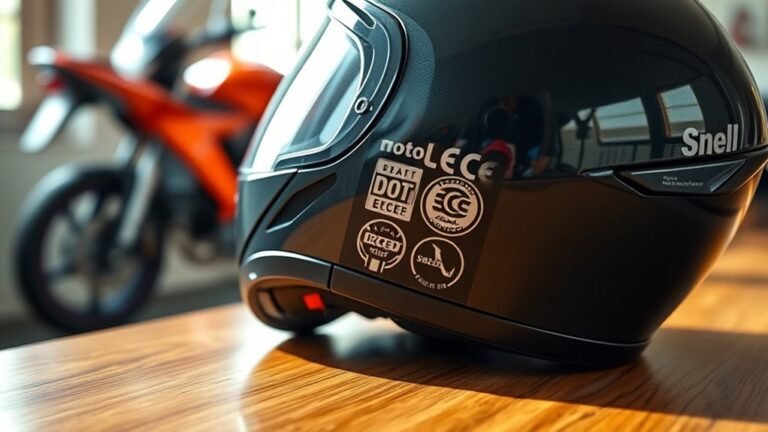
Safety certifications: what to look for when buying a replacement
When replacing your helmet, choose models that meet recognized safety standards and include current compliance information. Certifications help you compare safety performance across brands and models.
Common standards used in ski helmet safety
Safety standards vary by region, but widely recognized testing frameworks include European and international approaches. In the ski market, many helmets are designed to meet standards such as:
- ASTM F2040 (widely referenced in North America for snow sports helmets)
- EN 1077 (a common European helmet safety standard for alpine skiing)
- EN 1078 (often used in contexts like cycling and sometimes relevant for certain ski or similar helmets, depending on design and compliance)
Note: Always check the helmet’s label, manufacturer documentation, and compliance markings for the exact standard it meets, because requirements can differ by helmet type and region.
Where to verify certification information
Look for compliance markings on the helmet interior label and in the product documentation. If information is unclear or missing, choose another model with transparent testing details.
How to extend helmet life safely (without taking unnecessary risks)
You can extend the usable lifespan of your helmet by reducing wear and keeping materials in good condition. However, maintenance cannot restore protection after an impact.
Storage and cleaning best practices
- Dry it fully: Air-dry after use before storing, especially if the liner is damp.
- Avoid heat exposure: Do not leave helmets on car dashboards or near heaters.
- Use gentle cleaning: Wipe the shell and clean liners according to the manufacturer’s instructions.
- Store away from UV: Keep out of direct sunlight when possible.
- Handle the straps carefully: Avoid overstretching retention components.
Keep your helmet’s fit reliable
Check fit seasonally. If your helmet requires constant adjustment or the padding compresses quickly, plan to replace it sooner rather than later.
Frequently asked questions about replacing ski helmets
Should I replace a ski helmet if I dropped it on the floor?
In many cases, a minor drop from a short distance without head impact and without damage may not require replacement. However, if the drop causes deformation, cracking, or a change in fit, treat it as a potential impact and replace the helmet.
Is it safe to replace only the liner or padding instead of the full helmet?
Replacing liners and pads can improve comfort, but it does not always restore original impact performance if the helmet shell or energy management components have been compromised. Many manufacturers recommend replacing the entire helmet after significant impacts because the protective system is a matched design.
How do I know the “manufacture date” of my helmet?
Manufacture dates are often printed on an interior label or stamped near the retention system. If you can’t find a date, contact the manufacturer with your helmet’s model number. When exact timing is unclear, it is safer to replace the helmet if it is within the typical end-of-life window or shows any damage.
What about kids’ ski helmets—do they need more frequent replacement?
Children’s helmets often require replacement more often due to faster growth and fit changes. If the helmet no longer fits securely, it should be replaced regardless of age.
Should I replace a helmet if it’s older than 5 years but looks new?
Many experts recommend replacement after the 5-year mark due to aging of foam and structural components, even if the helmet appears undamaged. If you cannot confirm it has remained free of impacts and has been stored under good conditions, replacing is the more risk-aware choice.
Bottom line: a trusted replacement plan
Your safest approach is to combine time-based replacement with impact-based replacement. Replace your ski helmet every 3 to 5 years under normal use, and replace it immediately after any significant impact or if the fit and materials show signs of compromise.
If you want a simple rule to remember: age affects performance, impact can permanently change the protective system, and fit determines how well the helmet stays in position when it matters most.
Frequently Asked Questions: How Often to Replace Your Ski Helmet
How often should I replace my ski helmet?
Most ski and snowboard helmet manufacturers recommend replacing your helmet every 3 to 5 years with normal use. However, the best timeline depends on factors like how often you ski, how the helmet is stored, exposure to heat and sun, and whether it has experienced any impact. Even within that range, you should replace your helmet sooner if it’s been in a crash, shows visible damage, fits poorly, or the internal foam has degraded. If you’re unsure, check the specific replacement guidance from the brand and consult their website or manual.
Do I need to replace my ski helmet after a crash?
Yes—if your helmet has taken a significant impact, you should replace it. Many helmet designs are engineered so that the protective foam or energy-diffusion components absorb force during a crash, even if there’s no visible exterior damage. That energy absorption can compromise the helmet’s ability to protect you in a future fall. If the helmet was involved in a fall or collision, treat it as impacted and follow the manufacturer’s instructions—most advise replacing after any crash that causes the helmet to take a hard hit.
What signs mean it’s time to replace my ski helmet?
Replace your ski helmet if you notice any of the following:
- Cracks, dents, or deformation to the outer shell or internal components.
- Loose or separated parts, including damaged straps, broken buckles, or compromised padding.
- Unusual odors or sticky/crumbly padding, which may indicate foam degradation.
- Reduced or inconsistent fit—for example, if it no longer sits level, you feel gaps, or it fails to stay securely in place.
- Visible wear on the EPS/foam (if accessible) or any evidence of significant impact.
- Age-related concerns—even without a crash, many helmets should be replaced after about 3 to 5 years (or sooner if the manufacturer says so).
Does ski helmet replacement depend on age or on mileage (frequency of use)?
It depends on both. A ski helmet’s protective materials can degrade over time due to heat, sunlight (UV exposure), sweat, and normal aging, regardless of how many runs you take. At the same time, more frequent skiing increases the likelihood of impacts—again raising the chance you’ll need a replacement sooner. That’s why a typical guideline of 3 to 5 years is often used for regular use. If you ski only occasionally but store your helmet improperly (e.g., in a hot car), degradation may happen faster. Conversely, if you ski frequently but keep the helmet in good condition and haven’t had any impacts, you may be closer to the upper end of the manufacturer’s recommended range.
How should I store and maintain my ski helmet to extend its lifespan?
Proper storage and gentle maintenance can help preserve your helmet’s fit and protective performance:
- Avoid heat: Don’t leave your helmet in hot cars, near radiators, or in direct sun for long periods.
- Store cool and dry: Keep it in a breathable bag or on a shelf away from moisture.
- Clean carefully: Wipe the exterior with mild soap and water when needed. Use manufacturer-approved cleaning instructions for pads and liners.
- Don’t use solvents or harsh chemicals that can damage foam or plastics.
- Let it dry fully after use (especially after sweaty days) to prevent odors and liner breakdown.
- Check the fit regularly: Straps should be secure, buckle hardware should function smoothly, and the helmet should sit level.
- Don’t drop it: Avoid impacts during everyday handling—dropping a helmet can compromise the shell or internal foam.
References
- PubMed Search: Helmet Replacement After Impact Google Scholar
https://pubmed.ncbi.nlm.nih.gov/?term=helmet+replacement+after+impact - Google Scholar Search: Ski Helmet Replacement Interval Google Scholar
https://scholar.google.com/scholar?q=ski+helmet+replacement+interval - Google Scholar Search: Helmet Replacement Recommendations After Crash Google Scholar
https://scholar.google.com/scholar?q=helmet+replacement+recommendations+after+crash - Ski helmet
https://en.wikipedia.org/wiki/Ski_helmet - Bicycle Helmets: Choosing and Using Correctly (CPSC)
https://www.cpsc.gov/Safety-Education/Safety-Guides/Bicycling/Bicycle-Helmets - Bicycle Safety (NHTSA)
https://www.nhtsa.gov/road-safety/bicycle-safety - Preventing Traumatic Brain Injury: Helmet Safety (CDC)
https://www.cdc.gov/traumatic-brain-injury/prevention/helmets.html - Helmet (Headgear) (Britannica)
https://www.britannica.com/technology/helmet
📅 Last Updated: July 06, 2026 | Topic: The Essential Guide: How Often to Replace Your Ski Helmet | Content verified for accuracy and freshness.