The Ultimate Secret to Clean Motorcycle Helmet Pads!
To clean motorcycle helmet pads effectively, start by removing them from the helmet and using a gentle detergent mixed with water. Regular maintenance not only prolongs the life of your helmet but also ensures a comfortable and hygienic riding experience. In this guide, we’ll walk you through the essential steps and tips to keep your helmet pads in top condition, allowing you to enjoy every ride without discomfort or health concerns.
Why Clean Your Helmet Pads?
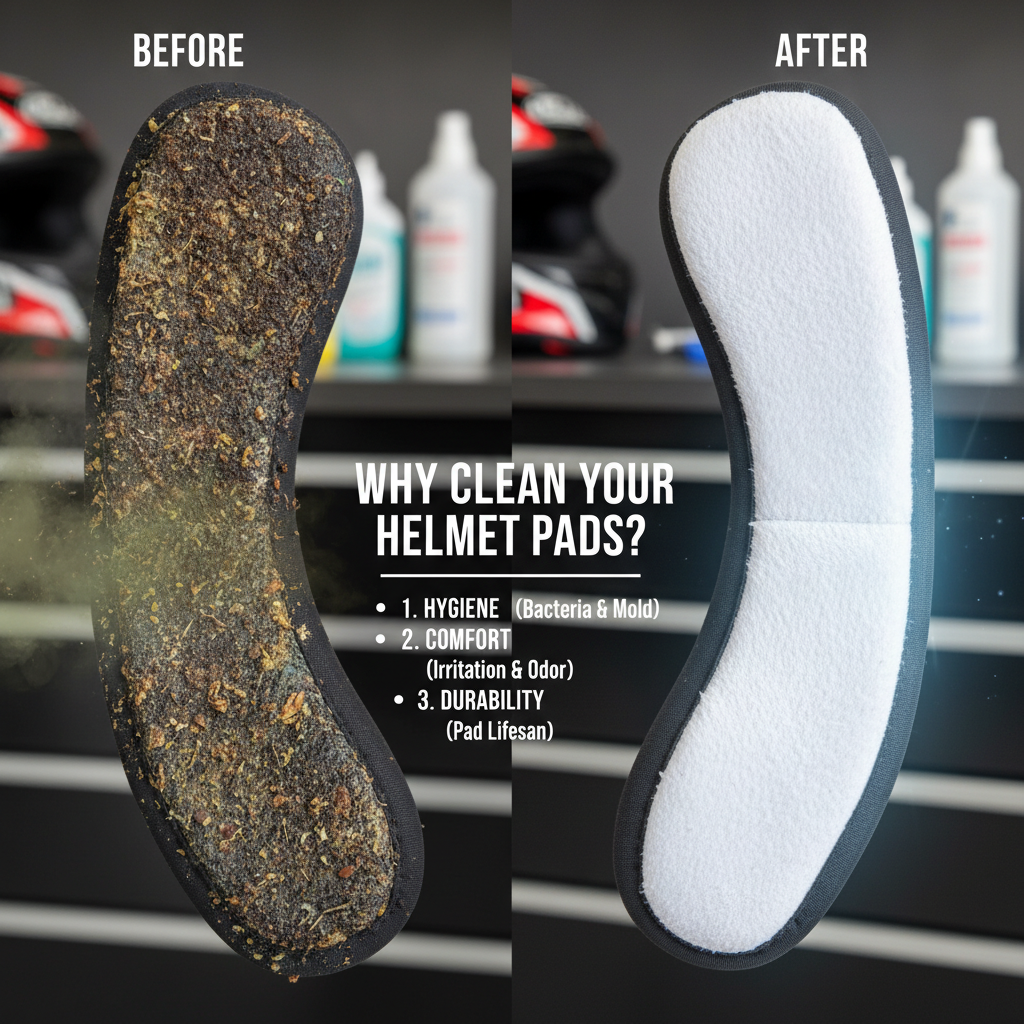
Motorcycle helmet pads are vital components that directly influence your comfort and safety while riding. One of the primary reasons to clean your helmet pads is to prevent odor buildup caused by sweat, skin oils, and bacteria. Over time, these substances can accumulate, leading to unpleasant smells that can be distracting and uncomfortable during rides. Moreover, a dirty helmet can also harbor bacteria, which may pose health risks, especially during prolonged use.
Enhanced comfort is another significant reason to keep your helmet pads clean. Clean pads conform better to your head, providing a snug fit that minimizes distractions and discomfort. This is particularly important for long rides, where even the slightest irritation can become a significant issue. By maintaining clean helmet pads, you ensure a more enjoyable riding experience, allowing you to focus on the road ahead.
Tools You’ll Need


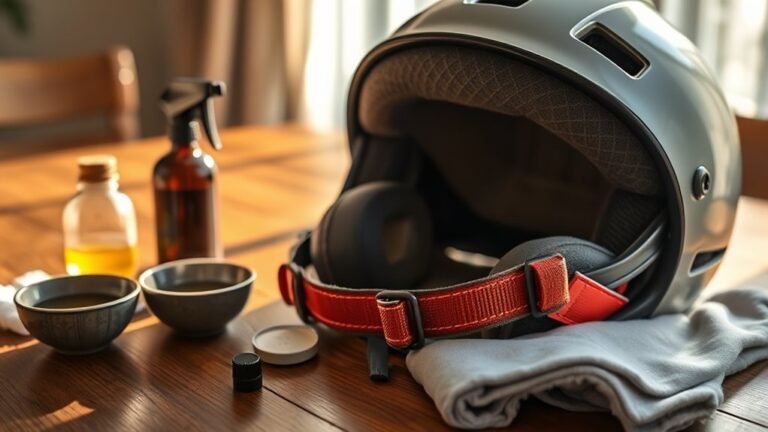
Before embarking on the cleaning process, gather the necessary tools to ensure a thorough job. Here’s what you will need:
– Mild detergent or helmet-specific cleaner: A gentle cleaning solution is crucial to avoid damaging the materials of the pads. Products specifically designed for helmet care are ideal.
– Soft brush or cloth for scrubbing: Use a soft-bristled brush or a microfiber cloth to gently scrub the pads without causing damage. It’s essential to choose materials that won’t scratch or wear down the padding.
– A bowl of warm water for rinsing: Warm water helps to dissolve dirt and grime more effectively than cold water, making the cleaning process easier and more efficient.
Having these tools ready will streamline your cleaning process and ensure that your helmet pads receive the care they need.
Step-by-Step Cleaning Process
Cleaning motorcycle helmet pads is a straightforward process that can be accomplished in just a few steps:
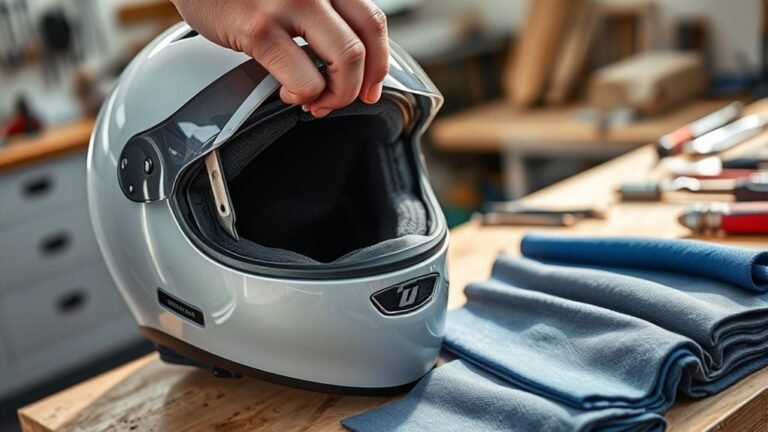
1. Gently remove the pads from the helmet: Most helmets have removable padding for easy maintenance. Consult your helmet’s manual if you are unsure how to remove the pads properly to avoid damaging them.
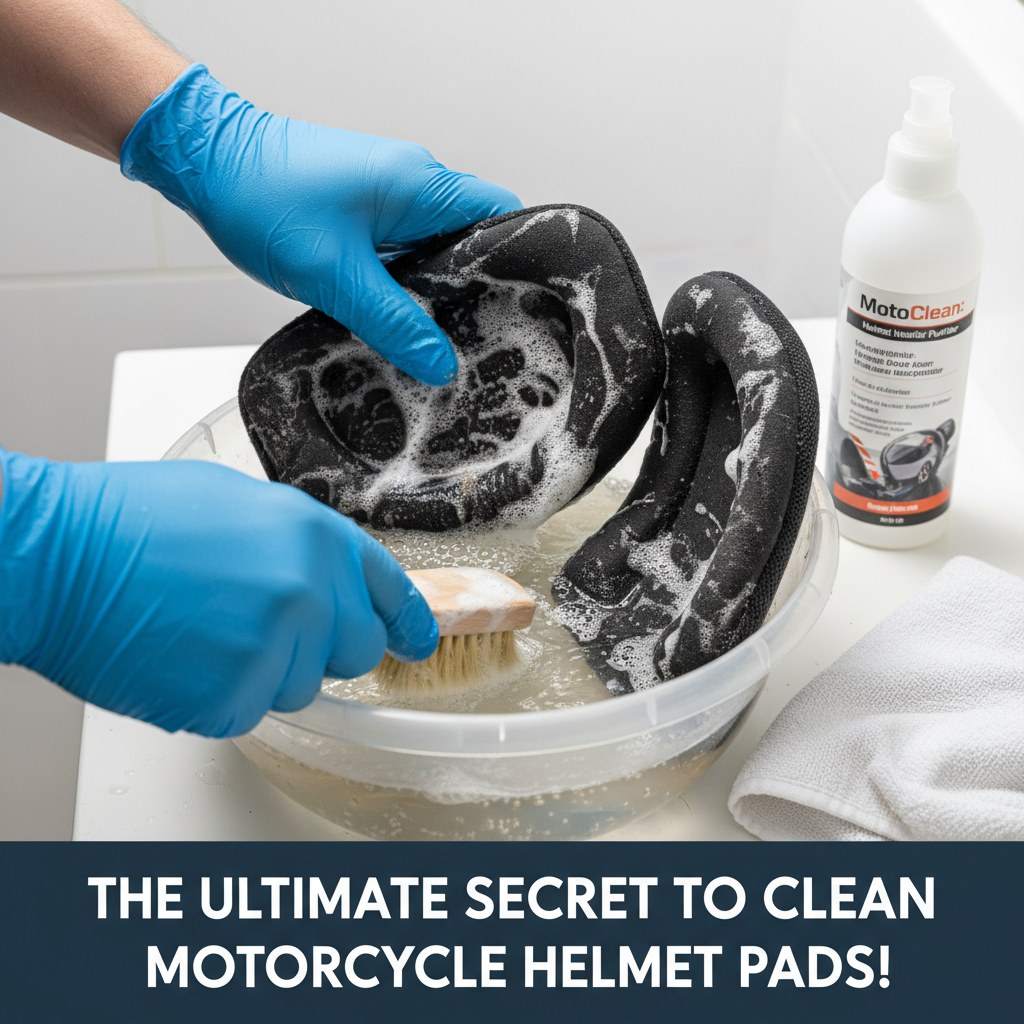
2. Soak the pads in the warm, soapy water for 10-15 minutes: Fill a bowl with warm water and add a few drops of mild detergent or helmet cleaner. Submerge the pads in the solution, allowing them to soak for 10-15 minutes. This soaking period helps to loosen any trapped dirt and grime.
3. Scrub the pads gently: After soaking, use the soft brush or cloth to scrub the pads lightly. Focus on areas that show signs of heavy dirt or stains, but avoid aggressive scrubbing, which can damage the fabric.
4. Rinse thoroughly: Rinse the pads under cool running water to remove all soap residue. It’s essential to ensure that no detergent remains, as this can irritate your skin during future use.
Rinsing and Drying Techniques
Proper rinsing and drying techniques are crucial to maintaining the integrity of your helmet pads:
– Rinse thoroughly under cool running water: Ensure that all soap is washed away by thoroughly rinsing the pads under cool running water. This step is vital, as any residual soap can cause irritation during wear.
– Air dry completely in a well-ventilated area, avoiding direct sunlight: After rinsing, gently shake off excess water and lay the pads flat on a clean, dry towel. Allow them to air dry in a well-ventilated area, but keep them out of direct sunlight. Sunlight can degrade the materials over time and may lead to premature wear.
By following these drying techniques, you can help to preserve the quality of your helmet pads and extend their lifespan.
Tips for Maintaining Helmet Pads
Maintaining your helmet pads doesn’t end with a thorough cleaning. Implementing a few simple habits can help ensure they stay in optimal condition:
– Regularly wipe down the pads with a damp cloth after every ride: A quick wipe-down with a damp cloth can prevent the buildup of sweat and oils between deep cleans. This can significantly reduce odors and keep the pads fresher for longer.
– Store the helmet in a cool, dry place to prevent mildew: When not in use, store your helmet in a dry, well-ventilated area. Avoid places with high humidity or extreme temperatures, as these conditions can encourage the growth of mildew and bacteria.
Incorporating these maintenance tips into your routine will help keep your helmet pads clean and comfortable, ensuring a better riding experience.
Common Mistakes to Avoid
While cleaning helmet pads may seem straightforward, certain common mistakes can undermine your efforts:
– Using harsh chemicals that can damage the pads: Avoid using bleach, solvents, or abrasive cleaners, as these can deteriorate the materials and affect the protective qualities of the helmet. Stick to mild detergents or helmet-specific cleaners for safe and effective cleaning.
– Skipping the drying process, which can lead to odor and mold: It may be tempting to use a hairdryer or other heat sources to speed up the drying process, but this can damage the padding. Always allow pads to air dry completely to prevent moisture buildup, which can lead to unpleasant odors and mold growth.
By being mindful of these common pitfalls, you can ensure that your cleaning efforts yield the best results.
When to Replace Your Helmet Pads
Despite your best cleaning efforts, there may come a time when replacing your helmet pads becomes necessary. Look for the following signs:
– Signs of excessive wear or damage: If you notice fraying, tears, or significant thinning in the padding, it is time to consider replacement. Compromised pads can affect the fit and safety of your helmet.
– Persistent odors that cleaning does not eliminate: If cleaning fails to remove odors or if you continually notice unpleasant smells, it may indicate that the padding has absorbed too much sweat and bacteria, necessitating a replacement.
Regular inspections of your helmet pads can help determine when it’s time to invest in new ones, ensuring your helmet remains safe and comfortable.
Keeping your motorcycle helmet pads clean is crucial for your health and comfort while riding. By following these simple steps and tips, you can ensure that your helmet remains fresh and functional. Make cleaning and maintaining your helmet pads a regular part of your riding routine to enhance your overall experience. Remember, a clean helmet not only contributes to your comfort but also plays a vital role in your safety on the road.
References
- https://www.nhtsa.gov/equipment/motorcycle-helmets
- https://www.cdc.gov/motorvehiclesafety/motorcycle/index.html
- https://www.helmets.org/
- https://www.ama-cycle.org/
- https://www.researchgate.net/publication/318574196_Motorcycle_helmet_cleaning_and_care
- https://www.safecar.gov/
- https://www.asec.org/helmet-care
- https://www.nhtsa.gov/road-safety/motorcycles