The Ultimate Guide to Finding Your Perfect Helmet Size
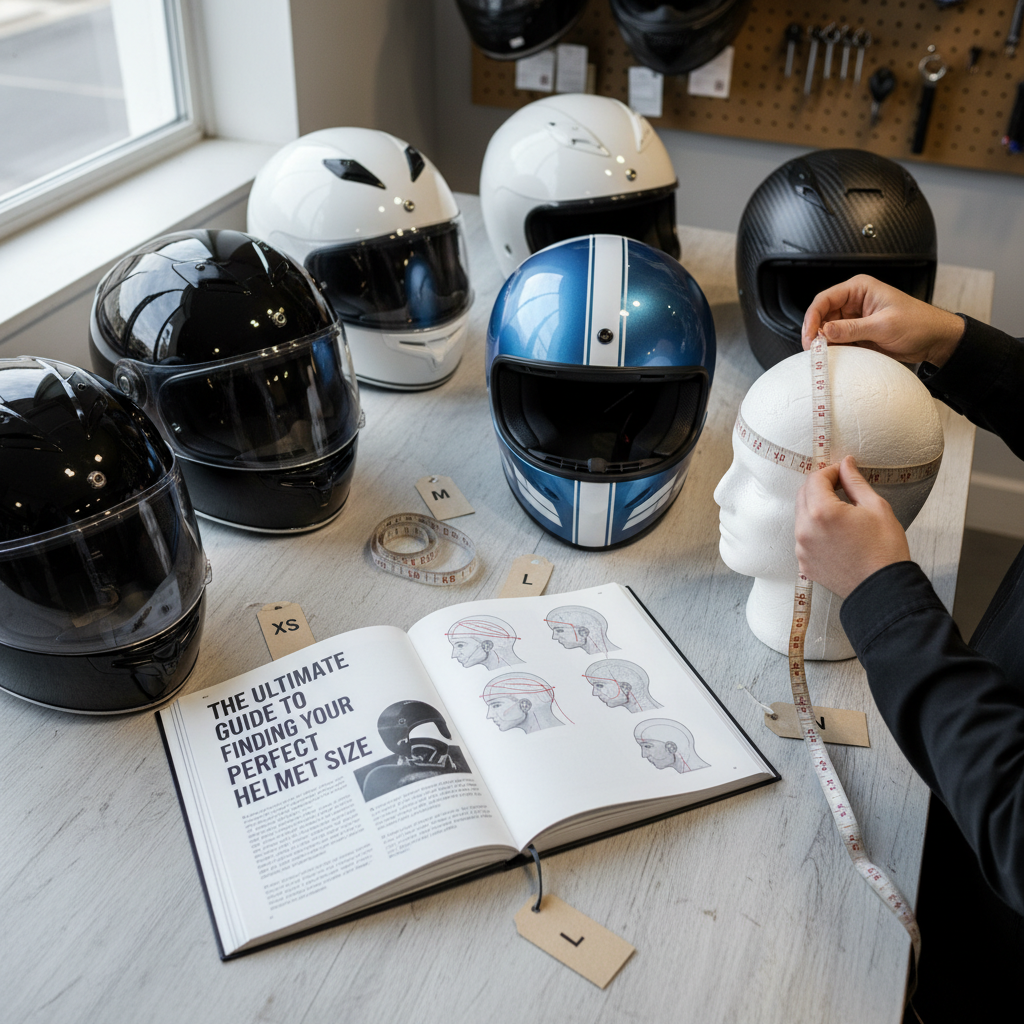
To know your helmet size, measure the circumference of your head just above your ears using a flexible tape measure. This measurement in inches or centimeters will help you identify the right size according to the manufacturer’s sizing chart. A properly fitted helmet is essential for safety during any activity, whether it’s cycling, motorcycling, or skating. In this guide, we will explore the critical steps and tips to ensure that you find the perfect helmet size for your needs.
Understanding Helmet Sizing
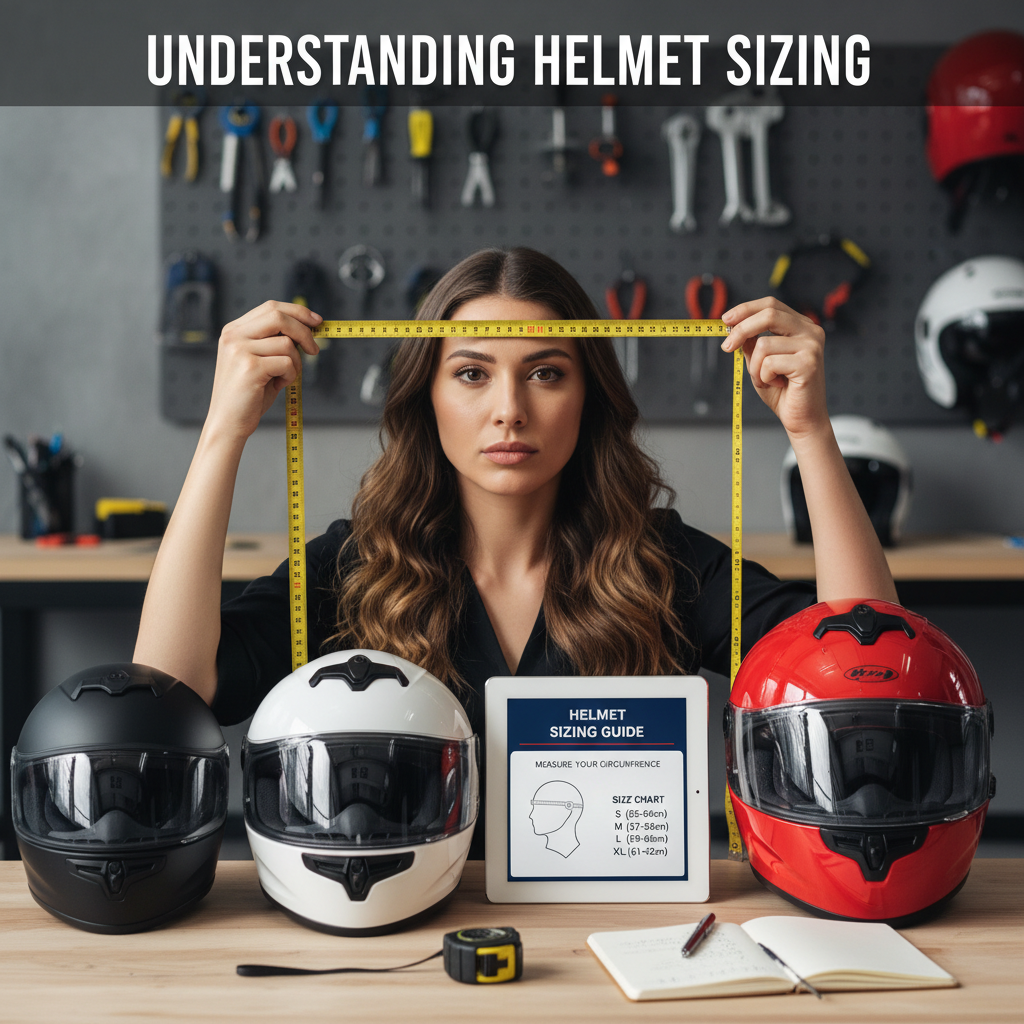
Helmet sizes typically range from small to extra-large, but every brand may have different measurements. For instance, a size medium in one brand might differ significantly from a size medium in another. It’s crucial to understand that there is no universal standard for helmet sizing, which is why each manufacturer provides its own sizing chart. When looking for a helmet, check the specific chart for the brand you are interested in. This will allow you to accurately match your head circumference with the appropriate size, ensuring both comfort and security.
Additionally, some brands may offer unique sizing options, such as “long oval” or “round,” which cater to specific head shapes. Knowing your head shape can further refine your search for the perfect helmet. Always take your time to understand these nuances to avoid the common pitfalls associated with improper helmet sizing.
Measuring Your Head Correctly
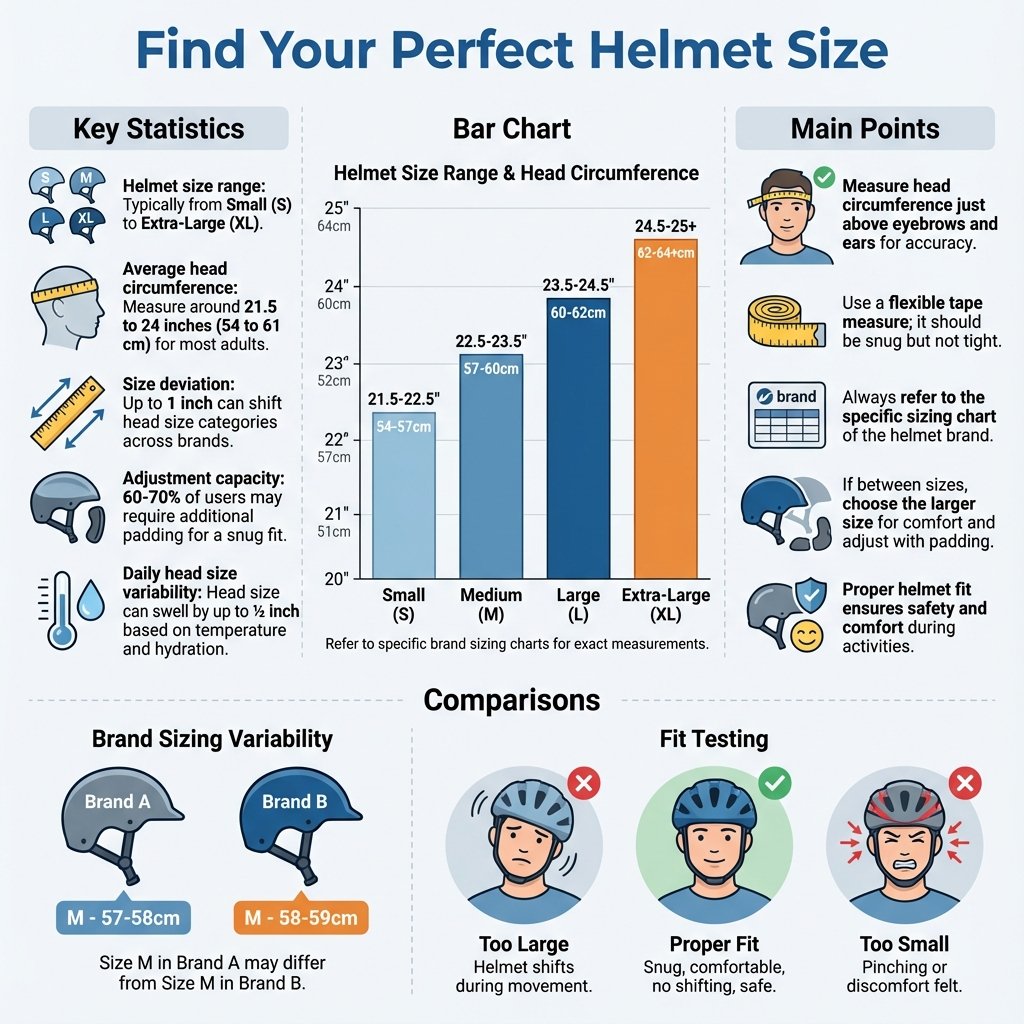
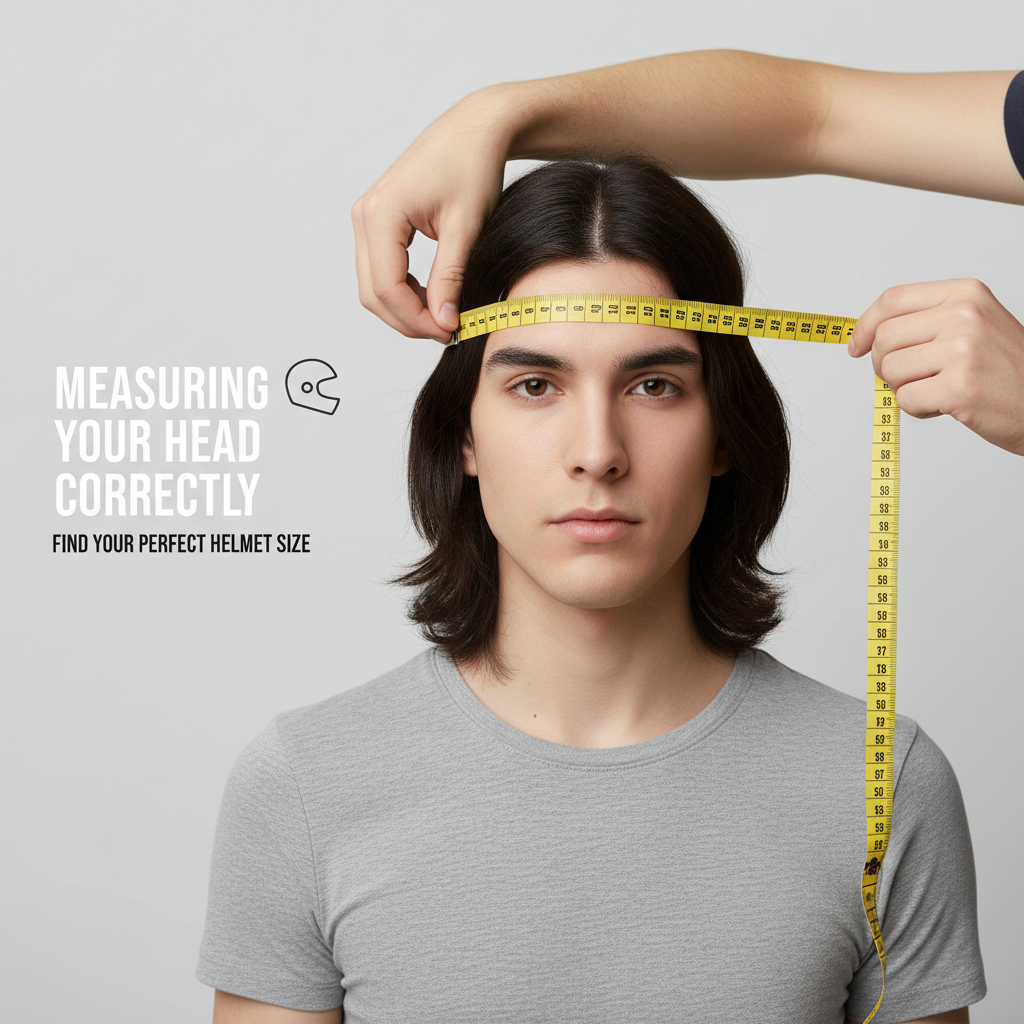
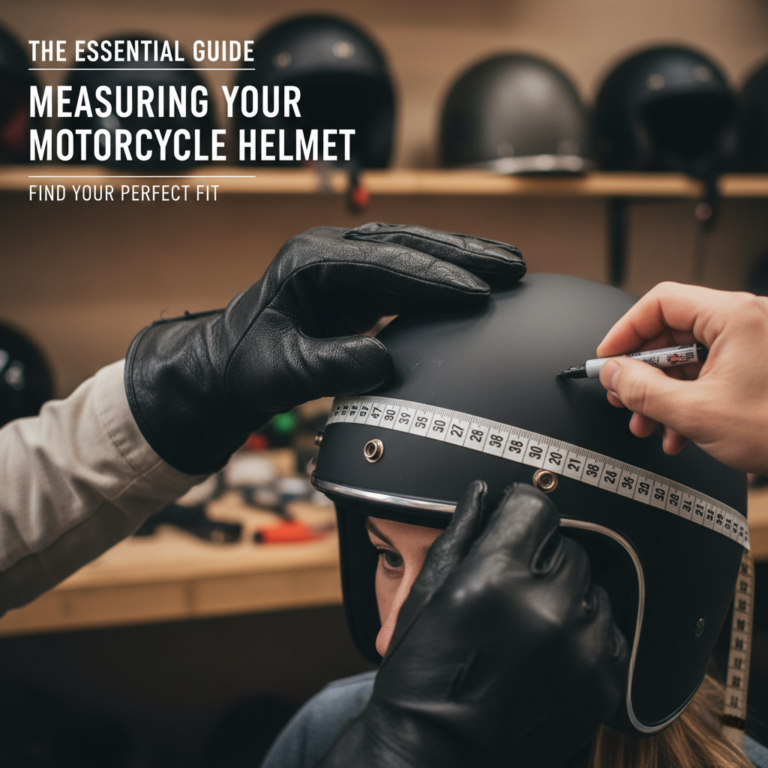
To measure your head correctly, use a flexible measuring tape and wrap it around the widest part of your head, just above the eyebrows and ears. This is typically where the helmet will sit. It is important to ensure that the tape is level and snug but not overly tight; you should be able to slide a finger underneath comfortably. Take note of the measurement in either inches or centimeters, as this will be critical for referencing the sizing chart of your desired helmet.
If you find yourself in between sizes, it is generally advisable to opt for the larger size, as you can adjust the fit using padding or straps. Additionally, consider measuring your head at different times of the day; our heads can swell slightly due to various factors, including temperature and hydration levels, which may affect the fit.
Trying on Helmets
When trying on a helmet, ensure it sits snugly on your head without any pressure points. The helmet should feel secure but not uncomfortably tight. An easy way to test this is to fasten the chin strap and shake your head gently. If the helmet shifts or moves at all, it is likely too large. Conversely, if it feels pinching or overly constrictive, it may be too small.
It’s also important to check the positioning of the helmet. The front should sit low on your forehead, just above your eyebrows, while the back should rest comfortably against the nape of your neck. If possible, wear the helmet for a few minutes to see if it becomes uncomfortable over time. This step is crucial, as it helps to identify any issues that may not be immediately apparent during a brief fitting.
Adjusting for a Perfect Fit
Most helmets come equipped with adjustable straps and padding that can be modified to achieve a secure fit. After selecting a helmet that feels close to your size, take advantage of these features. Adjust the chin strap to ensure it is snug but allows you to comfortably talk or open your mouth. Many helmets also feature an internal fit system that can be tightened or loosened, allowing for further customization.
When adjusting, remember that comfort is key. A helmet that is too loose won’t provide adequate protection, while one that is too tight may lead to discomfort or distractions. If your helmet comes with additional padding, experiment with different configurations, as this can greatly affect the overall fit and feel.
Common Sizing Mistakes to Avoid
Avoid assuming you wear the same size across different brands; always measure for each brand. This is a common oversight that can lead to purchasing an ill-fitting helmet. Additionally, don’t skip trying on a helmet even if you know your size; fit can vary significantly due to design and shape differences among brands.
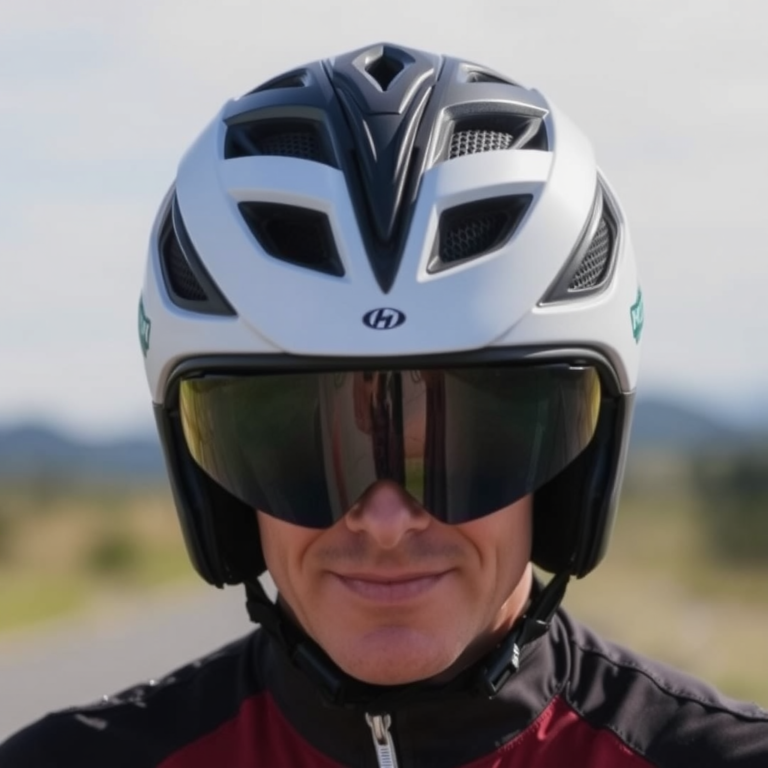
Another mistake is neglecting to consider the type of activity you will be engaging in. For instance, a mountain biking helmet may have a different fit compared to a road cycling helmet, as each is designed with specific features that cater to the unique demands of the sport. Take the time to familiarize yourself with these differences to make an informed decision.
Importance of Proper Helmet Fit
A properly fitted helmet can prevent serious injuries in the event of an accident. Helmets are designed to absorb impact, and if they are not snugly fitted, they can shift during a crash, reducing their effectiveness. An ill-fitted helmet not only compromises safety but can also reduce visibility and comfort, leading to distractions while riding. This is particularly crucial in fast-paced or high-risk environments, where focus and awareness can make a significant difference.
In addition to safety, a well-fitted helmet enhances your overall experience while engaging in sports or riding. It allows for better airflow, reduces fatigue, and can even improve performance by eliminating unnecessary distractions.
Maintenance and Replacement Tips
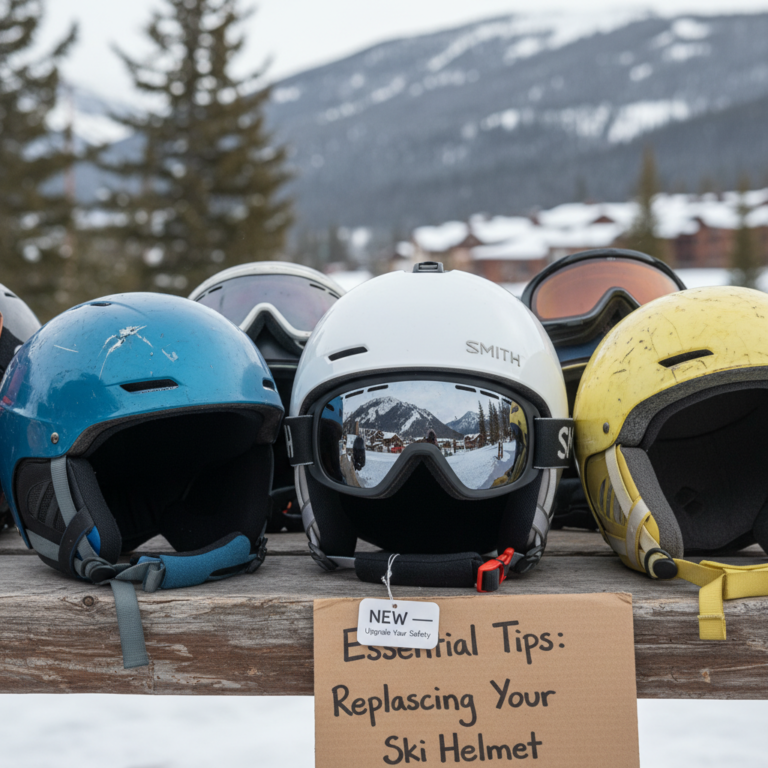
Regularly check the fit and condition of your helmet; replace it every 3-5 years or after any significant impact. Helmets can degrade over time due to exposure to UV rays, sweat, and general wear and tear. Look for signs of damage, such as cracks or dents, and if you experience any significant impact, it’s best to replace your helmet immediately, even if it appears undamaged.
Cleaning your helmet according to the manufacturer’s instructions is also vital to maintain its integrity. Most helmets can be cleaned with mild soap and water, but avoid using strong chemicals that may degrade the materials. Pay special attention to the padding and straps, as these areas can accumulate sweat and bacteria over time.
Finding the right helmet size is crucial for safety and comfort. Always measure your head, try on helmets, and make adjustments as needed. Understanding the nuances of helmet sizing will not only protect you but also enhance your overall riding experience. Don’t compromise on your protection—take the time to ensure a perfect fit!
References
- https://www.cdc.gov/headsup/basics/helmet.html
- https://www.nhtsa.gov/equipment/helmets
- https://www.smf.org/helmet-fitting-guide
- https://www.ama-cycle.org/helmet-guide
- https://www.verywellfit.com/how-to-measure-your-head-for-a-helmet-5184044
- https://www.bikeleague.org/content/choosing-right-helmet
- https://www.cpsc.gov/safety-education/safety-guides/helmets
- https://www.helmets.org/faq.htm