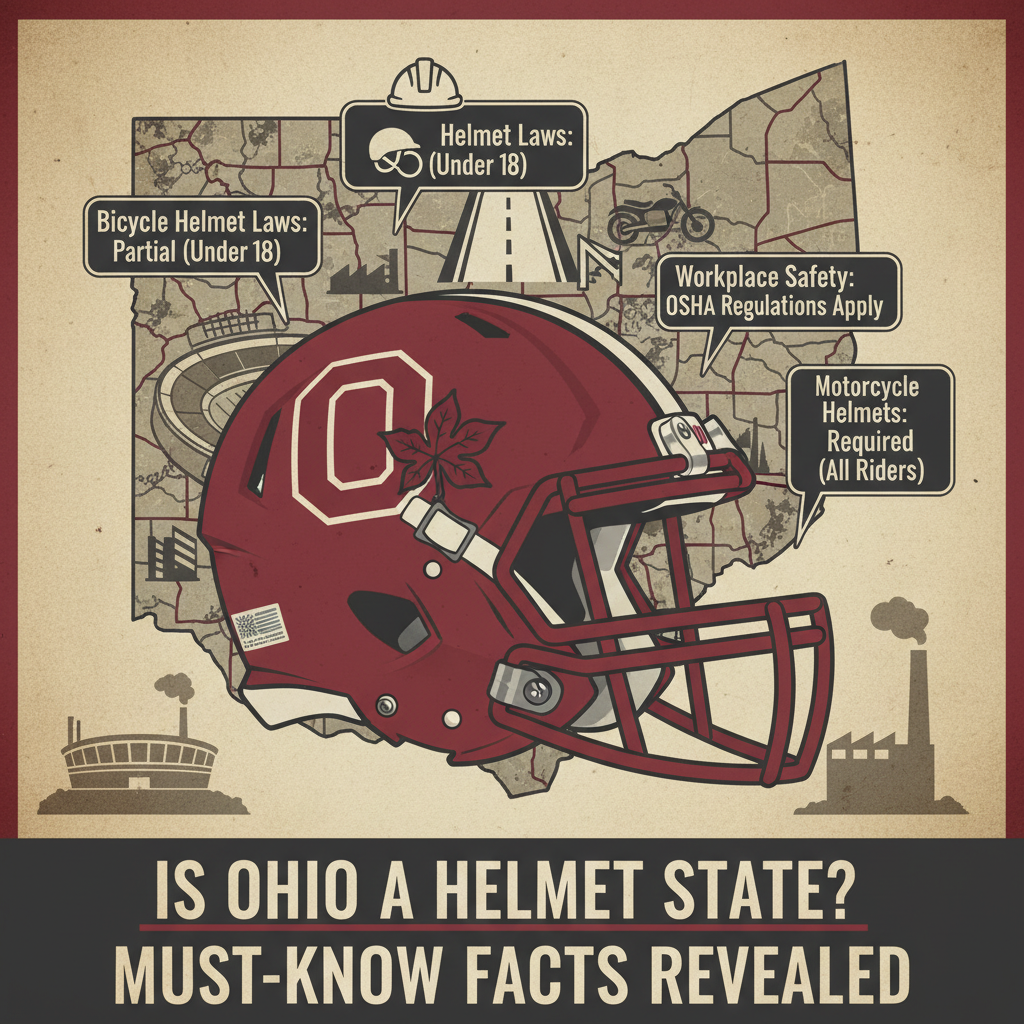
Is Ohio a Helmet State? Must-Know Facts Revealed
Ohio is not a mandatory helmet law state for all motorcycle riders. While riders under 18 must wear helmets, those over 18 have the option to ride without one, provided they meet certain criteria such as having motorcycle insurance and completing a safety course. This unique legal framework raises critical questions about safety, personal freedom, and liability. In this post, we will delve into the specifics of Ohio’s helmet laws, their implications for riders, and the ongoing discussions surrounding motorcycle safety in the state.
Understanding Ohio’s Helmet Law
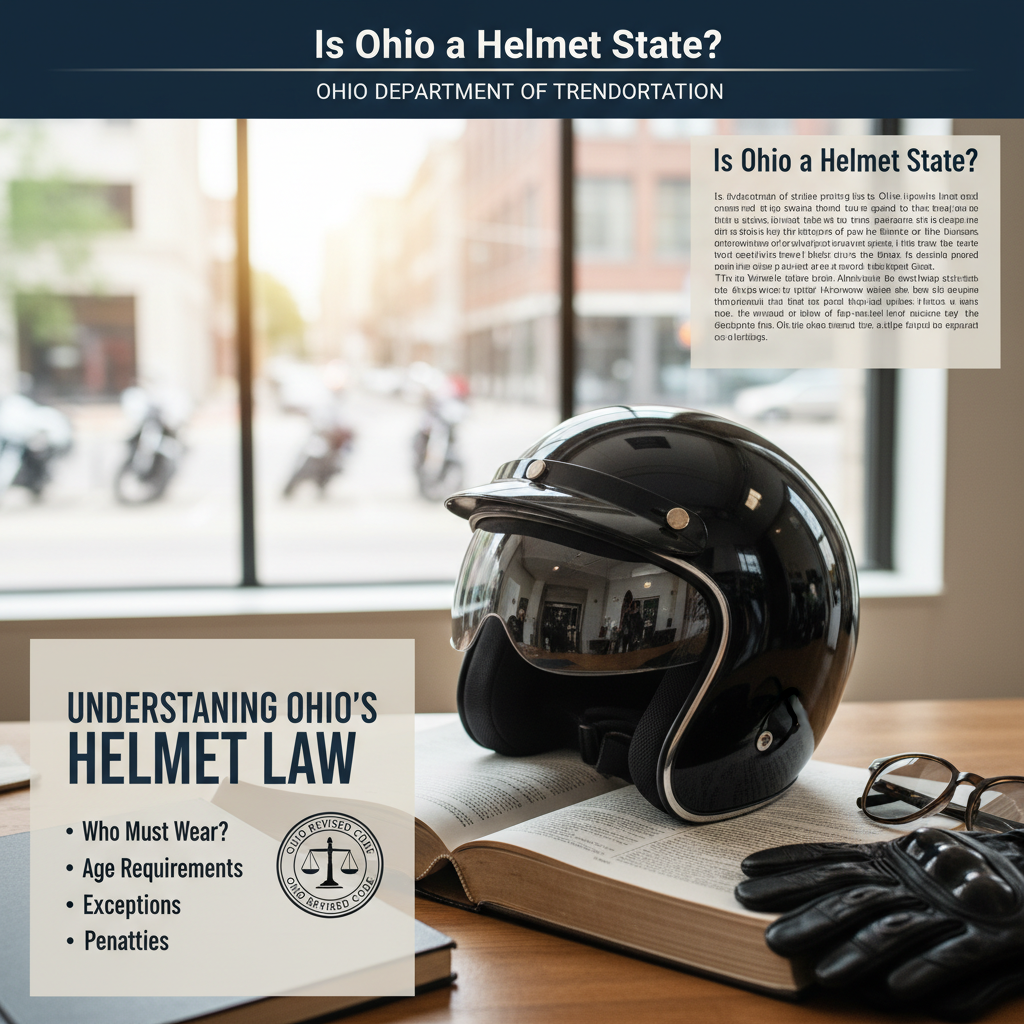
In Ohio, the helmet law distinguishes between age groups, mandating helmet use for riders under the age of 18. This law is designed to protect younger, less experienced riders who may not fully understand the risks associated with motorcycle riding. For those over 18, Ohio law allows certain exemptions; these riders can choose whether to wear a helmet if they meet specific conditions. To legally forgo a helmet, an adult rider must possess valid motorcycle insurance and have completed an approved motorcycle safety course. This dual approach aims to empower experienced riders while still prioritizing the safety of younger individuals.
The nuances of Ohio’s helmet law make it essential for riders to be aware of their responsibilities. For instance, failing to wear a helmet when required can result in hefty fines and legal repercussions. Additionally, understanding the insurance implications of riding without a helmet is crucial for all motorcycle enthusiasts.
The Rationale Behind the Law
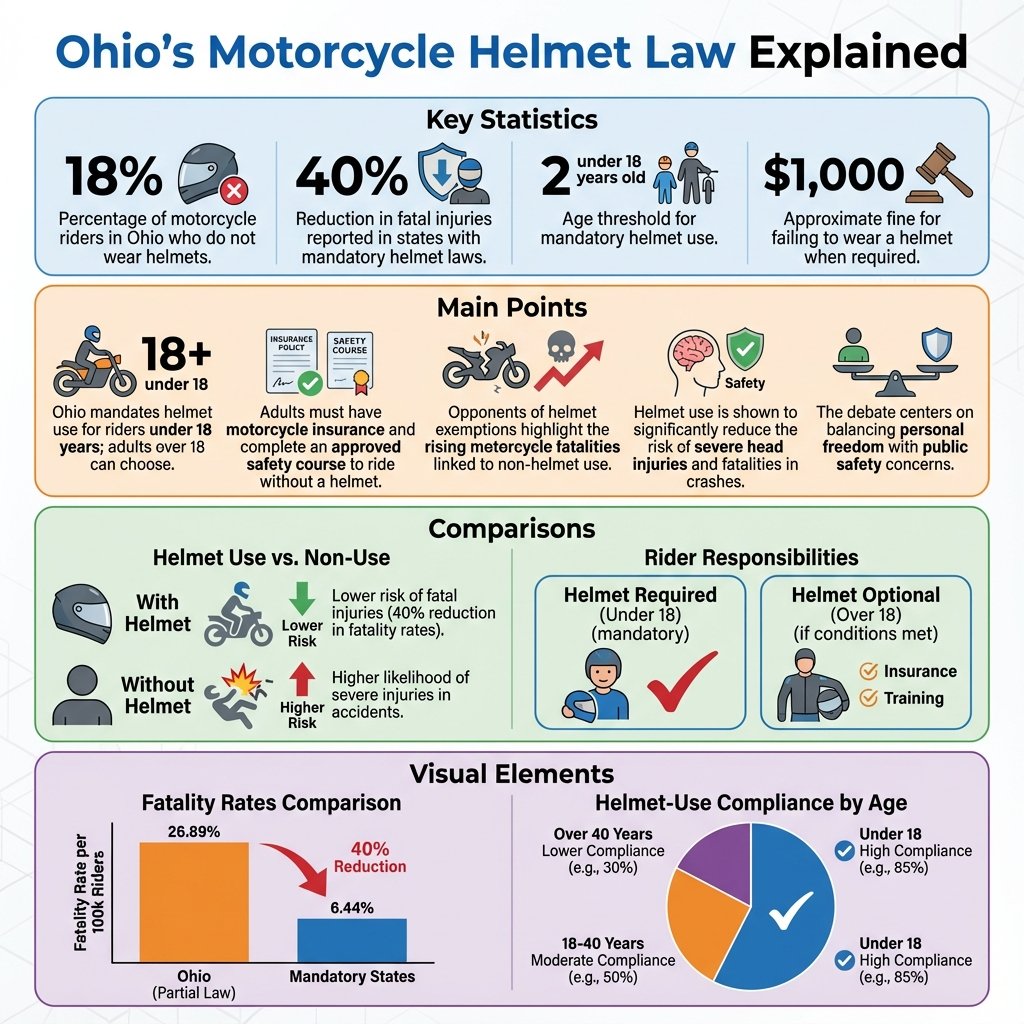
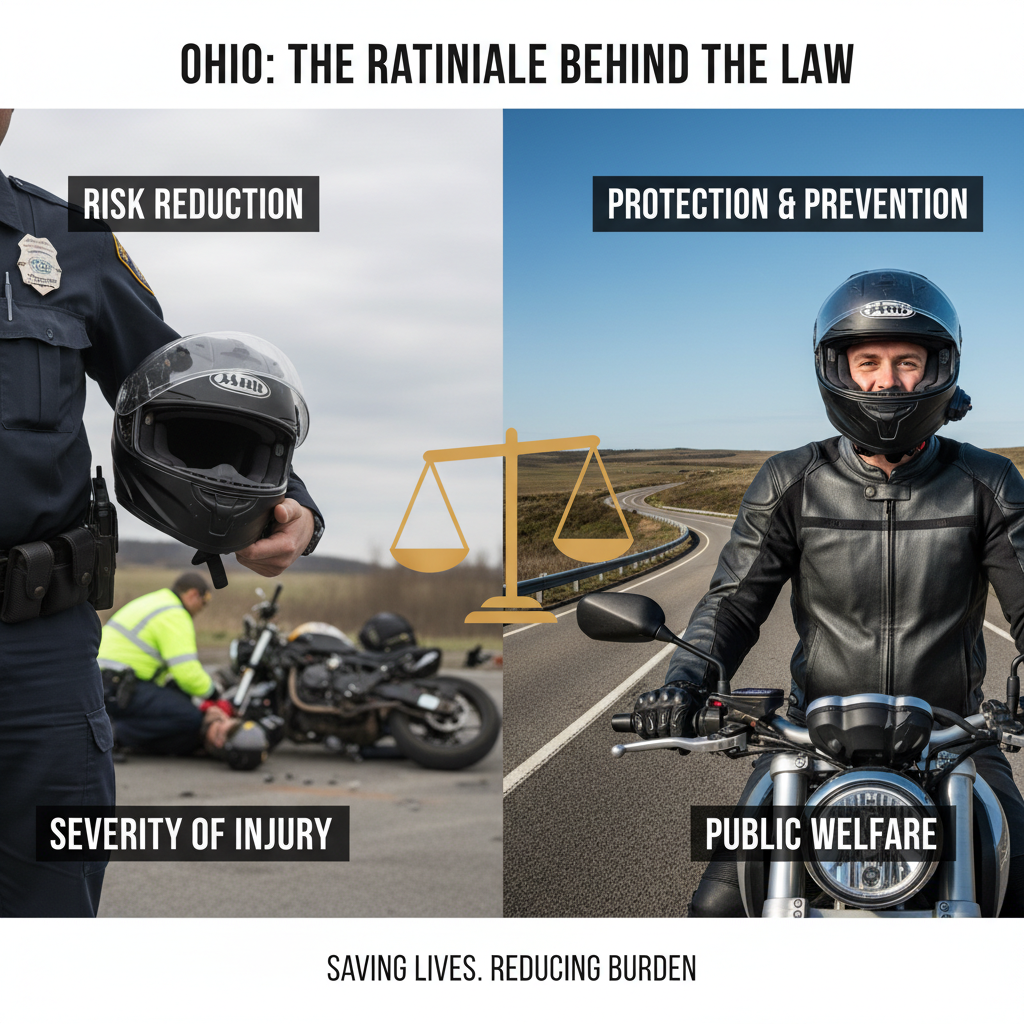
The rationale behind Ohio’s helmet law is rooted in a delicate balance between personal liberty and public safety. Proponents of the law argue that experienced riders, who have demonstrated their skills through completion of safety courses, should have the freedom to choose whether to wear a helmet. They contend that personal responsibility is a fundamental tenet of motorcycle culture, allowing riders to make informed decisions about their safety.
Conversely, opponents of helmet law exemptions often point to the alarming statistics surrounding motorcycle accidents. They argue that helmet use has been proven to significantly reduce the risk of severe head injuries and fatalities in crashes. The debate continues to evolve, as advocates for stricter helmet laws emphasize the societal costs of motorcycle accidents—including medical expenses and the emotional toll on families—while others champion the right to personal choice.
Safety Statistics in Ohio
Motorcycle accidents are a serious concern in Ohio, as they are in many states. According to the Ohio Department of Public Safety, motorcycle fatalities have been on the rise, with many of these cases involving riders who were not wearing helmets. Research consistently shows that helmet use dramatically decreases the likelihood of fatal injuries. In states with mandatory helmet laws, statistics indicate significantly lower death rates from motorcycle accidents compared to those without such regulations.
For example, a study by the National Highway Traffic Safety Administration (NHTSA) found that states with comprehensive helmet laws experienced a 37% reduction in motorcycle fatalities. This data underscores the importance of helmet use in protecting riders. As Ohio continues to grapple with its helmet law, these statistics serve as a crucial reminder of the potential consequences of legislative choices.
What Happens If You Don’t Wear a Helmet?
Choosing to ride without a helmet in Ohio can have serious legal and financial consequences. If a rider involved in an accident is not wearing a helmet, they may face penalties such as fines or citations. Furthermore, the implications extend to insurance coverage; many insurance companies may deny claims if the rider was not wearing a helmet at the time of the accident. This denial can result in substantial out-of-pocket costs for medical treatment and damages.
In addition to the financial ramifications, riders who opt not to wear a helmet may also encounter challenges in legal proceedings. If they are found to be partially liable for their injuries due to helmet noncompliance, this could affect damage awards in personal injury lawsuits. Therefore, understanding the risks associated with riding without a helmet is essential for all motorcyclists in Ohio.
Local Attitudes Toward Helmet Use
Ohio’s helmet laws elicit a range of opinions among its residents. Many motorcycle enthusiasts advocate for the freedom to choose and argue that education on safe riding practices is a more effective approach than mandatory helmet laws. Local motorcycle clubs often emphasize the importance of training and skill development, believing that these factors play a more significant role in rider safety than helmet use alone.
Conversely, there is a growing movement among safety advocates pushing for changes to strengthen helmet laws in Ohio. These advocates often cite data from other states that have seen declines in motorcycle fatalities after enacting stricter helmet regulations. The debate continues to foster discussions about the need for education, awareness, and possibly legislative changes that could lead to improved safety for all riders.
Alternatives to Helmet Laws
Some states have started to explore alternatives to strict helmet laws that still promote safe riding practices. For example, incentive programs have been introduced in certain regions to encourage riders to wear helmets voluntarily. These programs may provide discounts on insurance premiums or offer rewards for completing safety courses that emphasize the importance of helmet use.
Additionally, comprehensive motorcycle safety education and awareness campaigns can serve as valuable alternatives to mandatory helmet laws. Such initiatives can equip riders with the knowledge needed to make informed decisions about their safety. By focusing on education rather than legislation, states can foster a culture of safety that encourages responsible riding while respecting personal freedoms.
The Future of Helmet Legislation in Ohio
The future of helmet legislation in Ohio remains uncertain as public opinion continues to evolve. Ongoing discussions about the effectiveness of current laws could lead to potential changes in the near future. Advocacy groups pushing for stronger helmet laws are often met with resistance from the motorcycle community, which prioritizes personal choice and freedom.
As the conversation progresses, it will be important for all stakeholders, including riders, legislators, and safety advocates, to engage in constructive dialogue. Striking a balance between rider autonomy and public safety will be crucial in shaping the future of helmet legislation in Ohio. Continued education and awareness efforts will also play a vital role in influencing rider behavior and potentially reducing motorcycle-related injuries and fatalities.
In conclusion, Ohio’s helmet law presents a complex mix of freedom and safety concerns. Understanding these laws is essential for responsible riding. As the motorcycle community continues to advocate for personal choice while also recognizing the importance of safety, it is crucial for all riders in Ohio to stay informed about the latest regulations and prioritize their safety on the road.
References
- https://en.wikipedia.org/wiki/Motorcycle_helmet_law#Ohio
- https://www.ohio.gov/wps/portal/gov/site/business/resources/motorcycle-safety
- https://www.ghsa.org/resources/motorcycle-helmet-laws
- https://www.nhtsa.gov/motorcycle-safety/helmet-laws
- https://www.ama-cycle.org/advocacy/helmet-laws/
- https://www.ohio.gov/wps/portal/gov/site/business/resources/motorcycle-safety/helmet-law
- https://www.cdc.gov/motorvehiclesafety/motorcycle/index.html
- https://www.iihs.org/topics/motorcycles/helmet-laws
- https://www.nolo.com/legal-encyclopedia/helmet-laws-motorcycles-ohio-36237.html