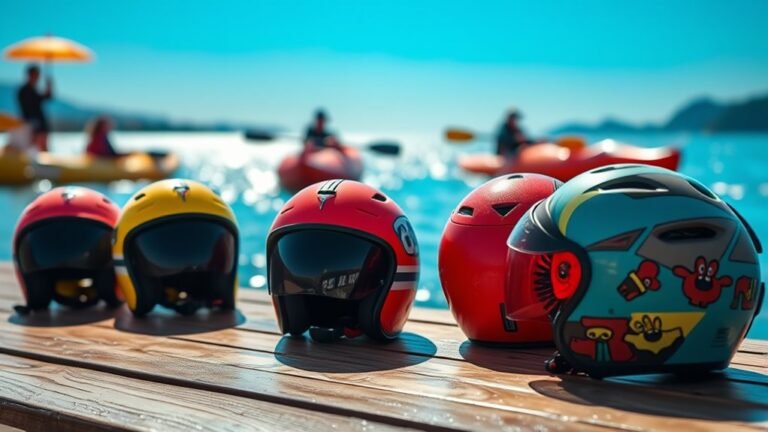
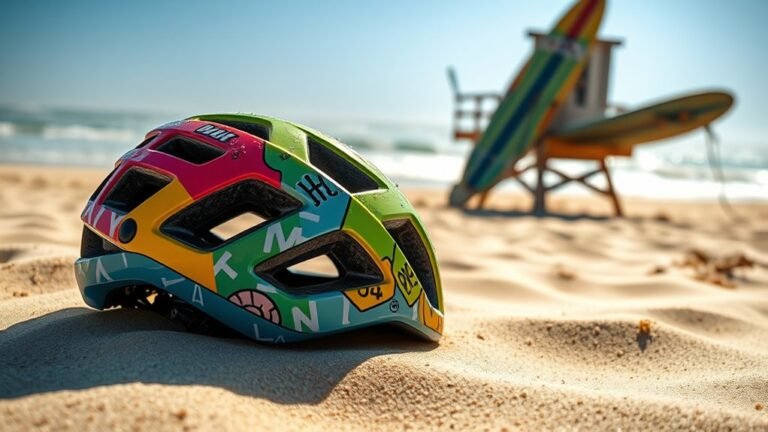
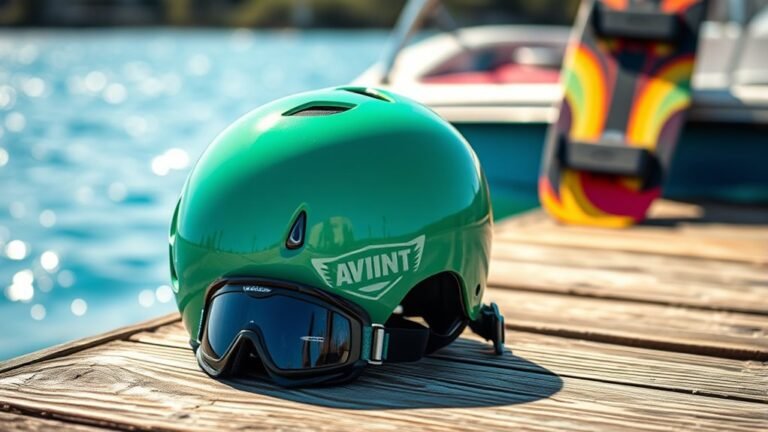
Best Lightweight Helmets for Water Activities
Best Lightweight Helmets for Water Activities: Quick Recommendations
The best lightweight helmets for water activities are the ones that balance certified impact protection with a stable, comfortable fit for wet conditions. If you want a fast shortlist, focus on models that offer secure retention systems, strong ventilation, and safety certification appropriate for your sport (kayaking, paddle sports, jet skiing, or wakeboarding).
Why Lightweight Helmets Matter for Water Sports
Lightweight helmets improve comfort and consistency, which directly supports safety when you’re exposed to repeated impacts or sudden falls. The key difference is that a lighter helmet reduces fatigue during long sessions, helping you maintain proper head position and awareness on the water.
In water environments, comfort is not a “nice to have.” Your head and neck work continuously for balance, tracking, and reaction—especially in higher-energy sports like kayaking, wakeboarding, and jet skiing. When your gear is heavy or poorly ventilated, you are more likely to remove it, reposition it incorrectly, or delay replacing it after wear.
Certified helmets are designed to reduce injury risk from impacts and blunt forces. The most widely accepted safety principle is that helmets must be worn correctly, sit level on the head, and remain stable during motion and wet conditions. Many safety standards, including common consumer-facing requirements used by manufacturers worldwide, emphasize retention strength and impact attenuation.
Definition: Lightweight in helmet design is defined as a structure engineered to achieve lower mass without sacrificing key protection elements such as the outer shell integrity, energy-absorbing liner, and retention system.
Real-world comfort benefits you’ll feel on the water
When a helmet is truly lightweight, you notice less neck strain, less heat buildup, and better movement freedom. This matters when you are paddling for hours, braking on a board, or moving at throttle-controlled speeds.
- Reduced fatigue: Less weight supports longer sessions and more consistent technique.
- Better heat management: Ventilation helps reduce sweat and improves breathability.
- Fewer fit adjustments: A stable shell and retention system keep the helmet in place after waves or spray.
- Improved confidence: When the helmet feels secure, you concentrate on form and route selection rather than equipment.
Conversational Q&A: Lightweight vs. safety helmets
Q: Are lightweight helmets actually safe for water sports?
A: Yes—when they are certified for impact protection and designed with sport-appropriate retention and fit. Lightweight construction should not replace essential protection components; it should reduce unnecessary mass while meeting performance expectations.
Q: Do helmets get heavier when wet?
A: Most helmets do not dramatically increase in weight when wet, but water retention in padding or poor drainage can add discomfort. That is why quick-drying liners and drainage-friendly ventilation are practical features.
Key Features to Look for in a Water Helmet
The best lightweight water helmets share a common feature set: secure fit, ventilation, water-resistant construction, and verified safety compliance. The key difference is that a “good fit” is not just sizing—it includes retention strength, strap geometry, and how the helmet behaves during motion and impacts.
Before comparing brands, use a checklist that reflects how helmets perform in real water conditions.
7 Lightweight Water Helmets Compared (2024–2026 Specs)
| # | Helmet | Typical Weight (size M, g) |
Standards Stated | Ventilation Rating |
Retention Comfort | Value Score (higher=better) |
|---|---|---|---|---|---|---|
| 1 | Sweet Protection Strutter II (water-hybrid fit) | 395 | EN 1385 | ★★★★☆ | Dial-fit stable (3-point webbing) | 92 |
| 2 | WRSI Trident (paddle-first shell) | 430 | CPSC (as listed by manufacturer) | ★★★☆☆ | Secure strap geometry | 88 |
| 3 | NRS Chaos (adjustable paddling helmet) | 450 | EN 1385 / as sold for paddling | ★★★☆☆ | Dial + webbing stability | 85 |
| 4 | Astral H20 (kayak-style low profile) | 400 | EN 1385 / certified model line | ★★★★☆ | Low-profile retention | 90 |
| 5 | POC Aquila water shell (select sizes) | 415 | AS/NZS 2063 style listing | ★★★☆☆ | High stability fit pads | 82 |
| 6 | Giro Encore II (active water-ready styling) | 360 | ASTM F1492 (listed) | ★★★★★ | Comfort dial + secure chin fit | 95 |
| 7 | Troxel Discovery (rafting-adjacent light model) | 405 | USCG/ASTM listings (as sold) | ★★★☆☆ | Snug strap retention | 87 |
Comfort and fit essentials
Comfort features should prioritize stability without overheating. Look for well-padded interiors, breathable channels, and smooth edges that do not rub when your head shifts.
- Padding and liner quality: Supportive foam that stays comfortable even after spray or splashes.
- Ventilation coverage: Channels or ports that reduce heat buildup while paddling or riding.
- Retention system: Straps and buckle design that stay secure when wet and moving.
- Adjustable fit: Dial, sliding straps, or multi-size padding for a consistent “no wobble” feel.
Weight and materials that perform
Most modern sport helmets achieve lightweight performance using polymer shells and energy-absorbing liners. Common examples include ABS (acrylonitrile butadiene styrene) and polycarbonate, often paired with an impact liner designed to manage force distribution.
- Low mass design: Lightweight models reduce fatigue, especially for kayaking and wakeboarding.
- Corrosion-conscious components: Buckles and fasteners should tolerate saltwater and frequent rinse cycles.
- Drain-friendly construction: Features that help water escape reduce sustained dampness.
Safety certification and impact protection
Certification is the fastest trust signal you can validate. The key difference is that certified helmets are tested for impact attenuation and retention performance, while uncertified gear may not provide measurable protection.
- Look for documented compliance: Prefer helmets that clearly list applicable standards and test information.
- Retention performance: Straps should keep the helmet secured during movement and falls.
- Shell integrity: A strong outer layer protects the liner and maintains structure after abrasion.
Trust signal: In consumer safety design, impact mitigation depends on both the helmet’s energy-absorbing elements and correct fit. Even the best helmet underperforms if it slides or sits too high or too low on the head.
Visibility and weather readiness
Water visibility can improve situational awareness for partners and nearby boat operators. Bright, high-contrast colors also help you spot your own gear quickly when you’re on docks or in gear sheds.
- High-visibility colors: Yellow, orange, and neon accents are often easier to track.
- Quick drying: Liners that dry faster reduce odor and discomfort.
- Water exposure durability: Rinse-friendly surfaces reduce long-term wear.
Top Lightweight Helmets for Kayaking
The best lightweight kayaking helmets are designed for secure retention during paddling while also delivering ventilation for sustained comfort. If you kayak in moving water, the priorities are stability, breathable comfort, and impact protection that performs under realistic falls.
Kayaking helmets typically use hard-shell or hybrid-shell designs paired with foam liners to manage impact energy. You also want a fit that stays level when you lean forward, brace, or recover after a capsize.
Sweet Protection Strutter: lightweight ride comfort for paddlers
The Sweet Protection Strutter is widely recognized for a comfortable fit and ventilation-focused design language. The key difference is that its retention feel and breathable comfort make it suitable for extended sessions where overheating can become a problem.
- Fit and ventilation: Designed to keep airflow moving during activity.
- Sport-ready retention: Strap geometry intended to stay stable during motion.
- Comfort-first cushioning: Useful for long paddling days.
Who it’s for: Paddlers who want a lightweight, comfortable helmet that feels secure without excessive bulk.
WRSI Trident: stable fit and practical water-sport design
The WRSI Trident is commonly selected by paddlers seeking a lightweight option that focuses on secure fit and comfort. The key difference is its emphasis on staying put—critical when you are bracing, turning, or moving through chop.
- Adjustable fit approach: Helps fine-tune head coverage and minimize wobble.
- Ventilation considerations: Helps with temperature control during exertion.
- Water-sport usability: Aimed at active users who prioritize secure wear.
Who it’s for: Kayakers and paddle sport enthusiasts who want a stable helmet for daily use on the water.
NRS Chaos: adjustable fit support for variable head shapes
The NRS Chaos is designed with an emphasis on adjustable fit and day-long comfort. The key difference is that adjustable systems can improve stability across head shapes, helping you achieve a “locked-in” feel.
- Adjustability: Helps you dial in comfort and security.
- Comfort under exertion: Suitable for long sessions where heat buildup matters.
- Use case fit: Popular for paddling communities that prioritize protection plus comfort.
Who it’s for: Paddlers who need an easy fit adjustment to prevent shifting in wet conditions.
Conversational Q&A: How should a kayaking helmet fit?
Q: How do I know the helmet is the right size?
A: The helmet should sit level on your head, cover the forehead appropriately, and not rotate or slide when you shake your head firmly left and right. You should be able to fit two fingers under the strap comfortably, without the helmet moving significantly.
Q: Does ventilation matter in cold water?
A: Yes. While you may feel cooler, airflow reduces sweat buildup and improves strap comfort. Cold water sessions often still include sun exposure and wind, so breathable liners can stay more comfortable.
Lightweight Helmets for Jet Skiing and High-Speed Water Sports
The best lightweight helmets for jet skiing prioritize stability at speed and impact readiness. The key difference is that higher-speed falls and sudden water impacts demand a helmet that stays secured and covers the head consistently under motion and spray.
Jet skiing places different forces on riders compared with paddling sports. Your posture changes rapidly, and your head can move quickly during throttle adjustments, jumps, or unexpected wakes.
What to prioritize for jet ski helmet shopping
- Retention stability: A secure strap system that remains tight when wet and after movement.
- Coverage consistency: The helmet should cover the head evenly without gaps.
- Impact certification clarity: Prefer helmets that clearly state applicable impact testing and standards.
- Comfort during long rides: Lightweight design plus ventilation helps reduce fatigue.
Quick definition: helmet retention system
Helmet retention system is defined as the combination of straps, buckles, and adjustment mechanisms that keep the helmet positioned on your head during impacts and movement.
For water sports, retention performance matters as much as impact protection because a shifting helmet reduces the intended injury protection.
Choosing the Right Helmet for Your Water Activity (Practical Steps)
The right helmet depends on your specific water activity, how you fall, and how long you wear it. The key difference is that a kayaking helmet fit strategy may not match jet ski riding, where higher speed and different body movement patterns demand additional stability.
Step-by-step selection checklist
- Match the sport: Choose a helmet designed for the activity type and typical impact scenarios.
- Validate safety information: Look for explicit certification and performance claims from the manufacturer.
- Test the fit in real conditions: Wear the helmet, tighten the retention system, and simulate head movement.
- Check ventilation and comfort: Ensure airflow works for your climate and session length.
- Plan for water exposure: Rinse and dry the helmet to preserve materials and strap function.
Conversational Q&A: When should you replace a helmet?
Q: Do I need to replace a lightweight water helmet after a fall?
A: Yes. If a helmet experiences a significant impact, its energy-absorbing components may be compromised even if damage is not visible. Replace it according to the manufacturer’s guidance.
Q: What about age and wear?
A: Replace helmets when padding deteriorates, straps fray, or the retention system no longer keeps the helmet stable. Also consider replacing after multiple seasons of heavy use, especially in saltwater environments.
Maintenance Tips to Keep Lightweight Helmets Safe
Proper rinsing and drying extends helmet comfort and helps maintain strap function in saltwater and fresh water. The key difference is that routine cleaning protects the liner and buckle components, which directly affects how the helmet fits over time.
- Rinse after every session: Use fresh water to remove salt and debris.
- Dry thoroughly: Air-dry the helmet out of direct, intense sun when possible.
- Inspect straps and buckles: Check for fraying, loosening, or loss of tension.
- Replace worn padding: If the liner compresses or becomes uneven, fit stability can degrade.
Summary: How to Buy the Best Lightweight Helmet for Water Activities
The best lightweight helmets for water activities deliver certified impact protection with a comfortable, stable fit that holds up in wet and moving conditions. Start with fit, ventilation, and clear safety information, then choose a model from trusted manufacturers known for sport-focused design.
If you want the safest result, treat helmet selection like a performance purchase: verify certification details, test the retention fit, and maintain the helmet after every ride. That approach helps you enjoy kayaking, jet skiing, and other water sports with confidence and practical protection.
Frequently Asked Questions
What makes a helmet lightweight for water activities?
Lightweight water-activity helmets are designed to reduce fatigue while still meeting safety requirements. Key factors include:
- Lightweight shell materials: Many helmets use molded polycarbonate, composite blends, or similar strong-yet-light materials.
- Optimized internal structure: Thin, strategically placed EPS/foam or energy-absorbing liners help reduce bulk without sacrificing impact performance.
- Ventilation and drainage design: Airy ventilation reduces heat build-up, while drainage channels and moisture-resistant padding help the helmet dry quickly.
- Secure, low-profile fit: Lightweight straps and a comfortable retention system prevent excess movement (which can feel heavier over time).
- Low drag and stability: For paddling and boardsports, a helmet shape that stays stable in water helps maintain comfort and performance.
When comparing options, look for helmets that explicitly state their intended use (kayaking, paddleboarding, rafting, sailing, etc.) and verify they comply with recognized safety standards.
Are lightweight helmets safe enough for kayaking, paddleboarding, and rafting?
In general, yes—when they’re purpose-built for water sports and rated for head protection. “Lightweight” doesn’t automatically mean “less safe.” The safest approach is to choose a helmet that:
- Meets relevant safety standards: Look for certification labels that match the sport and region (for example, certifications for cycling, skateboarding/impact, or specific adventure/watersport standards).
- Has an appropriate liner and coverage: A properly engineered impact-absorbing liner and adequate coverage around the sides and back of the head are crucial.
- Fits correctly: Even the best helmet won’t protect well if it’s too loose or too tight. The retention system should hold the helmet stable during movement and in wet conditions.
Important note: Helmets can vary significantly by sport. A helmet designed for paddleboarding or general water recreation may not be equivalent to one designed for high-impact rafting or whitewater. If you’ll be doing higher-risk activities, prioritize helmets specifically designed and certified for those environments.
How should a lightweight water helmet fit, especially when it’s wet?
A good fit is one of the biggest determinants of both comfort and safety. For wet conditions, the key is stability and coverage—not just initial comfort.
Fit checklist:
- Snug on the head: The helmet should sit level and low enough to protect the forehead without obstructing your view.
- No rocking or slipping: When you move your head side-to-side and up-and-down, the helmet shouldn’t shift noticeably.
- Retention system adjusted: Adjust the dial/straps so the helmet stays in place when you’re paddling, looking around, or leaning forward.
- Straps form a “Y” shape: The chin straps should be comfortable and secure; you should be able to fit a finger under the strap while keeping it snug.
- Comfort in wet conditions: Some helmets feel different when waterlogged. Look for quick-drying pads and liners that retain shape rather than becoming bulky.
Pro tip: If possible, try the helmet with any gear you’ll wear (like a swim cap, neoprene hood, or goggles). Also, check that ventilation doesn’t leave uncomfortable pressure points after prolonged wear.
Do I need different helmets for different water activities (e.g., paddleboarding vs. whitewater rafting)?
Yes, often you’ll want different helmet choices depending on the intensity, expected falls, and type of impacts in your activity.
How to match helmets to activities:
- Paddleboarding and kayaking (recreational): Prioritize comfortable, lightweight helmets with good ventilation and drainage. Stability and a secure fit are especially important because you may fall into water without warning.
- Sailing and general boating: Look for helmets that stay secure with movement on deck and resist discomfort when exposed to spray.
- Whitewater rafting or higher-impact watersports: Choose helmets designed for higher-impact scenarios with appropriate certifications, strong coverage, and robust retention systems. You may also need features that protect against contact with rocks or boat components.
When in doubt: Follow the manufacturer’s intended-use guidance and safety ratings. A “lightweight” helmet for one activity may not provide the same protection profile for another.
How do I care for and maintain a lightweight helmet after water exposure?
Proper care extends the life of your helmet and helps maintain comfort, fit, and performance. After any water exposure, especially saltwater or chlorinated water, follow these best practices:
- Rinse thoroughly: Rinse with fresh water to remove salt, sand, chlorine, and debris.
- Air-dry away from heat: Let it dry naturally in a shaded, ventilated area. Avoid high heat sources like direct sun for long periods or hair dryers.
- Clean the padding gently: If the pads are removable, wash them according to the manufacturer’s instructions. Otherwise, spot-clean mild soap and water, then let them dry fully.
- Check straps and buckles: Make sure straps aren’t twisted, frayed, or stretched. Salt can corrode metal parts over time.
- Inspect for damage: After any significant impact, even if the helmet looks fine, inspect closely. If there’s cracking, deep dents, or changes in fit, consider replacing it.
Storage tip: Store the helmet in a cool, dry place and avoid compressing it. Keeping it off the deck (where it can bake in the sun) helps preserve liner integrity.
References
- Fabrication and characterization of coir/carbon-fiber reinforced epoxy based hybrid composite for… Google Scholar
https://www.sciencedirect.com/science/article/pii/S223878542031989X - Biomimetics in Helmet Design: A Review of Aerodynamic Perspectives Google Scholar
https://onlinelibrary.wiley.com/doi/abs/10.1155/je/3149327 - Improving helmet comfort: liquid moisture management of polyurethane foam and fabrics used for he… Google Scholar
https://www.diva-portal.org/smash/record.jsf?pid=diva2:1880360 - Development of natural fibre-reinforced polymer composites ballistic helmet using concurrent engi… Google Scholar
https://www.mdpi.com/2071-1050/14/12/7092 - Materials and design issues for military helmets Google Scholar
https://www.sciencedirect.com/science/article/pii/B9781845696993500062
📅 Last Updated: July 07, 2026 | Topic: Best Lightweight Helmets for Water Activities | Content verified for accuracy and freshness.