How Water Helmets Protect Against Head Injuries
Water helmets protect against head injuries in water sports by absorbing impacts and providing a secure fit tailored to specific activities. They feature advanced materials like polycarbonate and multi-layer foam systems that dissipate energy during collisions. A proper fit minimizes movement, reducing injury risk. Additionally, specialized designs cater to various sports, ensuring ideal safety. Understanding these aspects can enhance your awareness of helmet effectiveness and its essential role in water safety.
Understanding Head Injuries in Water Sports

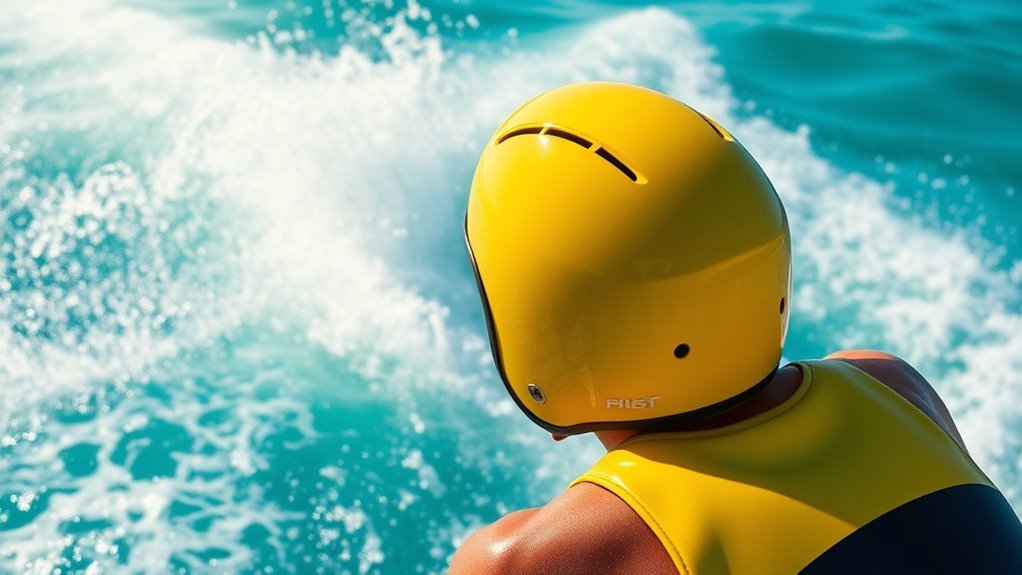
Head injuries in water sports can be both common and severe, often resulting from collisions, falls, or unexpected impacts with surfaces or equipment. Understanding the risks involved in activities like surfing, wakeboarding, or jet skiing is essential for your safety. Implementing effective head injury prevention strategies not only enhances your experience but also fosters a culture of water sports safety. Always assess conditions before engaging in these activities, and guarantee that you’re using appropriate protective gear. Familiarizing yourself with the potential hazards can help you make informed decisions. Remember, while seeking freedom and excitement, prioritizing your well-being is critical. By being proactive about your safety, you can enjoy water sports while minimizing the risk of head injuries.
The Design of Water Helmets
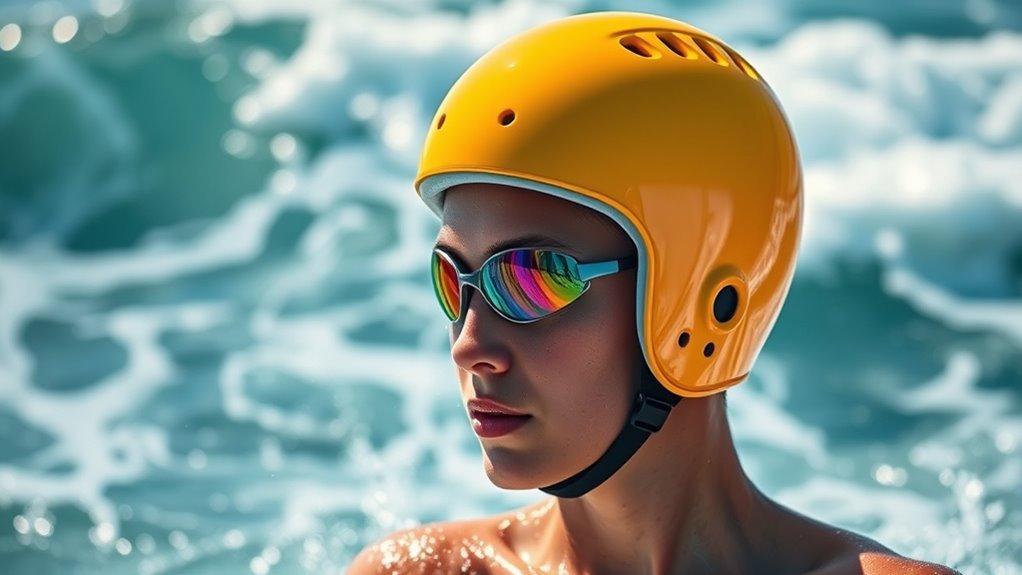
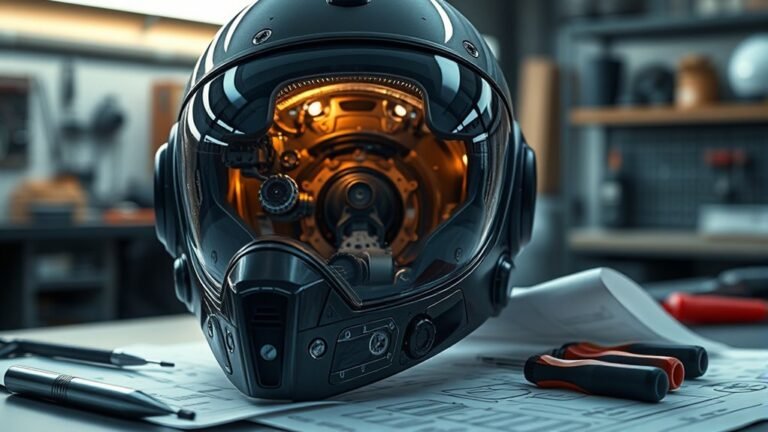
When considering water helmets, the material composition plays an essential role in their effectiveness. You’ll find that advanced materials not only enhance durability but also provide significant benefits in impact absorption technology. Understanding these design elements can help you choose a helmet that better protects against head injuries in water sports.
Material Composition and Benefits
While the effectiveness of water helmets in preventing head injuries largely hinges on their design, the materials used play a critical role in their performance. The right material composition enhances both durability and protective technology, ensuring that you’re well-equipped against potential impacts.
| Material | Benefits |
|---|---|
| Polycarbonate | High impact resistance |
| EVA Foam | Lightweight and shock-absorbent |
| Nylon Composite | Enhanced durability |
These materials not only provide robust protection but also contribute to comfort and flexibility. By choosing a water helmet with superior material durability, you’re investing in a safer experience on the water. Understanding these elements empowers you to make informed choices, ensuring your safety remains a top priority.
Impact Absorption Technology
As you navigate the water, the design of your helmet plays an essential role in its ability to absorb impact effectively. Recent safety advancements have led to innovative impact absorption technologies that can greatly reduce the risk of head injuries. Here are key features to look for:
- Multi-layer foam systems for energy dissipation
- Lightweight materials to enhance comfort without sacrificing protection
- Advanced impact testing protocols ensuring reliability
- Water-resistant designs to maintain performance in aquatic environments
- Adjustable fit systems for a secure, personalized wearing experience
These elements work together to enhance safety, allowing you to enjoy your time on the water with confidence. Investing in a helmet that incorporates these technologies is vital for protecting your head against potential impacts.
Key Materials Used in Water Helmets

When it comes to water helmets, the choice of materials plays a vital role in ensuring safety and comfort. You’ll find that impact-resistant foam absorbs shocks, while a lightweight shell design enhances mobility. Additionally, water-repellent materials help maintain performance in wet conditions, making these helmets effective for aquatic activities.
Impact-Resistant Foam
Impact-resistant foam is an essential component in the design of water helmets, providing necessary protection against head injuries. This innovative foam technology enhances impact resistance, ensuring your safety while enjoying water sports. Key features include:
- Energy Absorption: It effectively absorbs and disperses impact forces.
- Lightweight Structure: Despite its protective capabilities, it remains lightweight for comfort.
- Durability: The foam withstands repeated impacts without degrading.
- Water-Resistant Properties: It maintains performance even when exposed to water.
- Custom Fit: Easily molded to fit various helmet designs for a snug feel.
With these attributes, impact-resistant foam plays a significant role in safeguarding your head, allowing you the freedom to enjoy your aquatic adventures with confidence.
Lightweight Shell Design
The design of water helmets prioritizes both safety and comfort, with lightweight shell materials playing a vital role in achieving this balance. These lightweight materials, such as polycarbonate and advanced composites, guarantee that your helmet doesn’t weigh you down during water activities. This is essential for maintaining agility and freedom of movement while you navigate the water. Despite their reduced weight, these materials don’t sacrifice shell durability; they’re engineered to withstand impacts and resist wear from water exposure. By effectively combining lightweight construction with robust durability, water helmets enhance your overall experience without compromising on safety. Choosing a helmet with this thoughtful design allows you to enjoy your aquatic adventures while minimizing the risk of head injuries.
Water-Repellent Materials
Water helmets are often crafted with water-repellent materials that enhance both performance and longevity. These materials not only provide water resistance but also contribute to overall material durability, guaranteeing your helmet withstands the rigors of water sports. Here are some key materials commonly used:
- Polyurethane Coatings: Offers excellent water resistance and flexibility.
- Nylon Fabrics: Lightweight yet durable, perfect for high-impact activities.
- Neoprene: Provides cushioning and insulation while repelling water.
- TPU (Thermoplastic Polyurethane): Known for its toughness and elasticity.
- Silicone Sealants: Guarantees watertight protection at seams and joints.
How Water Helmets Absorb Impact
Three key mechanisms enable water helmets to absorb impact effectively, making them essential for safety in aquatic sports. First, foam padding within the helmet compresses upon impact, distributing force across a larger area and enhancing impact reduction. Second, the outer shell is designed to be rigid yet lightweight, allowing it to deflect some of the energy away from your head. Ultimately, advanced materials, often engineered with shock-absorbing properties, further decrease the force transmitted to your skull. Together, these features make water helmets critical safety equipment, providing peace of mind while you’re enjoying high-speed water activities. By understanding these mechanisms, you can appreciate how they contribute to your safety and freedom in the water.
The Importance of Fit and Comfort
When choosing a water helmet, proper sizing is essential for ensuring maximum protection and comfort. A well-fitted helmet reduces movement during activity, minimizing the risk of head injuries. Additionally, enhanced comfort features can make a significant difference in how long you’re willing to wear the helmet, ultimately promoting safer practices in water sports.
Proper Sizing Matters
While many might overlook the importance of fit, proper sizing is essential in guaranteeing that water helmets provide ideal protection against head injuries. A helmet that doesn’t fit well can compromise safety and comfort. Here are some key considerations for achieving a proper fit:
- Measure Your Head: Use a flexible tape measure around the largest part of your head.
- Consult Sizing Guidelines: Refer to manufacturer specifications to match your measurement.
- Adjust Straps: Make sure they’re snug but not overly tight, allowing for some movement.
- Check for Gaps: There shouldn’t be any spaces between the helmet and your head.
- Test Stability: Shake your head; the helmet should stay in place without shifting.
Enhanced Comfort Features
After ensuring a proper fit, the next step is to contemplate the enhanced comfort features that can greatly impact your overall experience while wearing a water helmet. These comfort features, such as adjustable padding, moisture-wicking liners, and ventilation systems, play an essential role in enhancing your user experience. A helmet that feels comfortable allows you to focus on your activities without distraction. Look for helmets with ergonomic designs that distribute weight evenly, reducing pressure points during prolonged use. Additionally, lightweight materials can minimize fatigue, enabling you to enjoy your time on the water. Ultimately, investing in a helmet with superior comfort features not only enhances enjoyment but also encourages consistent use, which is critical for safety and protection against head injuries.
Breathability Features in Water Helmets
How essential is breathability in water helmets for enhancing comfort and safety? Breathability technology plays a vital role in guaranteeing you stay comfortable while participating in water activities. Effective moisture management prevents overheating and discomfort, allowing you to focus on your performance.
Here are some key features of breathability in water helmets:
- Ventilation channels: Allow airflow to reduce heat buildup.
- Moisture-wicking liners: Draw sweat away from your skin, keeping you dry.
- Lightweight materials: Enhance comfort without sacrificing protection.
- Adjustable fits: Help you find the perfect balance between snugness and airflow.
- Quick-dry properties: Make sure the helmet dries rapidly between uses.
These features not only enhance your overall experience but also contribute to your safety on the water.
Types of Water Helmets for Different Activities
Understanding breathability in water helmets is just one aspect of choosing the right gear for your specific activities. Different activities demand specific helmets tailored to unique conditions. For surfing, helmets must provide impact protection while allowing airflow to keep you cool. Kayaking helmets often feature a snug fit and are designed to absorb shock from potential collisions. When wakeboarding, you need a helmet that balances protection with lightweight design for agility. Diving helmets prioritize pressure resistance and fit snugly to prevent water entry. By selecting the appropriate helmet—be it for surfing, kayaking, wakeboarding, or diving—you guarantee superior safety while enjoying the freedom of your water adventures. Always match your helmet choice to your activity for maximum protection.
Safety Standards and Certifications
Safety standards and certifications play a crucial role in guaranteeing that water helmets provide adequate protection during various activities. You’ll want to understand the significance of meeting safety regulations and undergoing certification processes to confirm reliability. Here are key points to reflect on:
Understanding safety standards and certifications ensures water helmets provide reliable protection during various activities.
- Helmets must meet specific impact resistance criteria.
- Regular testing guarantees compliance with safety standards.
- Certifications indicate the helmet’s ability to absorb shocks.
- Reputable organizations oversee the certification process.
- Consumers can trust certified helmets for their protective capabilities.
Tips for Choosing the Right Water Helmet
When selecting the right water helmet, what factors should you consider to guarantee maximum protection and comfort? First, explore various water helmet styles, like hard-shell or soft-shell options. Hard-shell helmets often offer better impact resistance, while soft-shell helmets may provide more comfort and flexibility. Next, focus on choosing materials; make certain the helmet is made from high-quality, durable, and lightweight materials that can withstand water conditions. Consider ventilation and padding for comfort during extended wear. Additionally, always check the sizing to achieve a snug fit, as a loose helmet won’t provide adequate protection. Finally, look for models that meet safety standards for added assurance. Prioritizing these factors will help you enjoy your aquatic activities with confidence.
Real-Life Stories: The Impact of Wearing a Water Helmet
Choosing the right water helmet can make a significant difference in your aquatic experience, as illustrated by real-life stories from users. Personal experiences and helmet testimonials highlight the value of wearing a helmet while engaging in water sports.
Consider these impactful stories:
- A kayaker who avoided a serious head injury during a rapid descent.
- A surfer who credits their helmet for preventing a concussion after a wipeout.
- A wakeboarder who felt confident pushing limits, knowing their helmet had their back.
- A diver who shared how their helmet enhanced safety during underwater exploration.
- A parent relieved their child stayed safe while learning to paddleboard.
These narratives emphasize the importance of water helmets, showcasing how they can protect you and enhance your freedom in the water.
Frequently Asked Questions
Can Water Helmets Be Used for Activities Other Than Water Sports?
Absolutely, water helmets aren’t just for aquatic adventures; their versatility makes them suitable for alternative sports usage too! You’ll find them effective for activities like skateboarding or biking, where head protection is vital. Their design often allows for better ventilation and comfort, making them a great choice for various environments. You can embrace freedom in your pursuits, knowing you’re protected, whether you’re carving through waves or hitting the pavement!
How Often Should I Replace My Water Helmet?
You should replace your water helmet every three to five years, depending on its condition and usage. Regular safety inspections are essential; check for cracks, dents, or any signs of wear. A helmet’s lifespan can diminish if it’s been involved in a significant impact. Remember, your safety is paramount, so don’t hesitate to replace it sooner if you notice any damage. Prioritize your freedom to enjoy water activities by ensuring your gear is reliable.
Are There Specific Age Recommendations for Water Helmet Use?
Absolutely, there are age guidelines for water helmet use! Kids, especially those under 12, should always wear one during water activities. It’s not just a suggestion; it’s a safety recommendation that can mean the difference between a fun day and a trip to the ER. Teens and adults also benefit from wearing helmets, especially in high-impact scenarios. Remember, safety first, freedom second—so gear up and enjoy the water with peace of mind!
Do Water Helmets Come in Different Sizes for Adults and Children?
Yes, water helmets do come in different sizes for both adults and children, ensuring proper fit and safety. When considering water helmet sizing, it’s essential to choose one that matches your head circumference for maximum protection. Many brands offer youth helmet options designed specifically for children, allowing for a snug and comfortable fit. This tailored sizing helps reduce the risk of head injuries while enjoying water activities, promoting a sense of freedom and safety.
Can I Customize the Fit of My Water Helmet?
Can you customize the fit of your water helmet? Absolutely! With various sizing options available, you’re empowered to achieve a snug, comfortable fit. Most helmets feature fit adjustment systems, like dial or strap mechanisms, allowing you to tailor the helmet to your head shape. This guarantees not just safety, but also the freedom to enjoy your water activities without any distractions. A well-fitted helmet is essential for both comfort and protection.
References
- https://www.cdc.gov/headsup/index.html
- https://www.ncbi.nlm.nih.gov/pmc/articles/PMC6511974/
- https://www.who.int/news-room/questions-and-answers/item/head-injuries-and-their-prevention
- https://www.nhl.com/news/helmets-and-head-injury-prevention/c-306702816
- https://www.cpsc.gov/safety-education/safety-guides/sports-and-recreation/helmets
- https://www.aaafoundation.org/helmet-use-and-injury-risk-in-sports/
- https://www.pediatricsafety.net/2017/05/why-helmets-are-important-for-kids/
- https://www.healthychildren.org/English/safety-prevention/on-the-go/Pages/Helmet-Safety.aspx
- https://www.ncbi.nlm.nih.gov/pmc/articles/PMC5005513/
- https://www.sportsinjurylaw.com/resources/helmets-and-head-injuries-in-sports/