Do Helmets Prevent Concussions? Must-Know Facts!
Helmets are designed to reduce the risk of head injuries, but they do not guarantee complete protection against concussions. While they can absorb some impact, the effectiveness in preventing concussions is still a debated topic. Let’s dive into the facts to understand how helmets work and their limitations.
Understanding Concussions

Concussions are brain injuries caused by a blow to the head or body, resulting in the brain moving rapidly within the skull. This traumatic movement can disrupt normal brain function, leading to symptoms such as headaches, confusion, dizziness, and memory issues. Importantly, concussions can occur even when wearing a helmet, as helmets primarily protect against skull fractures rather than the brain’s movement within the cranial cavity. This distinction is critical, as it highlights the limitations of helmets in fully safeguarding athletes from the potential dangers of concussions, which can have long-lasting effects if not properly managed.
How Helmets Are Designed


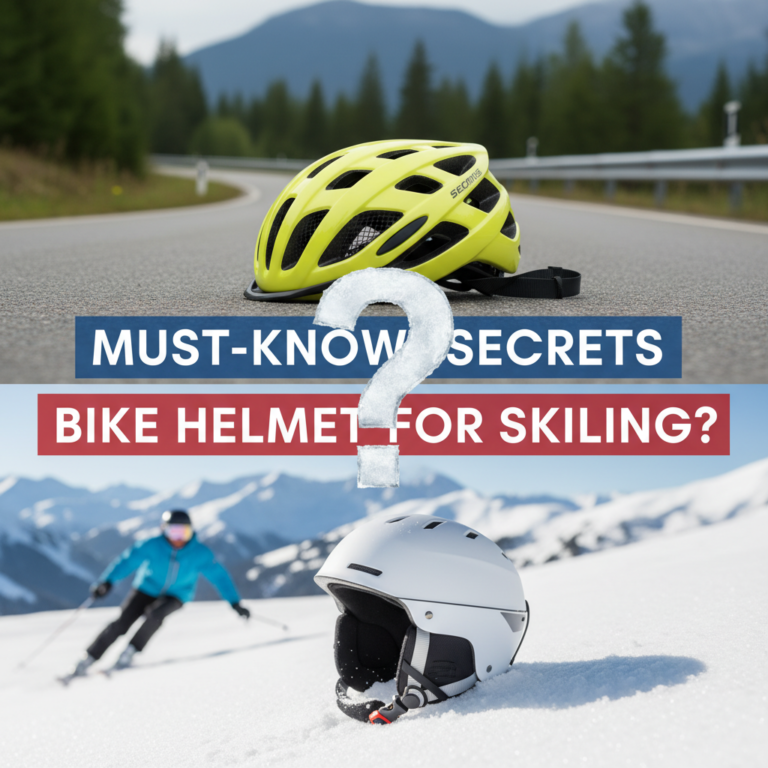
Helmets are engineered with the intent to absorb impact and distribute forces across a broader area to minimize injury risk. The design and materials used can vary significantly depending on the sport or activity. For instance, cycling helmets are often lightweight and ventilated, emphasizing aerodynamic efficiency and comfort, while football helmets incorporate padding and a hard outer shell to withstand high-impact collisions. Recent advancements have introduced multi-layered helmets that utilize foam and other materials to better absorb shock. However, the specific demands of different sports mean that a helmet designed for one activity may not provide the same level of protection in another, underscoring the importance of choosing the right helmet for the activity at hand.
The Science Behind Helmets and Impact

Research indicates that while helmets can significantly reduce the severity of head injuries, they may not prevent concussions entirely. A pivotal study published in the journal Neurology found that athletes wearing helmets were still susceptible to concussions, particularly in sports like football, where rotational forces play a significant role in injury occurrence. Rotational forces occur when the head is struck and begins to spin, causing the brain to twist inside the skull. Unfortunately, most traditional helmets do not effectively mitigate these forces. This reality has led to calls for further research and development of helmet technologies that can better address the complexities of concussive injuries, including the development of helmets that can absorb rotational impacts more effectively.
The Role of Education and Awareness
Educating athletes, coaches, and parents about safe practices is paramount in reducing concussion risks. Awareness programs that emphasize the importance of proper tackling techniques in football or safe riding practices in cycling can significantly decrease the likelihood of head injuries. Additionally, understanding the symptoms of concussions is crucial for early detection and treatment. Implementing mandatory training sessions and workshops that focus on recognizing concussion signs, as well as the importance of reporting them, can create a more informed sports community. Organizations like the CDC and the Concussion Legacy Foundation have developed resources to help promote concussion awareness and management strategies effectively.
Alternative Safety Measures
While helmets are a vital component of safety gear, they should not be the sole protective measure used. Incorporating mouthguards can help protect against jaw injuries and contribute to overall safety. Proper technique training is equally essential, as teaching athletes how to engage in their sport safely can minimize the risk of collisions that lead to concussions. Furthermore, strict enforcement of rules against dangerous play can create a culture of safety. Additionally, advancements in protective gear, such as neck and face guards, may further enhance safety by providing additional layers of protection against the forces that contribute to concussions.
Expert Opinions on Helmet Efficacy
Expert opinions on the efficacy of helmets in preventing concussions highlight the need for a nuanced understanding of their role in sports safety. Neurologists and sports safety experts agree that while helmets are beneficial in reducing the risk of severe head injuries, they are not a foolproof solution. Dr. Robert Cantu, a prominent figure in sports medicine, emphasizes that a comprehensive approach, including education, improved coaching techniques, and rule changes aimed at reducing high-risk behaviors, is essential for effectively lowering concussion rates. Their insights point toward the necessity of continuous research into helmet technology and safety protocols, advocating for innovations that can provide enhanced protection against the mechanisms that cause concussions.
Future Developments in Helmet Technology
The future of helmet technology is promising, with ongoing innovations aimed at improving performance and safety. Researchers are exploring advanced materials such as carbon nanotubes and bio-inspired designs that mimic natural protective structures. These developments aim to create helmets that can absorb and dissipate both linear and rotational forces more effectively. Moreover, the integration of smart technology into helmets, such as sensors that can detect impact forces and alert medical personnel, is on the horizon. These advancements could lead to helmets that not only protect athletes during play but also provide real-time data to monitor their safety and well-being, potentially revolutionizing how we approach head injury prevention in sports.
In conclusion, while helmets are essential for safety in many sports, they are not a complete safeguard against concussions. Understanding their limitations and combining them with other safety measures is crucial for reducing the risk of brain injuries. Through education, awareness, and ongoing advancements in helmet technology, we can foster a safer sporting environment and better protect the health of athletes. Stay informed and advocate for better safety practices in your sports community!
References
- https://www.cdc.gov/headsup/basics/concussions.html
- https://www.nhl.com/news/helmets-do-not-prevent-concussions/c-285412124
- https://www.ncbi.nlm.nih.gov/pmc/articles/PMC5648314/
- https://www.sportshealth.org/en/health-articles/what-you-need-to-know-about-helmets-and-concussions
- https://www.nhtsa.gov/road-safety/motorcycle-safety/helmets
- https://www.verywellhealth.com/helmet-use-and-concussions-5111534
- https://www.sciencedirect.com/science/article/abs/pii/S2213565516300327
- https://www.apa.org/news/press/releases/stress/2020/01/helmets-concussions
- https://www.who.int/news-room/questions-and-answers/item/road-safety-helmets