Do Military Helmets Stop Bullets? Essential Facts Revealed!
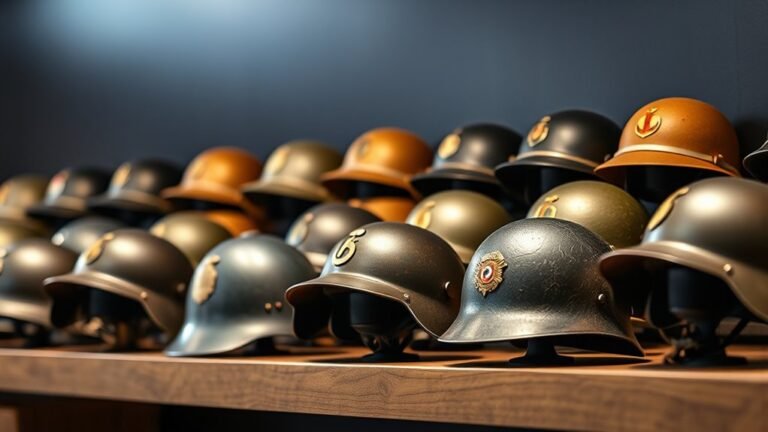
Military helmets are not designed to stop all bullets, but they do provide significant protection against certain ballistic threats. The effectiveness of a military helmet against bullets largely depends on its design, materials, and the type of ammunition used. This article delves into the mechanics of military helmets, their classifications, limitations, and crucial insights into their protective capabilities.
Understanding Military Helmet Design

Military helmets are crafted from advanced materials such as Kevlar, aramid fibers, and sometimes composite materials that enhance their durability and protective qualities. These materials are specifically chosen for their ability to absorb impact and disperse the force over a wider area, thereby reducing the risk of penetrating injuries. The design of these helmets includes a hard outer shell that provides initial resistance to impacts, while the inner padding is engineered to cushion the head and enhance comfort during extended wear. The combination of these elements ensures that military helmets can withstand certain ballistic threats, including shrapnel from explosions and low-velocity projectiles.
Types of Military Helmets


There are several types of military helmets, each serving distinct purposes tailored to specific operational needs. The three primary categories include:
– Ballistic Helmets: These are designed to offer the highest level of protection against ballistic threats, particularly shrapnel and low-caliber rounds. They are often used in combat situations where soldiers may encounter gunfire or explosive devices.
– Bump Helmets: While these helmets do not provide ballistic protection, they are designed to protect the wearer from blunt force impacts, such as falls or strikes from objects. Bump helmets are commonly used in non-combat situations or by personnel engaged in training exercises.
– Tactical Helmets: These helmets often combine features of both ballistic and bump helmets, designed for a range of operational environments. Tactical helmets may incorporate mounting systems for additional accessories such as night vision devices and communication equipment.
Understanding these distinctions is vital when selecting the appropriate helmet for specific missions or environments.
Ballistic Ratings Explained
Helmets are rated according to the National Institute of Justice (NIJ) standards, which classify ballistic protection levels from II to IV. These ratings help determine a helmet’s capability to withstand various types of ammunition:
– Level II: Capable of stopping 9mm and .357 Magnum rounds.
– Level IIIA: Offers protection against .44 Magnum and other similar threats.
– Level III: Designed to stop 7.62mm full metal jacketed bullets and is often used in military applications.
– Level IV: Provides protection against armor-piercing rounds, such as .30 caliber armor-piercing bullets.
The higher the rating, the more advanced materials and technologies are employed in the helmet’s construction, reflecting its ability to stop more powerful rounds. Understanding these ratings is essential for military personnel and safety professionals in assessing their protective gear.
Limitations of Military Helmets
Despite their robust design, military helmets have limitations that users should be aware of. Primarily, helmets do not provide comprehensive protection against all types of bullets, especially high-caliber rounds like .50 caliber or armor-piercing munitions. Their protective capabilities are often concentrated on the top and sides of the head, which means areas such as the face, neck, and lower jaw remain vulnerable. Additionally, while helmets can protect against certain impacts, they may not prevent concussive forces from explosive blasts, which can lead to traumatic brain injuries. Understanding these limitations is crucial for military personnel and security professionals, as relying solely on helmets can lead to a false sense of security.
The Role of Accessories and Add-Ons
Many military helmets can be equipped with various accessories that enhance their protective capabilities and functionality. For instance, visors and face shields can be added to provide additional protection against shrapnel and low-velocity projectiles, significantly increasing the helmet’s effectiveness in combat situations. Furthermore, helmets can be outfitted with communication devices, night vision goggles, and helmet-mounted lights, which not only improve the soldier’s situational awareness but also enhance overall battlefield safety. These add-ons are designed to work seamlessly with the helmet’s structure while ensuring that the wearer maintains mobility and comfort.
Real-World Testing and Case Studies
Research and real-world testing have shown that while military helmets can save lives, they are not infallible against all firearms. Numerous case studies highlight instances where helmets have successfully provided protection from shrapnel, thus preventing serious injuries. For example, a study conducted by the U.S. Army Research Laboratory revealed that soldiers who wore ballistic helmets during combat situations had a significantly lower incidence of head injuries compared to those who did not wear helmets. However, there are also documented cases where helmets failed to protect against direct shots from high-caliber rifles, underscoring the necessity for continued development in helmet technology and design. These findings emphasize the importance of understanding both the capabilities and limitations of military helmets in real-world scenarios.
Choosing the Right Helmet
Selecting the right helmet is a critical decision that should consider the operational environment, the specific threats faced, and the helmet’s ballistic ratings. When choosing a helmet, it is essential to prioritize those that meet or exceed the relevant safety standards for your activities. Factors such as weight, comfort, and compatibility with other gear should also be taken into account. Military personnel, law enforcement, and security professionals should regularly assess their equipment to ensure optimal protection and adapt to evolving threats.
In summary, military helmets serve a vital role in providing protection against certain ballistic threats, but they are not designed to stop all bullets. Understanding their capabilities and limitations is crucial for anyone involved in military operations or personal safety. As technology advances, the development of more effective helmets continues, but awareness of the existing protective gear is essential for maximizing safety in high-risk environments. If you’re interested in more insights on protective gear, stay tuned for our upcoming articles!
References
- https://en.wikipedia.org/wiki/Body_armour
- https://www.ncbi.nlm.nih.gov/pmc/articles/PMC6342633/
- https://www.army.mil/article/211617/understanding_ballistic_helmets
- https://www.researchgate.net/publication/331123456_Ballistic_helmets_and_their_evolution
- https://www.rand.org/pubs/research_reports/RR1512.html
- https://www.defense.gov/Explore/Features/Story/Article/Article/1652189/the-science-behind-ballistic-helmets/
- https://www.sciencedirect.com/science/article/pii/S0735643012000301
- https://www.theguardian.com/world/2021/jul/29/us-army-helmets-bulletproof-materials-research