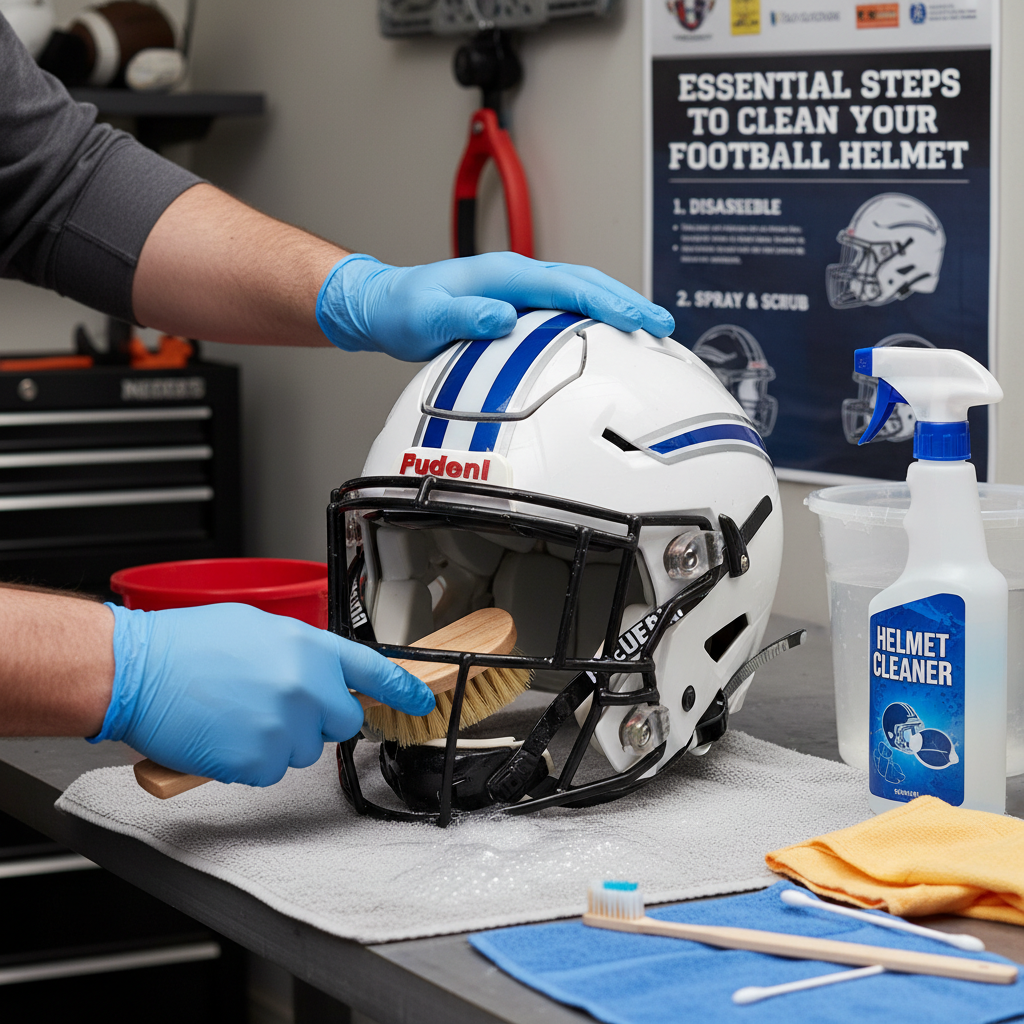
Essential Steps to Clean Your Football Helmet Now
Cleaning the inside of a football helmet is vital for maintaining hygiene and ensuring player safety. Regular cleaning not only prevents the build-up of bacteria and odors but also extends the lifespan of the helmet itself. By following a structured cleaning process, you can keep your helmet in optimal condition, ensuring it provides the best protection during games and practices.
Gather Your Supplies
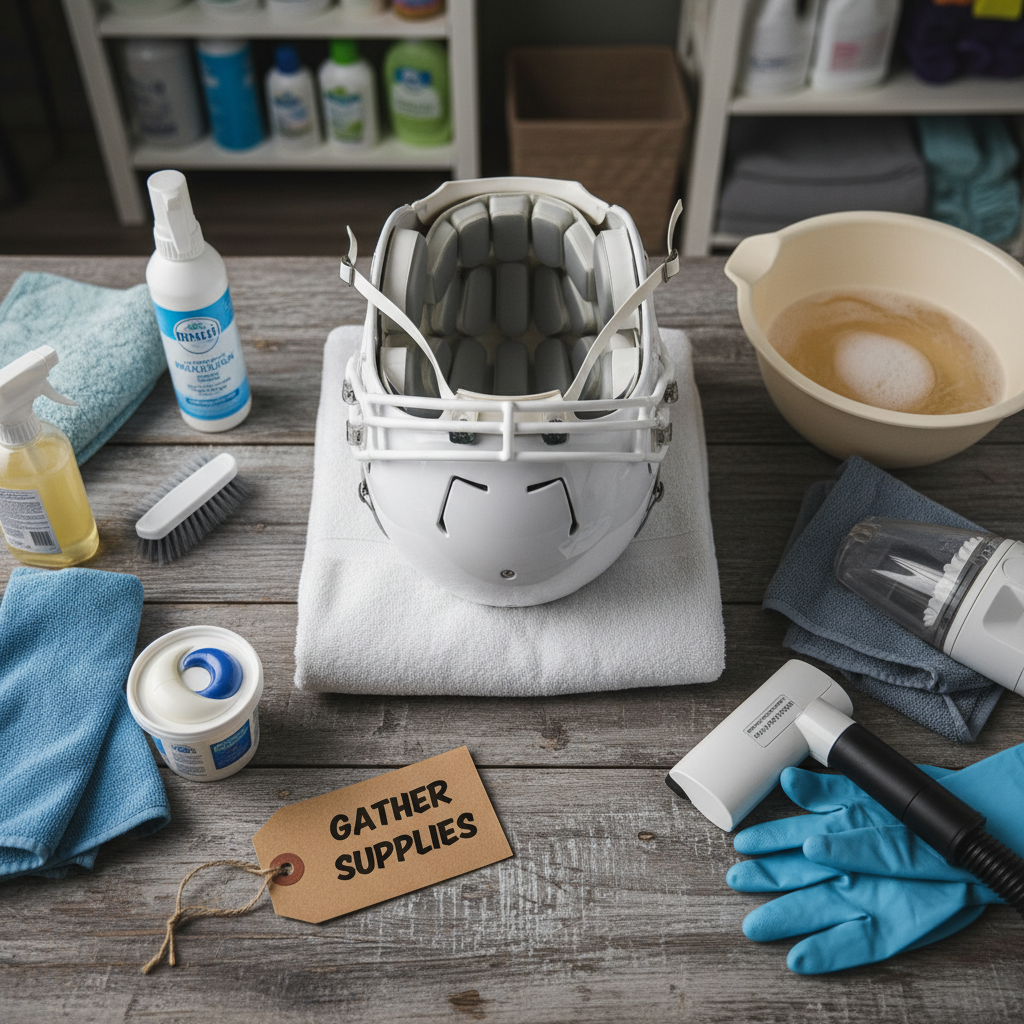
Before diving into the cleaning process, it’s essential to gather the necessary supplies to ensure an effective clean.
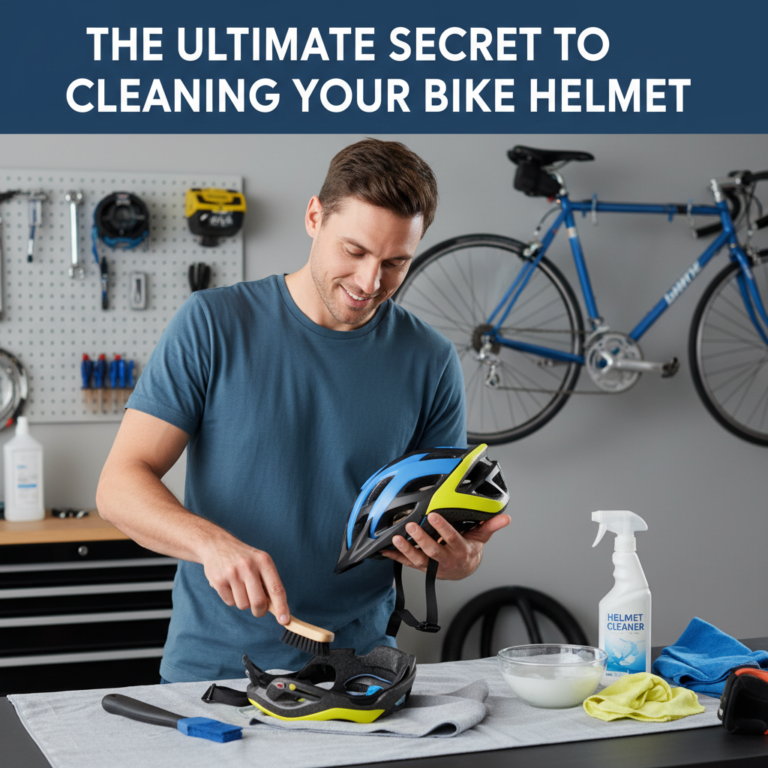
– Mild soap or helmet cleaner: Selecting a gentle cleanser is crucial to avoid damaging the helmet’s materials. Look for products specifically designed for sports equipment; these will be effective yet safe.
– Soft cloths and sponges: Opt for non-abrasive cloths to prevent scratching the surface of the helmet. Microfiber cloths are ideal as they are both soft and absorbent.
– Water: A mixture of water and soap will serve as your primary cleaning solution. It’s advisable to use lukewarm water, as it can help dissolve dirt and grime more effectively than cold water.
Having the right supplies ready will streamline the cleaning process, making it more efficient and thorough.
Prepare the Helmet for Cleaning
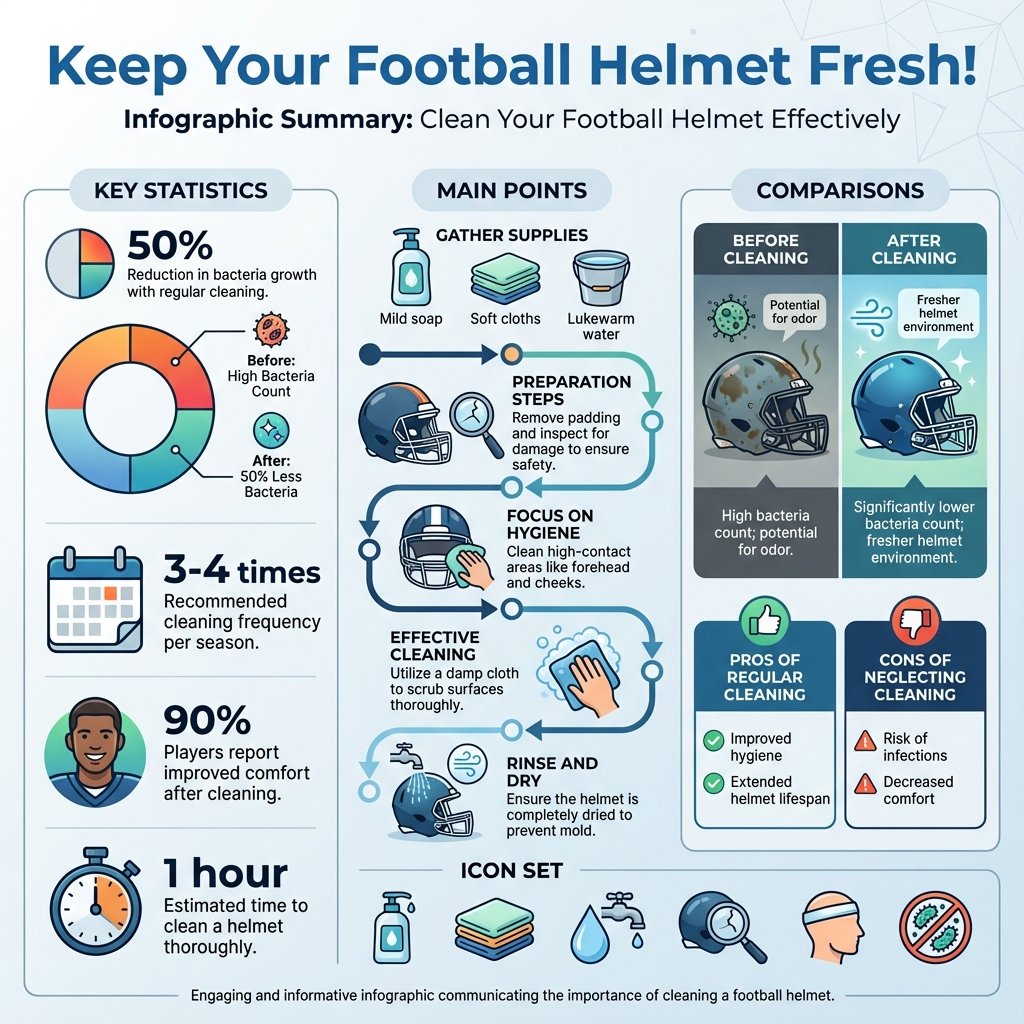
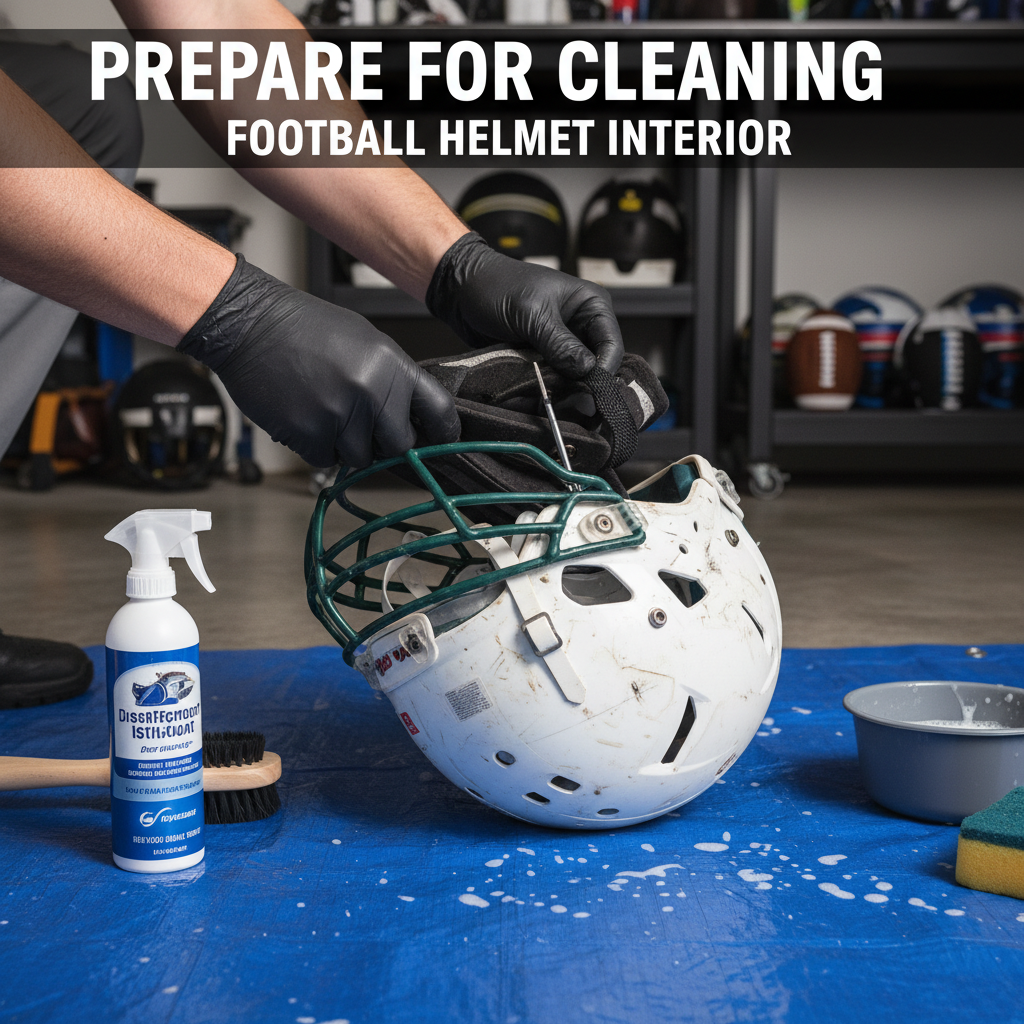
Preparation is key to a successful cleaning session.
– Remove the padding: Most football helmets have removable padding that can be easily detached. This step allows you to access hard-to-reach areas that are often overlooked during regular cleaning. Be sure to handle the padding carefully to avoid causing any damage.
– Inspect for damage: As you prepare the helmet, take the opportunity to check for any signs of wear or tear. Look for cracks, dents, or fraying in the padding. Identifying damage early can prevent more significant issues later, ensuring that the helmet continues to provide adequate protection.
Taking these preliminary steps will not only facilitate a thorough cleaning but also enhance the overall safety of the helmet.
Clean the Helmet Interior
Now that the helmet is prepared, it’s time to clean the interior effectively.
– Wipe down surfaces: Dampen a soft cloth or sponge with your cleaning solution and gently scrub the interior surfaces of the helmet. Pay particular attention to the areas where sweat and oils accumulate, as these can foster bacterial growth.
– Focus on high-contact areas: The forehead and cheek areas are often the most susceptible to sweat build-up. Use a little extra pressure with the cloth in these regions to ensure they are thoroughly cleaned. Additionally, don’t forget to clean the chin strap and any other components that may come into contact with the skin.
By concentrating on these specific areas, you can significantly improve the hygiene of your helmet and enhance the comfort for the wearer.
Rinse and Dry Thoroughly
After cleaning, it’s crucial to rinse and dry the helmet properly to ensure safety and cleanliness.
– Rinse with clean water: Using a clean cloth or sponge, rinse away any soap residue with fresh water. It’s important to ensure that all cleaning agents are removed, as leftover soap can irritate the skin during use.
– Air dry completely: Place the helmet in a well-ventilated area to dry thoroughly. Avoid using heat sources, such as hair dryers or direct sunlight, as these can warp or damage the helmet’s materials. A complete drying process is essential to prevent any mold or mildew growth.
Proper rinsing and drying set the foundation for a safe and hygienic helmet.
Reassemble and Sanitize
Once the helmet is clean and dry, it’s time to reassemble it.
– Reattach the padding: After ensuring that both the helmet and padding are completely dry, carefully reinsert the padding into the helmet. Ensure that all components fit snugly and securely to maintain the helmet’s structural integrity.
– Use disinfectant wipes: For an added layer of protection, give the interior a final wipe down with disinfectant wipes that are safe for sports equipment. This step will help eliminate any lingering germs and ensure the helmet is ready for use.
This thorough reassembly and sanitization process aids in maintaining the helmet’s cleanliness and longevity.
Maintenance Tips
To keep your helmet in peak condition, it’s important to establish a routine maintenance plan.
– Regular cleaning schedule: Aim to clean the helmet after every game or practice. This routine not only ensures hygiene but also allows you to catch any wear and tear early on.
– Store properly: Store the helmet in a cool, dry place, away from direct sunlight and moisture. A helmet bag can provide additional protection and prevent dust accumulation. Proper storage is essential for preventing mold and mildew buildup, which can compromise the helmet’s structure and hygiene.
Implementing these maintenance tips will prolong the life of your helmet, ensuring it remains safe and effective for future use.
Maintaining a clean football helmet is essential for player health and performance. By following these essential steps, including gathering the right supplies, preparing the helmet for cleaning, thoroughly cleaning the interior, and implementing a regular maintenance routine, you can ensure your helmet stays fresh and safe for every game. Start cleaning your helmet today for a better tomorrow on the field!
References
- https://www.nfl.com/news/how-to-clean-your-football-helmet-0ap3000001055401
- https://www.mayoclinic.org/healthy-lifestyle/fitness/expert-answers/football-helmet-care/faq-20058038
- https://www.ncbi.nlm.nih.gov/pmc/articles/PMC6777195/
- https://www.cdc.gov/headsup/basics/football.html
- https://www.sportsafety.org/helmet-care/
- https://www.ncaa.org/sports/football/helmet-safety
- https://www.hhs.gov/fitness/health-and-safety/helmet-care/index.html