Georgia’s Helmet Law: Essential Facts Every Rider Must Know
Georgia does have a helmet law, but it comes with specific conditions. Riders over the age of 21 are not required to wear a helmet if they meet certain criteria, while those under 21 must wear one at all times. Understanding these laws is crucial for ensuring safety and compliance on the road, as they not only protect riders but also influence insurance coverage and legal liabilities.
Understanding Georgia’s Helmet Law

In Georgia, the helmet law is structured around the age of the rider, which is an essential factor for compliance. Riders who are under the age of 21 are mandated by law to wear a helmet at all times while operating or riding on a motorcycle. This is rooted in the understanding that younger riders may have less experience and are statistically more vulnerable to accidents.
For riders aged 21 and older, the rules become more flexible. These individuals are not legally required to wear a helmet if they can demonstrate that they have a valid motorcycle license and possess adequate medical insurance coverage. Specifically, the law stipulates that riders must have at least $20,000 in medical benefits for injuries sustained in a motorcycle accident. This provision aims to encourage responsible riding while still allowing experienced motorcyclists the freedom to choose whether or not to wear a helmet.
Understanding these distinctions is critical for all motorcycle riders in Georgia, as non-compliance can lead to significant legal implications and safety risks.
Why Helmet Use is Important

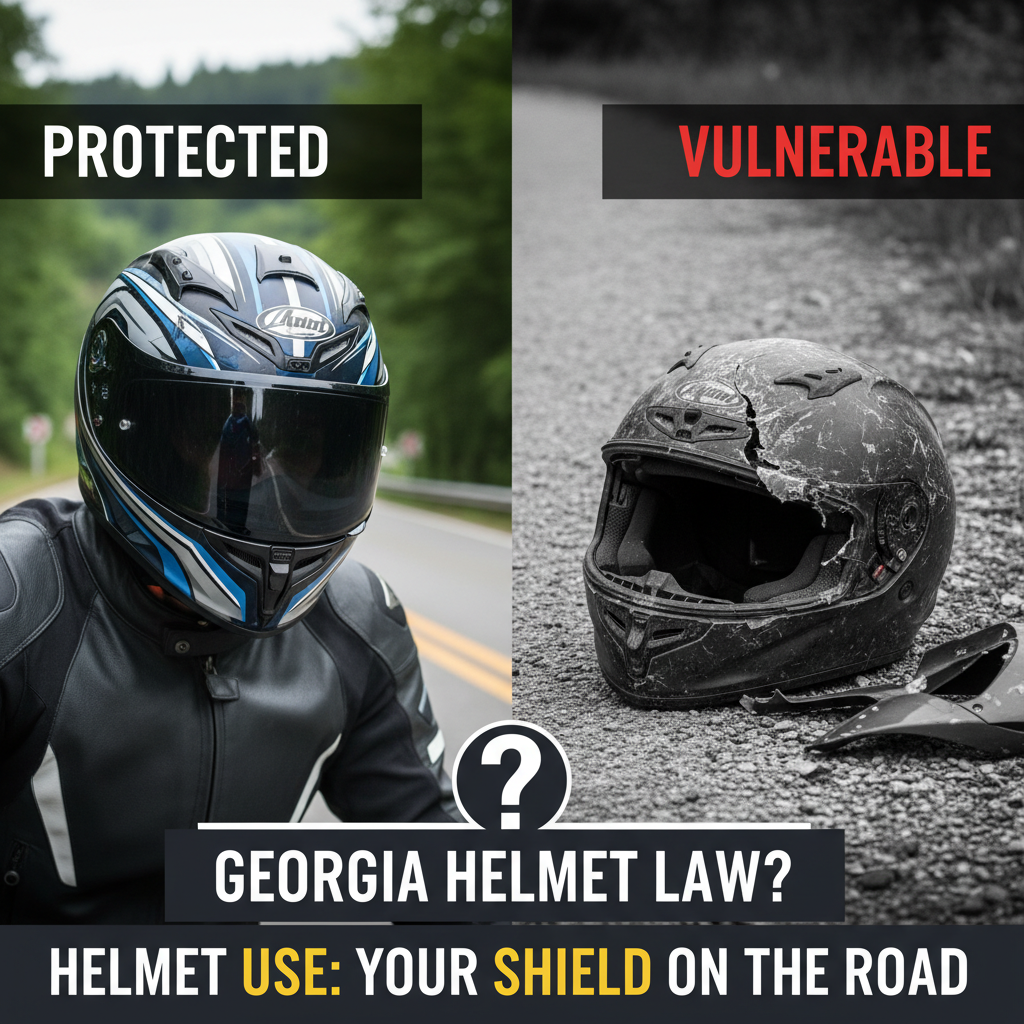
The importance of helmet use cannot be overstated. Helmets are designed to protect the head and brain in the event of an accident, significantly reducing the likelihood of severe head injuries. Studies have consistently shown that wearing a helmet can decrease the risk of head injury by as much as 69%, and the risk of death by approximately 42%. These statistics highlight the life-saving potential of helmets.
Moreover, helmets not only safeguard the rider but also have broader implications for healthcare costs. According to the National Highway Traffic Safety Administration (NHTSA), unhelmeted riders incur higher medical expenses, which can lead to increased insurance premiums and strain on public health systems. By promoting helmet use, Georgia can potentially lower overall healthcare costs associated with motorcycle injuries, benefiting both individuals and society.
Key Exceptions to the Law
While the primary stipulations of Georgia’s helmet law are clear, there are exceptions that riders need to be aware of. As mentioned earlier, riders over the age of 21 can opt out of wearing a helmet if they meet certain insurance criteria. However, it is essential to note that this exemption is contingent upon having the necessary medical insurance coverage, which can vary by provider and plan.
Recently, there have been discussions in the Georgia legislature regarding potential changes to helmet laws. Some lawmakers have proposed amendments that could create more stringent requirements for helmet use, particularly in light of increasing motorcycle accident rates. Staying informed about these potential changes is crucial for all riders, as they directly impact legal obligations and safety practices on the road.
The Impact of Not Wearing a Helmet
Failing to wear a helmet while riding a motorcycle in Georgia can have severe legal consequences. Law enforcement officers have the authority to issue citations for non-compliance, which can result in fines and points on the rider’s driving record. Moreover, in the event of an accident, not wearing a helmet can complicate legal proceedings and affect the outcome of insurance claims. Riders who are involved in accidents while unhelmeted may face difficulties in securing compensation for injuries, as insurance companies often scrutinize compliance with helmet laws.
Additionally, statistics indicate that unhelmeted riders are at a greater risk of sustaining life-altering injuries. A study published by the Journal of Trauma found that motorcyclists who do not wear helmets are more likely to suffer from traumatic brain injuries (TBIs) and other severe conditions. Such injuries not only affect the rider’s quality of life but can also lead to long-term healthcare needs that strain both personal finances and public health resources.
Insurance Implications for Riders
The nuances of helmet laws in Georgia also extend to insurance implications. Riders who opt not to wear helmets must ensure that their insurance coverage meets the state’s requirements. Failure to maintain adequate insurance can result in penalties and challenges in the event of an accident. Furthermore, riders should be aware that their insurance premiums might be influenced by their compliance with helmet laws, as insurers often consider risk factors when determining rates.
It is imperative for motorcycle riders to verify their insurance coverage details before hitting the road. Riders should consult with their insurance providers to understand the specific requirements related to helmet use and any potential impacts on coverage in the event of an accident. Being proactive in understanding these aspects can help mitigate risks and ensure adequate protection.
Safety Statistics in Georgia
Georgia’s motorcycle accident statistics paint a concerning picture regarding helmet use and road safety. According to the Georgia Department of Transportation, in 2021 alone, there were over 2,200 motorcycle crashes, resulting in nearly 200 fatalities. A significant percentage of these fatalities involved riders who were not wearing helmets.
When compared to states with strict helmet laws, Georgia’s accident rates reflect a broader trend; states that enforce universal helmet laws tend to have lower rates of motorcycle fatalities. For instance, states like California and Florida, which have comprehensive helmet laws, report significantly fewer deaths related to motorcycle accidents. These statistics underscore the importance of helmet use in enhancing rider safety and reducing fatal outcomes.
Tips for Safe Riding in Georgia
To ensure safety while riding in Georgia, motorcyclists should adopt best practices that extend beyond mere compliance with helmet laws. Here are several actionable tips for safe riding:
1. Always Wear Protective Gear: In addition to helmets, riders should wear gloves, jackets, pants, and boots designed for motorcycle use to enhance protection against road rash and injuries.
2. Take Motorcycle Safety Courses: Enroll in local motorcycle safety courses, such as those offered by the Motorcycle Safety Foundation (MSF). These courses provide valuable skills and knowledge to improve riding safety.
3. Regularly Maintain Your Motorcycle: Routine maintenance checks are essential to ensuring that your motorcycle is in good working condition. This includes checking brakes, tires, lights, and fluid levels.
4. Stay Informed About Traffic Laws: Being knowledgeable about local traffic laws and regulations can help riders navigate the roads safely and legally.
5. Participate in Group Rides: Riding with a group can enhance safety, as experienced riders can provide guidance and support to less experienced individuals.
By following these tips, riders can significantly improve their safety and enjoyment while navigating Georgia’s roads.
Understanding Georgia’s helmet law is vital for all motorcycle riders. Whether you choose to wear a helmet or not, ensuring you meet the legal requirements can save you from legal troubles and enhance your safety on the road. Stay informed, ride safe, and always prioritize your well-being.
References
- https://www.georgia.gov/government/officials/executive-branch/departments/dot/motorcycle-safety/helmet-law
- https://www.nhtsa.gov/motorcycle-safety/helmet-laws
- https://www.ama-cycle.org/advocacy/state-issues/helmet-laws/
- https://en.wikipedia.org/wiki/Motorcycle_helmet_law
- https://www.ghsa.org/resources/helmet-laws
- https://www.safetyandhealthmagazine.com/articles/18572-helmet-laws-in-the-united-states
- https://www.iii.org/fact-statistic/facts-statistics-motorcycle-safety
- https://www.cdc.gov/motorvehiclesafety/motorcycle/index.html