Must-Know Bike Helmet Laws in California
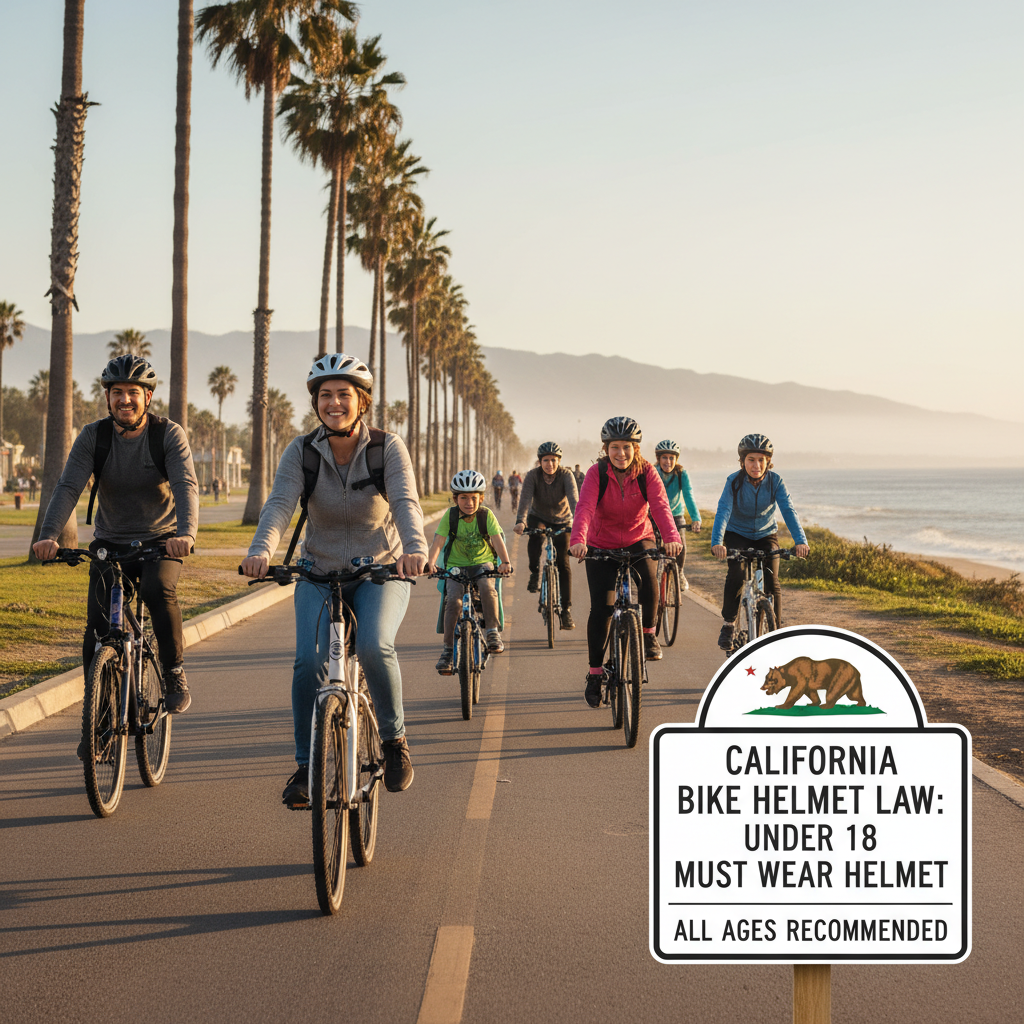
In California, wearing a bike helmet is required for riders under 18 years old. For those over 18, it’s not mandatory, but highly recommended for safety. Understanding these laws not only helps you avoid fines but also ensures your safety on the road, making it essential for both young cyclists and adults to be informed about helmet regulations and their importance.
Understanding California’s Helmet Laws

California law mandates that all cyclists under 18 must wear a helmet while riding. This requirement is outlined in California Vehicle Code Section 21212, which was enacted to promote safety among young riders who are often more vulnerable to accidents and injuries. Failing to wear a helmet as a minor can result in fines and penalties, typically ranging from $25 to $250, depending on the jurisdiction and the number of offenses. Additionally, law enforcement officers may also refer minors to educational programs on bicycle safety and helmet use.
For adults aged 18 and over, while wearing a helmet is not legally required, the law encourages responsible riding and emphasizes safety precautions. Many local jurisdictions have adopted stricter rules, so it is vital for adult cyclists to familiarize themselves with specific regulations in their area. Understanding these laws can help avoid legal issues and create a safer cycling environment for everyone.
Benefits of Wearing a Helmet


Wearing a helmet while cycling provides significant benefits, particularly in reducing the risk of head injuries in accidents. Studies suggest that helmets can lower the risk of head injury by up to 85%, illustrating their critical role in protecting cyclists. In a collision, a helmet can absorb the impact and distribute forces away from the skull, thereby lessening the chances of traumatic brain injuries, concussions, and other severe consequences.
Moreover, wearing a helmet enhances visibility to motorists, which is another crucial aspect of road safety. Brightly colored helmets or those equipped with reflective materials can make cyclists more noticeable, especially in low-light conditions or during nighttime rides. This increased visibility can contribute to a safer riding experience, as motorists are more likely to see and respect the space of helmeted cyclists.
Exceptions to the Law
While California has a clear statewide mandate regarding helmet use for minors, there are exceptions and additional regulations that cyclists should be aware of. Certain local jurisdictions may have established their own helmet laws that go beyond state requirements. For example, cities like Los Angeles and San Francisco may enforce stricter penalties for non-compliance or have specific regulations regarding helmet use on bike paths and lanes.
Additionally, electric bike riders may face specific regulations regarding helmet use. California law categorizes electric bicycles into three classes, and while riders of Class 1 and Class 2 e-bikes (pedal-assist and throttle-assisted bikes) are subject to the same helmet laws as traditional cyclists, Class 3 e-bike riders (which can reach higher speeds) are required to wear helmets regardless of age. Understanding these distinctions is crucial for ensuring compliance with local laws and maintaining personal safety.
The Risks of Not Wearing a Helmet
Choosing to ride without a helmet can significantly increase the likelihood of severe injuries in the event of an accident. According to the National Highway Traffic Safety Administration (NHTSA), head injuries are a leading cause of death and disability among cyclists. Without proper head protection, even minor accidents can result in catastrophic outcomes, including concussions, skull fractures, and long-term neurological damage.
Beyond the physical risks, there are potential legal consequences and liability issues associated with not wearing a helmet. Should a cyclist without a helmet be involved in a crash, they may face challenges in legal proceedings, especially if a claim is made for damages. Insurance companies may argue that the lack of a helmet contributed to the severity of the injuries, affecting compensation and liability assessments. Thus, wearing a helmet not only protects your health but also safeguards your legal standing.
Tips for Choosing the Right Helmet
Selecting the right helmet is essential for maximizing protection and comfort while riding. When shopping for a helmet, look for safety certifications such as the Consumer Product Safety Commission (CPSC) or the ASTM (American Society for Testing and Materials) standards. These certifications ensure that the helmet meets specific safety criteria and has undergone rigorous testing.
Fit is another critical factor. A properly fitted helmet should sit level on your head, covering your forehead and not tilting backward or forward. It should feel snug but not overly tight, with the straps forming a “V” shape just below your ears. You can test the fit by shaking your head; a well-fitted helmet should remain in place without sliding. Additionally, consider features like ventilation, weight, and adjustability to enhance comfort during your rides.
Local Resources for Cyclists
For those looking to ensure they are well-equipped and informed, local bike shops serve as invaluable resources for helmet fittings and safety workshops. Many shops offer professional fitting services that can help you find the perfect helmet for your head shape and riding style. Additionally, they may provide educational materials or host safety workshops that cover a range of topics, from proper helmet use to safe riding techniques.
Community programs that promote safe cycling practices are also an excellent resource for cyclists of all ages. Organizations like the League of American Bicyclists and local advocacy groups often conduct safety classes, group rides, and outreach events aimed at educating the public about helmet use and road safety. Engaging with these resources can enhance your cycling knowledge and foster a culture of safety within your community.
What to Do If You’re Stopped by Law Enforcement
If you find yourself stopped by law enforcement regarding helmet use, it’s important to know your rights and the local laws. Remain calm and polite, and be prepared to show identification, especially if you’re riding in an area with specific helmet regulations. Officers may inquire about your understanding of helmet laws, so being informed will help you navigate the situation more effectively.
In the event of receiving a citation, you may have the option to contest it, particularly if you were wearing a helmet or if there was a misunderstanding regarding local laws. Documenting the encounter and any relevant information can also be beneficial for future reference. Ultimately, maintaining a respectful dialogue with law enforcement can facilitate a smoother resolution.
In conclusion, while California law requires helmets for those under 18, wearing one is a wise choice for cyclists of all ages. Helmets significantly reduce the risk of head injuries and enhance visibility on the road, making them an essential piece of safety equipment. By understanding the helmet laws, recognizing the potential risks of riding without one, and utilizing local resources, cyclists can prioritize their safety and enjoy a more secure riding experience. Stay informed, stay safe, and enjoy your ride!
References
- https://www.nhtsa.gov/road-safety/bicycle-safety
- https://www.leginfo.ca.gov/cgi-bin/displaycode?section=veh&group=21001-22000&file=21212
- https://www.cyclingutah.com/advocacy/bike-helmet-laws-in-california/
- https://www.cabike.org/resources/helmet-law/
- https://www.bikeleague.org/content/helmet-laws-california
- https://www.sanfrancisco.gov/transportation/bicycle-safety
- https://www.cdc.gov/helmet/index.html
- https://www.nolo.com/legal-encyclopedia/bike-helmet-laws-california-32669.html