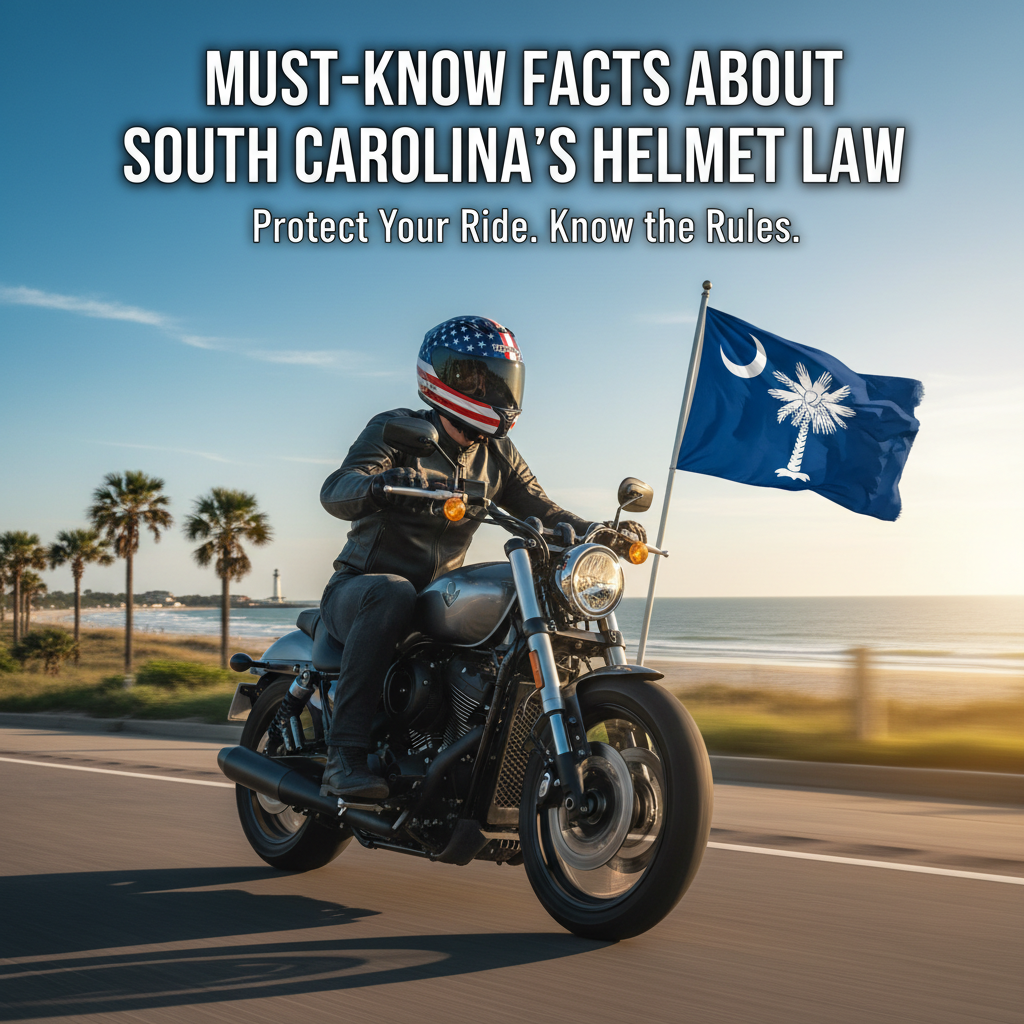
**Must-Know Facts About South Carolina’s Helmet Law**
South Carolina does not have a mandatory helmet law for all motorcycle riders. While some states enforce strict helmet use, South Carolina allows certain riders to choose whether to wear a helmet, provided they meet specific criteria. Understanding these nuances is essential for motorcyclists, as the implications of this law can significantly impact personal safety and legal responsibilities. This article will delve into the specifics of the helmet law, the legal landscape for motorcyclists, safety considerations, exceptions to the law, comparisons with other states, advocacy efforts, and tips for safe riding.
Understanding South Carolina’s Helmet Law
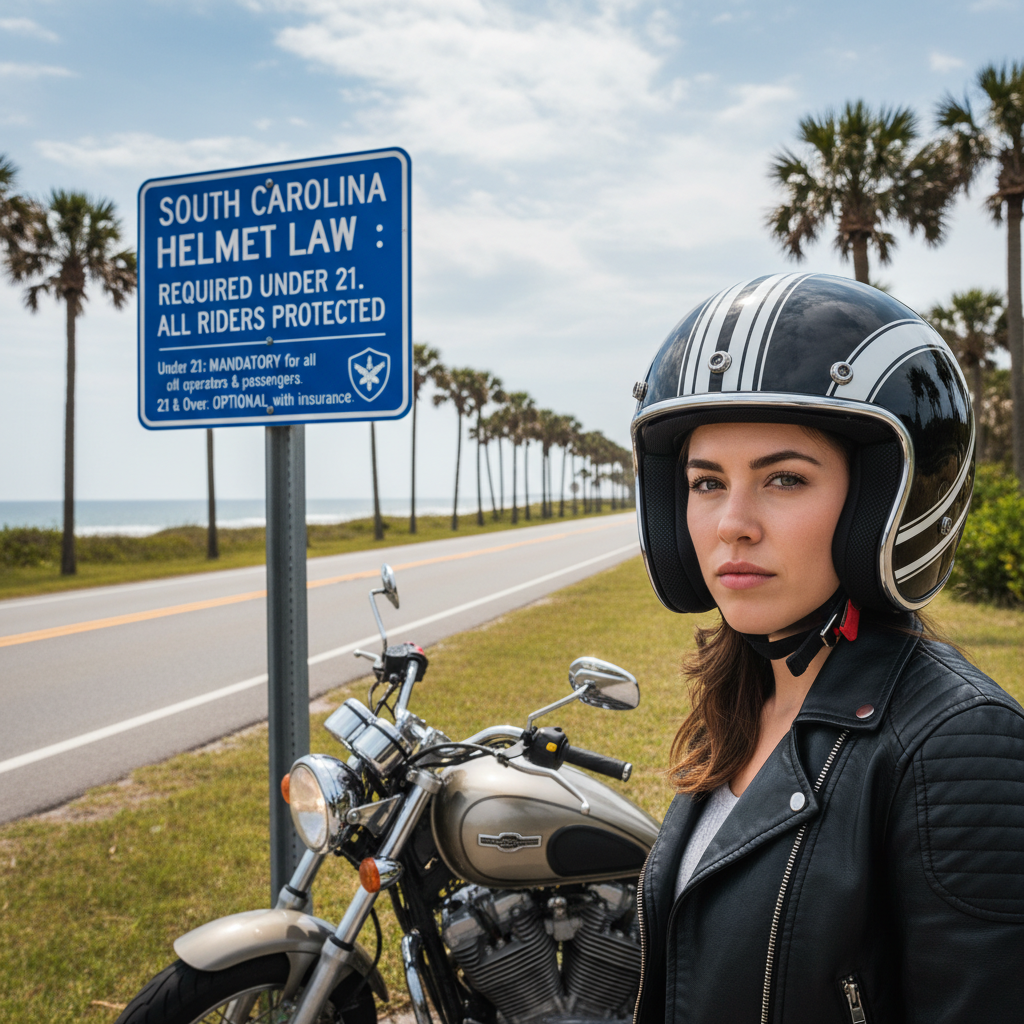
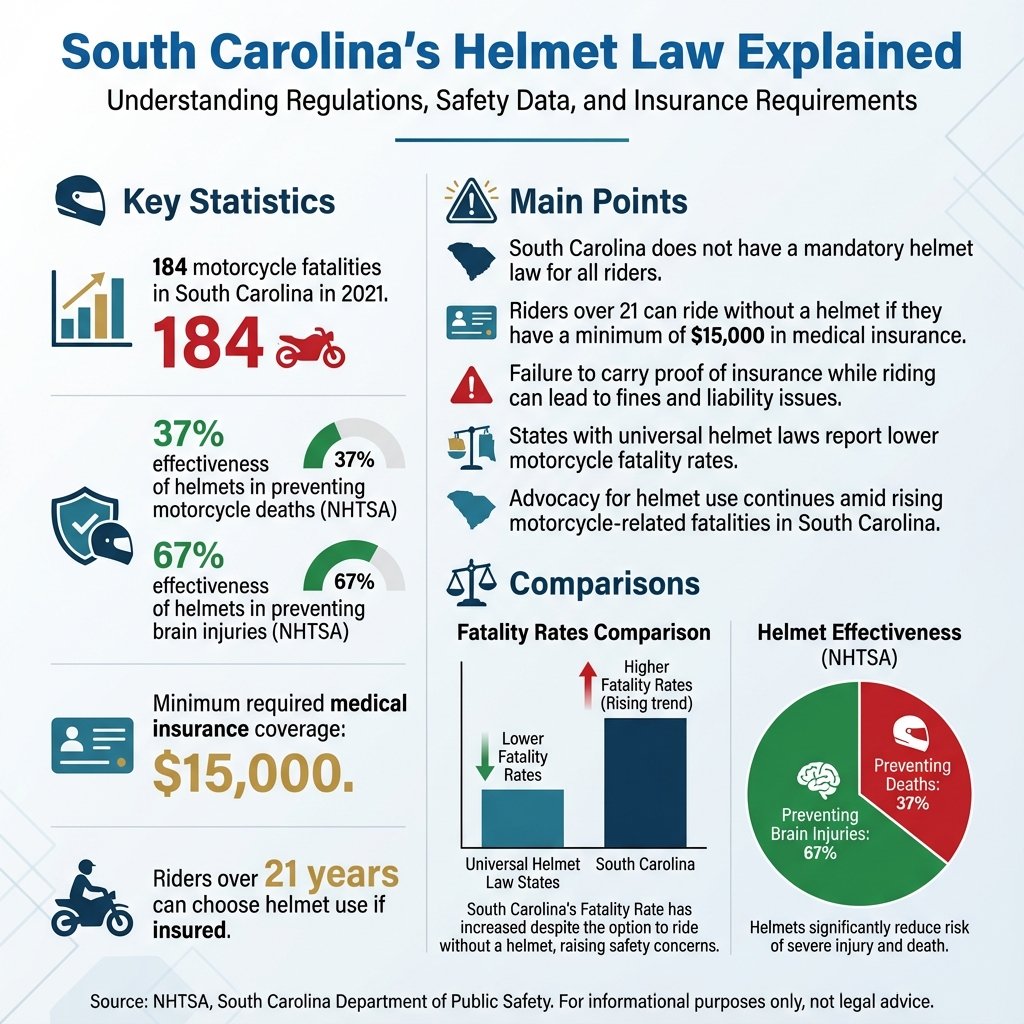
In South Carolina, the helmet law permits riders over the age of 21 to ride without a helmet if they fulfill certain conditions. Specifically, riders must possess a minimum of $15,000 in medical insurance coverage. This requirement is designed to ensure that, in the event of an accident, riders can cover their medical expenses, which can be significant given the nature of motorcycle injuries. It’s important to note that while the law provides flexibility, wearing a helmet is still strongly advised due to the increased risk of head injuries associated with motorcycle riding.
The law also requires that motorcyclists who opt out of wearing a helmet carry proof of their insurance at all times while riding. Failure to comply with these regulations can result in penalties, including fines and potential liability issues in the event of an accident.
The Legal Landscape for Motorcyclists
The legal framework surrounding motorcycle safety in South Carolina is shaped by both state and federal regulations. While federal guidelines emphasize the importance of helmet use for safety, states have the autonomy to establish their own laws. South Carolina’s decision to not enforce a universal helmet law is a reflection of a broader legislative trend across the United States, where helmet laws can vary significantly from one state to another.
The absence of a mandatory helmet law in South Carolina has implications for accident statistics. Reports indicate that states with universal helmet laws tend to have lower rates of motorcycle fatalities and serious injuries. In contrast, South Carolina has seen an increase in motorcycle-related fatalities, raising questions about the effectiveness of the existing law. In 2021, for example, there were 184 motorcycle fatalities in South Carolina, a staggering statistic that underscores the critical need for ongoing discussions about rider safety and helmet use.
Safety Considerations for Riders
Research consistently shows that wearing helmets can dramatically reduce the risk of head injuries during motorcycle accidents. According to the National Highway Traffic Safety Administration (NHTSA), helmets are estimated to be 37% effective in preventing motorcycle deaths and 67% effective in preventing brain injuries.
In South Carolina, the statistics speak volumes. The state has experienced a significant number of motorcycle crashes that resulted in severe injuries, many of which could have been mitigated with proper helmet use. In 2020 alone, South Carolina reported over 2,000 motorcycle crashes, with a notable percentage leading to fatalities. This reality emphasizes the importance of prioritizing safety and considering the long-term consequences of riding without a helmet.
Exceptions to the Helmet Law
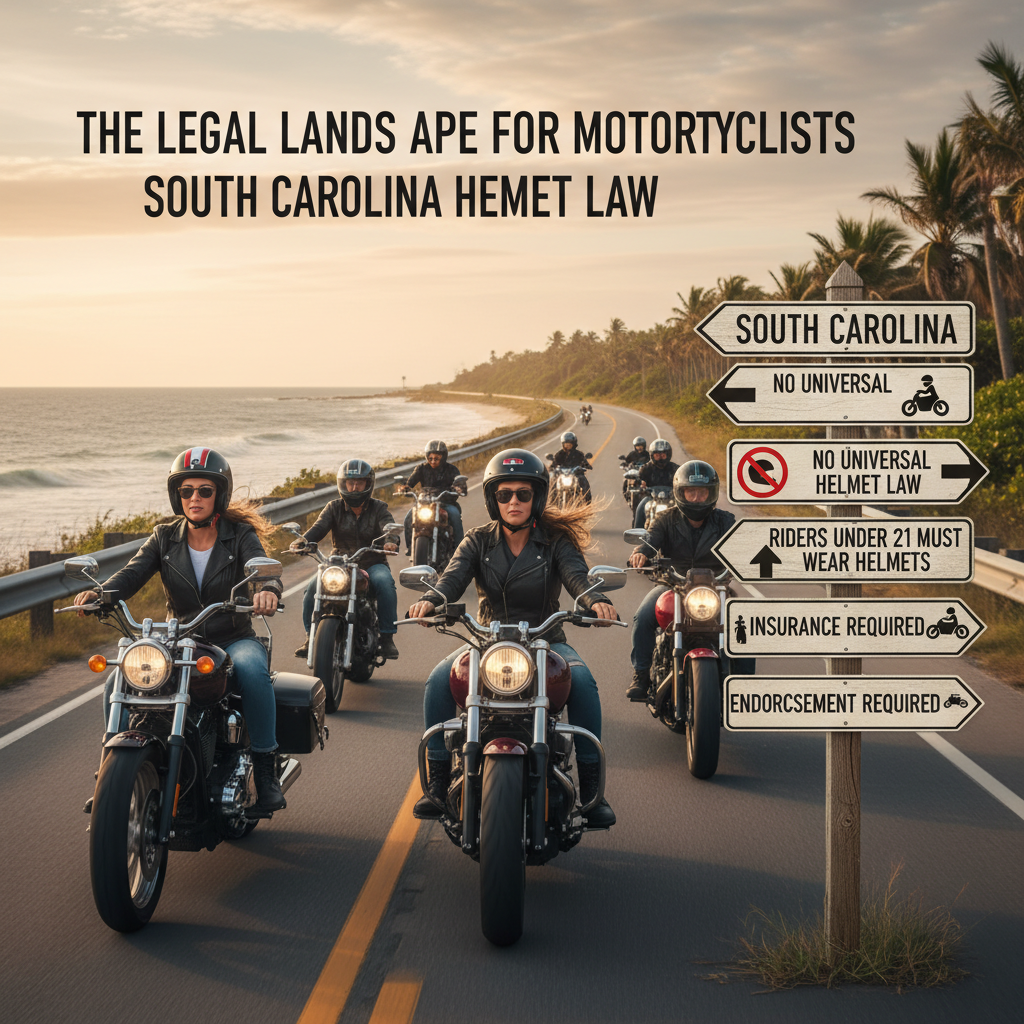
While the law primarily applies to riders over 21 years old, there are specific exceptions and rules that pertain to younger riders and passengers. For instance, riders under the age of 21 are required to wear helmets at all times, regardless of their insurance status. This regulation is in place to protect younger, less experienced riders who may be at a higher risk of accidents.
Additionally, passengers on motorcycles are subject to the same helmet requirements as the riders. If a passenger is under 21, they must wear a helmet, while those over 21 can decide based on their insurance coverage. This distinction is crucial for ensuring the safety of all individuals on the motorcycle, making it imperative for riders to be aware of these regulations.
Comparing South Carolina with Other States
When examining helmet laws in neighboring states, South Carolina stands out for its more lenient regulations. For example, Georgia and North Carolina enforce mandatory helmet laws for all riders, regardless of age or insurance status. In contrast, Florida allows riders over 21 to choose whether to wear a helmet, similar to South Carolina’s law.
Nationally, the landscape of helmet laws is diverse, with some states adopting a universal approach while others offer riders the freedom to make their own choices. This patchwork of regulations can lead to confusion among riders traveling across state lines, highlighting the importance of being informed about local laws and their implications for safety.
Advocacy and Public Opinion
Local advocacy groups play a critical role in shaping public opinion and influencing motorcycle safety legislation in South Carolina. Organizations like the South Carolina Motorcycle Association (SCMA) actively engage in promoting helmet use and advocating for safer riding conditions. They provide resources for riders, conduct safety training sessions, and lobby for changes in helmet laws.
Public opinion regarding motorcycle safety and helmet use is evolving, with many individuals recognizing the benefits of helmet-wearing. Surveys indicate that a majority of South Carolinians support stricter helmet laws, particularly in light of rising accident statistics. This shift in sentiment underscores the need for ongoing dialogue about motorcycle safety and the potential for legislative changes in the future.
Tips for Safe Riding in South Carolina
While the choice to wear a helmet is ultimately up to the individual, several other safety practices can enhance the riding experience in South Carolina. Riders are encouraged to invest in high-quality safety gear, including gloves, jackets, pants, and boots that offer protection against abrasions and impacts.
Additionally, it is crucial for motorcyclists to undergo proper training and obtain a motorcycle endorsement on their driver’s license. Continuous education about safe riding practices, defensive driving techniques, and situational awareness can significantly reduce the risk of accidents. Riders should also perform regular maintenance checks on their motorcycles to ensure optimal performance and safety.
In conclusion, while South Carolina does not mandate helmet use for all riders, understanding the law and prioritizing safety is crucial. The nuances of the helmet law, along with the implications for rider safety, cannot be overlooked. Whether you choose to wear a helmet or not, being informed can help you make the best decision for your safety while riding. Stay safe and consider joining local advocacy efforts to promote motorcycle safety awareness, as collective action can lead to improved safety standards for all motorcyclists in the state.
References
- https://www.scdmvonline.com/Driver-Services/Motorcycle-Helmets
- https://www.nhtsa.gov/road-safety/motorcycles
- https://www.ghsa.org/state-laws/issues/motorcycle-helmet-laws
- https://www.wyff4.com/article/south-carolina-helmet-law-what-you-need-to-know/34701586
- https://www.scstatehouse.gov/code/t56c005.php
- https://www.motorcyclelegalfoundation.com/south-carolina-motorcycle-helmet-law/
- https://www.southernmotorcycle.com/helmet-law-facts-south-carolina/
- https://www.cdc.gov/motorvehiclesafety/motorcycle/index.html