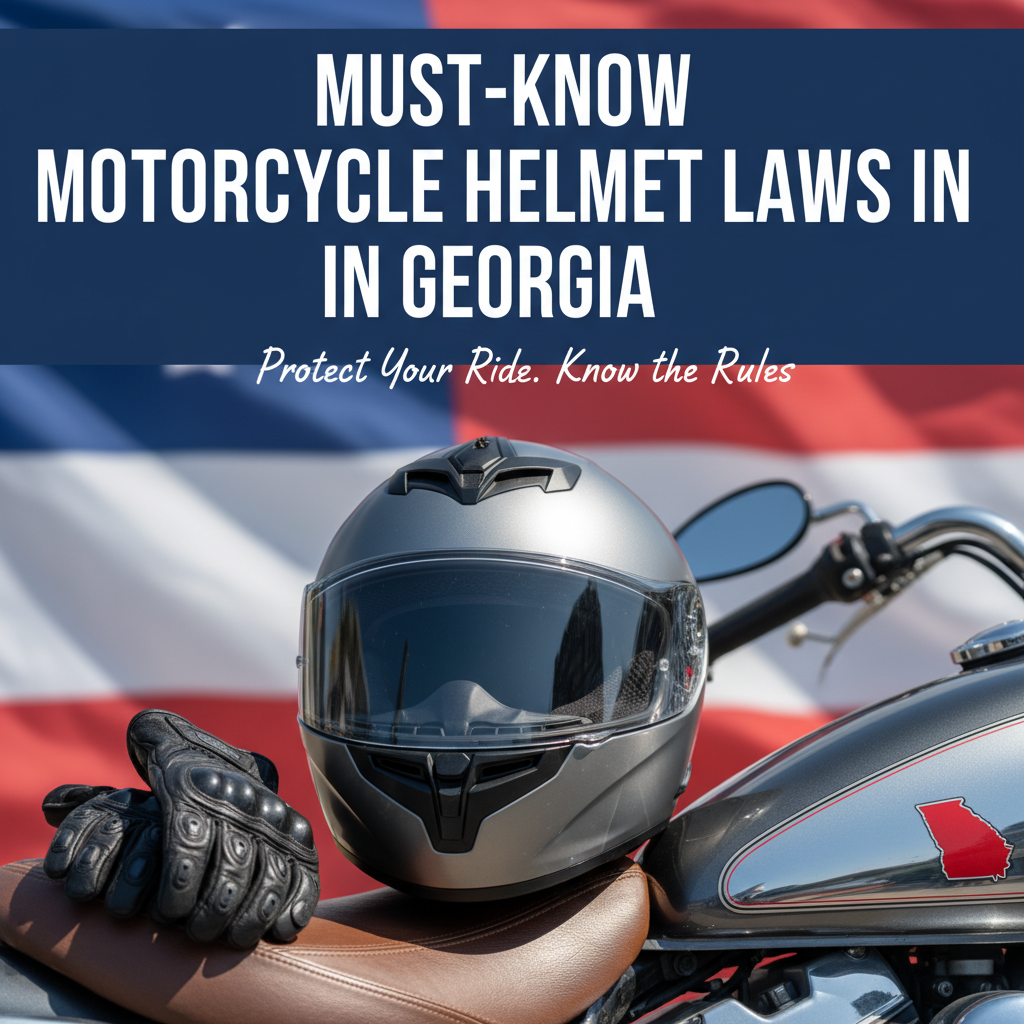
**Must-Know Motorcycle Helmet Laws in Georgia**
In Georgia, motorcycle helmet laws vary based on the age and licensing status of the rider. While riders over the age of 21 are not required to wear a helmet if they possess a valid motorcycle license, those under 21 must always wear one. Understanding these regulations is critical for compliance and safety. This article delves into the intricacies of helmet laws in Georgia, emphasizing the importance of protection while riding and providing crucial information every motorcycle enthusiast should know.
Understanding Georgia’s Helmet Law

Georgia’s motorcycle helmet law is relatively straightforward but does have specific nuances. According to Georgia Code § 40-6-315, riders over the age of 21 are exempt from wearing helmets if they hold a valid motorcycle license and can demonstrate proof of having adequate health insurance coverage. This means that those who are licensed and insured can ride without a helmet legally.
Conversely, all riders under the age of 21, regardless of their licensing status, are required by law to wear a helmet while operating a motorcycle. This rule reflects the state’s commitment to protecting younger, less experienced riders who may be at a higher risk for accidents and head injuries. It is important for all riders to be aware of these regulations, as non-compliance can lead to fines and other legal repercussions.
The Importance of Wearing a Helmet
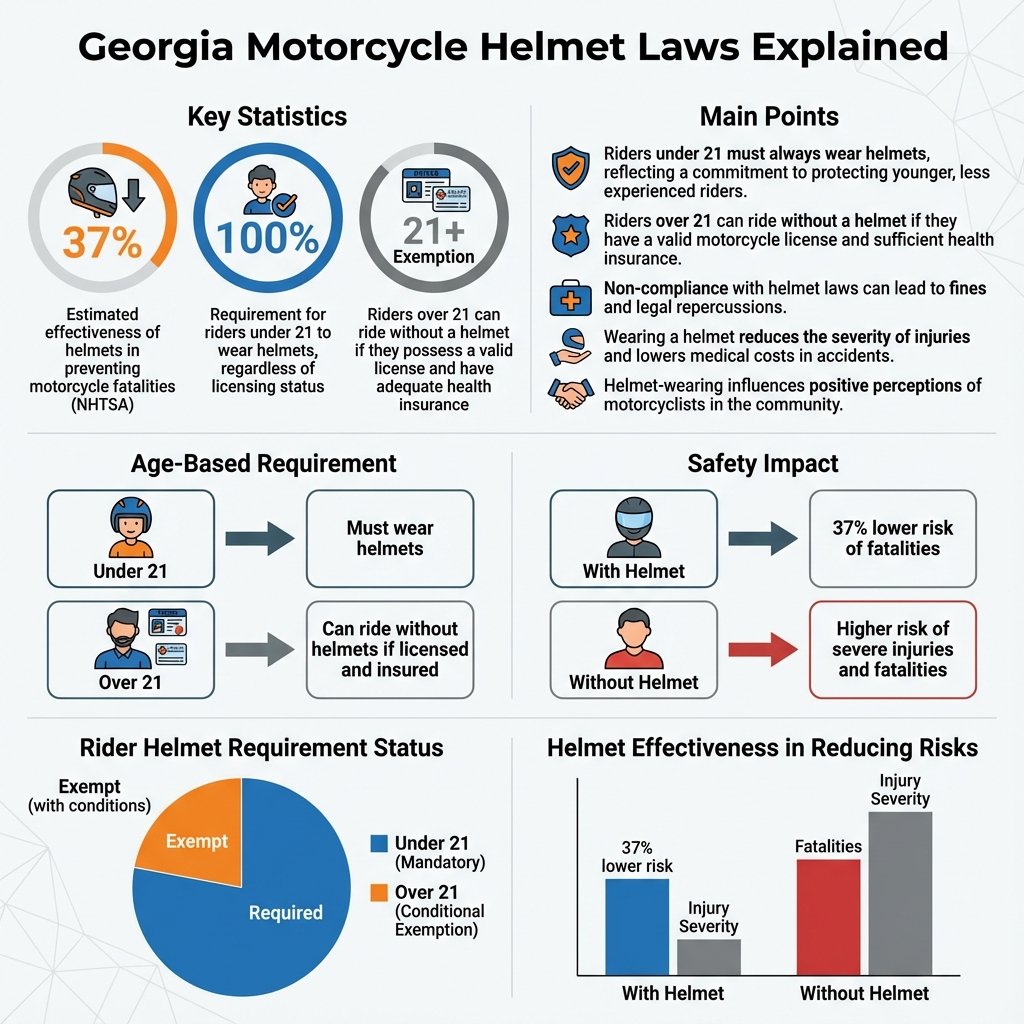
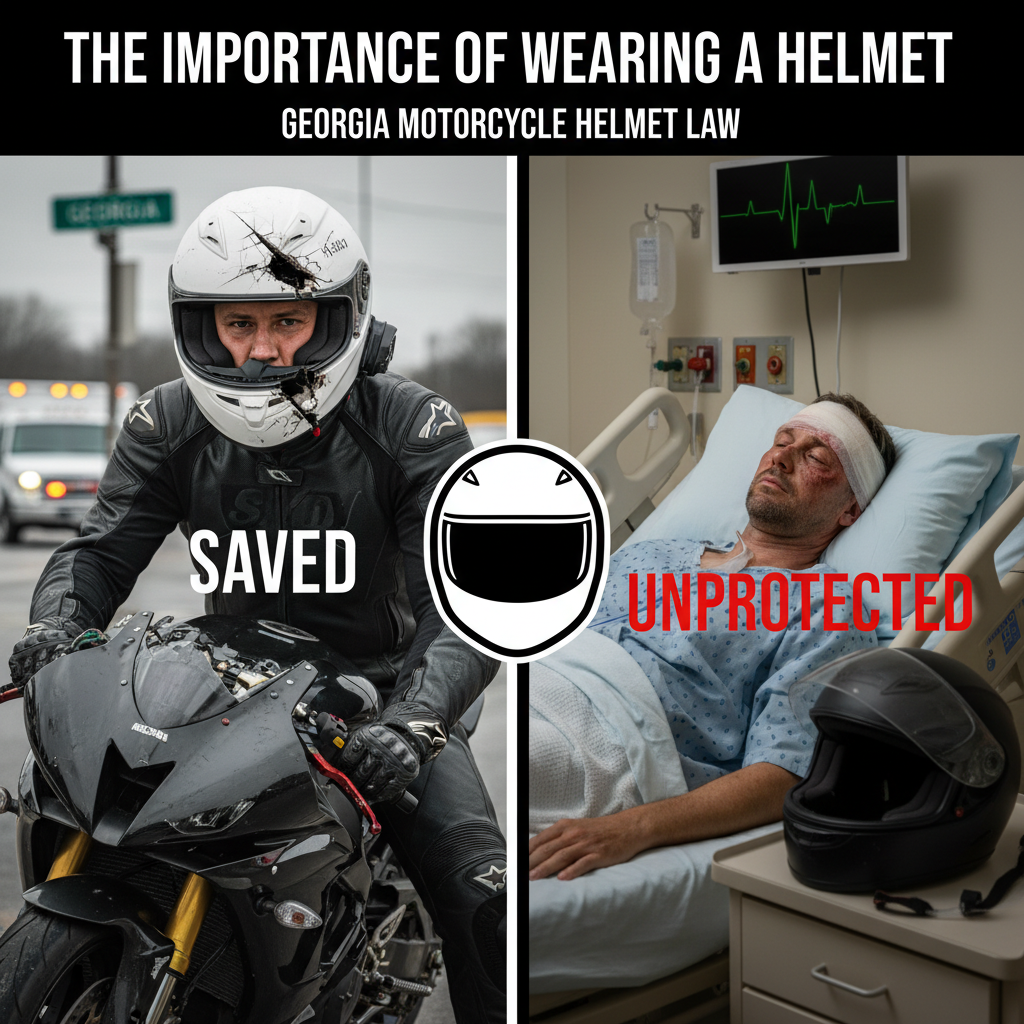
The importance of wearing a motorcycle helmet cannot be overstated. Studies have consistently shown that helmets significantly reduce the risk of head injuries in the event of an accident. According to the National Highway Traffic Safety Administration (NHTSA), helmets are estimated to be 37% effective in preventing motorcycle fatalities. Furthermore, wearing a helmet can lower the severity of injuries sustained during a crash, which can result in reduced medical costs and improved recovery outcomes.
In addition to the direct safety benefits, wearing a helmet can also positively influence the perception of motorcyclists within the broader community. Riders who choose to wear helmets may be viewed as more responsible, potentially fostering a safer riding culture overall.
Exceptions and Special Cases
While Georgia’s helmet law is primarily focused on age and licensing, there are certain exceptions worth noting. For instance, riders who can prove they have specific insurance coverage that meets or exceeds the state’s requirements may be exempt from the helmet mandate if they are over 21. This is an important consideration for those looking to ride without a helmet, as being adequately insured can not only provide legal protection but also financial security in the event of an accident.
Additionally, local ordinances may impose stricter helmet laws than those at the state level. For example, some cities or counties in Georgia may require all riders to wear helmets, regardless of age or license. It is crucial for riders to familiarize themselves with local regulations, as failure to comply can result in penalties.
Consequences of Not Wearing a Helmet
Riding without a helmet can lead to several significant consequences. Legally, riders who do not adhere to Georgia’s helmet laws may face fines, which can vary depending on the specific violation. Additionally, points may be assessed against the rider’s driver’s license, potentially affecting their driving record and insurance premiums.
From a liability perspective, not wearing a helmet can increase the rider’s liability in the event of an accident. If a rider sustains injuries while not wearing a helmet, insurance companies may argue that the rider’s decision contributed to the severity of their injuries. This can complicate insurance claims and potentially lead to reduced compensation for medical expenses and damages.
Helmet Safety Standards
When selecting a helmet, it is imperative to choose one that meets established safety standards. In the United States, the two primary organizations that set these standards are the Department of Transportation (DOT) and the Snell Memorial Foundation. Helmets bearing the DOT label have passed rigorous testing for safety and performance, while Snell-certified helmets typically undergo even more stringent evaluations.
Riders should always look for helmets that meet or exceed these safety standards. A well-fitted, high-quality helmet can significantly enhance rider safety and comfort. Additionally, riders should consider factors such as helmet weight, ventilation, and visibility when making their selection, as these features can impact overall riding experience.
Best Practices for Motorcycle Safety
In addition to understanding helmet laws, adopting best practices for motorcycle safety is crucial. Here are several key recommendations for riders:
1. Wear Protective Gear: Beyond helmets, riders should wear protective clothing, including jackets, gloves, and boots designed for motorcycle riding. This gear can provide vital protection against abrasions and injuries.
2. Conduct Regular Maintenance: A well-maintained motorcycle is essential for safety. Regularly check tire pressure, brakes, lights, and fluid levels to ensure optimal performance.
3. Be Aware of Road Conditions: Always be alert to changing road conditions, such as wet or uneven surfaces, debris, or construction zones. Adjust your riding style accordingly to maintain control.
4. Stay Educated: Consider taking advanced motorcycle safety courses to enhance your riding skills and knowledge. The Motorcycle Safety Foundation (MSF) offers various programs that cater to riders of all skill levels.
5. Ride Defensively: Always be aware of your surroundings and anticipate the actions of other drivers. Defensive riding can help you avoid potential hazards and accidents.
Resources for Georgia Riders
For Georgia riders seeking more information and resources, several organizations and state agencies can provide valuable assistance. The Georgia Department of Driver Services offers comprehensive information about licensing, safety regulations, and motorcycle training courses. Additionally, local riding clubs such as the Georgia Motorcycle Association (GMA) provide community support, advocacy, and opportunities for safe riding education.
Motorcycle safety courses, such as those offered by the Motorcycle Safety Foundation, equip riders with the skills and knowledge necessary to navigate Georgia’s roads safely. These courses can be particularly beneficial for new riders, helping them understand both the legal requirements and best practices for motorcycle operation.
In conclusion, while Georgia permits certain riders to ride without helmets, understanding the laws and prioritizing safety is paramount. Helmets are a critical component of motorcycle safety, and wearing one can significantly reduce the risk of serious injury or death in an accident. Always remain informed about local regulations and consider protective gear as an essential part of your riding experience. For further information on motorcycle safety and compliance, explore local resources or enroll in a safety course to ensure you are well-prepared for the road ahead.
References
- https://www.georgia.gov/motorcycle-safety
- https://www.nhtsa.gov/road-safety/motorcycles
- https://www.ghsa.org/state-laws/state-by-state/motorcycle-helmet-laws
- https://www.ama.com/motorcycle-helmet-laws-georgia
- https://www.iihs.org/topics/motorcycle-helmet-laws
- https://www.motorcyclelegalfoundation.com/motorcycle-helmet-laws-in-georgia/