**Must-Know Motorcycle Helmet Laws in Texas**
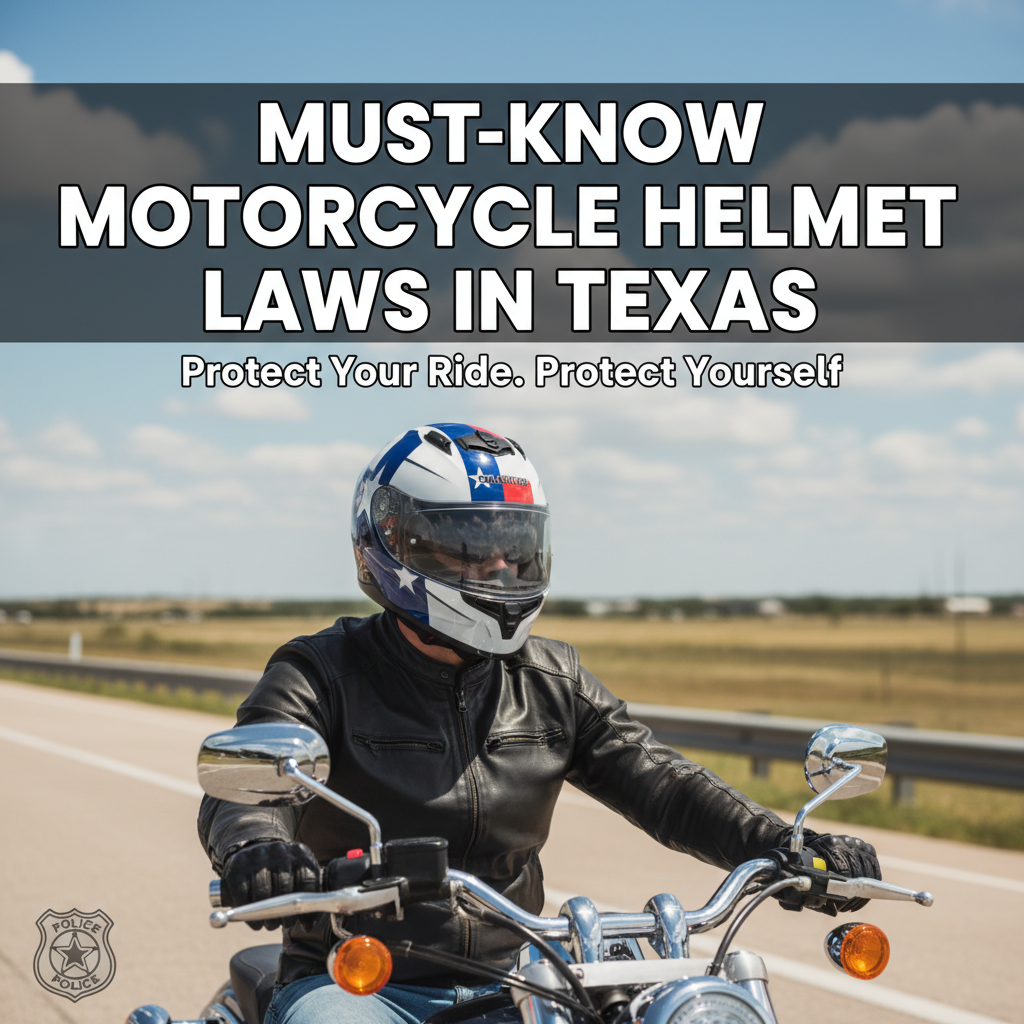
In Texas, wearing a motorcycle helmet is not legally required for riders over the age of 21, provided they meet certain conditions. However, understanding the nuances of these laws is essential for every motorcyclist. Whether you’re a seasoned rider or a newcomer, knowing the implications of helmet use can be the difference between safety and severe injury. This article breaks down the helmet laws in Texas, the potential risks of riding without one, and the benefits of making informed choices.
Understanding Texas Helmet Laws
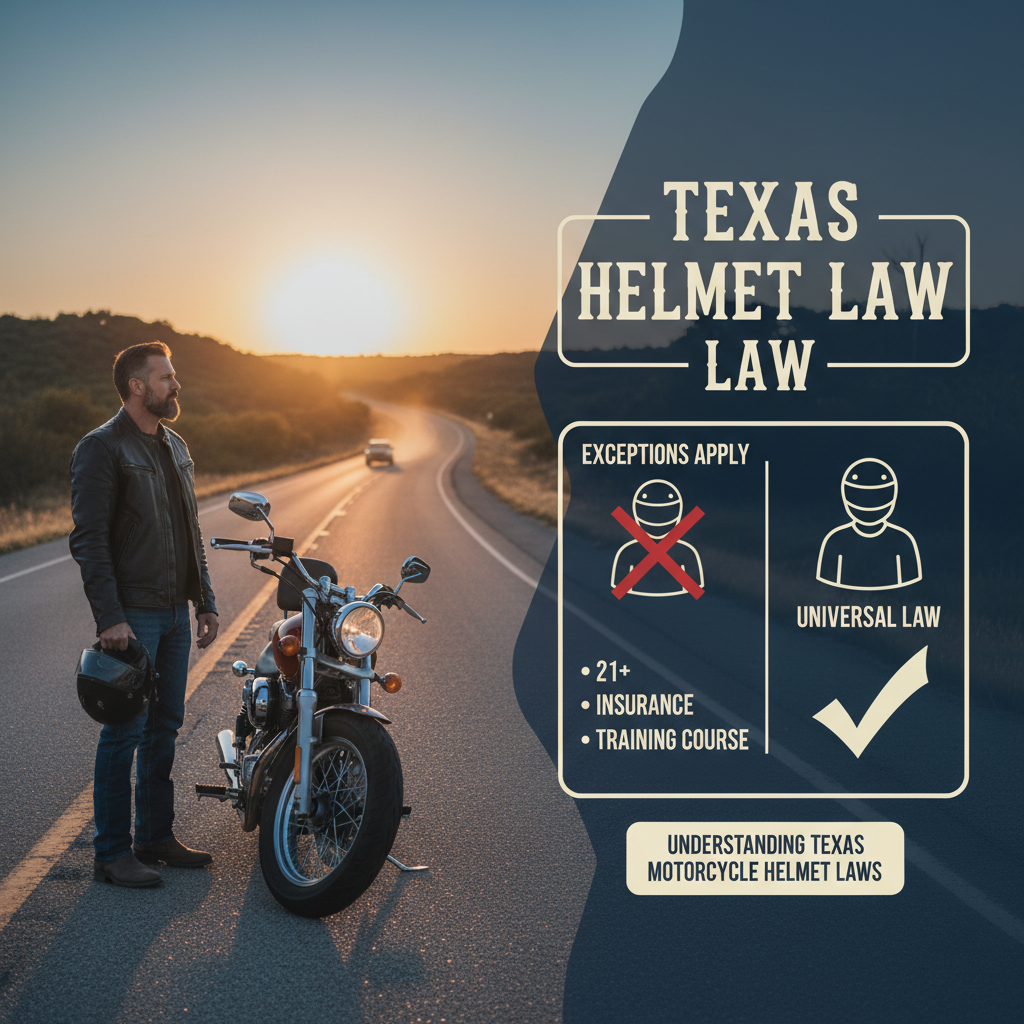
Texas law allows riders over 21 to ride without a helmet if they have health insurance that covers injuries sustained while riding a motorcycle. This provision reflects a balance between personal freedom and public safety, allowing experienced riders to make their own choices regarding protective gear. For riders under 21, however, the law is more stringent; they are legally required to wear a helmet at all times while operating or riding as a passenger on a motorcycle. This age distinction underscores the state’s commitment to protecting younger, less experienced riders who may be at a greater risk of accidents.
Additionally, it’s important to note that while the state law provides these guidelines, individual counties or cities may have their own regulations. Local jurisdictions could enforce stricter helmet laws, requiring all motorcyclists, regardless of age, to wear helmets. Therefore, it’s crucial for riders to be aware of the specific laws in their area to avoid fines or penalties.
The Risks of Riding Without a Helmet
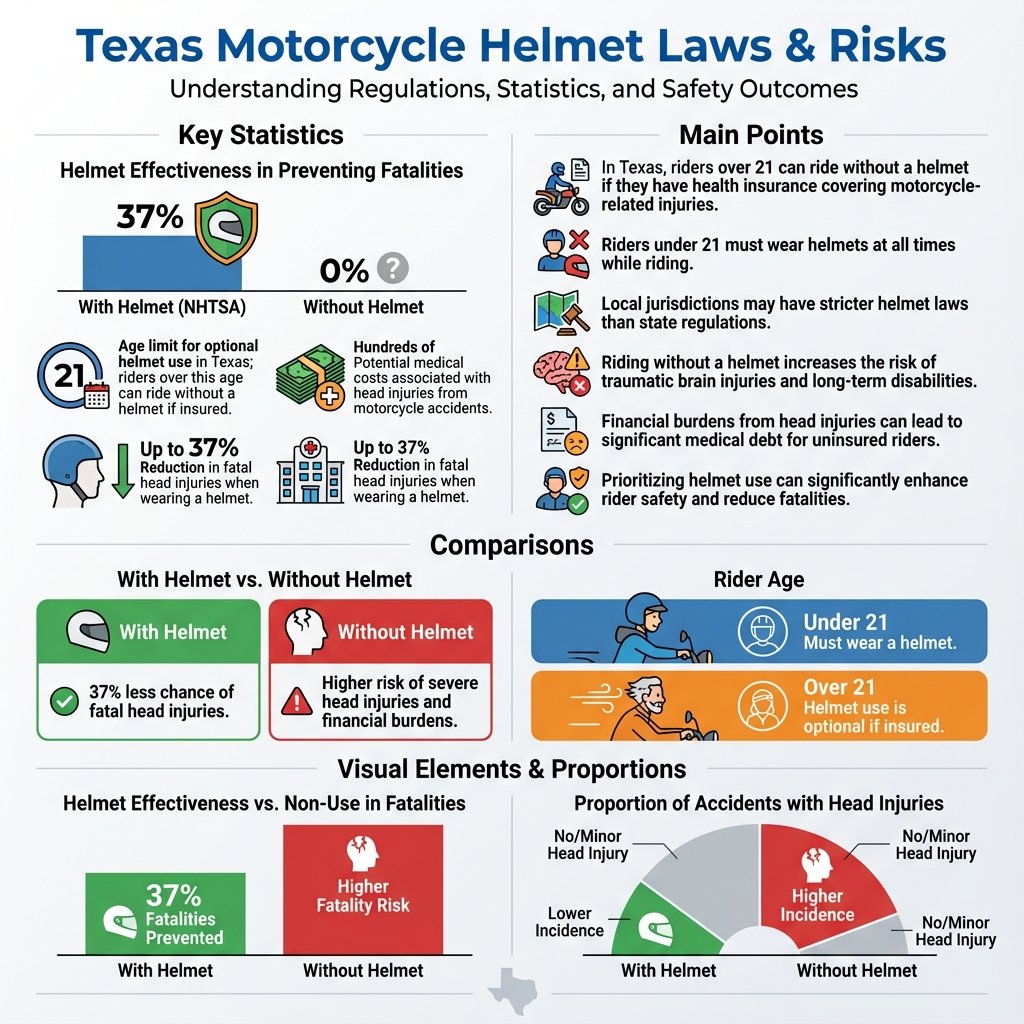
Riding without a helmet significantly increases the likelihood of severe head injuries in the event of an accident. According to the National Highway Traffic Safety Administration (NHTSA), helmets are estimated to be 37% effective in preventing motorcycle fatalities. Without this critical protection, riders face an elevated risk of traumatic brain injuries, which can lead to long-term disabilities, cognitive impairments, and even death.
Moreover, the financial implications of riding without a helmet can be overwhelming. Medical costs associated with head injuries can run into hundreds of thousands of dollars, placing an immense financial burden on riders and their families. In many cases, those without sufficient health insurance may find themselves facing crippling medical debt following an accident. This reality raises the stakes for informed decision-making regarding helmet use and underscores the importance of prioritizing safety.
Benefits of Wearing a Helmet
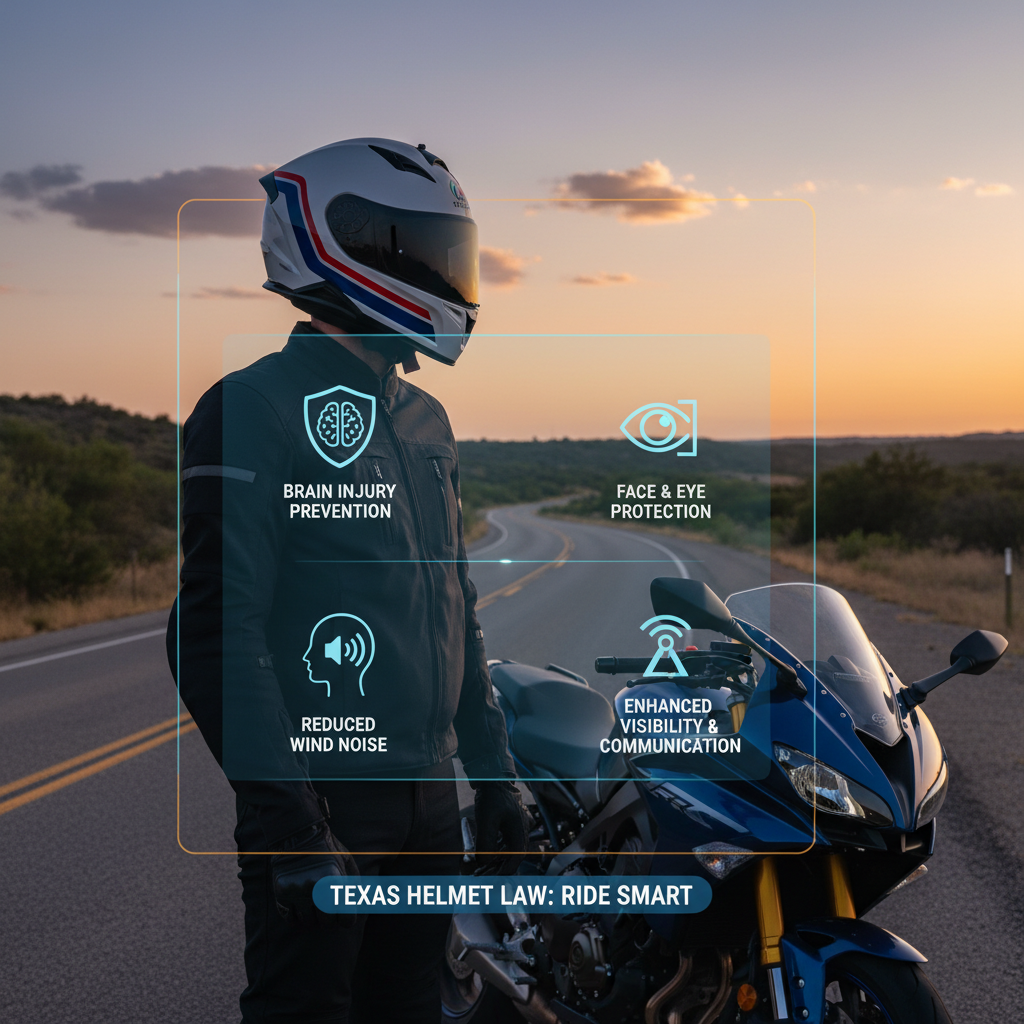
The benefits of wearing a helmet extend beyond legal compliance; they are fundamentally tied to rider safety. Studies have shown that wearing a helmet can reduce the risk of fatal head injuries by up to 37%. This statistic is particularly compelling when considering the consequences of a motorcycle accident, which can be life-altering or even fatal without proper head protection.
In addition to enhancing safety, wearing a helmet can also have practical financial benefits. Insurers often provide lower premiums for riders who wear helmets, as it demonstrates a commitment to safety and reduces the likelihood of costly claims. Furthermore, in legal contexts, wearing a helmet may lower potential liabilities in the event of an accident, as it can be argued that a rider took reasonable precautions to protect themselves. This combination of safety and financial prudence makes helmet use a wise choice for all motorcyclists.
Exceptions to the Rule
While the general helmet law in Texas provides certain freedoms to riders over 21, there are exceptions where helmet use is mandatory. For instance, riders who are operating motorcycles with a learner’s permit are required to wear helmets, regardless of their age. Additionally, passengers on motorcycles, especially those under 21, must also wear helmets at all times.
Local ordinances may further complicate the landscape of helmet laws. Some municipalities in Texas have enacted stricter regulations that require all motorcyclists to wear helmets, regardless of age or insurance status. Riders are encouraged to check local regulations and stay informed about any changes that may occur in their area. Understanding these nuances can help avert legal issues and promote safer riding practices.
Common Misconceptions About Helmet Use
Despite the clear safety benefits of wearing helmets, several misconceptions persist among riders. One common myth is that helmets reduce visibility or comfort, deterring riders from wearing them. In truth, modern helmet designs have advanced significantly, incorporating lightweight materials and streamlined shapes that enhance both comfort and visibility. Many helmets now feature ventilation systems that reduce heat buildup, addressing concerns about discomfort during long rides.
Another misconception is that helmets are unnecessary for experienced riders. While experience can certainly play a role in a rider’s ability to navigate safely, it does not eliminate the inherent risks of motorcycle riding. Accidents can happen unexpectedly, often involving other drivers who may not see motorcyclists. Therefore, regardless of experience level, wearing a helmet remains a crucial aspect of personal safety.
Tips for Choosing the Right Helmet
Choosing the right helmet is a vital step in ensuring optimal protection on the road. To begin with, look for helmets that meet the Department of Transportation (DOT) certification standards, which indicate compliance with safety regulations. A DOT-certified helmet has been tested for impact resistance and is an essential indicator of quality.
Fit is another critical factor; a helmet should be snug but not uncomfortable, allowing for some movement without being loose. Trying on several sizes and styles can help determine the best fit. Additionally, consider the various types of helmets available, including full-face, three-quarter, and modular designs. Each style offers different levels of protection and comfort, catering to personal riding preferences.
Finally, evaluate additional features such as visors, ventilation systems, and interior padding. Helmets equipped with anti-fog visors can significantly enhance visibility in varying weather conditions, while well-ventilated designs can provide comfort during warmer rides. Taking the time to select the right helmet can make a substantial difference in both safety and enjoyment.
The Future of Motorcycle Helmet Laws in Texas
The landscape of motorcycle helmet laws in Texas may continue to evolve, particularly as public safety campaigns advocate for increased helmet use. Ongoing debates about motorcycle safety often center around personal freedom versus the state’s responsibility to protect its citizens. Advocacy groups on both sides present compelling arguments, making it essential for riders to stay informed about potential legislative changes.
Public safety campaigns that emphasize the importance of helmet use may gain traction, especially as more data emerges regarding motorcycle-related injuries and fatalities. Additionally, as technology advances in helmet design, it is possible that regulations may adapt to incorporate new safety standards. Riders should remain vigilant and engaged in discussions surrounding helmet laws to ensure their voices are heard in shaping the future of motorcycle safety in Texas.
In conclusion, while Texas law allows certain riders to forgo helmets, the risks associated with riding without one cannot be overlooked. The potential for severe injuries, financial burdens, and legal complications makes helmet use a vital consideration for all motorcyclists. By making informed choices about helmet use, riders can significantly enhance their safety on the road. Stay educated, stay safe, and always prioritize your well-being while enjoying the ride.
References
- https://www.txdot.gov/government/programs/motorcycle-safety.html
- https://www.ama-cycle.org/roadside/motorcycle-laws/state-laws/texas
- https://www.nhtsa.gov/road-safety/motorcycle-safety
- https://www.legis.state.tx.us/bills/86R/billtext/html/house/bill/HB01601F.htm
- https://www.motorcyclistonline.com/motorcycle-helmet-laws-by-state/