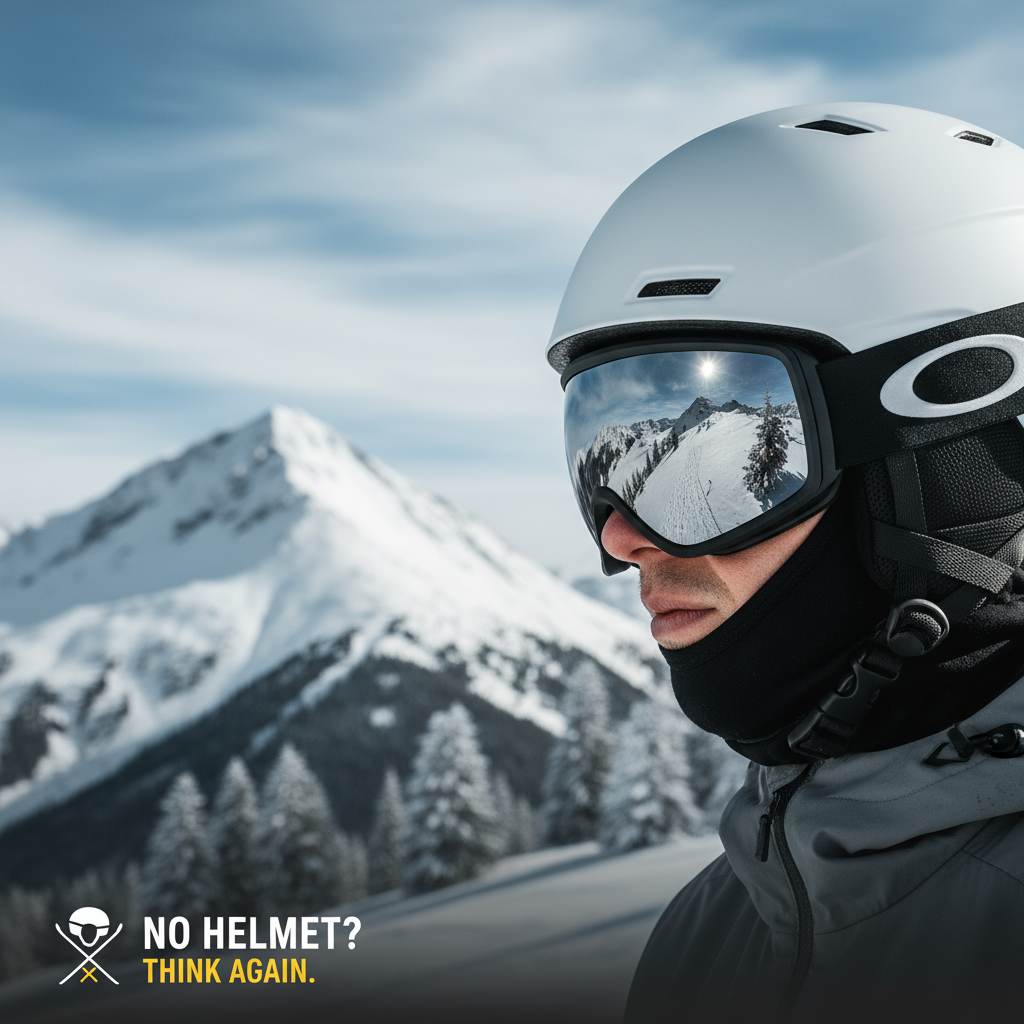
**Must-Know Reasons You Need a Ski Helmet Now**
Wearing a helmet while skiing is not just advisable; it’s essential for your safety. Helmets significantly reduce the risk of head injuries, making them a must-have for anyone hitting the slopes. With increasing awareness of skiing safety, it’s critical to understand the myriad benefits of wearing a helmet. This article will explore the importance of ski helmets, debunk common myths, provide guidance on choosing the right helmet, and discuss the financial implications of not wearing one—all while emphasizing the necessity of helmet safety for both adults and children alike.
The Importance of Ski Helmets
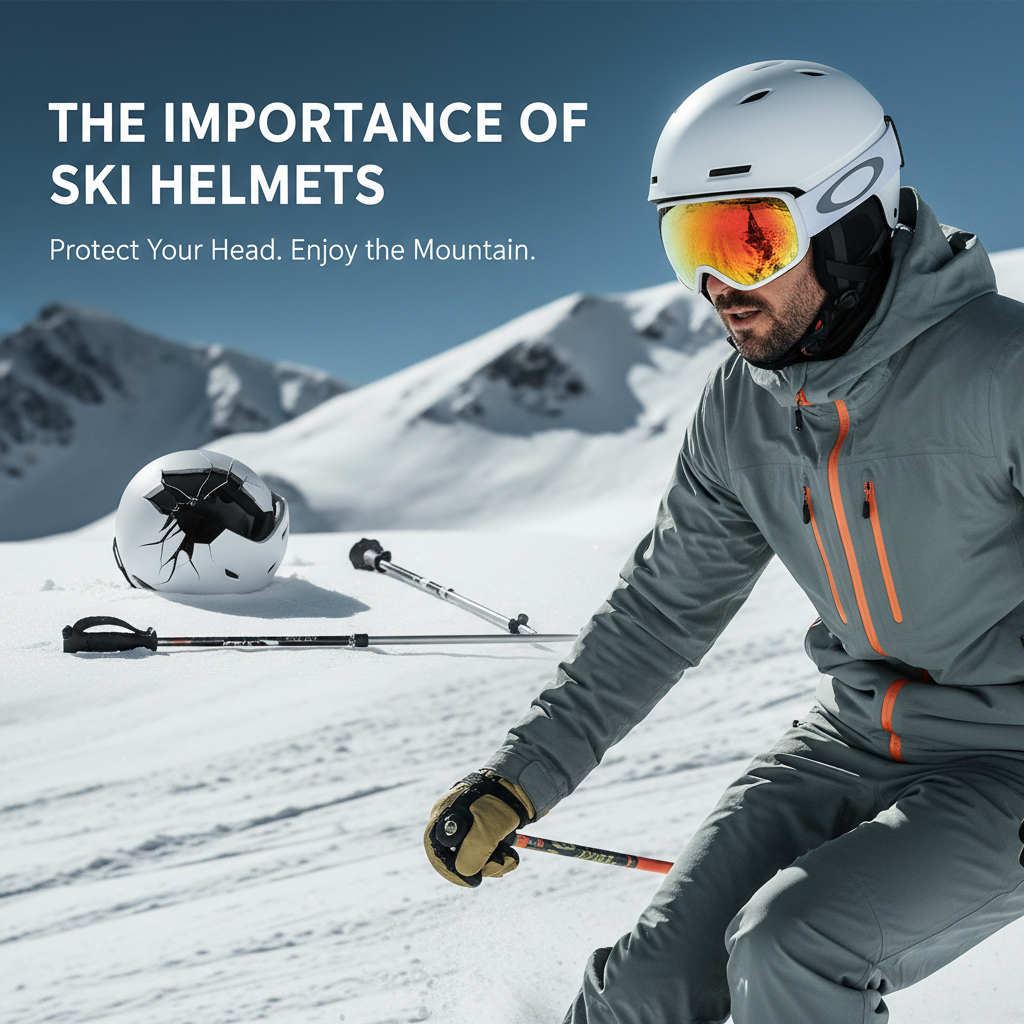
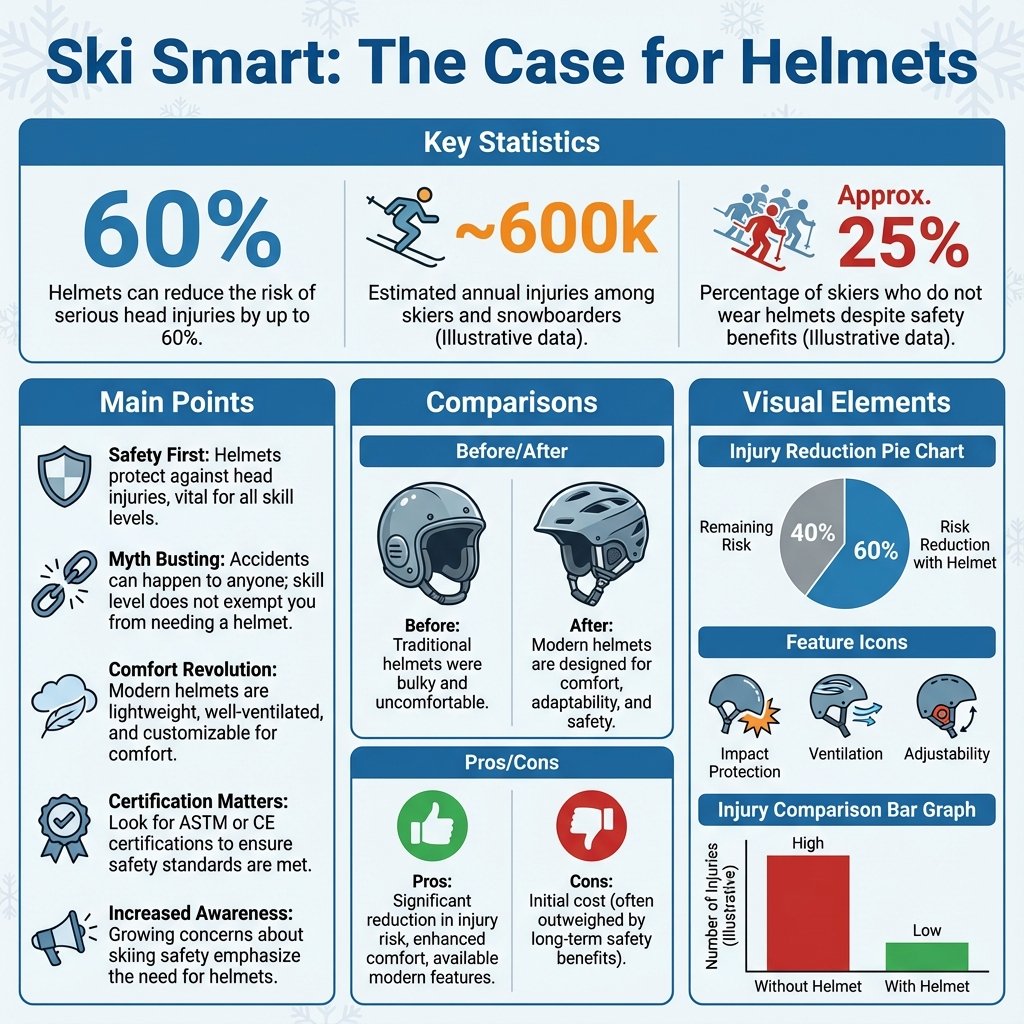
Ski helmets are designed to protect one of the most vulnerable parts of the body during skiing—your head. Research indicates that wearing a helmet can reduce the risk of serious head injuries by up to 60%. This statistic is particularly alarming when considering the number of skiers and snowboarders who sustain injuries each year. Skiing is inherently risky; falls and collisions are common occurrences on the slopes, whether you’re a novice learning the basics or an advanced skier tackling challenging terrains. Helmets not only absorb the impact of falls but also protect against the force of collisions with other skiers or obstacles, providing a crucial layer of safety.
Moreover, the technology behind ski helmets has evolved remarkably. Modern helmets are equipped with features such as multi-directional impact protection systems that further enhance safety. These advancements make helmets an indispensable part of any skier’s gear.
Debunking Common Myths
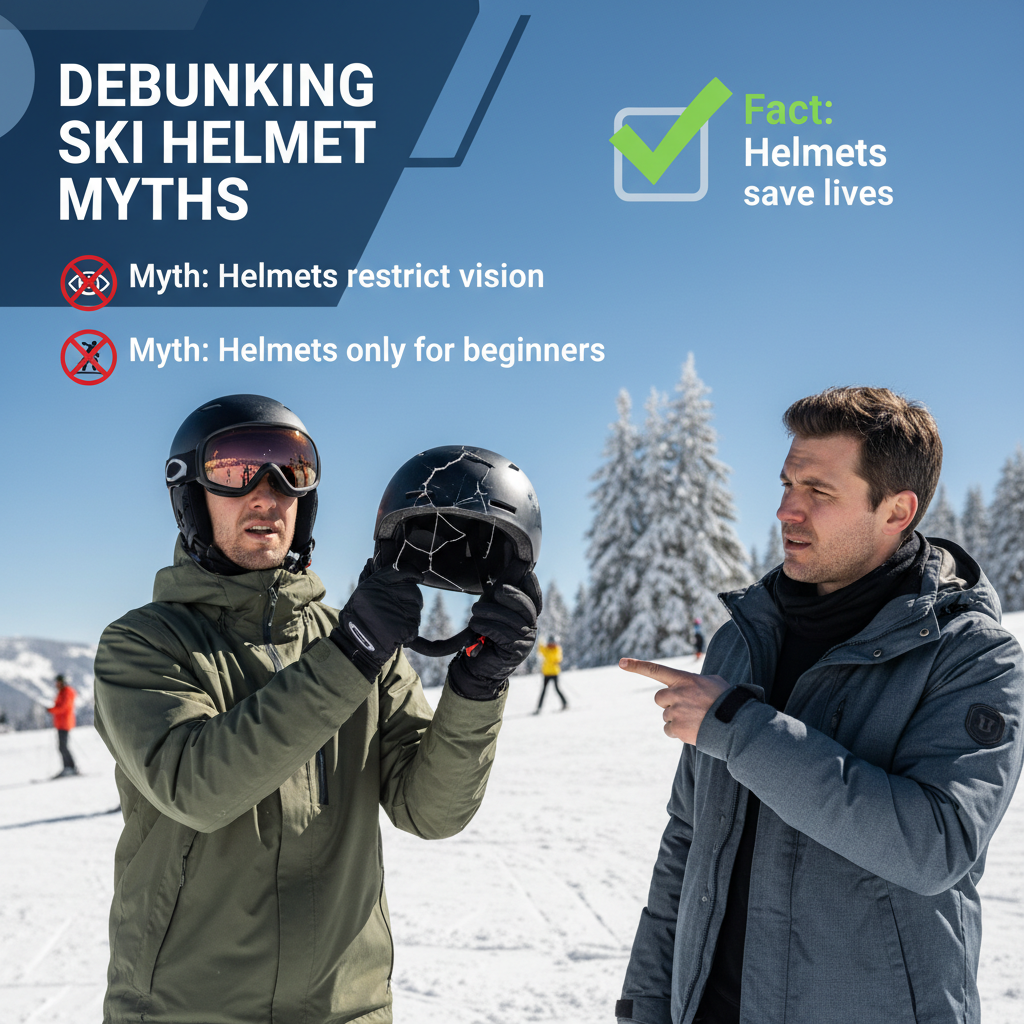
Despite the overwhelming evidence of the safety benefits of wearing helmets, several myths persist that deter skiers from donning them.
– Myth: “I’m a skilled skier; I don’t need a helmet.”
– Reality: Accidents can happen to anyone, regardless of skill level. Even expert skiers can misjudge a jump or be caught off-guard by another skier’s sudden move. A moment of inattention or an unexpected change in conditions can lead to serious injuries, underscoring the need for every skier, irrespective of expertise, to wear a helmet.
– Myth: “Helmets are uncomfortable and bulky.”
– Reality: Modern ski helmets are designed with comfort in mind. They are lightweight, well-ventilated, and come with adjustable features that allow for a snug fit. Many models also offer customizable padding and removable liners for easy cleaning. The discomfort that once plagued older helmet designs has been addressed through innovative engineering.
Choosing the Right Helmet
Selecting the right ski helmet is critical for both safety and comfort. When shopping for a helmet, look for certifications like ASTM (American Society for Testing and Materials) or CE (Conformité Européenne), which ensure that the helmet meets specific safety standards. These certifications provide assurance that the helmet has undergone rigorous testing to protect against impacts.
Fit is another crucial factor. A properly fitting helmet should sit level on your head and be snug enough that it doesn’t move when you shake your head. A helmet that is too loose can compromise safety, as it may not stay in place during an impact. Many retailers offer fitting services to help you find the perfect size, so take advantage of these resources.
Helmet Features to Consider
When selecting a ski helmet, take into account various features that enhance performance and comfort:
– Ventilation Systems: Adequate ventilation is essential for temperature control during skiing. Many helmets come equipped with adjustable vents that allow skiers to regulate airflow, keeping them cool during strenuous activity and preventing overheating.
– Audio Systems: For those who enjoy listening to music or taking calls on the go, some helmets are equipped with Bluetooth audio systems. This feature allows skiers to connect their devices without the hassle of tangled wires, ensuring a seamless skiing experience without sacrificing safety.
The Cost of Not Wearing a Helmet
Choosing not to wear a helmet while skiing can have significant financial repercussions. The medical expenses associated with head injuries can be exorbitant, ranging from emergency room visits to long-term rehabilitation costs. According to studies, the average cost of treating a traumatic brain injury can exceed $150,000, not to mention the potential for lost wages and diminished quality of life.
Additionally, the long-term effects of head injuries can alter your skiing experience permanently. Individuals who suffer concussions or more severe injuries may find it difficult to return to the slopes or may experience ongoing cognitive or physical challenges. The peace of mind that comes from wearing a helmet far outweighs the risks associated with going without one.
Kids and Helmet Safety
Children are particularly vulnerable to head injuries on the slopes, making the use of helmets even more critical for young skiers. Their developing brains and smaller stature mean they are at a higher risk of injury. In recent years, many ski schools and resorts have implemented policies requiring children to wear helmets while participating in lessons or on the slopes.
Parents should take this opportunity to instill safe skiing habits in their children. Teaching kids the importance of helmet safety from a young age can help ensure they continue to prioritize safety as they grow and become more independent skiers. Investing in a quality helmet for your child is a small price to pay for their safety and well-being.
Expert Recommendations
Ski instructors and safety organizations consistently advocate for helmet use among skiers of all ages and skill levels. The National Ski Areas Association reports that helmet usage is on the rise, reflecting an increasing awareness of skiing safety. Instructors often emphasize that wearing a helmet is a non-negotiable part of skiing, akin to wearing a seatbelt in a car.
Moreover, many ski resorts have begun to offer discounts or incentives for skiers who wear helmets, further encouraging safe practices on the slopes. As the culture of skiing continues to evolve, helmets are becoming an expected standard rather than an optional accessory.
In summary, wearing a ski helmet is a simple yet effective way to ensure your safety on the slopes. The benefits of reducing the risk of head injuries, the comfort of modern designs, and the financial implications of not wearing one all highlight the importance of helmet safety. Don’t take unnecessary risks—invest in a quality helmet and enjoy your skiing with peace of mind!
References
- https://www.cdc.gov/niosh/topics/skiing/default.html
- https://www.nsc.org/home-safety/safety-topics/sports-safety/skiing-safety
- https://www.skiingmag.com/gear/ski-helmets-guide
- https://www.helmets.org/
- https://www.aans.org/en/Patients/Neurosurgical-Conditions-and-Treatments/Head-Injuries
- https://www.nhlbi.nih.gov/health-topics/head-injuries
- https://www.ski.com/blog/ski-helmets-why-you-need-one/
- https://www.skiershop.com/blog/why-you-should-wear-a-ski-helmet
- https://www.trauma.org/index.php/main/article/view/26/0