Must-Know Secrets: Can Bike Helmets Be Used for Skiing?
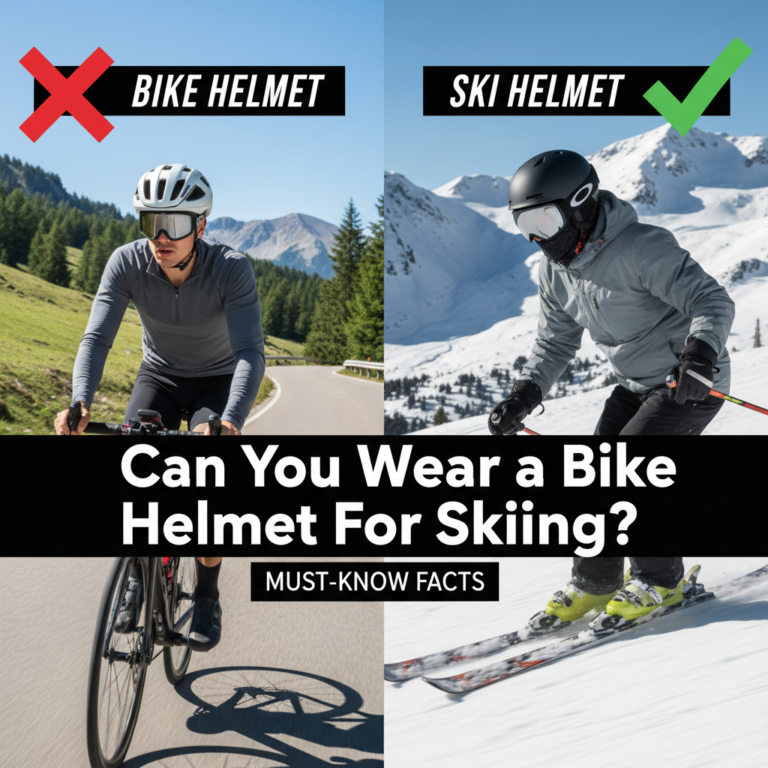
While bike helmets can offer some protection, they are not designed for skiing and may not provide adequate safety. Ski helmets are specifically engineered to withstand the unique impacts of skiing. In this article, we’ll explore the differences between bike and ski helmets, the risks of using the wrong type, and what you need to know to keep safe on the slopes.
The Key Differences Between Bike and Ski Helmets

Understanding the key differences between bike and ski helmets is essential for making informed safety choices.
– Design Purpose: Bike helmets prioritize ventilation for warm weather activities. They are typically lightweight and designed to allow airflow to keep the rider cool during cycling. In contrast, ski helmets are built for cold conditions, providing insulation to retain warmth while also incorporating features intended to minimize heat buildup. This design difference means that ski helmets often have a more enclosed structure to protect against harsh weather conditions on the slopes.
– Impact Resistance: Ski helmets are engineered to withstand specific types of impacts associated with skiing, such as the force from falls or collisions with obstacles like trees or other skiers. They feature a thicker outer shell and a more robust foam lining, which is crucial for absorbing the high-velocity impacts that can occur during skiing. Conversely, bike helmets are designed for lower-speed impacts typical in cycling, meaning they may not provide the necessary protection for the higher speeds often encountered while skiing.
Safety Standards and Certifications

When it comes to safety, understanding the different certifications for helmets is crucial.
– Certification Differences: Ski helmets must meet stringent safety standards set forth by organizations like the American Society for Testing and Materials (ASTM) and the European Conformity (CE). These certifications ensure that the helmets can withstand specific types of impacts and provide adequate protection in the event of a ski-related accident. On the other hand, bike helmets typically adhere to the Consumer Product Safety Commission (CPSC) standards, which are tailored for cycling-related incidents and may not cover the unique conditions found in winter sports.
– Testing Protocols: Each type of helmet is subjected to different testing protocols to assess its capabilities. Ski helmets undergo tests designed to replicate the types of falls and impacts common in skiing, including side impacts and penetration tests. Bike helmets, however, are primarily tested for their ability to absorb impact from falls at lower speeds. This distinction underscores the importance of using the appropriate helmet for the sport at hand to ensure maximum protection.
Risks of Using a Bike Helmet for Skiing
Using a bike helmet while skiing can pose significant risks to your safety.
– Inadequate Protection: One of the primary risks associated with using a bike helmet for skiing is that it may not adequately resist the forces encountered in skiing accidents. The design and material composition of bike helmets are not equipped to handle the types of impacts that occur at high speeds on snowy slopes. This inadequacy can lead to a higher likelihood of severe head injuries in the event of a fall.
– Injury Severity: The severity of injuries sustained from falls can increase dramatically if a bike helmet fails to protect the wearer. Skiing often involves fast speeds and challenging terrain, which can result in falls that exert forces far beyond what a bike helmet is designed to withstand. This discrepancy can lead to serious head trauma, concussions, or even fatal injuries, highlighting the importance of selecting an appropriate helmet for skiing.
When a Bike Helmet Might Be Acceptable
There are limited scenarios in which a bike helmet could be considered acceptable for skiing, but caution is advised.
– Low-Speed Activities: In very low-speed scenarios or beginner slopes, where the risk of significant impacts is reduced, a bike helmet may suffice for someone who is just starting to ski. However, even in these cases, the individual should remain aware of the limitations of bike helmets and the potential consequences of a fall.
– Temporary Solutions: If a skier finds themselves without a ski helmet, using a bike helmet as a last resort might be necessary. While this is not ideal, it can provide some level of protection in an emergency situation. However, skiers should make it a priority to invest in a proper ski helmet for future outings to ensure their safety on the slopes.
Choosing the Right Ski Helmet
Selecting the right ski helmet is vital to ensuring your safety and comfort while skiing.
– Fit and Comfort: A well-fitting helmet is crucial for effective protection. When trying on helmets, ensure that it sits snugly on your head without being overly tight. It should not shift or slide around when you shake your head. Look for adjustable sizing systems that can accommodate different head shapes and sizes to achieve a secure fit.
– Additional Features: When choosing a ski helmet, consider features that enhance both safety and comfort. Adjustable vents can help regulate temperature, ensuring you stay comfortable during long days on the mountain. Some helmets also come with audio compatibility, allowing you to listen to music or take calls while skiing. Additionally, removable liners can offer versatility, making it easier to clean or adjust for varying weather conditions.
Maintenance and Care for Ski Helmets
Proper maintenance and care of your ski helmet can prolong its life and ensure optimal safety.
– Regular Inspections: Before each skiing season, conduct a thorough inspection of your helmet. Look for signs of wear, cracks, or dents that could compromise its structural integrity. If your helmet has been involved in a significant impact, replace it even if there are no visible signs of damage, as the internal foam may have been compromised.
– Proper Storage: Store your helmet in a cool, dry place, away from direct sunlight and extreme temperatures. Exposure to heat can degrade the materials over time, reducing its protective capabilities. Using a helmet bag can help protect it from scratches and dings during transport, ensuring it remains in top condition for your next ski trip.
In summary, while bike helmets can provide some level of protection, they are not a substitute for ski helmets. Prioritize your safety on the slopes by investing in a proper ski helmet that meets safety standards. Staying informed and making smart choices will help you enjoy skiing safely and confidently.
References
- https://www.cpsc.gov/safety-education/safety-guides/bicycles/bicycle-helmets
- https://www.nsc.org/home-safety/safety-topics/helmet-safety
- https://www.ski.com/blog/2020/12/14/should-you-wear-a-bicycle-helmet-skiing/
- https://www.skiandsnowboard.com/blog/can-i-wear-my-bike-helmet-skiing/
- https://www.researchgate.net/publication/328194384_The_Importance_of_Head_Protection_in_Bicycling_and_Skiing
- https://www.helmets.org/faq.htm
- https://www.ncbi.nlm.nih.gov/pmc/articles/PMC4538202/