Must-Know Secrets: When to Replace Your Snowmobile Helmet
To ensure your safety while snowmobiling, it is essential to replace your helmet every 3-5 years, even if it appears undamaged. Over time, the materials used in helmet construction degrade, which can significantly compromise their protective capabilities. This article will delve into the critical reasons behind helmet replacement, the signs you should look for, and practical tips for maintaining your helmet’s effectiveness.
Understanding Helmet Lifespan

Helmets are designed with a specific lifespan due to the natural degradation of materials over time. Most helmet manufacturers recommend a replacement cycle of 3-5 years, even if the helmet has not been involved in an accident. This recommendation stems from the fact that the foam and structural integrity of the helmet can diminish due to various factors, including regular use, environmental exposure, and wear and tear.
Environmental factors can significantly impact a helmet’s longevity. For instance, UV exposure from sunlight can weaken the helmet’s outer shell, while extreme temperature fluctuations can cause the materials to expand and contract, leading to micro-cracks. Moreover, moisture from snow and sweat can also contribute to mold and mildew growth, which may further degrade the inner components of the helmet. Understanding these factors is crucial for snowmobilers who want to ensure their helmets provide optimal protection throughout their lifespan.
Signs Your Helmet Needs Replacement


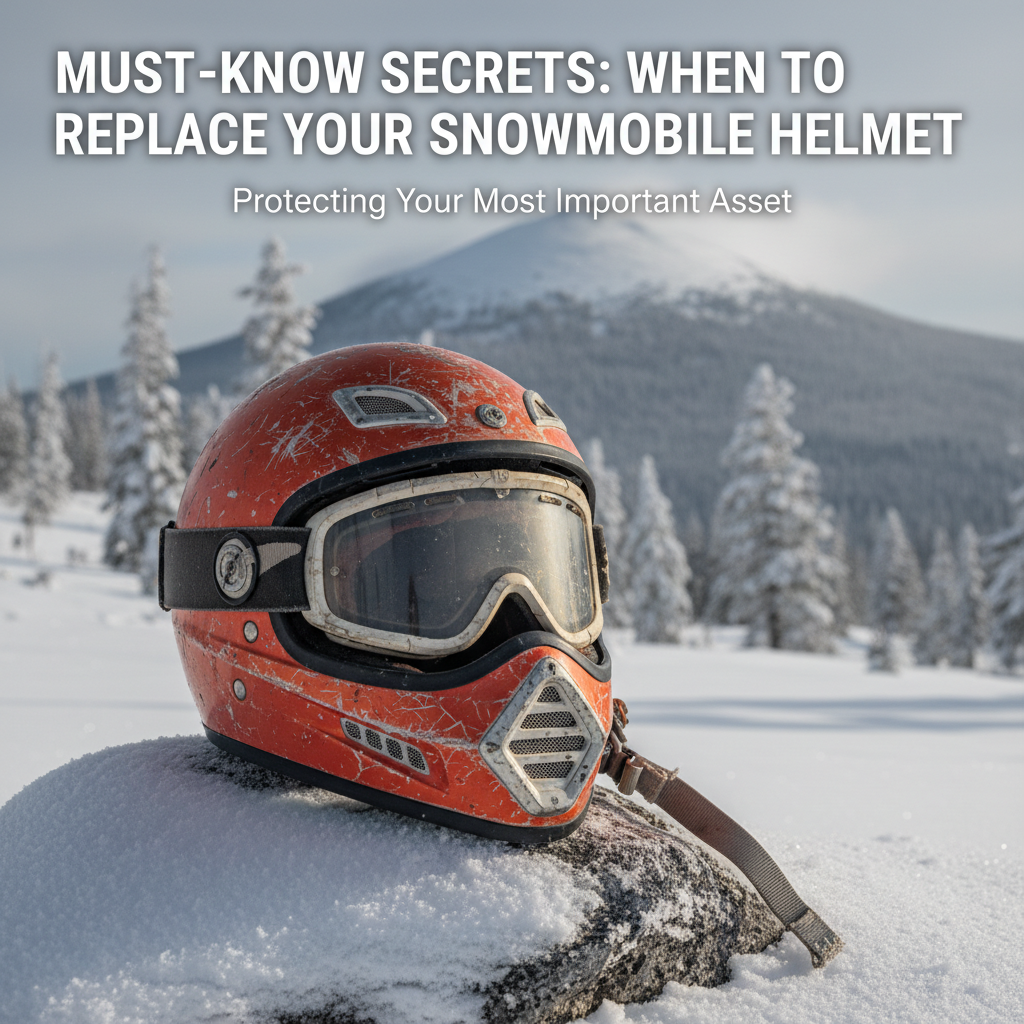
Recognizing when to replace your snowmobile helmet is vital for maintaining safety. One of the most apparent signs is visible damage, such as cracks or dents in the outer shell, which can compromise the helmet’s structural integrity. Even minor impacts that do not seem significant can lead to hidden damage, so if you notice any external flaws, it’s best to err on the side of caution and consider a replacement.
Another critical factor to assess is the condition of the foam lining inside the helmet. If you notice foam deterioration—such as crumbling or a lack of resilience when pressed—it indicates that the helmet’s protective capabilities have diminished. Additionally, an unusual odor emanating from the helmet can signal chemical breakdown, which often accompanies aging materials. Regularly inspecting your helmet for these signs can prevent the use of a compromised safety device.
The Importance of Safety Standards
Snowmobile helmets must meet industry safety certifications to ensure they provide adequate protection. Common certifications include DOT (Department of Transportation), ECE (Economic Commission for Europe), and Snell standards. These certifications are designed to test the helmet’s ability to absorb impact and protect the wearer during accidents.
Using outdated helmets that do not comply with current safety standards poses a significant risk. Helmets manufactured several years ago may not have undergone the same rigorous testing and improvements that newer models have. Consequently, they may not offer the same level of protection in case of an accident. Staying informed about safety standards and ensuring your helmet adheres to the latest requirements is essential for your safety on the trails.
Maintenance Tips to Extend Helmet Life
Proper maintenance can significantly extend the lifespan of your snowmobile helmet, ensuring it remains effective over the years. One of the most important tips is to store your helmet in a cool, dry place, away from direct sunlight. Excessive heat and UV rays can degrade the materials, leading to premature failure.
Cleaning your helmet regularly is also crucial. Use a mild soap solution and warm water to clean the exterior, while avoiding harsh chemicals that can damage the materials. For the interior, remove any removable liners and wash them according to the manufacturer’s guidelines. This practice not only enhances hygiene but also helps you identify any early signs of wear.
Regular inspections are also key. Make it a habit to examine your helmet for signs of damage or degradation before each snowmobiling season. By maintaining your helmet diligently, you can maximize its protective capabilities and ensure your safety on the trails.
Choosing the Right Replacement Helmet
When it comes time to replace your helmet, selecting the right one is essential for maintaining safety and comfort. Start by ensuring the helmet fits properly. A well-fitting helmet should sit snugly on your head without causing discomfort. It should not move around when you shake your head. Options with adjustable features can provide a more customized fit, which enhances both safety and comfort.
In addition to fit, consider the helmet’s style and design. While aesthetics might seem secondary, a helmet that you find visually appealing is more likely to be worn consistently. Furthermore, look for advanced safety features, such as multi-directional impact protection systems and energy-absorbing materials, that can provide additional protection during collisions.
Researching customer reviews and expert recommendations can also help guide your choice. Visit local shops to try on various models and consult with knowledgeable staff who can provide insights into the latest advancements in helmet technology.
The Financial Aspect of Helmet Replacement
While the cost of a new snowmobile helmet can vary significantly based on brand, features, and safety ratings, it is essential to weigh the investment against the potential risk of injury. A high-quality helmet may seem expensive upfront, but it can offer significant savings in terms of medical expenses and lost income due to injuries sustained from accidents.
When considering helmet replacement, factor in not just the price but the peace of mind that comes with knowing you are adequately protected. Investing in a reputable helmet can be viewed as a long-term commitment to your safety, which is invaluable when enjoying snowmobiling adventures.
Expert Recommendations on Helmet Replacement
Consulting with snowmobiling experts or safety professionals can provide personalized advice on helmet replacement and maintenance. Many organizations and online forums exist to help snowmobilers stay informed about best practices and the latest safety innovations.
Regularly reviewing industry guidelines and updates regarding helmet safety is equally important. Organizations such as the Snell Memorial Foundation and the Motorcycle Safety Foundation frequently publish resources that can enhance your understanding of helmet safety standards and emerging technologies in head protection.
In conclusion, replacing your snowmobile helmet every 3-5 years is crucial for maintaining safety on the trails. Regularly inspect your helmet for signs of wear and stay informed about safety standards. Prioritize your well-being by ensuring you have the best protective gear, as compromising on safety can lead to severe consequences. Investing in a quality helmet today can help ensure a safer and more enjoyable snowmobiling experience for years to come.
References
- https://www.cpsc.gov/safety-education/safety-guides/snowmobiles
- https://www.nsc.org/home-safety/safety-topics/recreational-vehicles/snowmobiling
- https://www.aafp.org/pubs/afp/issues/2002/0215/p627.html
- https://www.cdc.gov/niosh/topics/snowmobiling/default.html
- https://www.ama-cycle.org/advocacy/safety-and-education/helmet-safety/
- https://www.snowmobile.org/education/
- https://www.nhtsa.gov/road-safety/motorcycle-helmets
- https://www.safety.com/helmet-safety-facts/