The Best Lightest Motorcycle Helmet You Must Know
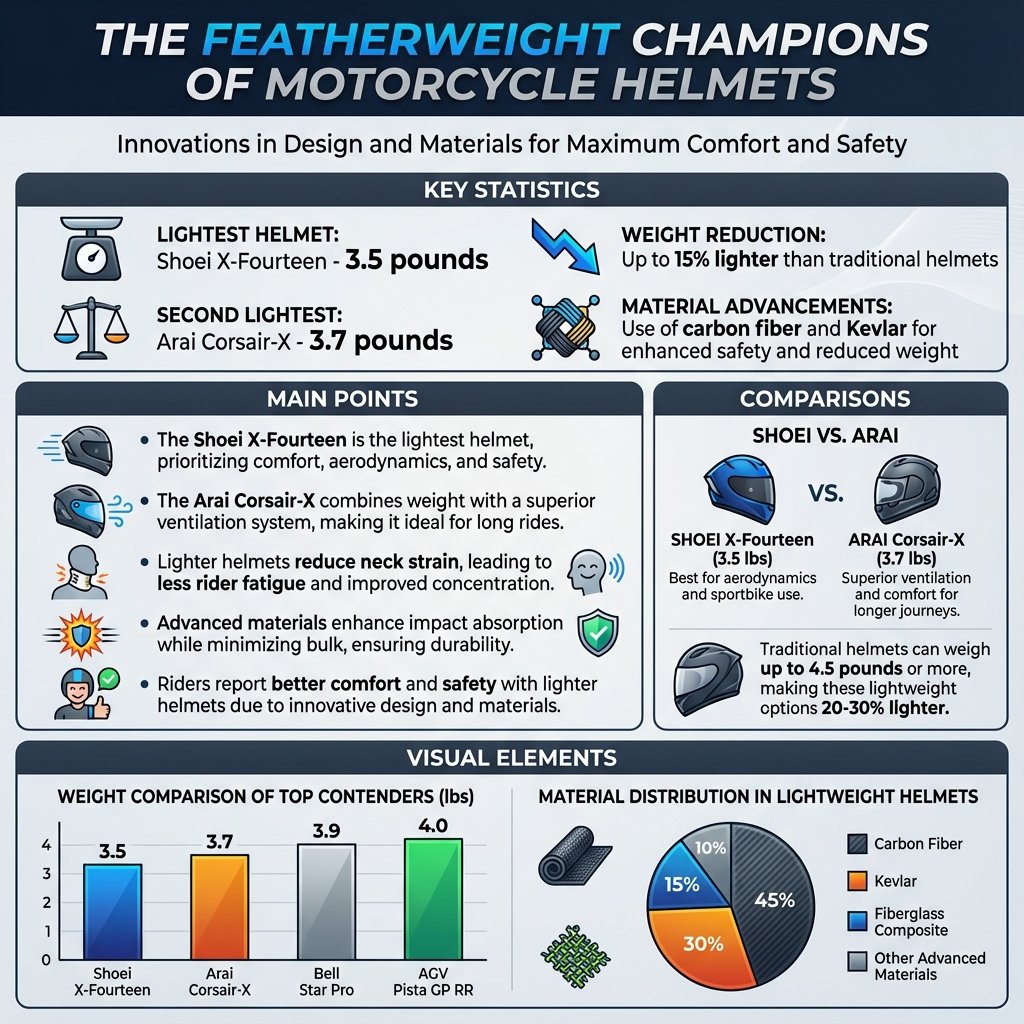
The lightest motorcycle helmet currently available is the Shoei X-Fourteen, weighing in at just 3.5 pounds. This helmet not only provides exceptional comfort but also ensures safety and aerodynamics for an enhanced riding experience. With advancements in technology and material science, lightweight helmets have become increasingly popular among riders who prioritize both comfort and protection. In this article, we will explore the factors that contribute to the lightweight design of motorcycle helmets, the top contenders in the market, and essential considerations when selecting the right helmet for your needs.
Understanding Helmet Weight: Why It Matters
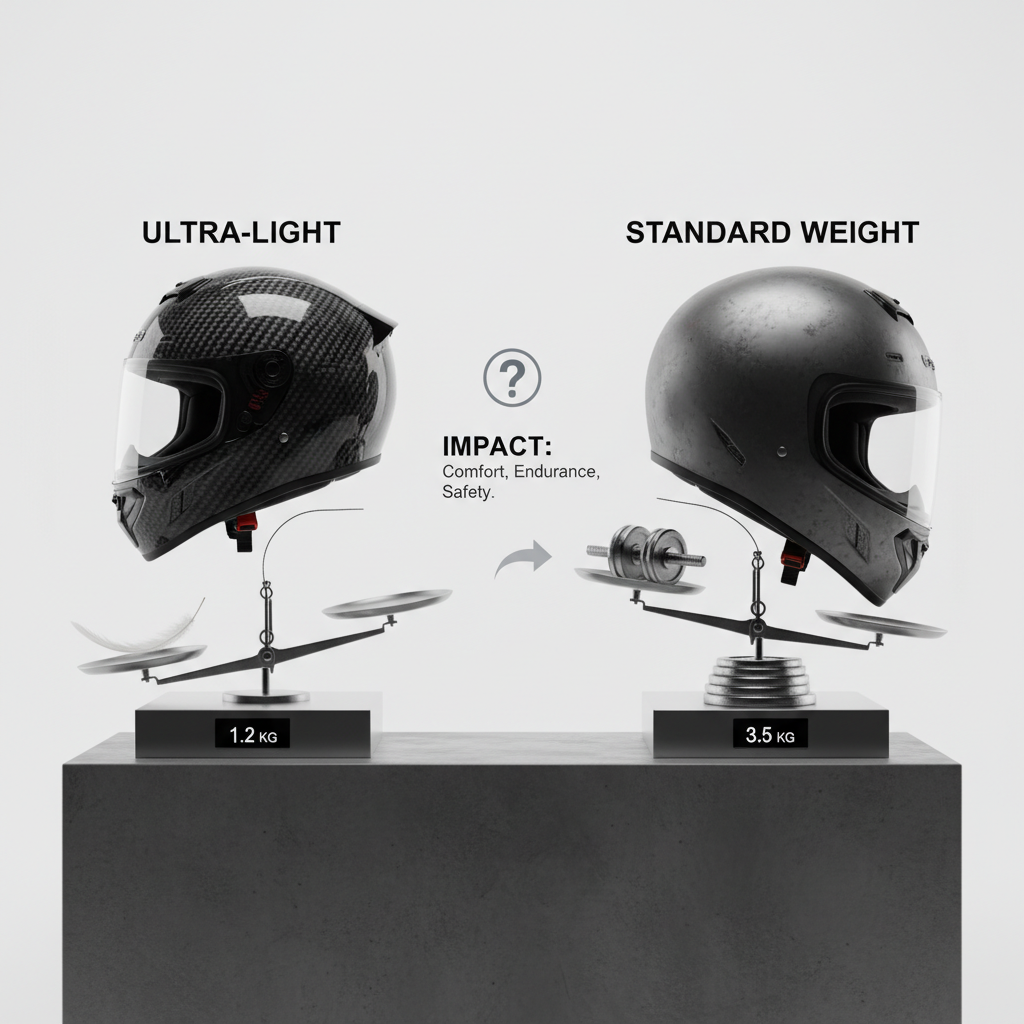
The weight of a motorcycle helmet is a critical factor that can significantly impact a rider’s experience. One of the primary reasons to consider helmet weight is comfort. A lighter helmet reduces neck strain, especially during long rides where the head is held upright for extended periods. Riders often report less fatigue and improved concentration when wearing lighter helmets, allowing them to enjoy their journey without discomfort.
Safety is another crucial aspect linked to helmet weight. Innovations in materials used in helmet construction have led to designs that provide robust protection without the added bulk. Advanced composites, like carbon fiber and Kevlar, offer high strength-to-weight ratios, allowing manufacturers to create helmets that are both lightweight and incredibly durable. As such, the importance of helmet weight cannot be understated—it directly correlates with rider comfort and safety.
Top Contenders for the Lightest Motorcycle Helmet
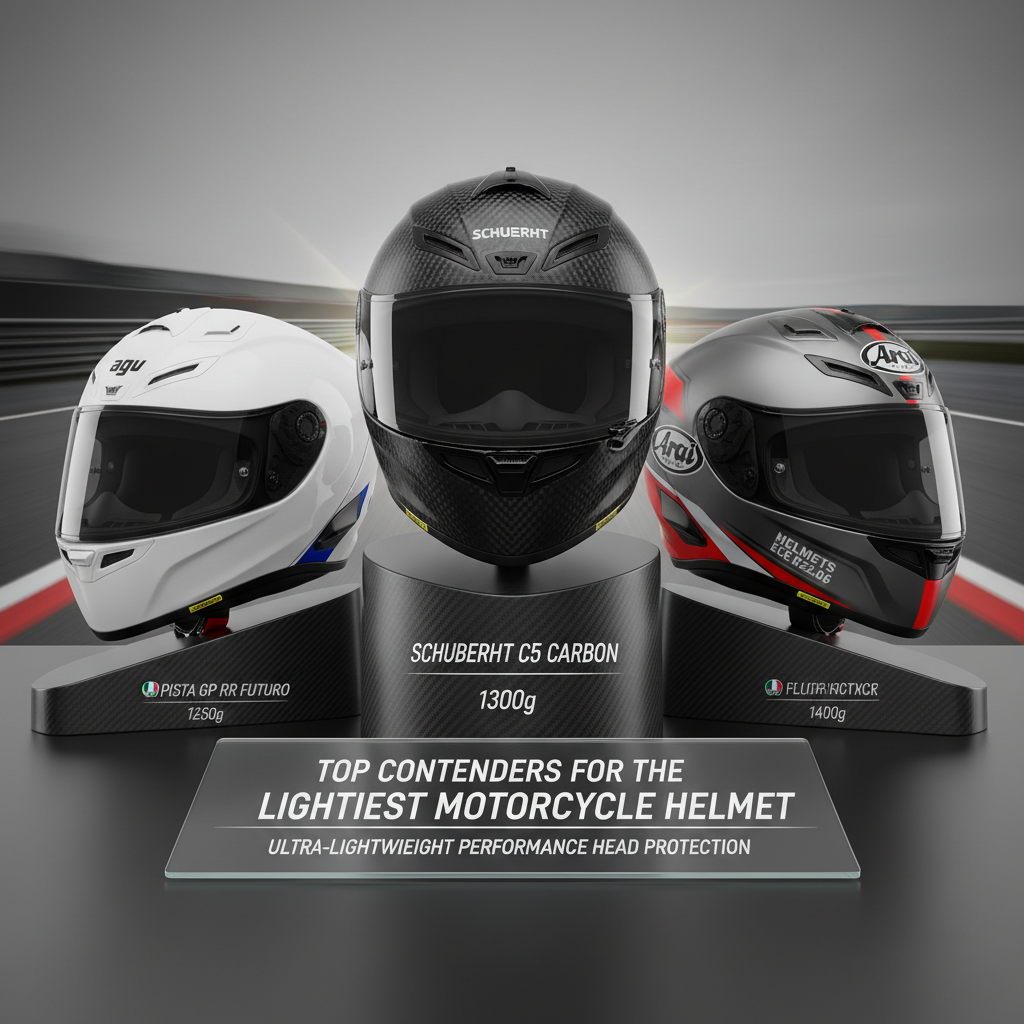
While the Shoei X-Fourteen reigns supreme as the lightest helmet, several other notable contenders also deserve attention.
– Shoei X-Fourteen: Known for its featherweight design at just 3.5 pounds, the Shoei X-Fourteen excels in aerodynamics and ventilation, making it a top choice for sportbike enthusiasts. Its advanced shell design and multi-layer EPS provide superior impact absorption, ensuring rider safety while minimizing drag during high-speed rides.
– Arai Corsair-X: Weighing approximately 3.7 pounds, the Arai Corsair-X offers an excellent balance of weight, safety, and comfort features. It features a unique ventilation system that allows for optimal airflow and temperature control, enhancing rider comfort during long journeys. The Corsair-X is also renowned for its safety ratings, making it a popular choice among serious riders.
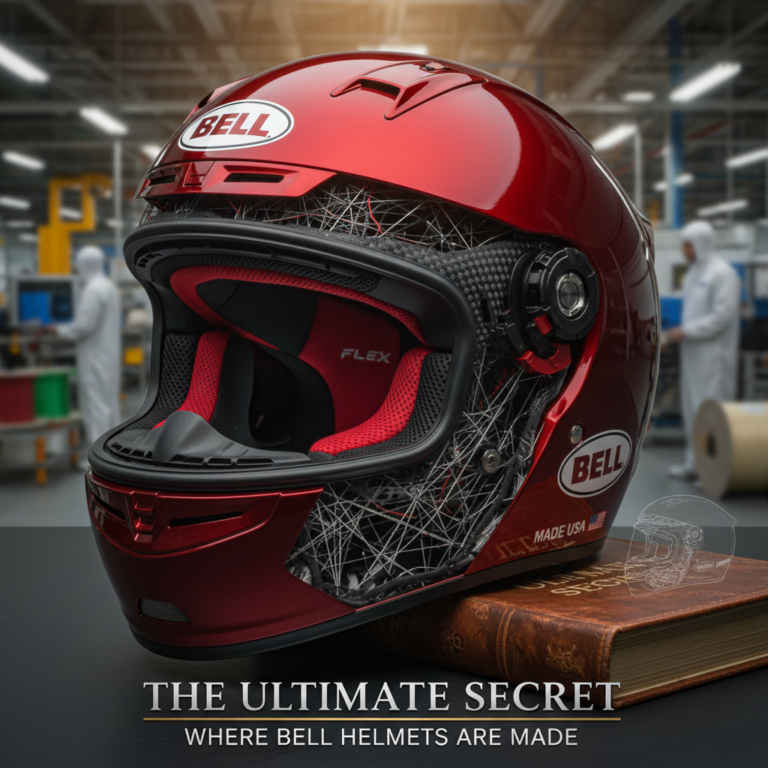
Other helmets worth mentioning include the Bell Star Pro and the AGV Pista GP RR, both of which leverage advanced materials and engineering to deliver lightweight options without compromising on safety.
Key Materials Used in Lightweight Helmets
The construction of lightweight motorcycle helmets relies heavily on advanced materials that enhance safety while minimizing weight.
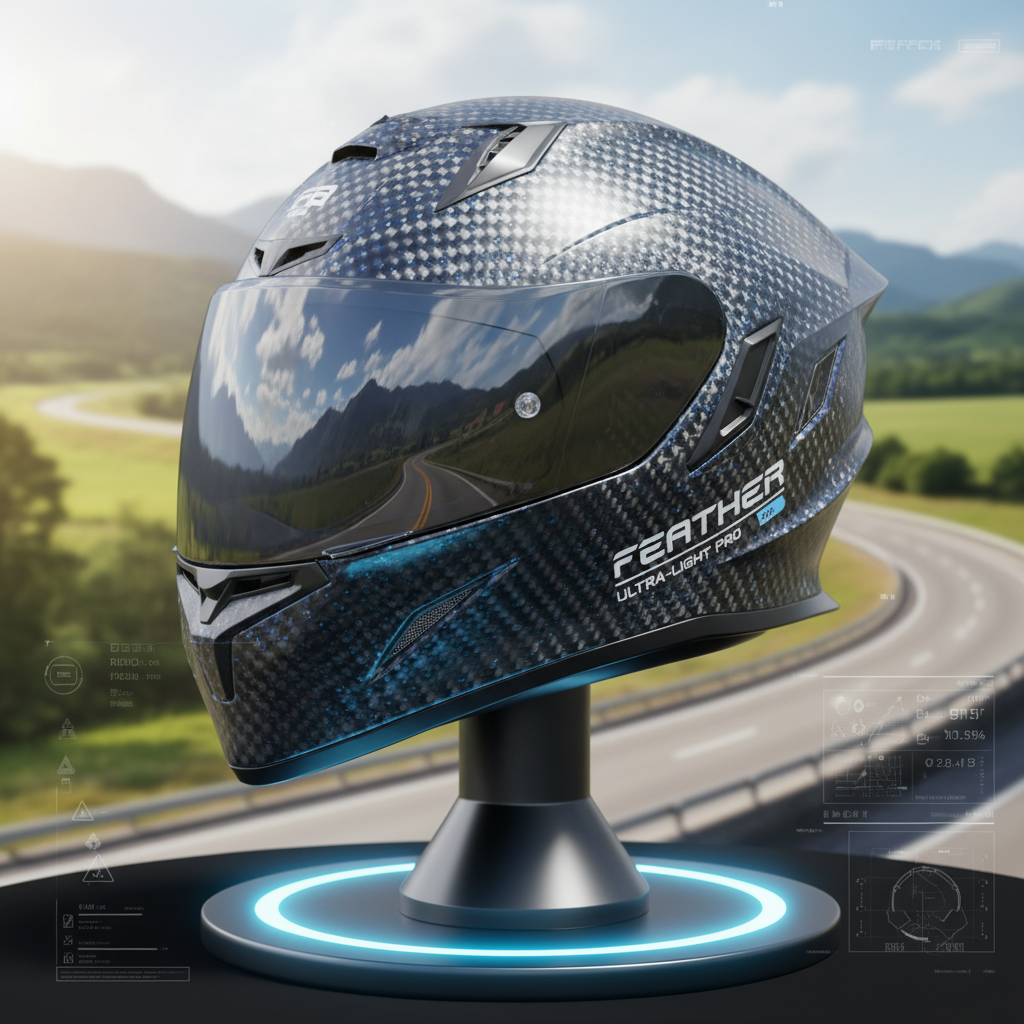
– Carbon Fiber: This material is prized in the helmet industry for its impressive strength-to-weight ratio. Carbon fiber helmets are not only lighter but also provide excellent structural integrity, making them highly resistant to impact. The Shoei X-Fourteen, for instance, utilizes a carbon fiber composite shell that contributes to its lightweight design while ensuring maximum protection.
– Expanded Polystyrene (EPS): Often found in the interior padding of helmets, EPS is crucial for impact absorption. It is designed to compress upon impact, reducing the force transferred to the rider’s head. By using a lightweight version of EPS, manufacturers are able to maintain a low overall weight without sacrificing safety.
Innovative combinations of these materials are enabling manufacturers to push the boundaries of what is possible, creating helmets that are lighter and safer than ever before.
Comfort Features of Lightweight Helmets
Comfort is a paramount consideration for riders, especially during long-distance rides. Lightweight helmets often incorporate several key features that enhance the overall riding experience.
– Ventilation: Proper airflow is crucial for maintaining comfort on long rides. Advanced ventilation systems, like those found in the Shoei X-Fourteen, utilize strategically placed vents to promote airflow and reduce heat build-up. This feature is especially beneficial in warmer climates, allowing riders to stay cool and focused.
– Padding: The liners of lightweight helmets are typically made from high-quality, moisture-wicking materials that enhance comfort without adding significant weight. These liners help manage sweat and humidity, ensuring a comfortable fit throughout the ride. Additionally, many helmets offer removable and washable liners, making it easy for riders to maintain hygiene.
By prioritizing these comfort features, lightweight helmets ensure that riders can enjoy their journeys without the distractions of discomfort.
Safety Standards for Motorcycle Helmets
When it comes to choosing a motorcycle helmet, understanding safety standards is essential.
– DOT and Snell Ratings: These certifications indicate that a helmet meets specific safety requirements. The DOT (Department of Transportation) rating is a mandatory standard in the U.S., while the Snell rating is a voluntary certification that often signifies higher safety benchmarks. Helmets that meet these standards have undergone rigorous testing to ensure they can withstand impacts and protect the rider effectively.
– Impact Testing: Lightweight helmets undergo various impact tests to assess their durability and performance. These tests simulate real-world crash scenarios, ensuring that even lighter models can provide adequate protection during an accident. Riders should look for helmets that have passed these tests and carry the appropriate certifications.
By paying attention to these safety standards, riders can make informed decisions when selecting a helmet, ensuring they prioritize their safety while enjoying the benefits of lightweight designs.
Choosing the Right Size and Fit
Selecting the correct size and fit for a motorcycle helmet is crucial for both safety and comfort.
– Importance of Proper Fit: A well-fitting helmet should feel snug but not uncomfortably tight. It is essential that the helmet stays securely in place during rides to provide effective protection. A helmet that is too loose can shift during an accident, compromising its ability to protect the rider’s head.
– Customization Options: Many brands offer customization options, such as different padding thicknesses and sizes, allowing riders to tailor their helmets for a perfect fit. This personalization can make a significant difference in comfort and safety, particularly for those who ride frequently or for extended periods.
Investing time in finding the right size and fit can greatly enhance the overall riding experience, making it not only safer but also more enjoyable.
Maintenance Tips for Lightweight Helmets
Proper maintenance of lightweight helmets is essential to ensure their longevity and performance.
– Cleaning: Regular cleaning is vital to maintain both hygiene and the helmet’s structural integrity. Riders should follow the manufacturer’s guidelines for cleaning the outer shell and inner padding. Typically, using mild soap and water for the shell and a gentle cycle for the removable liners is recommended. Avoid harsh chemicals that could damage the materials.
– Storage: Proper storage is equally important. Helmets should be stored in a cool, dry place, away from direct sunlight and extreme temperatures. Using a helmet bag can help prevent scratches and damage when not in use. Additionally, avoid placing heavy objects on top of the helmet, as this can distort its shape and reduce its effectiveness.
By adhering to these maintenance tips, riders can ensure their lightweight helmets remain in excellent condition for years to come.
In conclusion, the Shoei X-Fourteen stands out as the best lightest motorcycle helmet due to its blend of comfort, safety, and cutting-edge materials. When selecting a lightweight helmet, consider factors such as fit, safety ratings, and maintenance to ensure you make an informed decision. By prioritizing these elements, riders can enjoy their journeys with confidence, knowing they are protected by one of the best helmets available on the market. Explore your options and gear up for your next ride!
References
- https://www.nhtsa.gov/equipment/motorcycle-helmets
- https://www.cdc.gov/motorvehiclesafety/motorcycle/index.html
- https://www.motorcyclistonline.com/what-to-know-about-motorcycle-helmets/
- https://www.helmets.org/
- https://www.theaa.com/driving-advice/safety/motorcycle-safety-tips
- https://www.nysdot.gov/programs/motorcycle-safety
- https://www.ama-cycle.org/american-motorcyclist-association/advocacy/motorcycle-safety/helmet-laws/